Find the Best Septic Tank Installation & Replacement Contractors for Your Business
No obligation • Fast responses • Nationwide coverage

Why you can trust Septic Spot
Septic Spot is a leading United States resource for understanding and comparing septic services. Our editors review providers using consistent criteria and verify key business details. Listings and scores are independent, and companies cannot pay to influence our content.
Search providers near you
Top Septic Tank Installation & Replacement Contractors in Seattle, Washington Ranked
Installing or replacing a septic system is a significant investment in your property's long-term health and value. In Seattle and King County, this process is highly regulated to protect public health and the local environment, requiring careful planning, professional design, and multiple inspections. This guide explains the essential steps, costs, and regulations for septic system work in the area, helping you understand what to expect and how to connect with qualified local professionals for your project.
SSB Septic Services
Kent, WA
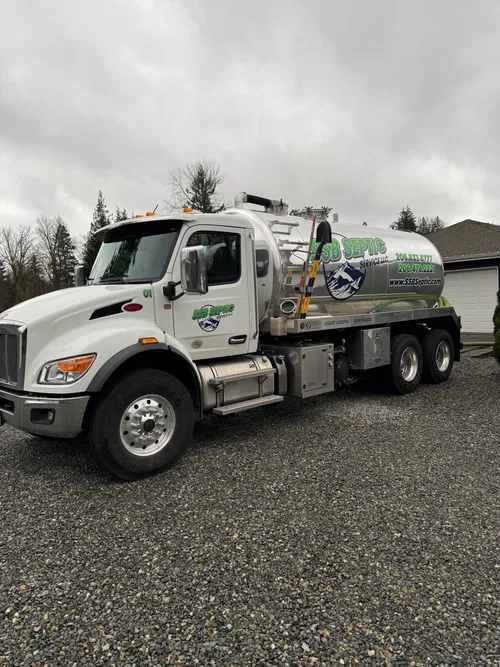
SSB Septic Services is a family-owned company serving Kent, WA, and the surrounding areas. They provide a range of septic services including tank pumping, system repair, and installation. With over a decade of experience, they focus on eco-friendly solutions and long-term customer satisfaction. The company offers 24/7 emergency response to handle urgent septic system issues promptly. Their expertise includes environmental compliance and sustainable septic system practices.
Lilly's Septic Service
26207 Maple Valley Black Diamond Rd SE Ste D1, Maple Valley, WA 98038
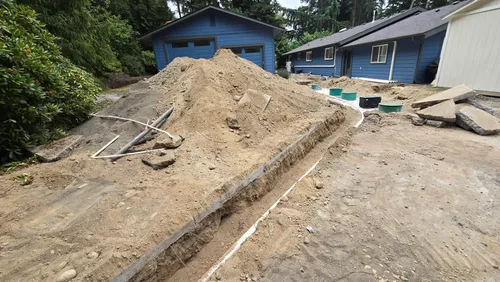
Lilly's Septic Service is a septic tank pumping, inspection, repair, and installation company based in Kent, WA. Serving King County and the Puget Sound region, they offer comprehensive septic system services including certified installations and thorough inspections. With over 48 years of experience, Lilly's Septic Service provides expertise in maintaining safe and efficient septic systems for both homes and businesses.
Septic Response
672 7th Ave, Kirkland, WA 98033
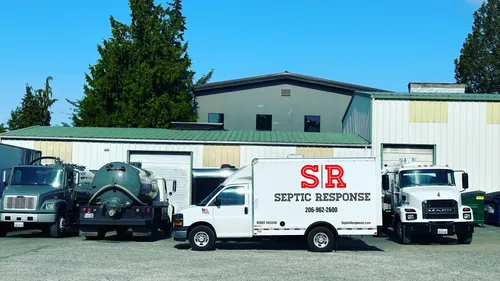
Septic Response is a septic tank service provider based in Seattle, WA, offering a wide range of services including septic tank pumping, inspection, repair, installation, and drain field replacement. They serve King County, Snohomish County, and Pierce County with expertise in maintaining both traditional and advanced septic systems. Their capabilities include inlet pipe cleaning using jetting technology and comprehensive septic system maintenance tailored to local soil and environmental conditions. The company emphasizes preventative maintenance and environmental compliance to extend system lifespan. Septic Response operates 24/7 to support urgent septic needs.
A Advanced Septic & Construction Services
1602 W Valley Hwy S, Auburn, WA 98001
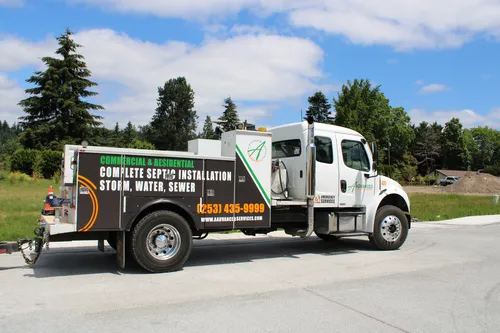
A Advanced Septic & Construction Services is a family-owned business serving Tacoma, WA, and surrounding areas including Auburn, Puyallup, Bonney Lake, and Sumner. Established in 2006, they offer comprehensive septic services such as septic tank pumping, inspection, repair, installation, and drain field restoration. Their team also provides electrical and construction services related to septic systems. Known for handling emergency situations, they offer 24-hour emergency response to address urgent septic needs. The company combines modern equipment with experienced technicians to maintain and repair septic systems efficiently.
Upfront Septic & Plumbing
2367 Tacoma Ave S Suite 201, Tacoma, WA 98402
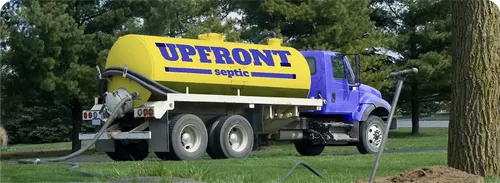
Upfront Septic & Plumbing is a septic service provider located in Tacoma, WA, serving King and Pierce County. They offer septic tank pumping, inspection, repair, and installation services for various septic systems including aerobic and anaerobic tanks made of concrete, metal, fiberglass, or plastic. The company also handles drain field repairs and provides emergency septic services available 24/7. Founded by a local resident, Upfront Septic & Plumbing emphasizes transparent pricing and straightforward service to address septic system needs efficiently.
Understanding the Regulatory Landscape in King County
All new septic system installations and replacements in Seattle and King County fall under the jurisdiction of Public Health - Seattle & King County. You cannot simply hire an excavator and begin digging. The process is designed to ensure that every on-site sewage system (OSS) is properly sized, located, and constructed to safely treat household wastewater without contaminating groundwater or Puget Sound.
The cornerstone of the process is the permit. A site application and installation permit are mandatory for all new and replacement systems, and construction cannot legally start until the permit is approved and posted on-site. This regulatory framework ensures that systems are built to current standards, which is crucial for properties in areas with sensitive soils, high water tables, or near shorelines.
The Step-by-Step Installation & Replacement Process
Navigating a septic project involves a series of defined steps with key players: you (the homeowner), a licensed designer, a certified installer, and the county health department.
1. Initial Site Evaluation and Soil Testing
Before any design can begin, a licensed designer or engineer must conduct a thorough site evaluation. This almost always includes a soil analysis, commonly referred to as a percolation test or deep-hole test 1 2. This test determines the soil's absorption rate and depth to restrictive layers, which dictates the type of system your property can support. Poor soil conditions often necessitate more complex (and costly) systems like pressure-dosed mounds or sand filters.
2. System Design and Permit Application
Using the site evaluation data, the licensed designer creates a custom septic system design that complies with all county and state regulations. A critical rule in Washington is that systems must have at least two compartments or two tanks in series for primary treatment 3 4. The designer then submits the complete design and site application package to Public Health - Seattle & King County for review.
3. Permit Approval and Pre-Installation Inspection
Once the county approves the design, they issue the installation permit. Before any installation work begins, the designer must return to the site to perform a pre-installation or "stub-out" inspection to verify that the planned location and conditions are ready.
4. Installation by a Certified Professional
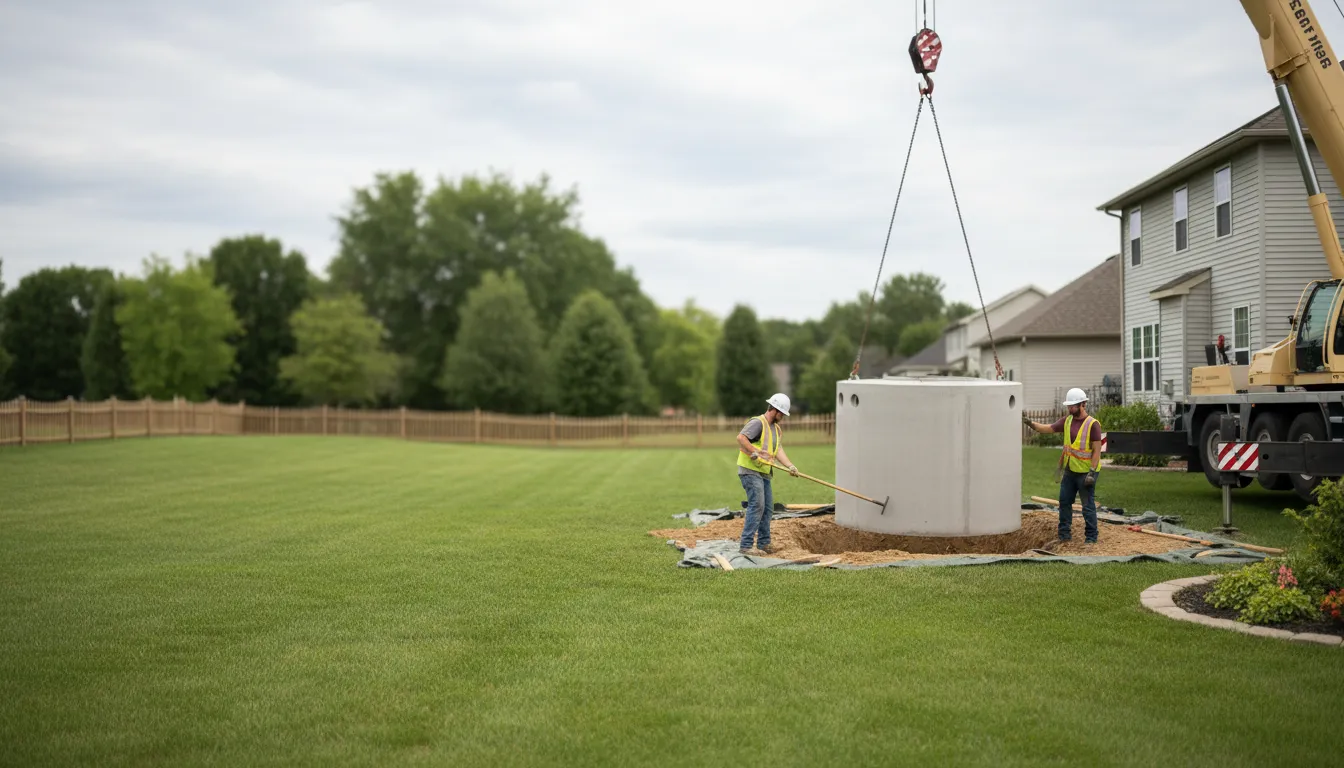
The actual construction must be performed by a certified installer. They will excavate, place the tank and distribution components, and build the drainfield according to the approved design. Using a certified professional is non-negotiable for both quality and legal reasons.
5. Final Inspections and System Activation
After installation, two final inspections are required:
- Designer Inspection: The designer inspects the work to ensure it matches their approved plans.
- County Health Department Inspection: A Public Health inspector performs a final check before the system can be activated 5. Only after passing both inspections can the system be covered and put into use.
Find the perfect septic tank installation & replacement contractors for your needs
Get personalized recommendations and expert advice
Types of Septic Systems Used in the Seattle Area
The right system for your property depends entirely on the results of the site evaluation. Common types include:
- Conventional Gravity Systems: The most basic type, where wastewater flows by gravity from the tank to a series of trenches in suitable soil. These are typically the least expensive option but require favorable soil conditions 6.
- Pressure-Dosed Systems: Used when the drainfield is uphill from the tank or in soils with slower absorption. A pump chamber and dosing tank evenly distribute effluent across the drainfield.
- Mound Systems: An above-ground drainfield built with imported sand when native soil is too shallow, too permeable, or has a high water table. These are more complex and expensive.
- Sand Filter or Advanced Treatment Units (ATUs): These systems provide a higher level of treatment, often required near sensitive water bodies. They use sand, peat, or mechanical components to further treat effluent before it reaches the drainfield.
Cost Breakdown for Septic System Projects
Costs in the Seattle area vary dramatically based on system type, soil conditions, property slope, and tank size. It's important to budget for the entire system, not just the tank.
- Septic Tank Only (Replacement): If you're only replacing an existing tank, costs can range from approximately $500 to $2,500 for the tank itself, plus excavation and installation labor.
- Complete New System Installation: For a full new septic system installation, including tank, drainfield, and all labor, homeowners can expect to pay between $3,615 and $12,408 or more 7 8. A conventional gravity system on good soil will be at the lower end, while a mound system or ATU on difficult terrain can easily exceed $15,000.
- Major Factors Influencing Cost:
- Soil & Site Conditions: Poor soil (clay, high water table) requires engineered solutions.
- System Type & Size: A 3-bedroom home requires a larger system than a 1-bedroom cabin.
- Permitting & Design Fees: Hiring a licensed designer and paying county permit fees add significant upfront costs.
- Access & Excavation: Difficult site access or rocky terrain increases labor and equipment time.
Ongoing Maintenance and Inspection Requirements
Your responsibility begins once the system is activated. King County mandates regular inspections to catch problems early 9:
- Gravity Systems: Must be inspected every 3 years.
- Pressure, Mound, or Sand Filter Systems: Require an inspection every year.
- Advanced Treatment Units (ATUs): Need the most frequent oversight, with inspections required every 6 months.
These inspections are typically performed by a licensed operation and maintenance (O&M) specialist. Keeping inspection records is crucial for compliance and protects you if you sell your property.
Financial Assistance and "Green" Options
Recognizing the high cost, several assistance programs are available:
- Craft3 Clean Water Loans: This organization provides loans specifically for repairing or replacing failing septic systems in Washington 10.
- King County Assistance Programs: The county may offer grants or low-interest loans for eligible homeowners; it's worth contacting Public Health - Seattle & King County Septic Services to inquire 11.
- Green Septic Systems: King County encourages systems that reduce water use and nutrient pollution. Features like effluent filters, water-efficient fixtures, and drip irrigation drainfields can improve performance and longevity 12.
Frequently asked questions
Sources
Footnotes
-
Septic System Permits | Clallam County, WA - https://www.clallamcountywa.gov/493/Septic-System-Permits ↩
-
P8462 OSS Procedure for Evaluations, Design Review, Permits - https://www.co.cowlitz.wa.us/DocumentCenter/View/19044/8430-OSS-Procedure-for-Evaluations-Design-Review-Permits ↩
-
New design and installation - King County, Washington - https://kingcounty.gov/en/dept/dph/health-safety/environmental-health/on-site-sewage-systems/applications-permits/new-design-installation ↩
-
WAC 246-272A-0232: - | WA.gov - https://app.leg.wa.gov/wac/default.aspx?cite=246-272A-0232 ↩
-
On-site sewage/septic repair or replacement - King County - https://kingcounty.gov/en/dept/dph/health-safety/environmental-health/on-site-sewage-systems/applications-permits/repair-replacement ↩
-
Septic System Installation: Essential Steps for a Reliable Setup - https://www.bridgewaterenviro.com/septic-system-installation/ ↩
-
On-site sewage/septic system inspections - King County, Washington - https://kingcounty.gov/en/dept/dph/health-safety/environmental-health/on-site-sewage-systems/maintaining-your-system/inspections ↩
-
How Much Does a Septic Tank Cost? - NerdWallet - https://www.nerdwallet.com/home-ownership/home-improvement/learn/septic-tank-cost ↩
-
proposed rules - WASHINGTON STATE REGISTER - | WA.gov - https://lawfilesext.leg.wa.gov/law/wsr/2005/11/05-11-109.htm ↩
-
Septic Systems | Washington State Department of Health - https://doh.wa.gov/community-and-environment/wastewater-management/septic-system ↩
-
Septic Permitting & Installation Detailed Guide - https://snohd.org/DocumentCenter/View/13382/Septic-Permitting-Installation-Guide ↩
-
Green Septic Systems in King County - https://cdn.kingcounty.gov/-/media/king-county/depts/dph/documents/health-safety/environmental-health/oss/educational-downloads/green-septic-systems-brochure.pdf?rev=d358fd17aa354ee9be960ac9f5b49623&hash=1083FC3DD2EB7D5AD2DCC492803593A5 ↩