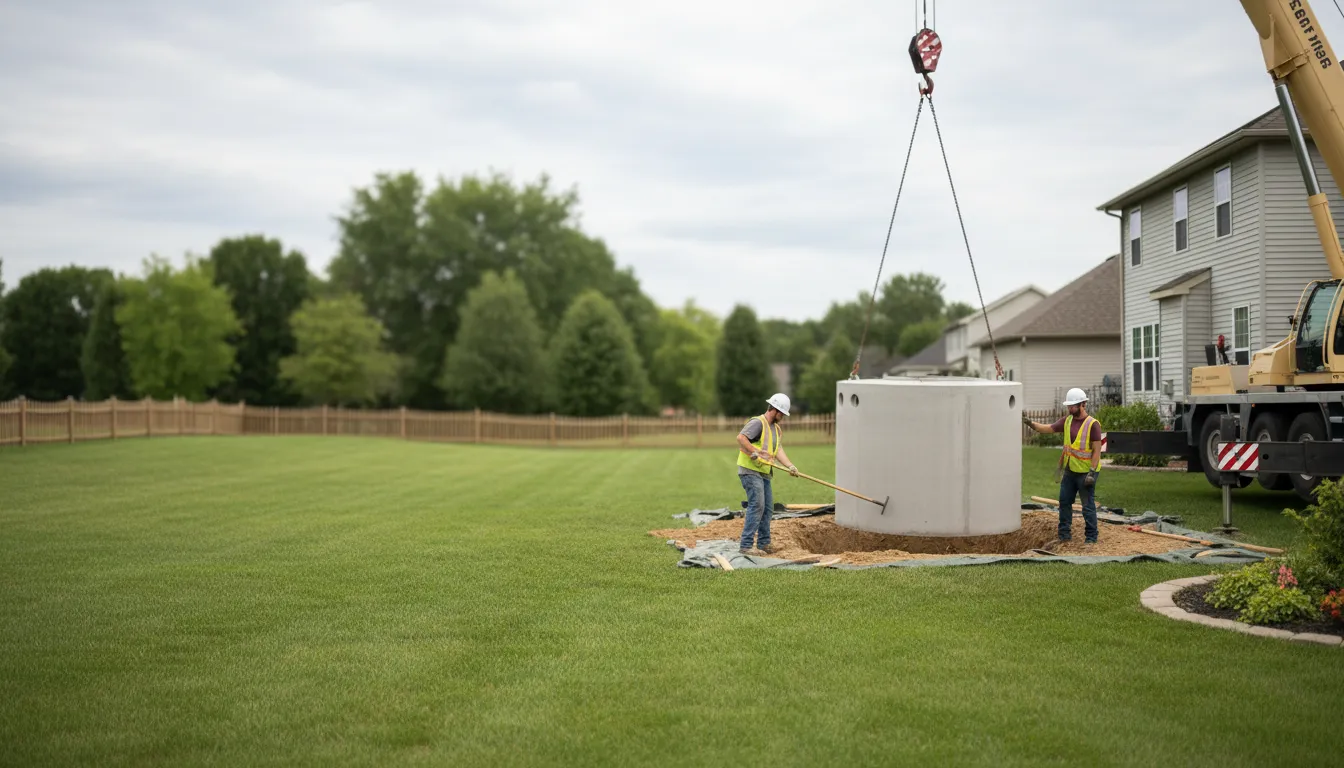
Find the Best Septic Tank Installation & Replacement Contractors for Your Business
No obligation • Fast responses • Nationwide coverage

Why you can trust Septic Spot
Septic Spot is a leading United States resource for understanding and comparing septic services. Our editors review providers using consistent criteria and verify key business details. Listings and scores are independent, and companies cannot pay to influence our content.
Search providers near you
Top Septic Tank Installation & Replacement Contractors in Tacoma, Washington Ranked
Installing or replacing a septic system is a significant investment in your property's long-term functionality and environmental health. In Tacoma and Pierce County, this process is carefully regulated to protect local groundwater and ensure system reliability. This guide explains the local requirements, costs, and steps involved in septic system installation and replacement, helping you navigate the process with confidence and find qualified local professionals.
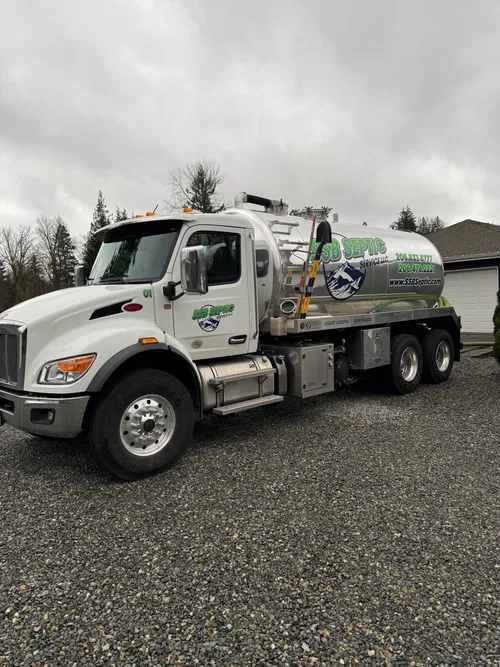
SSB Septic Services
Kent, WA
SSB Septic Services is a family-owned company serving Kent, WA, and the surrounding areas. They provide a range of septic services including tank pumping, system repair, and installation. With over a decade of experience, they focus on eco-friendly solutions and long-term customer satisfaction. The company offers 24/7 emergency response to handle urgent septic system issues promptly. Their expertise includes environmental compliance and sustainable septic system practices.
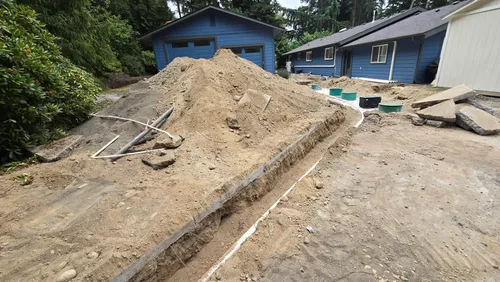
Lilly's Septic Service
26207 Maple Valley Black Diamond Rd SE Ste D1, Maple Valley, WA 98038
Lilly's Septic Service is a septic tank pumping, inspection, repair, and installation company based in Kent, WA. Serving King County and the Puget Sound region, they offer comprehensive septic system services including certified installations and thorough inspections. With over 48 years of experience, Lilly's Septic Service provides expertise in maintaining safe and efficient septic systems for both homes and businesses.
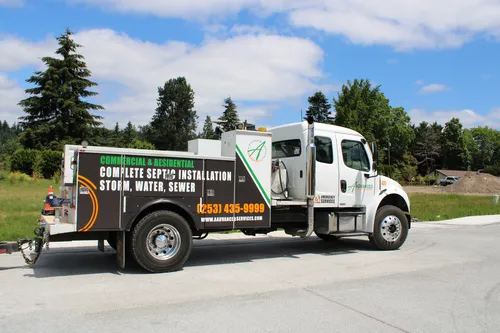
A Advanced Septic & Construction Services
1602 W Valley Hwy S, Auburn, WA 98001
A Advanced Septic & Construction Services is a family-owned business serving Tacoma, WA, and surrounding areas including Auburn, Puyallup, Bonney Lake, and Sumner. Established in 2006, they offer comprehensive septic services such as septic tank pumping, inspection, repair, installation, and drain field restoration. Their team also provides electrical and construction services related to septic systems. Known for handling emergency situations, they offer 24-hour emergency response to address urgent septic needs. The company combines modern equipment with experienced technicians to maintain and repair septic systems efficiently.
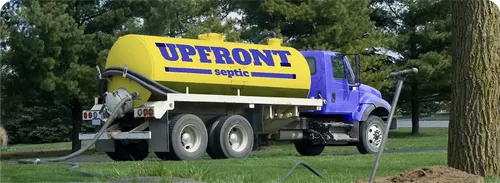
Upfront Septic & Plumbing
2367 Tacoma Ave S Suite 201, Tacoma, WA 98402
Upfront Septic & Plumbing is a septic service provider located in Tacoma, WA, serving King and Pierce County. They offer septic tank pumping, inspection, repair, and installation services for various septic systems including aerobic and anaerobic tanks made of concrete, metal, fiberglass, or plastic. The company also handles drain field repairs and provides emergency septic services available 24/7. Founded by a local resident, Upfront Septic & Plumbing emphasizes transparent pricing and straightforward service to address septic system needs efficiently.
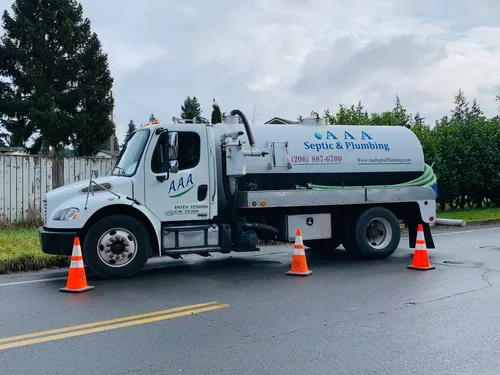
AAA Septic & Plumbing LLC.
32228 116th Ave SE, Auburn, WA 98092
AAA Septic & Plumbing LLC. is a family-owned business serving Tacoma, WA, and surrounding counties including King, Pierce, Snohomish, and Thurston. They provide a full range of septic services such as septic tank pumping, system installation and repair, drainfield repair, and sewer line services. The company is licensed and certified, offering specialized capabilities like septic pump control panel troubleshooting and sewer scope inspections. With years of trusted experience, AAA Septic & Plumbing LLC. operates with a commitment to customer satisfaction and offers 24-hour emergency response for septic and plumbing issues.
Understanding Local Regulations and Permits
All septic system work in Tacoma and Pierce County requires oversight from the Tacoma-Pierce County Health Department (TPCHD). You cannot begin any excavation or installation until you have an approved construction permit posted on-site. The department enforces Washington State codes, specifically WAC 246-272A, which sets the standards for design, construction, and operation of on-site sewage systems 1.
A critical local rule to understand is the repair limitation: a septic tank can only be repaired twice. If a third issue arises, the TPCHD will require a full system replacement2. This makes proper maintenance and early inspection vital for cost management.
The 2025/2026 Regulatory Updates
Recent updates to state and local codes have introduced stricter requirements, particularly for system testing. A key change is the new stress testing protocol. For new installations and certain replacements, the system must be tested to handle a flow rate of 120 gallons per bedroom, a standard designed to ensure the system can handle peak household usage 3. These updates also cover records, fees, and inspection procedures, emphasizing the importance of working with professionals who are current on the latest rules 4.
The Step-by-Step Installation & Replacement Process
Successfully navigating a septic project involves a clear, multi-stage process managed by licensed experts.
Step 1: Professional Site Evaluation and System Design
The first and most crucial step is a site and soil evaluation conducted by a state-licensed septic designer. This professional assesses your property's soil type, structure, and seasonal water table level. A percolation (perc) test is performed to measure how quickly water drains through the soil; this result directly determines the size and type of drain field needed.
In areas with a high water table, poor drainage, or limited space, standard gravity-fed systems may not be suitable. The designer may recommend advanced options like pressurized mound systems or other alternative technologies to ensure proper treatment and dispersal of effluent 5.
Step 2: Permit Application and Approval
Once a design is complete, your designer will submit the application package to the TPCHD. This includes the system layout, soil report, and verification of water availability. The department reviews the plans for compliance with all health and environmental regulations before issuing the construction permit 6. This permit must be visibly posted before any work begins.
Step 3: Installation by a Certified Professional
Only a certified installer should perform the excavation and septic tank installation. The process includes placing the tank, constructing the drain field, and connecting all piping. During installation, key inspections occur:
- Open Tank Inspection: Before the tank is covered, it is often inspected for leaks or defects 7.
- Installation Inspection: A TPCHD inspector must examine the installed tank and components before they are backfilled to verify everything matches the approved design.
Step 4: Final Inspection and Record Submission
After installation and backfilling, a final inspection is conducted. Upon passing, the installer or designer must submit a record drawing (or "as-built" drawing) to the TPCHD. This document shows the system's exact location and specifications as it was built, which is essential for future maintenance, repairs, or property sales 8.
Find the perfect septic tank installation & replacement contractors for your needs
Get personalized recommendations and expert advice
Cost Considerations for Tacoma Homeowners
The cost of septic work varies widely based on system size, soil conditions, and the scope of work. Here's a general breakdown based on local data:
- Full System Replacement: This is the most significant expense, often averaging around $20,000 or more. This covers the complete process: design, permitting, new tank, drain field, and installation.
- Tank-Only Replacement: If the drain field is still functional, replacing just the tank can cost up to $5,000.
- System Repairs: Costs for repairs are lower, typically up to $1,500, depending on the issue 9.
- Routine Inspections: A standard inspection, which is crucial for maintenance and often required for real estate transactions, typically costs between $250 and $350 in Pierce County. This includes a mandatory state fee 10.
Finding Licensed Professionals in Pierce County
Given the technical and regulatory complexity, hiring the right team is non-negotiable. The TPCHD maintains lists of licensed septic system designers, installers, and pumpers operating in the county 11. Always verify that any professional you contact holds current state and local certifications. A qualified designer and installer will handle the permit process, adhere to the latest stress testing requirements, and ensure your new wastewater treatment system is built to last.
Maintenance: Protecting Your Investment
A new or replaced system is a long-term asset that requires care. Regular pumping (typically every 3-5 years), mindful water usage, and avoiding flushing harmful chemicals or materials will extend the life of your drain field and prevent premature failure. Keeping your record drawing accessible helps with future servicing and avoids accidental damage during landscaping or other property projects.
Frequently asked questions
Sources
Footnotes
-
WAC 246-272A-0232: - | WA.gov - https://app.leg.wa.gov/wac/default.aspx?cite=246-272A-0232 ↩
-
Septic System and Individual Well Forms and Applications - Tacoma ... - https://tpchd.org/professionals/septic/applications-and-forms/ ↩
-
New septic system stress testing requirements begin July 15 - Tacoma Pierce County Association of REALTORS® - https://www.tpcar.org/2024/07/12/new-septic-system-stress-testing-requirements-begin-july-15/ ↩
-
Washington 2025 Septic Code Updates & Their Environmental Impact - https://davissepticdesign.com/washington-2025-septic-code-updates-their-environmental-impact/ ↩
-
Complete Septic System Installation: Process, Permits, And Pitfalls - https://www.theseptictankman.com/blog/complete-septic-system-installation-process-permits-and-pitfalls ↩
-
On-Site Sewage System Application Process - https://tpchd.org/wp-content/uploads/2023/12/OnSite-Sewage-System-Application-Process.pdf ↩
-
Septic Installation San Antonio: Your 2025 Guide - https://www.vdwws.com/blog/septic-tank-installation-san-antonio-guide ↩
-
Septic System Installation 101: A Beginner's Guide - https://www.townesseptic.com/blog/septic-system-installation-beginners-guide ↩
-
Frequently Asked Questions - Tacoma-Pierce County Health ... - https://tpchd.org/homes/septic-systems/operation-and-maintenance/faq/ ↩
-
Septic system inspection requirements in Pierce County WA - https://www.thenewstribune.com/news/local/community/gateway/g-news/article290631874.html ↩
-
Septic Systems - Tacoma-Pierce County Health Department - https://tpchd.org/homes/septic-systems/ ↩