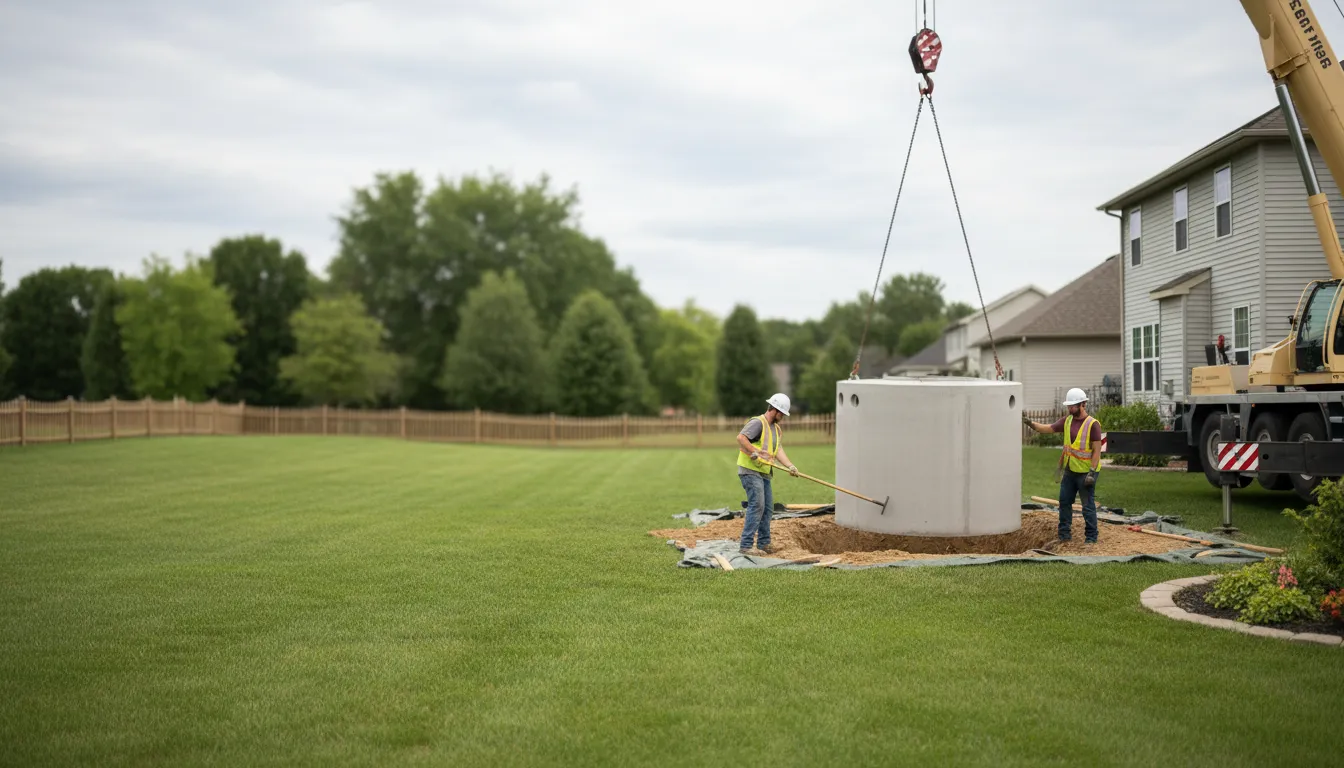
Find the Best Septic Tank Installation & Replacement Contractors for Your Business
No obligation • Fast responses • Nationwide coverage

Why you can trust Septic Spot
Septic Spot is a leading United States resource for understanding and comparing septic services. Our editors review providers using consistent criteria and verify key business details. Listings and scores are independent, and companies cannot pay to influence our content.
Search providers near you
Top Septic Tank Installation & Replacement Contractors in Everett, Washington Ranked
Installing or replacing a septic system is a significant investment in your property's infrastructure and environmental responsibility. A properly designed and permitted onsite wastewater treatment system protects your family's health, safeguards local groundwater, and ensures compliance with Snohomish County and Washington State regulations. This guide outlines the key steps, costs, and regulatory considerations for septic system work in Everett, helping you understand the process of finding qualified local professionals for your project.
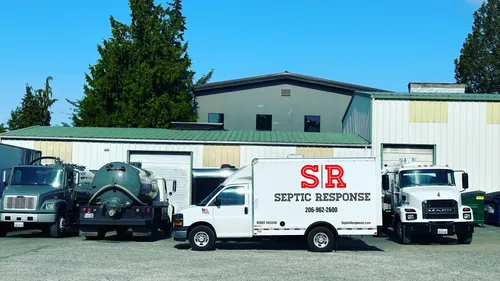
Septic Response
672 7th Ave, Kirkland, WA 98033
Septic Response is a septic tank service provider based in Seattle, WA, offering a wide range of services including septic tank pumping, inspection, repair, installation, and drain field replacement. They serve King County, Snohomish County, and Pierce County with expertise in maintaining both traditional and advanced septic systems. Their capabilities include inlet pipe cleaning using jetting technology and comprehensive septic system maintenance tailored to local soil and environmental conditions. The company emphasizes preventative maintenance and environmental compliance to extend system lifespan. Septic Response operates 24/7 to support urgent septic needs.

The Septic Group (Formerly Woodinville Septic Service)
2822 Old Hartford Rd, Lake Stevens, WA 98258
The Septic Group (Formerly Woodinville Septic Service) is a septic service company based in Lake Stevens, serving Everett, WA, and the Greater Seattle area. With 60 years of experience, they provide septic tank pumping, inspection, repair, installation, and drain field replacement services. Their licensed experts conduct thorough system inspections, including mainlines and drainfields, and provide detailed pumping reports and county filings. The team also handles septic pump repair and replacement, offering personalized service throughout installation and maintenance.

JNJ Septic Services
Everett, WA
JNJ Septic Services is a family-owned company providing septic tank pumping, repair, and installation services in Everett, WA. They serve a wide area including King, Snohomish, and Skagit Counties. With over 30 years of experience, JNJ Septic Services focuses on building strong customer relationships and delivering reliable septic system solutions.
Upfront Septic & Plumbing
600 1st Ave UNIT 516, Seattle, WA 98104
Upfront Septic & Plumbing is a septic service provider based in Seattle, WA, serving King and Pierce Counties. They offer septic tank pumping, inspection, repair, and installation services for various septic systems including aerobic and anaerobic tanks made of concrete, metal, fiberglass, or plastic. The company also handles drain field repair and provides emergency septic services available 24/7. Founded by David White, Upfront Septic aims to provide transparent pricing and straightforward service to local customers.
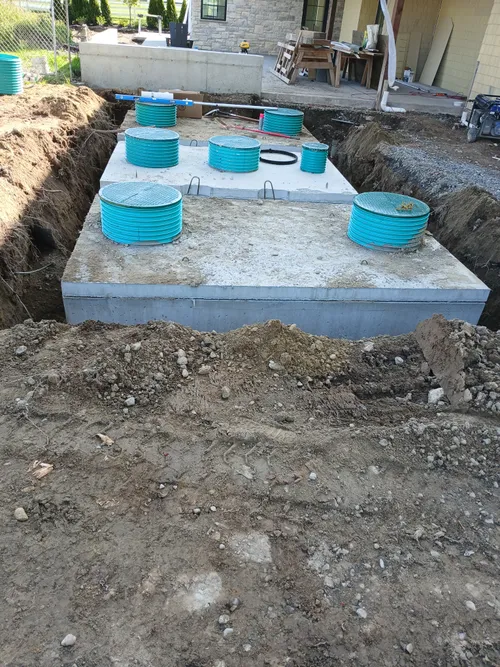
Sno Valley Underground
12113 221st St SE, Snohomish, WA 98296
Sno Valley Underground is a family-owned septic system repair and installation company based near Seattle, WA. They serve King, Skagit, and Snohomish counties, providing services such as septic system installations, expansions, repairs, and drain field replacements. The company offers expertise in traditional and aerobic septic tanks made of plastic, poly, or concrete. Founded by Tucker Jones, Sno Valley Underground emphasizes clear communication and thorough project management to meet customer expectations. Extended hours are available by appointment.
Understanding the Septic System Installation Process
The journey to a new or replacement septic system in Everett is a multi-stage process governed by the Snohomish County Health Department. It begins long before any excavation takes place. The goal is to design a system that effectively treats household wastewater based on your specific property's conditions, ensuring long-term functionality and environmental safety 1.
A successful installation hinges on proper planning and adherence to a series of mandated steps. Skipping or misunderstanding any phase can lead to costly delays, failed inspections, or a system that doesn't meet code. The core stages involve evaluation, design, permitting, construction, and final approval.
Step 1: Site Evaluation and System Design
The first critical step is a professional site evaluation. This is not a DIY task; you must hire a licensed professional engineer or a certified septic designer. This expert will assess your property's unique characteristics to determine the most suitable type of wastewater treatment system.
The evaluation typically includes:
- Soil Percolation (Perc) Tests: These tests measure how quickly water drains through your soil, which directly determines the size and type of drainfield required.
- Topography and Slope Assessment: The lay of your land influences system design and placement to prevent surfacing or runoff.
- Setback Determinations: The designer will identify required distances from wells, property lines, buildings, streams, and other sensitive areas.
- System Sizing: Based on the number of bedrooms in your home, the designer calculates the required wastewater treatment capacity.
The outcome of this evaluation is a detailed septic system design plan. This plan is the blueprint for your entire project and is a mandatory document for the permit application 2 3.
Step 2: Permit Application and Approval
With a completed design in hand, the next step is to submit a permit application to the Snohomish County Health Department. The application package includes the design plan, a completed site application form, and the applicable fees 4.
The health department's review is thorough. Their engineers examine the design to ensure it will provide effective wastewater treatment, protect public health, and comply with all current county and state regulations. This review process is your safeguard against improper system installation. It's crucial to note that as of April 1, 2025, Washington State has implemented revised regulations that may require advanced treatment units-such as those for nitrogen reduction-in environmentally sensitive areas. Your designer should be fully versed in these updates.
Step 3: Professional Installation and Inspections
Once you have an approved permit, installation can begin. In Snohomish County, the physical installation of the septic system must be performed by a certified installer. However, Washington State does allow homeowners to install their own conventional gravity system, provided they pay all fees and obtain the necessary approvals. For more complex systems or for most homeowners, hiring a professional installer is strongly recommended.
The installation is closely monitored through mandatory inspections:
- Pre-Cover Inspection: Before the system components (tank, drainfield lines) are covered with soil, a county inspector must visit the site. This inspection verifies that the installation matches the approved design in terms of placement, materials, and construction quality 5.
- Final Inspection and As-Built Record: After the system is covered, a final inspection may be required. The installer must also provide an "as-built" record-a drawing that shows the system's exact location as it was installed-which is vital for future maintenance or repairs 6.
Find the perfect septic tank installation & replacement contractors for your needs
Get personalized recommendations and expert advice
Costs and Financial Considerations for Everett Homeowners
The cost of a new septic system installation or a full system replacement in Everett varies widely. A standard residential gravity-fed septic system can start in the range of $5,000 to $15,000 7. However, this is a base figure. Many factors can push the final cost significantly higher.
Key cost drivers include:
- System Type and Complexity: A basic gravity system is the most affordable. If your site requires a pressure-dosed system, a mound system, or an advanced treatment unit (ATU) to meet new nitrogen-reducing standards, costs can rise substantially, sometimes exceeding $25,000 8 9.
- Site Challenges: Poor soil conditions (slow percolation), high groundwater, steep slopes, or limited space can require more expensive engineering solutions.
- Permit and Design Fees: Fees for soil testing, design engineering, and county permits add to the upfront cost.
- Excavation and Restoration: The difficulty of the excavation work and the extent of landscaping restoration needed post-installation will impact the price.
It's essential to view this cost as a long-term investment. A properly permitted and installed system adds value to your property and prevents far more expensive emergency repairs or environmental cleanup down the line.
Navigating Regulations and Compliance
Staying compliant with local and state rules is non-negotiable. The Snohomish County Health Department is the primary authority for onsite sewage system permits and enforcement. Their regulations are designed to protect the region's water quality, including the sensitive Puget Sound watershed.
A critical update for homeowners to be aware of involves the April 2025 Washington State rule changes. These revised regulations emphasize enhanced wastewater treatment in areas near marine waters or other sensitive environments. The new standards may mandate the use of advanced treatment technologies that reduce nitrogen levels in effluent, going beyond traditional septic system capabilities. When planning your project, always confirm the latest requirements directly with the Snohomish County Health Department, as rules can evolve to address emerging environmental concerns 10.
Choosing the Right Service Provider
Given the technical and regulatory complexity, selecting the right team is paramount. You will likely need to engage two key professionals:
- A licensed septic designer or engineer for the site evaluation and system design.
- A certified septic installer to perform the excavation and construction.
When evaluating providers, look for:
- Local Experience: Familiarity with Snohomish County soils, inspectors, and permit processes is invaluable.
- Proper Credentials: Verify current state and county licenses, certifications, and insurance.
- Transparent Communication: A good provider will clearly explain the process, costs, timeline, and how they handle unforeseen site conditions.
- References and Reviews: Ask for local references and check online reviews to gauge reliability and work quality.
Remember, the cheapest bid is not always the best value when it comes to a system that must function reliably for decades and protect your local environment.
Frequently asked questions
Sources
Footnotes
-
Septic Permitting & Installation Detailed Guide - https://snohd.org/DocumentCenter/View/13382/Septic-Permitting-Installation-Guide ↩
-
Septic System Permits | Clallam County, WA - https://www.clallamcountywa.gov/493/Septic-System-Permits ↩
-
Septic Application & Design Detailed Guide - https://www.snohd.org/DocumentCenter/View/13381/Septic-Application-Design-Guide ↩
-
Septic Permit Steps | Snohomish County Health Department, WA - https://www.snohd.org/676/Septic-Permit-Process-Steps ↩
-
REPAIR PERMIT FOR A SEPTIC SYSTEM PROCEDURE ... - https://www.washingtoncountyor.gov/hhs/documents/repair-permit-pack/download?inline ↩
-
How to Know if You Need a Septic System Permit - Pippin Home Designs - https://www.pippinhomedesigns.com/septic-system-permit/ ↩
-
Everett Septic Systems Costs & Prices - ProMatcher Cost Report - https://septic-systems.promatcher.com/cost/everett-wa-septic-systems-costs-prices.aspx ↩
-
Understanding Septic Tank Permits and Regulations - https://westcoastsanitationinc.com/understanding-septic-tank-permits-and-regulations/ ↩
-
Navigating New Septic Regulations: Stay Compliant - Blog - https://danosseptic.com/blog/navigating-new-septic-regulations-stay-compliant/ ↩
-
Septic Permitting | Snohomish County Health Department, WA - https://www.snohd.org/166/Septic-Permitting ↩