Find the Best Septic Tank Installation & Replacement Contractors for Your Business
No obligation • Fast responses • Nationwide coverage

Why you can trust Septic Spot
Septic Spot is a leading United States resource for understanding and comparing septic services. Our editors review providers using consistent criteria and verify key business details. Listings and scores are independent, and companies cannot pay to influence our content.
Search providers near you
Top Septic Tank Installation & Replacement Contractors in Federal Way, Washington Ranked
Installing or replacing a septic system is a significant investment in your Federal Way property's long-term health and value. This process involves careful planning, adherence to strict local and state regulations, and professional execution to ensure your wastewater is treated safely and effectively. Understanding the steps, requirements, and costs involved can help you navigate this complex project with confidence. This guide provides essential information to help you connect with qualified local professionals for your septic system installation or replacement needs.
SSB Septic Services
Kent, WA
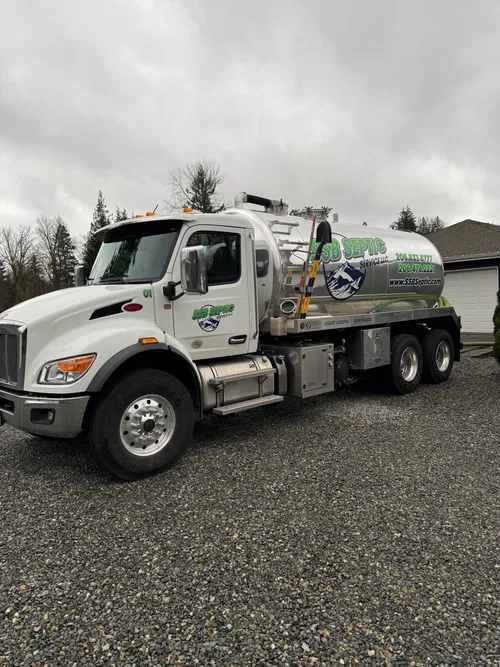
SSB Septic Services is a family-owned company serving Kent, WA, and the surrounding areas. They provide a range of septic services including tank pumping, system repair, and installation. With over a decade of experience, they focus on eco-friendly solutions and long-term customer satisfaction. The company offers 24/7 emergency response to handle urgent septic system issues promptly. Their expertise includes environmental compliance and sustainable septic system practices.
Lilly's Septic Service
26207 Maple Valley Black Diamond Rd SE Ste D1, Maple Valley, WA 98038
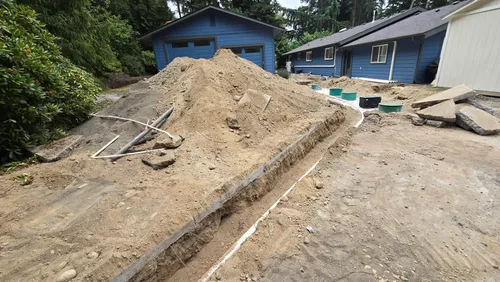
Lilly's Septic Service is a septic tank pumping, inspection, repair, and installation company based in Kent, WA. Serving King County and the Puget Sound region, they offer comprehensive septic system services including certified installations and thorough inspections. With over 48 years of experience, Lilly's Septic Service provides expertise in maintaining safe and efficient septic systems for both homes and businesses.
Septic Response
672 7th Ave, Kirkland, WA 98033
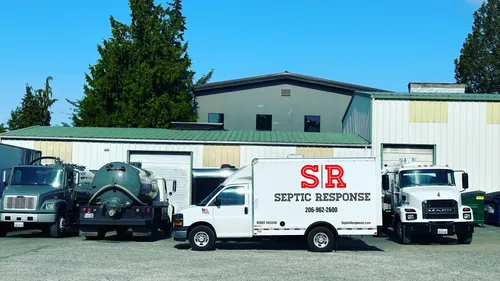
Septic Response is a septic tank service provider based in Seattle, WA, offering a wide range of services including septic tank pumping, inspection, repair, installation, and drain field replacement. They serve King County, Snohomish County, and Pierce County with expertise in maintaining both traditional and advanced septic systems. Their capabilities include inlet pipe cleaning using jetting technology and comprehensive septic system maintenance tailored to local soil and environmental conditions. The company emphasizes preventative maintenance and environmental compliance to extend system lifespan. Septic Response operates 24/7 to support urgent septic needs.
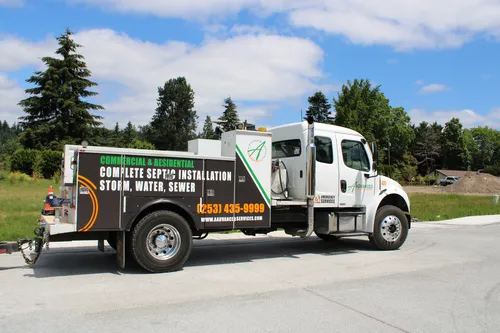
A Advanced Septic & Construction Services
1602 W Valley Hwy S, Auburn, WA 98001
A Advanced Septic & Construction Services is a family-owned business serving Tacoma, WA, and surrounding areas including Auburn, Puyallup, Bonney Lake, and Sumner. Established in 2006, they offer comprehensive septic services such as septic tank pumping, inspection, repair, installation, and drain field restoration. Their team also provides electrical and construction services related to septic systems. Known for handling emergency situations, they offer 24-hour emergency response to address urgent septic needs. The company combines modern equipment with experienced technicians to maintain and repair septic systems efficiently.
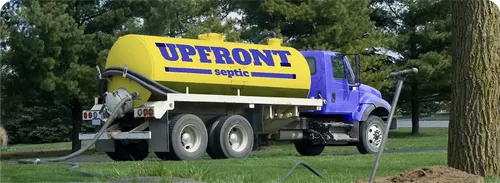
Upfront Septic & Plumbing
2367 Tacoma Ave S Suite 201, Tacoma, WA 98402
Upfront Septic & Plumbing is a septic service provider located in Tacoma, WA, serving King and Pierce County. They offer septic tank pumping, inspection, repair, and installation services for various septic systems including aerobic and anaerobic tanks made of concrete, metal, fiberglass, or plastic. The company also handles drain field repairs and provides emergency septic services available 24/7. Founded by a local resident, Upfront Septic & Plumbing emphasizes transparent pricing and straightforward service to address septic system needs efficiently.
Understanding Septic System Basics in Federal Way
A septic system is an on-site wastewater treatment system for properties not connected to a municipal sewer line. In Federal Way, which falls under King County's jurisdiction, all septic system work is governed by Washington State Code (WAC 246-272A) and enforced by King County Public Health 1. The primary goal of these regulations is to protect public health and groundwater by preventing sewage exposure and contamination.
A standard system consists of two main components: a watertight septic tank and a soil-based drainfield (also called a leach field). The tank separates solids from liquids, allowing partially treated effluent to flow into the drainfield, where it is further treated as it percolates through the soil. The suitability and design of your entire system hinge on the conditions of your specific property.
The Critical First Step: Site Evaluation and Soil Testing
Before any design or permit application can proceed, a professional site evaluation is mandatory. This evaluation determines if your Federal Way property can support a conventional septic system and what type of system is required.
The cornerstone of this evaluation is the soil percolation test (often called a "perc test"). This test measures the soil's absorption rate-how quickly water drains through the soil-which directly dictates the size and type of drainfield needed 2. A licensed septic designer or soil scientist must conduct this test by digging deep test pits to examine soil layers, texture, and seasonal high-water table depth 3 4. It's important to note that perc tests cannot be performed on frozen or heavily disturbed soil, so timing is a consideration 5.
The results of the soil analysis will determine whether a conventional gravity-fed system is possible or if a more complex (and costly) engineered system is necessary. Engineered systems, such as pressure-dosed mound systems or sand filters, are required for properties with high groundwater, poor soil percolation, or limited space.
Navigating Permits and Regulations with King County
All septic system installation and replacement projects in Federal Way require a Sewage System Construction Permit from King County Public Health before any work begins 6 7. The permit process ensures your proposed system complies with all state and local health codes.
To obtain a permit, you must submit a system design prepared by a Washington State-licensed septic designer. This design is based on the soil test results, your home's size (number of bedrooms), and site-specific conditions. Permit fees vary based on the county's fee schedule and the complexity of the system. It's crucial to be aware that these permits have expiration dates; for system repairs or replacements, permits typically expire between 90 to 270 days after issuance, depending on the assessed risk to public health 8.
The Installation Process: From Excavation to Inspection
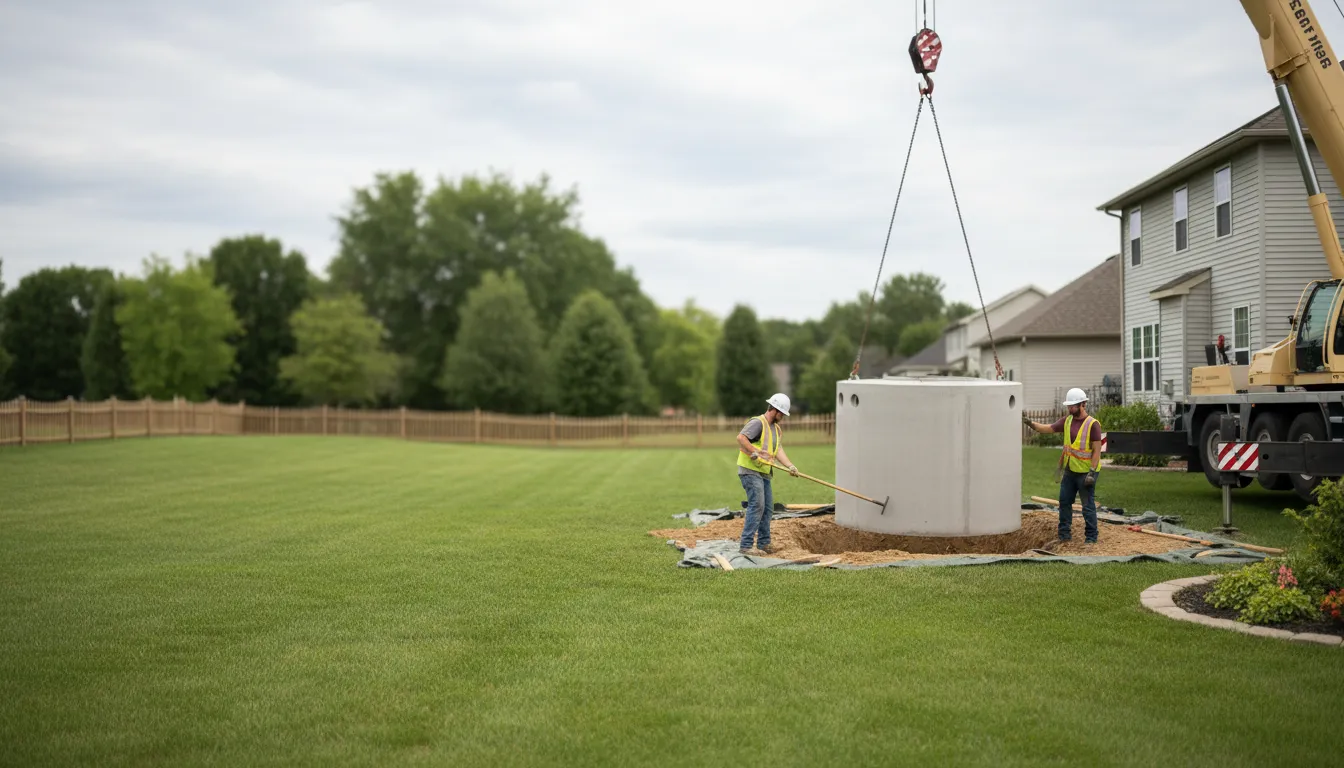
Once permits are secured, the physical installation can begin. For a standard system, this involves excavating for the septic tank and the drainfield trenches. Modern septic tanks are typically made of precast concrete or heavy-duty plastic and are carefully leveled and set in place. The drainfield consists of a series of perforated pipes laid in gravel-filled trenches, which distribute the effluent for soil absorption.
A critical, non-negotiable step in Federal Way and throughout Washington is the pre-cover inspection9 10. Before the tank and drainfield are backfilled with soil, a King County health inspector must visit the site to examine the work. This inspection checks for proper tank placement, watertight integrity, correct pipe slopes, and overall adherence to the approved design. Failing to schedule this inspection can result in costly re-excavation and compliance issues.
Find the perfect septic tank installation & replacement contractors for your needs
Get personalized recommendations and expert advice
Understanding Costs for Septic System Projects
The total cost for a new septic system or a full system replacement in Federal Way can vary widely based on your property's characteristics. It's one of the most substantial home infrastructure investments.
Here's a general breakdown of potential costs:
- Soil Percolation Test and System Design: $1,300 - $3,000 11.
- King County Permit Fees: Varies based on system type and county fee schedules.
- Installation/Replacement: For a standard conventional system on a favorable site, homeowners can expect costs in the range of $10,000 to $30,00012. However, properties requiring an engineered system due to soil or space constraints will see costs increase significantly, potentially reaching $40,000 or more 13.
These figures underscore why the initial site evaluation is so important, as it determines the project's fundamental scope and budget.
Long-Term Care: Operation and Maintenance
A new system is a long-term asset that requires proper care. Washington State mandates regular maintenance to ensure ongoing performance. As of 2027, a significant new rule takes effect: all homes with septic systems must have an inspection report filed with the local health department upon the transfer of property 14. This highlights the growing emphasis on system accountability and environmental protection.
Even outside of property sales, proactive maintenance is key. This includes having the tank pumped every 3-5 years (depending on usage), conserving water to avoid overloading the system, and avoiding flushing harmful chemicals or non-biodegradable materials. Protecting your drainfield from compaction by vehicles or heavy structures is also essential for its longevity.
Choosing the Right Professional for Your Project
Given the regulatory and technical complexity, selecting the right team is paramount. You will need to work with licensed professionals:
- A Licensed Septic Designer to conduct the soil evaluation and create the engineered system design for permit submission.
- A Licensed Septic Installer to perform the excavation and construction according to the approved plans.
- A King County Public Health Inspector for the mandatory pre-cover inspection.
Look for local Federal Way contractors with strong reputations, proper state licensing, and familiarity with King County's specific procedures. They should be willing to guide you through the permit process, explain all costs upfront, and provide clear timelines.
Frequently asked questions
Sources
Footnotes
-
On-site Sewage Systems Chapter 246-272A WAC - https://www.co.wahkiakum.wa.us/DocumentCenter/View/154/On-Site-Sewage-Systems-WAC-246-272-PDF?bidId= ↩
-
Perc Testing and Soil Testing - What You Need to Know - https://buildingadvisor.com/buying-land/septic-systems/soil-and-perc-testing/ ↩
-
Plumber's Guide To Installing Septic Tanks | Superior Plumbing - https://superiorplumbing.net.au/plumbers-guide-to-installing-septic-tanks/ ↩
-
Septic Tank Installation Guide: Get It Done Right the First Time - https://www.wepumpitsepticservice.com/how-to-install-a-septic-tank ↩
-
On-Site Septic/Well Permit Application - https://www.co.pacific.wa.us/dcd/images/Septic-Well%20Application.pdf ↩
-
Do-It-Yourself Septic System Inspection Field Guide - https://doh.wa.gov/sites/default/files/legacy/Documents/Pubs//337-122.pdf ↩
-
Chapter 8.15 ON-SITE SEWAGE CODE - https://www.codepublishing.com/WA/JeffersonCounty/html/JeffersonCounty08/JeffersonCounty0815.html ↩
-
On-site Sewage Systems Chapter 246-272A WAC - Webflow - https://uploads-ssl.webflow.com/60a40f06f9579848c295b9ae/60f73a31c39a1eb396f0db54_WAC-246-272A.pdf ↩
-
REPAIR PERMIT FOR A SEPTIC SYSTEM PROCEDURE ... - https://www.washingtoncountyor.gov/hhs/documents/repair-permit-pack/download?inline ↩
-
Septic Tank Inspection Federal Way - Drain Beast Services - https://drainbeastservices.com/septic-tank-inspection-federal-way ↩
-
How Much Does a Septic Soil Test Cost in 2026? - Land Perc - https://landperc.com/septic-soil-test-cost/ ↩
-
A Homeowner's Guide on How to Prepare for a Septic System Install ... - https://allsepticandsewer.com/a-homeowners-guide-on-how-to-prepare-for-a-septic-system-install-in-washington-state/ ↩
-
Septic Tanks: A Comprehensive Guide for Homeowners - https://www.thisoldhouse.com/plumbing/septic-tanks ↩
-
What to Know About Septic Code Changes | Washington State - https://thesepticgroup.com/what-to-know-about-septic-code-changes-in-washington-state/ ↩