Find the Best Septic Tank Installation & Replacement Contractors for Your Business
No obligation • Fast responses • Nationwide coverage

Why you can trust Septic Spot
Septic Spot is a leading United States resource for understanding and comparing septic services. Our editors review providers using consistent criteria and verify key business details. Listings and scores are independent, and companies cannot pay to influence our content.
Search providers near you
Top Septic Tank Installation & Replacement Contractors in Olympia, Washington Ranked
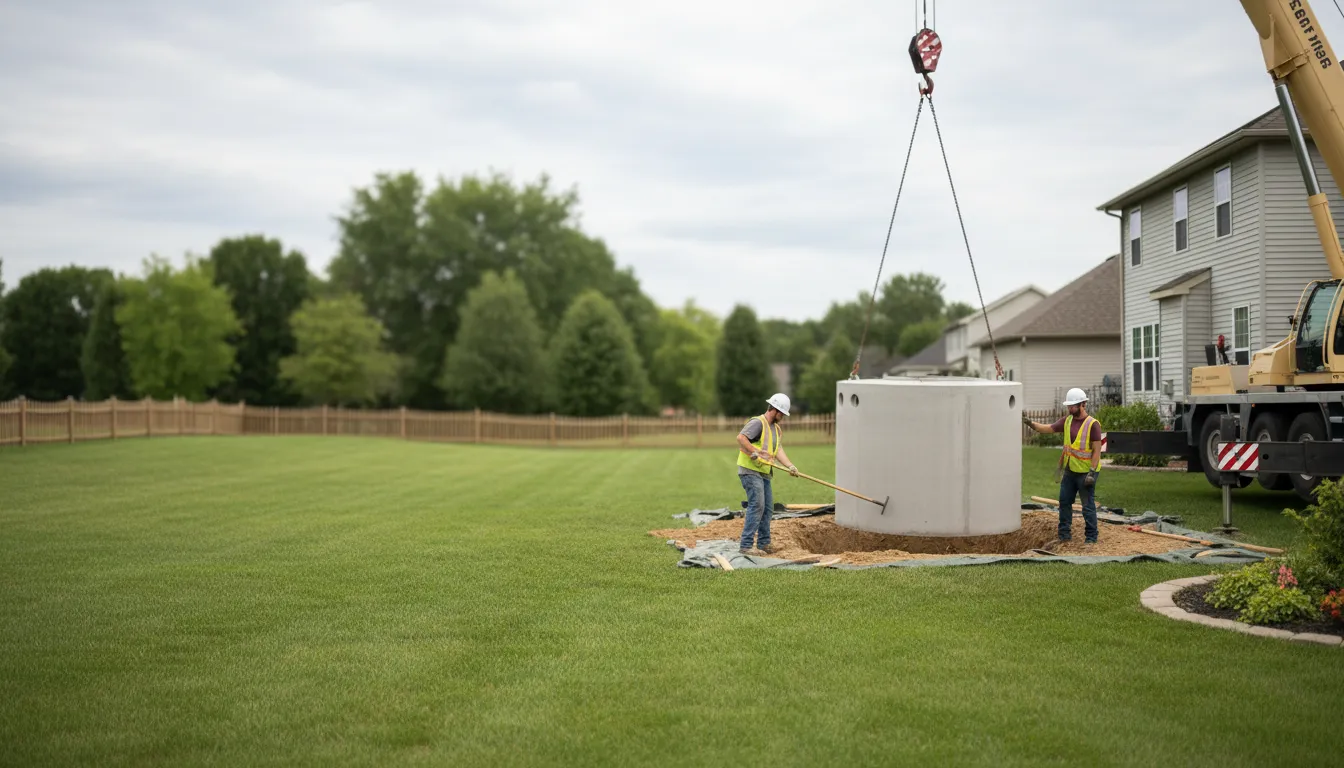
Installing or replacing a septic system is a significant project that ensures the safe and effective treatment of wastewater for your home. In Olympia, this process is governed by specific local and state regulations designed to protect public health and the sensitive environment of the Puget Sound region. Whether you're building a new home, replacing a failing system, or considering a connection to city sewer, understanding the steps, costs, and rules is crucial. This guide will help you navigate the process of finding qualified local installers and managing your septic project successfully.
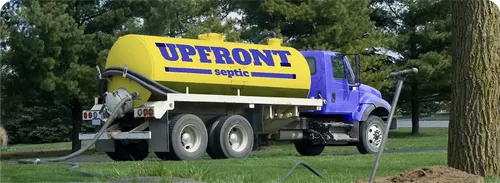
Upfront Septic & Plumbing
2367 Tacoma Ave S Suite 201, Tacoma, WA 98402
Upfront Septic & Plumbing is a septic service provider located in Tacoma, WA, serving King and Pierce County. They offer septic tank pumping, inspection, repair, and installation services for various septic systems including aerobic and anaerobic tanks made of concrete, metal, fiberglass, or plastic. The company also handles drain field repairs and provides emergency septic services available 24/7. Founded by a local resident, Upfront Septic & Plumbing emphasizes transparent pricing and straightforward service to address septic system needs efficiently.
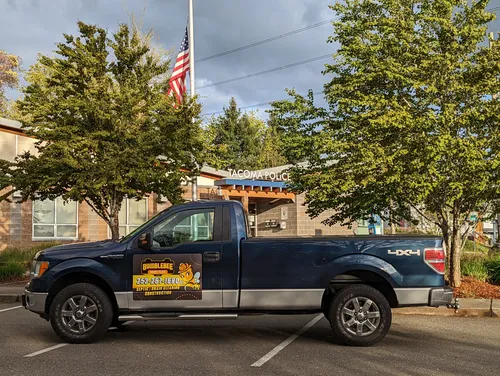
Bumblebee Services Inc.
9600 Canyon Rd E, Puyallup, WA 98371
Bumblebee Services Inc. is a septic and drain cleaning company based in Tacoma, WA. They provide a variety of septic services including pumping, inspections, repairs, installations, and troubleshooting. Their expertise includes hydro jetting to address blockages and clogs effectively. The company also offers site restoration services such as landscaping and grading to improve property appearance and safety. Bumblebee Services Inc. emphasizes a community-focused approach and maintains a small business atmosphere.
Alpha Bravo Septic And Drainage, Inc
Tacoma, WA 98405
Alpha Bravo Septic And Drainage, Inc is a septic tank and drainage service provider based in Tacoma, WA. They offer a range of services including septic tank pumping, inspection, repair, installation, and drain field repair or replacement. With nearly 15 years of experience, they handle residential and commercial septic and drainage systems, using specialized tools for inspections and repairs. Their capabilities include camera scoping, drain field jetting, and septic troubleshooting. Alpha Bravo serves a wide area including King and Pierce Counties, covering many local communities.
Understanding the Septic System Installation Process
A new septic system installation or a full system replacement is more than just digging a hole. It's a multi-stage process that begins with a thorough evaluation of your property and ends with final approval from the local health authority. The goal is to create an on-site wastewater treatment system that functions properly for decades without contaminating groundwater or surface water.
In Thurston County, which oversees permits for most areas outside Olympia city limits, the process is managed by Environmental Health staff. If your property is within the City of Olympia, you may fall under city jurisdiction, especially if public sewer is available. The first step is always to contact the appropriate permitting office to determine which rules apply to your specific address.
Step 1: The Critical Site Evaluation and Soil Test
Before any design work can begin, a licensed designer or environmental specialist must evaluate your property. The cornerstone of this evaluation is a soil log or percolation test. This test determines the soil's permeability-how quickly water drains through it. The results dictate everything: the type of system you can install (conventional drainfield, mound system, or advanced treatment unit), its size, and its exact location on your lot 1.
A poor soil percolation rate or a high water table can necessitate a more complex-and more expensive-alternative system. This initial site evaluation is non-negotiable; you cannot get a permit without an approved soil study.
Step 2: System Design and Permit Application
Once the site conditions are known, a detailed system design is created. This design must comply with all Washington State Department of Health (DOH) and local county or city regulations. The design package, along with the permit application, is submitted to the local health jurisdiction (Thurston County Environmental Health or the City of Olympia).
At this stage, you may receive a Conditional Site Approval (CSA). This document outlines all the conditions that must be met before the final installation permit is issued and construction can begin. It's your roadmap for the project 2.
Navigating Permits, Inspections, and New State Rules
Securing the necessary approvals is a key part of the septic installation journey. Permit fees in the region typically range from $150 to $500, but this is just the administrative cost before any physical work begins 3.
The Inspection Sequence
Inspections are mandatory checkpoints to ensure the installation matches the approved design. There are typically two critical inspections:
- Initial Site Inspection: Verifies the staking and layout before digging begins.
- Pre-Cover Inspection: This is the most important inspection. It must occur after the tank and drainfield are installed but before they are covered with soil. The inspector verifies the materials, placement, and construction quality. A system covered without this inspection may be ordered to be excavated for inspection, leading to significant extra costs and delays 4 5.
Only after a successful pre-cover inspection will final approval be granted.
Important 2025 Regulatory Updates
Washington State has implemented new rules effective April 1, 2025, that emphasize nutrient management, particularly nitrogen reduction, near sensitive waterways. These rules, found in WAC 272.246A, may affect properties in Olympia and Thurston County located near marine shorelines, lakes, or streams 6.
If your property is in a designated sensitive area, you may be required to install an improved treatment system that reduces nitrogen, and your system may be subject to more frequent operation and maintenance inspections. When consulting with designers and installers, it's essential to ask how these new regulations apply to your project 7.
Find the perfect septic tank installation & replacement contractors for your needs
Get personalized recommendations and expert advice
Cost Considerations for Septic Projects in Olympia
The total cost of a septic system project is highly variable and depends on three main factors: site conditions, system type, and local fees.
- Standard Residential System Installation: For a conventional gravity-fed system on a favorable site, costs often range from $5,000 to over $15,000. This includes the tank, drainfield, and installation labor 8.
- Complex or Alternative Systems: If your site requires a pressure-dosed mound system, sand filter, or advanced treatment unit (ATU) to meet the new nutrient reduction rules, costs can easily exceed $20,000 to $30,000.
- Septic to Sewer Conversion: If your Olympia property is within the city's utility service area, connecting to the public sewer may be required or advisable. The City of Olympia estimates connection fees (including a "Standard Connection Charge" and potential "Latecomer" fees) between $4,442 and $13,527 or more. In some cases, rebates or financial assistance may be available to offset the cost of abandoning your old septic system, which itself requires a permit (approximately $357) 9 10 11.
Choosing a Licensed Installer and Understanding Your Options
Washington State requires that septic systems be installed by a licensed installer. These professionals are trained in state and local codes and understand the inspection process. They will handle the coordination of inspections and ensure the work meets the approved design.
A noteworthy exception exists in some counties: homeowners may install their own conventional system if they obtain an owner-builder exemption and pay an additional fee. For example, Clallam County offers this option. It's critical to check with Thurston County Environmental Health or the City of Olympia to see if this is permitted in your area and to fully understand the liability and complexity involved.
When comparing local septic contractors, look for:
- A valid Washington State On-Site Sewage System Installer license.
- Extensive local experience, particularly with Thurston County and Olympia inspectors.
- Knowledge of the new 2025 state regulations.
- Clear communication about the process, timeline, and a detailed, written contract.
The Septic to Sewer Decision
For some Olympia residents, replacing a failing septic system isn't the only option. The City of Olympia actively manages a Septic to Sewer program to reduce nitrogen pollution in Puget Sound. If a public sewer main is available at your property line, you may be mandated to connect. Even if it's not mandatory, connecting can be a wise long-term investment, eliminating the need for future septic pump-outs, repairs, or replacements. The city provides a detailed checklist and can advise on the specific fees and process for your address.
Maintaining Your New System
A properly installed system is the first step. Protecting your investment requires regular maintenance. All septic systems need to be pumped every 3-5 years, depending on usage. Newer alternative systems with electrical components or pumps require more frequent servicing. Adhering to a maintenance schedule is not just good practice; it's often a condition of your system's permit, especially under the newer state rules. Keep all records of inspections, pumping, and repairs for future reference and for any potential property sale.
Frequently asked questions
Sources
Footnotes
-
Large On-site Sewage Systems (LOSS) - https://doh.wa.gov/community-and-environment/wastewater-management/loss-program ↩
-
Septic, Sewer, Water & Well Information & Regulations | Thurston County - https://www.thurstoncountywa.gov/departments/community-planning-and-economic-development/permitting/building-development-codes/septic-sewer-water-well-information-regulations ↩
-
Septic Tank - Understanding Septic Tank Permits and Regulations - https://westcoastsanitationinc.com/understanding-septic-tank-permits-and-regulations/ ↩
-
REPAIR PERMIT FOR A SEPTIC SYSTEM PROCEDURE ... - https://www.washingtoncountyor.gov/so/media/49126/download?inline ↩
-
Do-It-Yourself Septic System Inspection Field Guide - https://doh.wa.gov/sites/default/files/legacy/Documents/Pubs//337-122.pdf ↩
-
proposed rules - WASHINGTON STATE REGISTER - | WA.gov - https://lawfilesext.leg.wa.gov/law/wsr/2005/11/05-11-109.htm ↩
-
Navigating New Septic Regulations: Stay Compliant - Blog - https://danosseptic.com/blog/navigating-new-septic-regulations-stay-compliant/ ↩
-
Understanding Septic Tank Permits and Regulations - https://westcoastsanitationinc.com/understanding-septic-tank-permits-and-regulations/ ↩
-
Septic to Sewer - City of Olympia - https://www.olympiawa.gov/services/water_utilities/wastewater/septic_to_sewer.php ↩
-
Septic to Sewer - Revize - https://cms7files.revize.com/olympia/Document_center/Services/Water%20Resources/Wastewater/Septic%20to%20Sewer/STEP-Conversion-Checklist-NewProject-122024.pdf ↩
-
Septic System Permits | Clallam County, WA - https://www.clallamcountywa.gov/493/Septic-System-Permits ↩