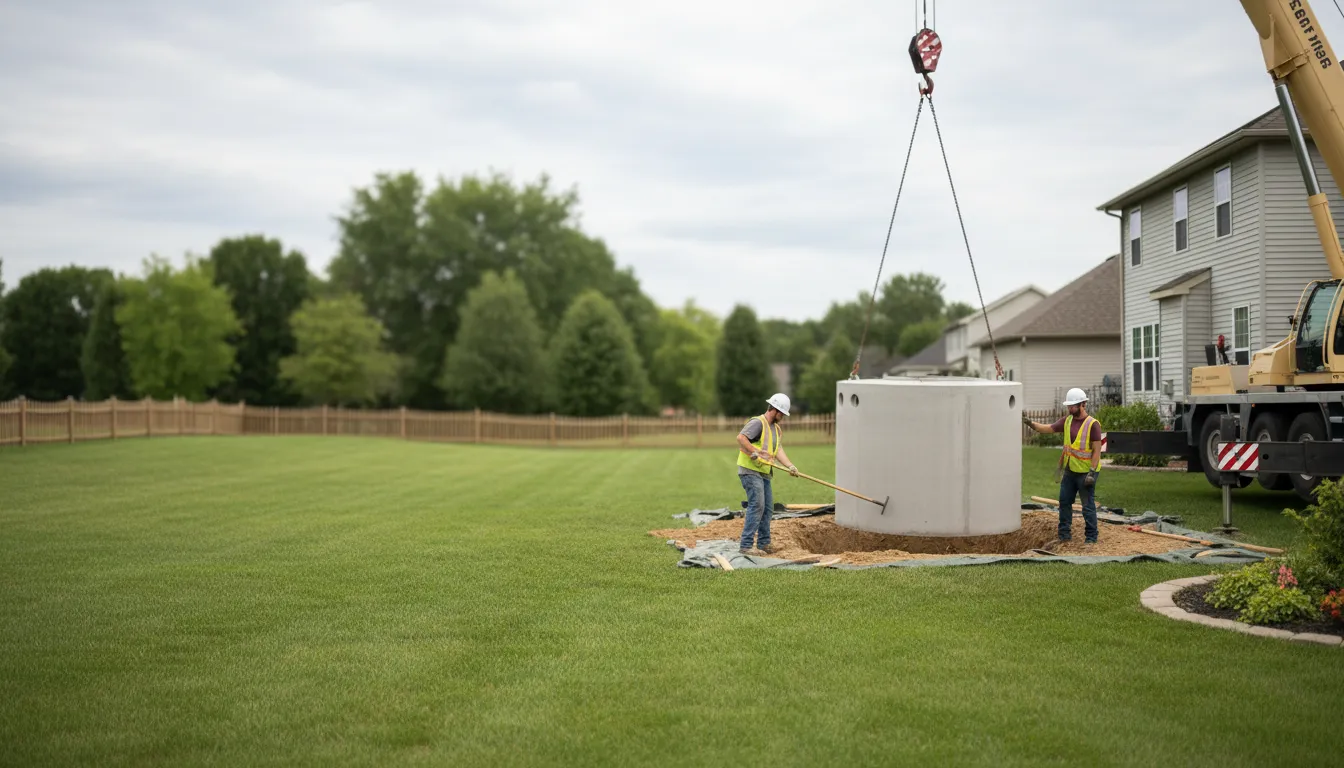
Find the Best Septic Tank Installation & Replacement Contractors for Your Business
No obligation • Fast responses • Nationwide coverage

Why you can trust Septic Spot
Septic Spot is a leading United States resource for understanding and comparing septic services. Our editors review providers using consistent criteria and verify key business details. Listings and scores are independent, and companies cannot pay to influence our content.
Search providers near you
Top Septic Tank Installation & Replacement Contractors in Redmond, Washington Ranked
Installing or replacing a septic system is a significant project that requires careful planning and adherence to strict local regulations. For homeowners in Redmond, this process is governed by King County and Washington State codes to protect public health and the environment. This guide explains the key steps, costs, and requirements for septic system work in Redmond, helping you understand what to expect and how to connect with qualified local professionals for your project.
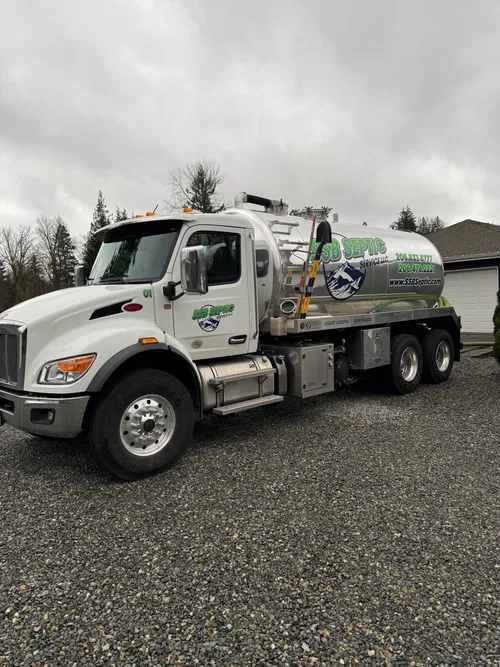
SSB Septic Services
Kent, WA
SSB Septic Services is a family-owned company serving Kent, WA, and the surrounding areas. They provide a range of septic services including tank pumping, system repair, and installation. With over a decade of experience, they focus on eco-friendly solutions and long-term customer satisfaction. The company offers 24/7 emergency response to handle urgent septic system issues promptly. Their expertise includes environmental compliance and sustainable septic system practices.
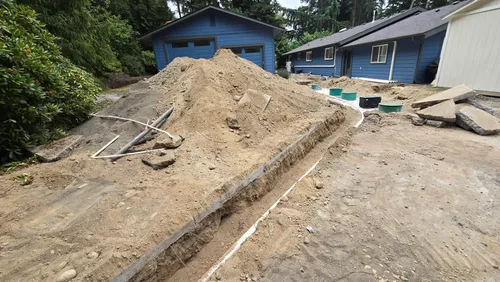
Lilly's Septic Service
26207 Maple Valley Black Diamond Rd SE Ste D1, Maple Valley, WA 98038
Lilly's Septic Service is a septic tank pumping, inspection, repair, and installation company based in Kent, WA. Serving King County and the Puget Sound region, they offer comprehensive septic system services including certified installations and thorough inspections. With over 48 years of experience, Lilly's Septic Service provides expertise in maintaining safe and efficient septic systems for both homes and businesses.
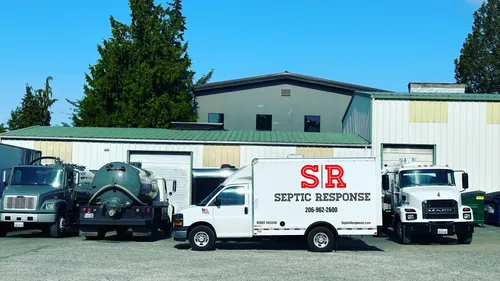
Septic Response
672 7th Ave, Kirkland, WA 98033
Septic Response is a septic tank service provider based in Seattle, WA, offering a wide range of services including septic tank pumping, inspection, repair, installation, and drain field replacement. They serve King County, Snohomish County, and Pierce County with expertise in maintaining both traditional and advanced septic systems. Their capabilities include inlet pipe cleaning using jetting technology and comprehensive septic system maintenance tailored to local soil and environmental conditions. The company emphasizes preventative maintenance and environmental compliance to extend system lifespan. Septic Response operates 24/7 to support urgent septic needs.
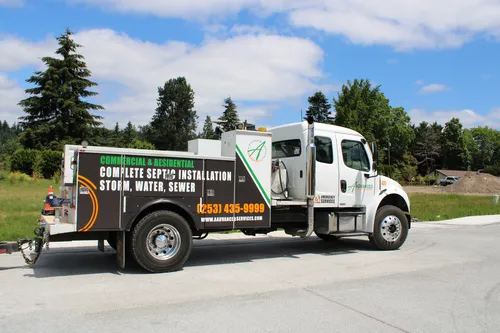
A Advanced Septic & Construction Services
1602 W Valley Hwy S, Auburn, WA 98001
A Advanced Septic & Construction Services is a family-owned business serving Tacoma, WA, and surrounding areas including Auburn, Puyallup, Bonney Lake, and Sumner. Established in 2006, they offer comprehensive septic services such as septic tank pumping, inspection, repair, installation, and drain field restoration. Their team also provides electrical and construction services related to septic systems. Known for handling emergency situations, they offer 24-hour emergency response to address urgent septic needs. The company combines modern equipment with experienced technicians to maintain and repair septic systems efficiently.
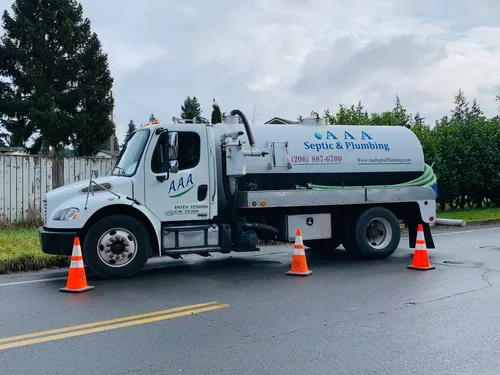
AAA Septic & Plumbing LLC.
32228 116th Ave SE, Auburn, WA 98092
AAA Septic & Plumbing LLC. is a family-owned business serving Tacoma, WA, and surrounding counties including King, Pierce, Snohomish, and Thurston. They provide a full range of septic services such as septic tank pumping, system installation and repair, drainfield repair, and sewer line services. The company is licensed and certified, offering specialized capabilities like septic pump control panel troubleshooting and sewer scope inspections. With years of trusted experience, AAA Septic & Plumbing LLC. operates with a commitment to customer satisfaction and offers 24-hour emergency response for septic and plumbing issues.
Understanding Septic System Basics in Redmond
A septic system is an on-site wastewater treatment system for properties not connected to a municipal sewer line. In Redmond, these systems are common in more rural or large-lot areas of the city. The system typically consists of a septic tank, which separates solids from liquids, and a drain field (or leach field), where the treated liquid effluent is dispersed into the soil. Proper installation is critical, as a failing system can contaminate groundwater, create health hazards, and lead to costly repairs and fines.
The Regulatory Landscape: King County and Washington State
All septic system installation and replacement work in Redmond falls under the jurisdiction of the King County Public Health Department's On-Site Sewage System program1. Washington State administrative code (WAC 246-272A) provides the overarching regulations. You cannot begin any excavation or construction for a new or replacement septic system without first obtaining the proper permit from the county.
A crucial first step is understanding that the design and installation must be performed by certified professionals. Washington State requires that a certified septic designer create the system plans, and the physical installation must be completed by a King County certified master installer. This ensures the work meets all technical and safety standards.
Step-by-Step: The Installation & Replacement Process
Navigating a septic project involves a series of defined steps. Skipping or misunderstanding any phase can lead to delays, failed inspections, and increased costs.
1. Site Evaluation and Soil Testing
Before any design can begin, a professional must evaluate your property. The most critical component is a soil log and percolation (perc) test. This test determines the soil's ability to absorb water, which directly dictates the size and type of drain field needed. An engineer or certified soil scientist typically performs this test by digging deep pits to assess soil layers, texture, and the seasonal high-water table depth. The results of this evaluation are the foundation of your system's design.
2. System Design and Plan Submission
Using the site evaluation data, a certified designer will create a detailed site plan and system design that complies with all local and state regulations. This plan includes the location of the tank, drain field, and any required setbacks from wells, property lines, and waterways. The designer then submits this plan, along with the permit application, to King County Public Health for review and approval.
3. Permit Acquisition
Once your design is approved, King County will issue a permit. It's important to note the permit's validity period: new construction permits are valid for 2 years, while repair or replacement permits are valid for 6 months. You must complete the installation and pass final inspection within this timeframe.
4. Installation by a Certified Master Installer
With permit in hand, a certified master installer can begin construction. This involves excavating for the septic tank and drain field trenches, placing the tank (which, by code, must have two compartments), and laying the distribution pipes. The installer must follow the approved plans exactly.
5. Mandatory Inspections
King County requires two key inspections during installation2 3:
- Pre-cover Inspection: Before the tank and drain field pipes are covered with soil, a county inspector must visit the site to verify they are installed correctly.
- Final Inspection: After installation is complete and the site is restored, the installer must submit "as-built" plans showing the actual installed system. A final inspection closes out the permit.
Find the perfect septic tank installation & replacement contractors for your needs
Get personalized recommendations and expert advice
Cost Factors for Septic Work in Redmond
The cost of septic system installation or replacement in Redmond varies widely based on system size, soil conditions, and site complexity. Prices are typically broken down as follows 4:
- Minor Repair: $500 - $2,000
- Simple Tank-Only Replacement: $7,000 - $15,000
- Full System Installation or Replacement: $15,000 - $30,000+
For conventional gravity-fed systems, costs often start in the $7,000 to $15,000 range5. However, if your site has poor soil, a high water table, or space constraints, you may need an alternative or advanced treatment system (like an aerobic treatment unit or pressure-dosed drain field). These systems involve more technology and engineering, pushing costs toward the $20,000 to $30,000+ range6. Always factor in costs for the site evaluation/soil test ($1,000-$2,500), design fees ($1,000-$3,000), and the county permit fee.
Types of Systems Used in Redmond
While conventional gravity systems are common, local soil conditions and evolving regulations mean other system types are frequently installed.
- Conventional Gravity System: The most basic type, relying on gravity to move effluent from the tank to the drain field. Suitable for properties with deep, permeable soil.
- Pressure-Dosed System: Uses a pump to distribute effluent evenly across the drain field. Ideal for sites with shallow soil, clay, or sloping terrain.
- Aerobic Treatment Unit (ATU): An advanced system that uses oxygen to break down waste more thoroughly, producing a higher-quality effluent. These may be required in nitrogen-sensitive areas or on lots with severe site limitations, especially under new regulations taking effect in 20257.
Maintenance and New Regulations
Installing a new system comes with long-term responsibilities. Washington State law requires routine operation and maintenance inspections for all systems8. The frequency (every 1 to 3 years) depends on the system type, with more complex systems requiring more frequent checks9. Keeping maintenance records is essential.
Be aware of regulatory changes. New rules are emphasizing the use of advanced treatment technologies in environmentally sensitive areas to reduce nitrogen pollution10. When planning a replacement, your designer will advise if your property falls under these new requirements, which can influence both the system type and cost.
Choosing a Provider for Your Project
Given the complexity and regulation involved, selecting the right team is paramount. Look for providers who are:
- King County Certified: Ensure they hold current certification as a master installer.
- Experienced with Local Soils: Redmond's soil conditions can be challenging; experience matters.
- Transparent with Communication: They should clearly explain the process, costs, and timeline.
- Comprehensive in Services: Many reputable companies offer full-service packages including design, permitting, installation, and ongoing maintenance.
Start by verifying a contractor's certification with King County Public Health. Ask for references from recent projects in the area and request detailed, written estimates that break down all costs-from soil testing to final inspection.
Frequently asked questions
Sources
Footnotes
-
On-site sewage/septic system program - King County, Washington - https://kingcounty.gov/en/dept/dph/health-safety/environmental-health/on-site-sewage-systems ↩
-
On-site sewage/septic repair or replacement - King County, Washington - https://kingcounty.gov/en/dept/dph/health-safety/environmental-health/on-site-sewage-systems/applications-permits/repair-replacement ↩
-
REPAIR PERMIT FOR A SEPTIC SYSTEM PROCEDURE ... - https://www.washingtoncountyor.gov/hhs/documents/repair-permit-pack/download?inline ↩
-
Septic System Design Process in Washington State - https://streepysepticdesign.com/blog/the-complete-septic-system-design-process-in-washington-state-what-you-need-to-know/ ↩
-
Septic Tank Installation: What to Expect - FloHawks - https://flohawks.com/septic-tank-installation/ ↩
-
Evaluation For a Conventional Septic System in Redmond, WA - https://freshncleanseptic.com/local-soil-and-site-evaluation-for-a-conventional-septic-system-in-redmond-wa/ ↩
-
WAC 246-272A-0232: - | WA.gov - https://app.leg.wa.gov/wac/default.aspx?cite=246-272A-0232 ↩
-
Washington State Septic Law - https://septicnow.com/washington-state-septic-law/ ↩
-
Do-It-Yourself Septic System Inspection Field Guide - https://doh.wa.gov/sites/default/files/legacy/Documents/Pubs//337-122.pdf ↩
-
Navigating New Septic Regulations: Stay Compliant - Blog - https://danosseptic.com/blog/navigating-new-septic-regulations-stay-compliant/ ↩