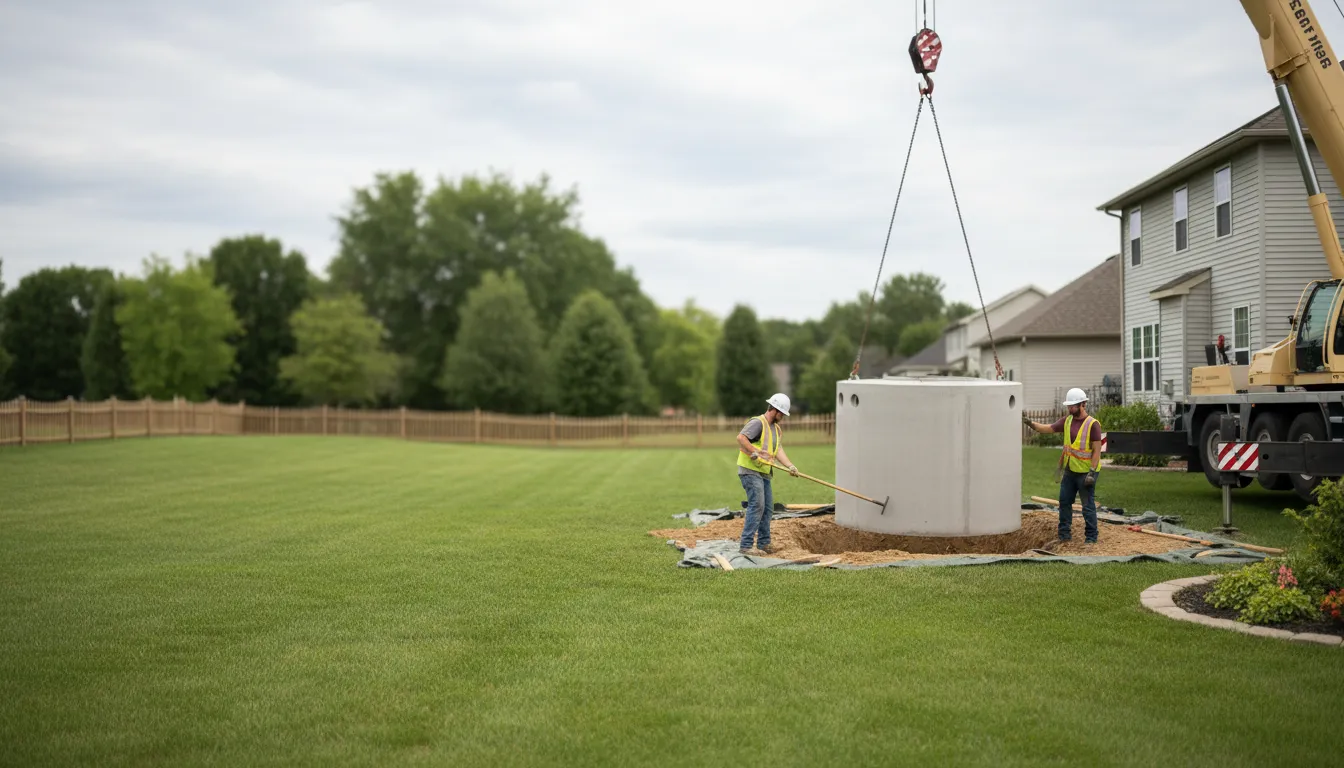
Find the Best Septic Tank Installation & Replacement Contractors for Your Business
No obligation • Fast responses • Nationwide coverage

Why you can trust Septic Spot
Septic Spot is a leading United States resource for understanding and comparing septic services. Our editors review providers using consistent criteria and verify key business details. Listings and scores are independent, and companies cannot pay to influence our content.
Search providers near you
Top Septic Tank Installation & Replacement Contractors in Sammamish, Washington Ranked
Installing or replacing a septic system is a significant investment in your property's infrastructure and environmental health. In Sammamish, this process is carefully regulated by Public Health - Seattle & King County (PHSKC) to protect local groundwater and public safety. Whether you're building a new home, replacing a failing system, or upgrading an existing one, understanding the local requirements is crucial. This guide outlines the key steps, costs, and regulations to help you navigate the process of finding qualified local professionals for your septic project.
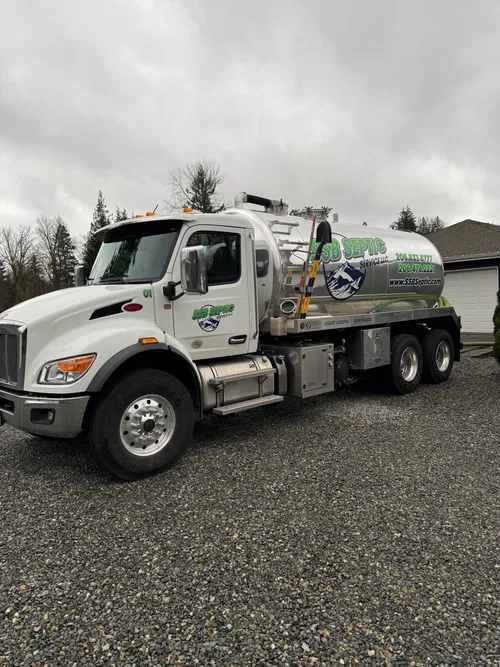
SSB Septic Services
Kent, WA
SSB Septic Services is a family-owned company serving Kent, WA, and the surrounding areas. They provide a range of septic services including tank pumping, system repair, and installation. With over a decade of experience, they focus on eco-friendly solutions and long-term customer satisfaction. The company offers 24/7 emergency response to handle urgent septic system issues promptly. Their expertise includes environmental compliance and sustainable septic system practices.
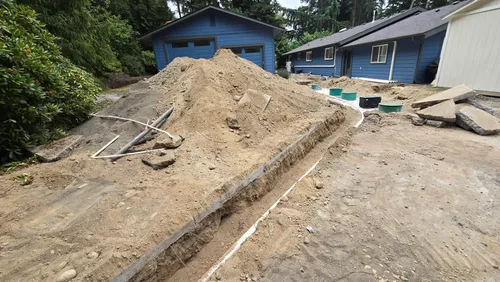
Lilly's Septic Service
26207 Maple Valley Black Diamond Rd SE Ste D1, Maple Valley, WA 98038
Lilly's Septic Service is a septic tank pumping, inspection, repair, and installation company based in Kent, WA. Serving King County and the Puget Sound region, they offer comprehensive septic system services including certified installations and thorough inspections. With over 48 years of experience, Lilly's Septic Service provides expertise in maintaining safe and efficient septic systems for both homes and businesses.
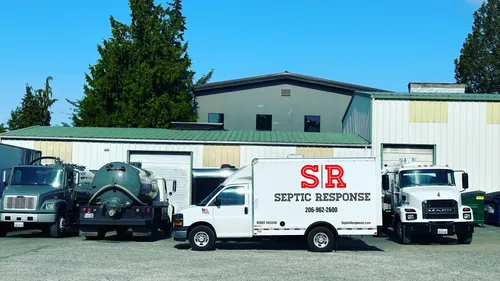
Septic Response
672 7th Ave, Kirkland, WA 98033
Septic Response is a septic tank service provider based in Seattle, WA, offering a wide range of services including septic tank pumping, inspection, repair, installation, and drain field replacement. They serve King County, Snohomish County, and Pierce County with expertise in maintaining both traditional and advanced septic systems. Their capabilities include inlet pipe cleaning using jetting technology and comprehensive septic system maintenance tailored to local soil and environmental conditions. The company emphasizes preventative maintenance and environmental compliance to extend system lifespan. Septic Response operates 24/7 to support urgent septic needs.
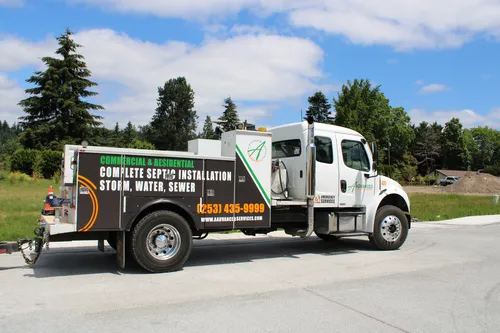
A Advanced Septic & Construction Services
1602 W Valley Hwy S, Auburn, WA 98001
A Advanced Septic & Construction Services is a family-owned business serving Tacoma, WA, and surrounding areas including Auburn, Puyallup, Bonney Lake, and Sumner. Established in 2006, they offer comprehensive septic services such as septic tank pumping, inspection, repair, installation, and drain field restoration. Their team also provides electrical and construction services related to septic systems. Known for handling emergency situations, they offer 24-hour emergency response to address urgent septic needs. The company combines modern equipment with experienced technicians to maintain and repair septic systems efficiently.
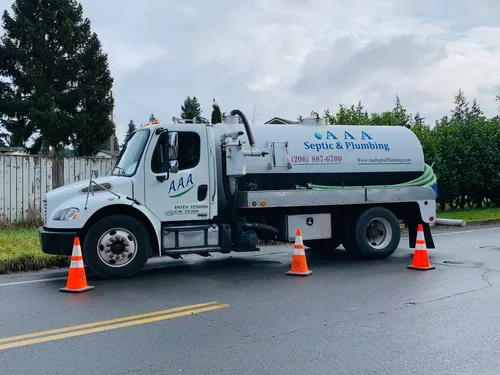
AAA Septic & Plumbing LLC.
32228 116th Ave SE, Auburn, WA 98092
AAA Septic & Plumbing LLC. is a family-owned business serving Tacoma, WA, and surrounding counties including King, Pierce, Snohomish, and Thurston. They provide a full range of septic services such as septic tank pumping, system installation and repair, drainfield repair, and sewer line services. The company is licensed and certified, offering specialized capabilities like septic pump control panel troubleshooting and sewer scope inspections. With years of trusted experience, AAA Septic & Plumbing LLC. operates with a commitment to customer satisfaction and offers 24-hour emergency response for septic and plumbing issues.
Understanding the Regulatory Landscape in King County
All septic system work in Sammamish falls under the jurisdiction of Public Health - Seattle & King County's On-Site Sewage System program. The county mandates a strict, multi-step permitting process to ensure every new or replacement system is designed and built to state and local standards. This oversight is vital in a region like Sammamish, where soil conditions and proximity to water bodies require careful wastewater management. You cannot simply hire an excavator to install a tank; the process is collaborative, involving you, a licensed designer, a certified installer, and county inspectors.
The Step-by-Step Process for Installation or Replacement
Navigating a septic project successfully means following the prescribed sequence. Skipping steps or failing to secure proper approvals can lead to costly delays, fines, or an improperly functioning system.
Step 1: Hire a Licensed Designer
Your first and most critical step is to hire a licensed septic system designer or a professional engineer 1. This professional is responsible for creating the official system design, known as the "site application." They will assess your property, factor in your household size, and create the plans submitted to the county for permit approval. The designer acts as your guide and agent throughout much of the permitting process.
Step 2: Site Evaluation and Soil Testing
Before a design can be finalized, a soils evaluation is required. Commonly called a "perc test," this analysis determines the soil's absorption rate and suitability for treating effluent 2 3. An Environmental Health Specialist from PHSKC will typically visit the site to evaluate conditions and approve the proposed location for the drain field. The results of this test directly influence the type of system you can install and its overall cost.
Step 3: Submit the Site Application for Permit
Your designer will compile the site plan, soil report, and system specifications into a formal site application for PHSKC review 4. This plan must detail the exact location of the septic tank, drain field, property lines, wells, and any water bodies. The county reviews this application to ensure it meets all health and environmental codes before issuing a construction permit.
Step 4: Installation by a Certified Professional
Once the permit is secured, installation can begin. King County law requires that the physical installation or replacement of the system be performed only by a state-certified installer 5. This certification ensures the contractor understands the technical specifications and construction standards necessary for a long-lasting, compliant system.
Step 5: Mandatory Inspections
The installation is subject to mandatory inspections at critical stages 6. First, a "stub-out" inspection is conducted by your designer to verify the proper connection from the house to the tank. The most important is the final inspection by a PHSKC inspector, which must occur before the system is backfilled with soil 7. Passing this inspection is required to close the permit.
Step 6: Final Documentation ("As-Built")
After the system passes inspection and is covered, your designer must provide you and the county with an "as-built" record drawing 8. This document shows the final, as-installed location of all system components, which is essential for future maintenance, repairs, or property sales.
Find the perfect septic tank installation & replacement contractors for your needs
Get personalized recommendations and expert advice
Cost Considerations for Septic Systems in Sammamish
The cost of a new septic system or a full replacement is highly variable and depends on your specific site conditions, the size of your home, and the type of system required.
- Standard Gravity Systems: For a suitable site with good soil, a conventional gravity-fed system is typically the most affordable option, with costs generally ranging from $15,000 to $30,000 or more 9 10.
- Pump or Alternative Systems: Many properties in the Sammamish area have challenging soils, slopes, or high groundwater. These sites often require more complex engineered systems, such as pressure distribution (pump) systems, sand filters, or aerobic treatment units (ATUs). These alternative systems are significantly more expensive, often ranging from $30,000 to $60,000+ 11 12.
- Cost Factors: The final price is influenced by the cost of the soils report and design, permit fees, excavation complexity, tank material (concrete vs. plastic), the size and type of drain field, and the required inspections.
It's essential to get detailed estimates from several licensed designers and certified installers. The lowest bid may not account for all site challenges, so choose a provider with strong local experience and references.
Types of Septic Systems You Might Encounter
While the gravity system is common, local soil conditions often necessitate other designs. Your licensed designer will recommend the best system type based on the soils evaluation.
- Conventional Gravity System: Wastewater flows by gravity from the home to the tank, then out to a subsurface drain field. This is the standard where soil depth and permeability allow.
- Pressure Distribution System: A pump tank and dosing pump are added to evenly distribute effluent throughout the drain field lines. This is used when the site has minimal slope or less-than-ideal soil.
- Sand Filter or ATU (Aerobic Treatment Unit): These are advanced treatment systems that provide a higher level of wastewater treatment before it reaches the drain field. They are required for sites with very poor soil, shallow bedrock, or proximity to sensitive waterways.
Ongoing Maintenance and Inspection Requirements
A new system is not a "set it and forget it" investment. To protect your investment and comply with county regulations, ongoing maintenance is mandatory. King County requires routine inspections of all septic systems, with the frequency depending on the system type 13 14. Many newer and alternative systems require professional inspection as often as every year, and a first inspection is often required just six months after installation 13. Regular pumping of the septic tank (typically every 3-5 years) is also critical to prevent solids from clogging the drain field.
Choosing the Right Local Professionals
Your project's success hinges on the team you hire. Look for:
- Licensed Designers: Verify their license is current with the Washington State Department of Labor & Industries.
- Certified Installers: Confirm their installer certification is valid with the state.
- Local Experience: Choose firms familiar with Sammamish and King County's specific inspectors and processes.
- Good Communication: Your designer and installer should clearly explain each step of the process, costs, and timelines.
- References: Ask for and contact references from recent, similar projects in the area.
Frequently asked questions
Sources
Footnotes
-
Septic, Sewer, Water & Well Information & Regulations - https://www.thurstoncountywa.gov/departments/community-planning-and-economic-development/permitting/building-development-codes/septic-sewer-water-well-information-regulations ↩
-
Septic System Permits | Clallam County, WA - https://www.clallamcountywa.gov/493/Septic-System-Permits ↩
-
Septic Permitting & Installation Detailed Guide - https://snohd.org/DocumentCenter/View/13382/Septic-Permitting-Installation-Guide ↩
-
Septic Permit Steps | Snohomish County Health Department, WA - https://www.snohd.org/676/Septic-Permit-Process-Steps ↩
-
On-site sewage/septic system program - King County - https://kingcounty.gov/en/dept/dph/health-safety/environmental-health/on-site-sewage-systems ↩
-
Installation of a Septic System A-Z - https://www.toddcompanies.com/post/installation-of-a-septic-system-a-z ↩
-
Onsite Wastewater Treatment System Guidance Manual - https://emd.saccounty.gov/EC/Documents/OWTSMANUAL.pdf ↩
-
Permitting - https://www.islandcountywa.gov/673/Permitting ↩
-
How Much Does a Septic System & Septic Tank Cost - https://www.nexgenseptics.com/septic-system-cost/ ↩
-
How Much Does a Septic System & Septic Tank Cost - https://www.nexgenseptics.com/septic-system-cost/ ↩
-
On-site sewage/septic repair or replacement - King County - https://kingcounty.gov/en/dept/dph/health-safety/environmental-health/on-site-sewage-systems/applications-permits/repair-replacement ↩
-
How to Get an Accurate Septic System Cost Estimate - Land Perc - https://landperc.com/septic-system-cost-estimate/ ↩
-
Do-It-Yourself Septic System Inspection Field Guide - https://doh.wa.gov/sites/default/files/legacy/Documents/Pubs//337-122.pdf ↩ ↩2
-
Maintaining Your Septic System - https://www.snohd.org/682/Maintaining-Your-Septic-System ↩