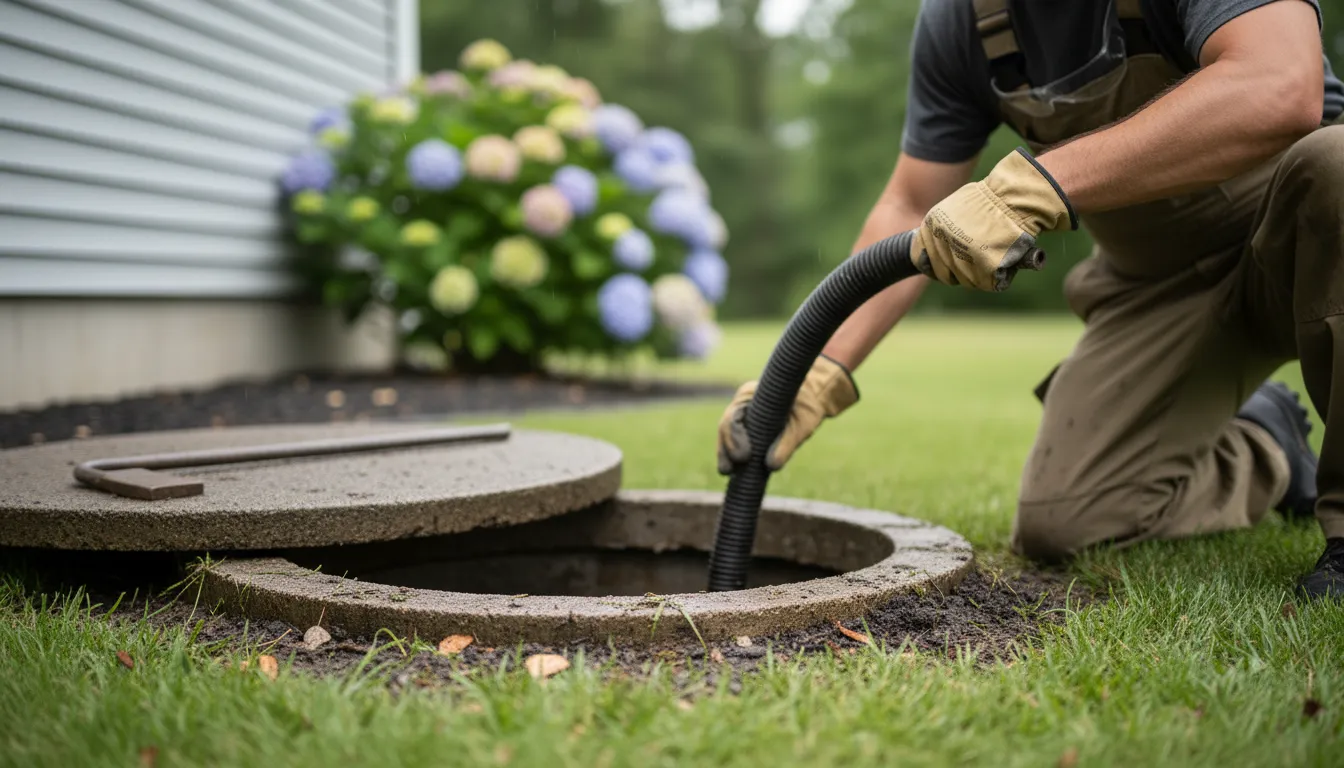
Find the Best Septic Tank Pumping Contractors for Your Business
No obligation • Fast responses • Nationwide coverage

Why you can trust Septic Spot
Septic Spot is a leading United States resource for understanding and comparing septic services. Our editors review providers using consistent criteria and verify key business details. Listings and scores are independent, and companies cannot pay to influence our content.
Search providers near you
Top Septic Tank Pumping Contractors in Aurora, Colorado Ranked
Maintaining your septic system is a crucial responsibility for homeowners in Aurora. Septic tank pumping is the essential process of removing accumulated solids from your tank to prevent system failure, backups, and environmental contamination. This service matters because a well-maintained system protects your property value, your family's health, and local groundwater. The information here can help you understand local requirements, typical costs, and how to find qualified, certified professionals for your septic service needs.
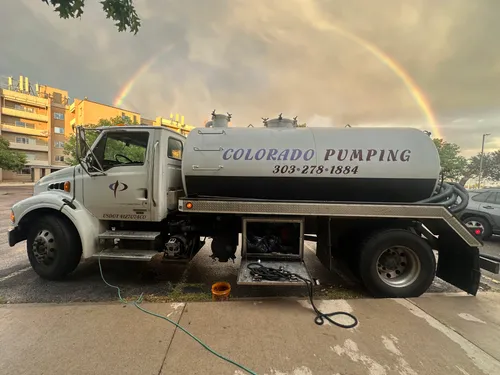
Colorado Pumping
Denver, CO
Colorado Pumping is a septic tank pumping company based in Denver, CO, providing wastewater management services across the region. They offer grease trap pumping for commercial kitchens and septic tank pumping for rural homeowners, serving areas including Arvada, Aurora, Centennial, Golden, Lakewood, Littleton, Thornton, Wheat Ridge, and Westminster. Their services help maintain efficient wastewater systems and prevent blockages, supporting both commercial and residential clients in Colorado.
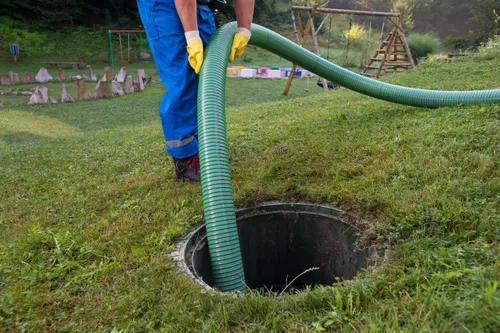
Black Diamond Pumping
14037 Co Rd 8, Fort Lupton, CO 80621
Black Diamond Pumping is a family-owned septic service company based in Fort Lupton, Colorado, serving Denver and the surrounding Northern Colorado areas including Adams, Weld, and Boulder counties. They provide a full range of septic system services such as pumping, inspections, repairs, and installations for both residential and commercial properties. With over 20 years of experience, the company is licensed and insured, equipped to handle septic tanks of all sizes, and emphasizes routine maintenance to ensure proper system function and safety.
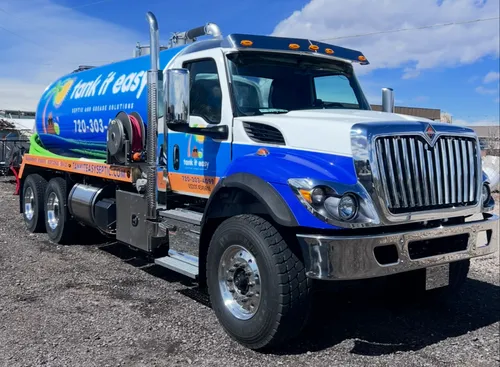
Tank It Easy Elizabeth
Centennial, CO
Tank It Easy Elizabeth is a septic tank pumping company based in Centennial, CO. They provide septic tank pumping services and handle debris removal when necessary, including flushable wipes and grease buildup. The company manages service access challenges, such as hose extension for tanks located over 100 feet from the truck, which may require additional equipment and time.
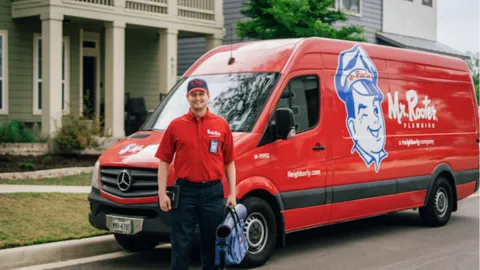
Mr. Rooter Plumbing of Denver
1600 Federal Blvd Ste B, Denver, CO 80204
Mr. Rooter Plumbing of Denver provides septic tank pumping and a wide range of plumbing services in Denver, CO. Their licensed plumbers use advanced technology such as trenchless pipe replacement and leak detection to address plumbing issues efficiently. The company serves both residential and commercial clients, offering solutions including drain cleaning, sewer line repair, and emergency plumbing. Mr. Rooter Plumbing emphasizes clear communication and upfront pricing to keep customers informed throughout the process. They also follow safety protocols to manage risks associated with plumbing work and protect customers' homes during service.
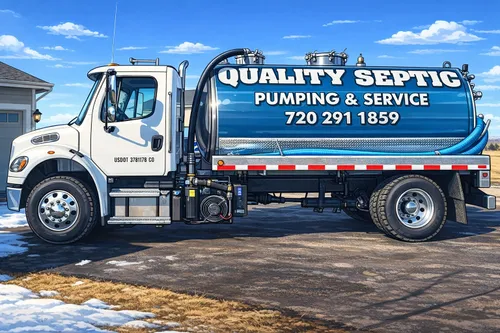
Quality Septic Pumping and Service
Denver, CO
Quality Septic Pumping and Service is a family-owned septic tank pumping company based in Denver, CO. The business focuses on serving the local community by providing septic pumping services while supporting the local economy through its owner-operated model. By choosing this company, customers contribute to keeping money within the community and supporting local jobs.
Understanding Your Septic System and Why Pumping is Critical
A septic system is an on-site wastewater treatment structure, typically consisting of a tank and a drainfield. When wastewater from your home enters the tank, solids settle to the bottom as sludge, and fats and oils float to the top as scum. The liquid effluent in the middle flows out to the drainfield. Over time, the sludge and scum layers build up. If they aren't removed via regular septic tank cleaning, they can overflow into the drainfield, causing clogs, sewage backups into your home, and costly repairs. Regular maintenance, including septic system pumping, is the most effective way to avoid these problems.
How Often Should You Pump Your Septic Tank in Aurora?
The general rule for most households is to schedule septic tank pumping every 3 to 5 years. However, this is a guideline, and the exact frequency for your home depends on several factors.
Local Regulations: In Aurora, properties fall under the jurisdiction of Arapahoe County Public Health, which has specific requirements. The county mandates that septic tanks be inspected every 4 years 1. During these inspections, a professional measures the scum and sludge layers. Local health guidelines require pumping to occur when the combined scum and sludge exceeds 25% of the tank's liquid volume 2. Therefore, while the 3-5 year guideline is common, the mandatory 4-year inspection often determines the actual pumping schedule.
Household Factors: Your specific usage patterns significantly impact how quickly your tank fills. A household with more residents, frequent use of a garbage disposal, or a smaller tank will generate waste more quickly and likely require more frequent pumping, potentially every 1-2 years. Conversely, a smaller household with conservative water use may extend the interval toward the 5-year mark.
Property Transfers: If you are selling your home, a septic system inspection is typically required to ensure the system is in good, functioning condition. This inspection will almost certainly lead to a pumping recommendation if it hasn't been done recently, making it a non-negotiable part of the real estate transaction process.
What to Expect During a Professional Pumping and Inspection
All septic tank pumping and inspections in Colorado must be performed by a licensed septic service provider certified by the state or local health department. Hiring a certified professional ensures the work is done correctly, safely, and in compliance with regulations.
The Pumping Process: A service technician will locate and uncover your tank's access lids. Using a large vacuum truck, they will remove all the contents-sludge, scum, and liquid-from the tank. They will then properly dispose of the waste at a licensed treatment facility. A thorough pumping should leave the tank empty and ready for years of continued use.
The Inspection Component: A proper service visit involves more than just pumping. A professional inspector should:
- Check Scum/Sludge Levels: Measure the depth of both layers to determine if pumping is necessary and to establish a baseline for your next service.
- Inspect Tank Integrity: Verify that the tank structure is sound, with no cracks or leaks, and that the inlet and outlet baffles (or tees) are intact to prevent solids from escaping into the drainfield 3.
- Assess the Drainfield: Look for signs of failure in the absorption field, such as soggy ground, foul odors, or unusually lush grass growth 4.
- Clean Effluent Filters: If your system is equipped with an effluent filter (which prevents small particles from leaving the tank), it should be checked and cleaned every 6 months to a year to prevent clogs 5.
Cost of Septic Tank Pumping in Aurora
The price for septic tank service varies based primarily on tank size and the scope of work. Typical costs in the Aurora area are:
- Small to Medium Tanks (under 1,500 gallons): Pumping typically costs between $250 and $400.
- Large Tanks (1,500 gallons and above): Pumping for larger systems usually ranges from $400 to $500 or more 6.
Inspection fees are often bundled with the pumping service. However, if an inspection is performed separately, there may be an additional fee. Furthermore, some local jurisdictions require a nominal filing fee for the official inspection report to be submitted to the health department, which can be around $75 in some areas 7. It's always best to ask for a detailed quote that outlines all potential costs before scheduling service.
Find the perfect septic tank pumping contractors for your needs
Get personalized recommendations and expert advice
Proactive Maintenance Tips for Aurora Homeowners
Beyond scheduling regular pumping, you can take several steps to extend the life of your septic system and avoid emergencies.
Conserve Water: Excessive water use is a leading cause of system failure. Spread out laundry loads over the week, fix leaky faucets promptly, and consider installing high-efficiency fixtures. Avoid long, back-to-back showers that flood the tank 8.
Mind What Goes Down the Drain: Your septic system contains living bacteria that break down waste. Avoid flushing or draining chemicals, paints, grease, coffee grounds, diapers, wipes (even "flushable" ones), and other non-biodegradable items, as they can kill the bacteria or clog the system.
Protect Your Drainfield: The drainfield is a vital component where treated effluent is absorbed into the soil. Never drive, park, or build heavy structures on top of it. Compaction from vehicles can crush pipes and ruin the soil's ability to absorb water. Also, direct rainwater drainage systems away from the drainfield area to prevent saturation.
Keep Detailed Records: Maintain a file with all receipts for pumping, inspections, and repairs. This log is invaluable for tracking your maintenance schedule and is absolutely essential documentation when you decide to sell your property 9.
Signs Your Septic Tank Needs Immediate Attention
Don't wait for your scheduled maintenance if you notice any of these warning signs:
- Slow Drains: Sinks, showers, and toilets that drain slowly throughout the house.
- Sewage Backups: Wastewater coming back up into household drains.
- Bad Odors: Unpleasant sewage smells inside your home or around the tank/drainfield area.
- Lush, Wet Patches: Exceptionally green, soggy, or spongy grass over the drainfield, especially when the rest of the yard is dry.
- Gurgling Sounds: Strange noises coming from your plumbing.
If you observe any of these issues, contact a certified septic professional immediately to assess the situation before it leads to a complete system failure.
Frequently asked questions
Sources
Footnotes
-
Septic Systems - Arapahoe County - https://www.arapahoeco.gov/your_county/county_departments/public_health_department/health_protection___response/environmental_health/water/septic_systems/index.php ↩
-
Douglas County Well & Septic Maintenance Essentials - https://dstreetbrokers.com/blog/well-and-septic-maintenance-basics-in-rural-douglas-county ↩
-
Colorado Septic Tank Requirements | On-site Wastewater Treatment ... - https://www.ntotank.com/blog/colorado-septic-tank-requirements ↩
-
Homeowner Resources - https://www.cpow.net/resources/homeowner-resources/ ↩
-
Septic Pumping & Inspections - https://douglascountyseptic.com/douglas-county-septic-systems/septic-pumping/ ↩
-
Cost to Pump Septic Tank: Tips to Save on Cleaning Fees - https://ivanssiteservices.com/blog/cost-to-pump-septic-tank-what-to-expect-and-how-to-save/ ↩
-
Septic Tanks Requirements for Property Sales - https://www.coinspection.com/colorado-inspection-services/maintenance-resources/septic-systems/septic-tanks-requirements-for-property-sales/ ↩
-
Operations & Maintenance Permitting - https://www.jeffco.us/2389/Operations-Maintenance-Permitting ↩
-
How often to pump septic tank family of 2 - https://dillonseptic.com/how-often-to-pump-septic-tank-family-of-2/ ↩