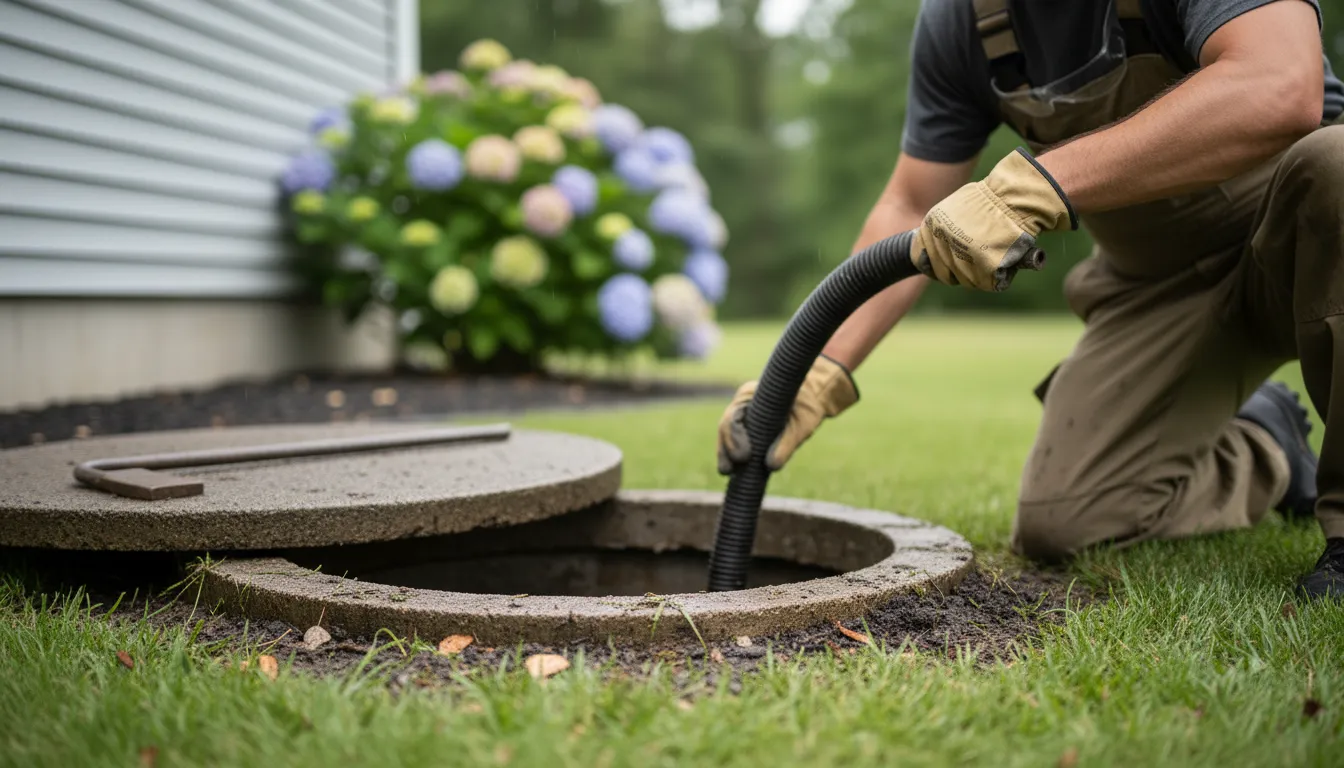
Find the Best Septic Tank Pumping Contractors for Your Business
No obligation • Fast responses • Nationwide coverage

Why you can trust Septic Spot
Septic Spot is a leading United States resource for understanding and comparing septic services. Our editors review providers using consistent criteria and verify key business details. Listings and scores are independent, and companies cannot pay to influence our content.
Search providers near you
Top Septic Tank Pumping Contractors in Broomfield, Colorado Ranked
Maintaining your septic system is a crucial responsibility for any Broomfield homeowner not connected to the municipal sewer. Regular septic tank pumping is the most important preventative maintenance task you can perform to avoid messy, costly, and environmentally damaging system failures. This guide explains the local requirements, costs, and best practices for septic system maintenance, helping you find qualified local professionals to keep your system functioning smoothly for years to come.
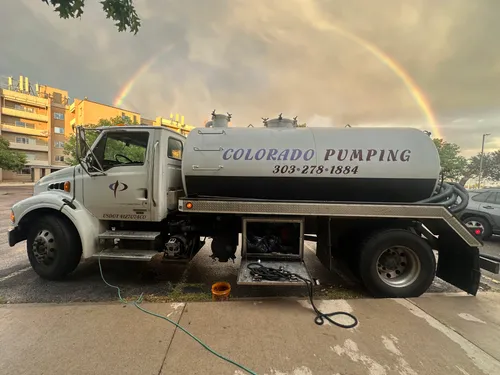
Colorado Pumping
Denver, CO
Colorado Pumping is a septic tank pumping company based in Denver, CO, providing wastewater management services across the region. They offer grease trap pumping for commercial kitchens and septic tank pumping for rural homeowners, serving areas including Arvada, Aurora, Centennial, Golden, Lakewood, Littleton, Thornton, Wheat Ridge, and Westminster. Their services help maintain efficient wastewater systems and prevent blockages, supporting both commercial and residential clients in Colorado.
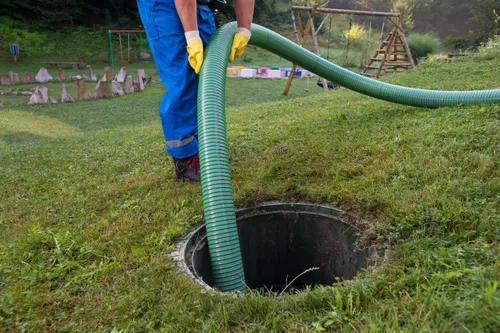
Black Diamond Pumping
14037 Co Rd 8, Fort Lupton, CO 80621
Black Diamond Pumping is a family-owned septic service company based in Fort Lupton, Colorado, serving Denver and the surrounding Northern Colorado areas including Adams, Weld, and Boulder counties. They provide a full range of septic system services such as pumping, inspections, repairs, and installations for both residential and commercial properties. With over 20 years of experience, the company is licensed and insured, equipped to handle septic tanks of all sizes, and emphasizes routine maintenance to ensure proper system function and safety.
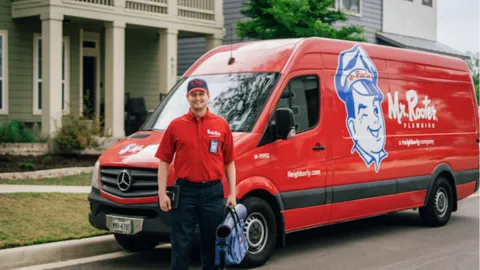
Mr. Rooter Plumbing of Denver
1600 Federal Blvd Ste B, Denver, CO 80204
Mr. Rooter Plumbing of Denver provides septic tank pumping and a wide range of plumbing services in Denver, CO. Their licensed plumbers use advanced technology such as trenchless pipe replacement and leak detection to address plumbing issues efficiently. The company serves both residential and commercial clients, offering solutions including drain cleaning, sewer line repair, and emergency plumbing. Mr. Rooter Plumbing emphasizes clear communication and upfront pricing to keep customers informed throughout the process. They also follow safety protocols to manage risks associated with plumbing work and protect customers' homes during service.

The Drain Check | A drain, sewer, septic and portable restroom company.
163 4th Ave, Longmont, CO 80501
The Drain Check is a septic tank pumping and inspection company serving Denver, CO, and the Front Range area. They offer a range of services including septic pumping, septic inspections, sewer line camera inspections, hydro jetting, and sewer line repairs. The company uses camera technology to identify sewer line issues and can locate pipe damage to assist with efficient repairs. They recommend annual sewer line inspections and cleanings to prevent costly backups and damage caused by tree roots or other blockages.
Colorado Septic
80 Big Springs Dr #304, Nederland, CO 80466
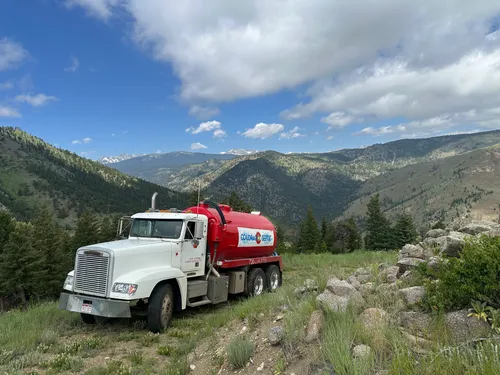
Colorado Septic is a septic tank pumping, inspection, and repair company serving Denver, CO. They provide comprehensive onsite wastewater treatment system services, including pumping, cleaning, inspecting, and repairing septic tanks and drain fields. Their capabilities include using sewer cameras to locate blockages and employing hydro-jetting and drain rooter machines to clear obstructions. Colorado Septic focuses on identifying problems early to prevent further damage and ensure timely service completion.
Understanding Your Septic System and Why Pumping is Essential
A septic system, or Onsite Wastewater Treatment System (OWTS), is a self-contained wastewater treatment plant for your home. Solids settle in the tank, where bacteria begin to break them down, while the liquid effluent flows out to the drain field for further soil-based treatment. Over time, however, solids (sludge and scum) accumulate faster than they decompose. If not removed via regular septic tank cleaning, these solids can flow into and clog the drain field, leading to system backup, surfacing sewage, and permanent damage requiring a full replacement-a project costing tens of thousands of dollars. Pumping is the process of removing these accumulated solids to restore the tank's capacity and protect the entire system.
Broomfield and Colorado Septic Pumping Regulations
The City and County of Broomfield, following guidelines from the Colorado Department of Public Health and Environment (CDPHE), has specific rules for septic system maintenance1 2. For most residential systems, the tank must be pumped and inspected by a licensed professional at least every four years1. This inspection is not just a formality; it must verify tank integrity, baffle condition, and ensure the drain field is functioning properly. Licensed providers are also required to document the proper disposal of all pumped waste at a licensed facility, providing you with a record for your files and for any potential real estate transactions3.
While the local rule sets a four-year maximum interval, the U.S. Environmental Protection Agency (EPA) and most experts recommend a more frequent septic service schedule of every three to five years for the average household4. Adhering to this proactive schedule is the best way to ensure compliance and avoid the risk of system failure.
Determining Your Optimal Pumping Schedule
The standard 3-5 year recommendation is a starting point. Several household-specific factors can necessitate more frequent septic tank emptying:
- Household Size: More people generate more wastewater and solid waste, filling the tank faster.
- Total Wastewater Generated: High water usage from frequent laundry, long showers, or garbage disposals accelerates sludge buildup.
- Tank Size: Older homes may have smaller tanks (e.g., 750-1,000 gallons) that require more frequent pumping than modern 1,500-gallon systems.
- Garbage Disposal Use: Disposals significantly increase the amount of solids entering the tank.
- Volume of Solids: The type of waste matters. Avoid flushing non-biodegradable items like wipes, dental floss, or feminine hygiene products.
For larger families or homes with high water usage, annual or biennial pumping may be necessary. A qualified inspector can assess your tank's sludge and scum levels during a service visit and recommend a personalized schedule.
What to Expect: The Septic Pumping Process
A standard septic pumping service involves several key steps performed by a licensed technician:
- Locating and Uncovering: The technician will locate your tank's access lids (manholes) and excavate any soil covering them.
- Initial Inspection: Before pumping, they may check the sludge and scum depth to assess the tank's condition.
- Pumping: Using a large vacuum truck, all liquid and solid waste is pumped out of the tank.
- Tank Inspection: With the tank empty, the technician inspects the interior for cracks, the condition of inlet/outlet baffles or tees, and any signs of damage.
- System Flush & Final Check: They may flush the system from the house to ensure proper flow and check the drain field for signs of failure.
- Documentation: You will receive a service report detailing the work performed, the condition of your system, and the waste disposal documentation.
This is also the ideal time to discuss any concerns, such as slow drains or odors, with your service provider.
Find the perfect septic tank pumping contractors for your needs
Get personalized recommendations and expert advice
Cost of Septic Tank Pumping in Broomfield
The price for septic tank pumping can vary based on several factors. On average, homeowners can expect to pay between $290 and $700 for a standard service, with a national average around $423 5.
- Tank Size: This is the primary cost driver. Pumping a standard 1,000-gallon tank typically ranges from $325 to $700, while a larger 1,500-gallon tank may cost $450 to $1,1006.
- Tank Condition & Access: If the tank hasn't been pumped in many years, excessive sludge may require more time and labor. Difficult access or the need for significant digging can also increase the price.
- Emergency or After-Hours Service: A backup requiring immediate attention on a weekend or holiday can add $100 to $500 or more to the standard rate7.
- Additional Services: Costs will be higher if the service includes a detailed inspection with a camera, drain field evaluation, or minor repairs.
While cost is a consideration, choosing a licensed, insured, and reputable provider is paramount. The lowest price may not include a thorough inspection or proper waste disposal documentation, which are required by Broomfield regulations.
Protecting Your Drain Field: The Other Half of the System
Pumping the tank protects the drain field, but you must also protect it from surface damage. Never drive or park vehicles, build structures, or plant trees with deep roots over the drain field. Ensure roof drains, sump pumps, and other surface water are directed away from the area to prevent saturation. Using water efficiently and spreading out laundry loads throughout the week also reduces the hydraulic load on the field, extending its life.
Signs Your Septic Tank Needs Immediate Attention
Don't wait for a full-blown emergency. Contact a septic service professional if you notice:
- Slow-draining sinks, tubs, or toilets.
- Gurgling sounds in your plumbing.
- Sewage odors around the house or yard, especially near the tank or drain field.
- Standing water or overly lush, green grass over the drain field.
- Sewage backing up into household drains.
Addressing these signs quickly can often prevent a minor issue from becoming a major disaster.
Maintaining a Healthy System Between Pumpings
Good daily habits reduce strain on your system:
- Conserve water by fixing leaks and installing high-efficiency fixtures.
- Avoid flushing anything besides human waste and toilet paper.
- Limit use of garbage disposals.
- Do not pour grease, oil, chemicals, paints, or medications down the drain.
- Keep accurate records of all pumping, inspections, and repairs.
Frequently asked questions
Sources
Footnotes
-
On-site Wastewater Treatment System and Septic System ... - https://broomfield.org/847/Septic-Systems ↩ ↩2
-
Clean water: On-site wastewater treatment systems - https://cdphe.colorado.gov/OWTS ↩
-
Mayor and City Council From - Broomfield.org - https://www.broomfield.org/DocumentCenter/View/26706/2018-Memo-and-Proposed-On-site-Wastewater-Treatment-Regulations ↩
-
Frequent Questions on Septic Systems | US EPA - https://www.epa.gov/septic/frequent-questions-septic-systems ↩
-
How Much Does It Cost to Pump a Septic Tank? [2026 Data] | Angi - https://www.angi.com/articles/how-much-does-septic-tank-pumping-cost.htm ↩
-
Septic Tank Pumping Cost: Guide & Pricing in 2025 - Splash Plumbing - https://www.splashplumbing.com/how-much-does-it-cost-to-pump-septic-tank-understanding-pricing-and-factors-involved/ ↩
-
Septic Pumping Cost by State: 2024 Complete Price Guide - https://wastedoor.com/article/septic-pumping-cost-by-state ↩