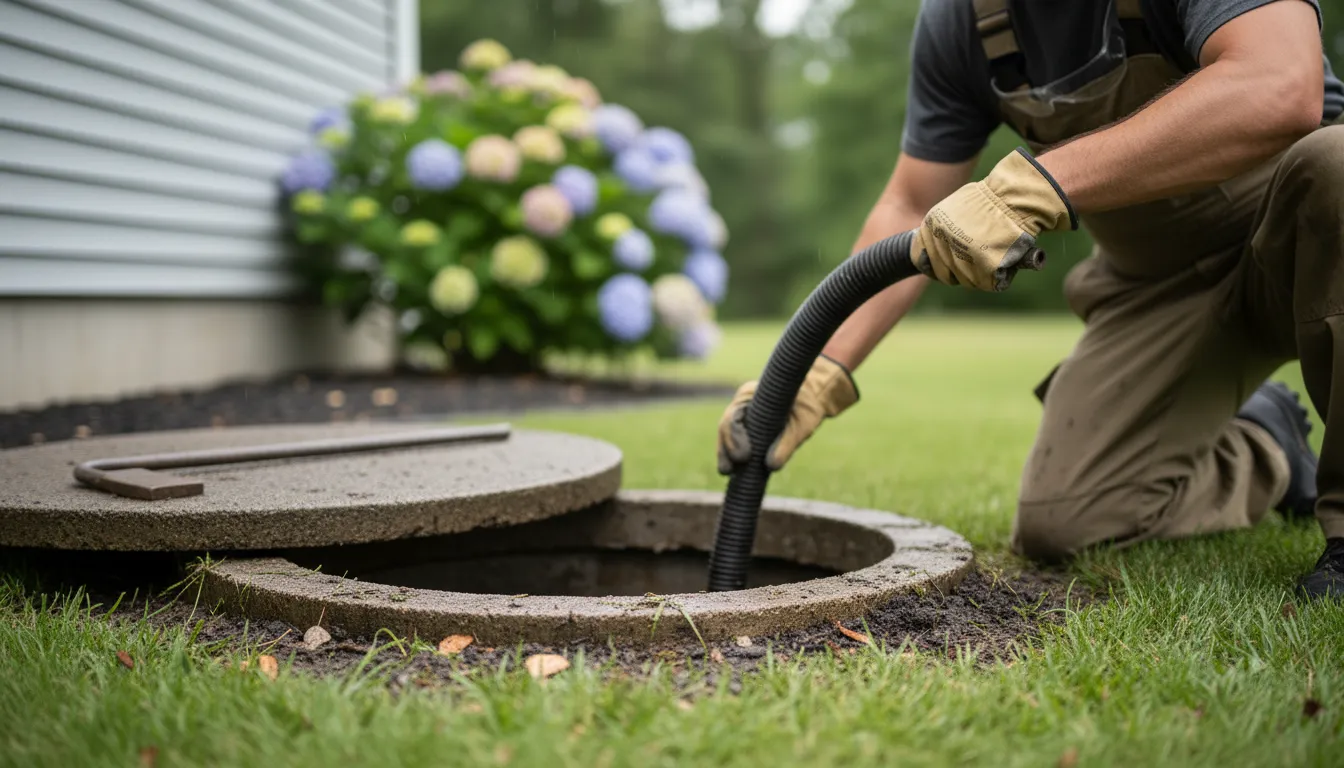
Find the Best Septic Tank Pumping Contractors for Your Business
No obligation • Fast responses • Nationwide coverage

Why you can trust Septic Spot
Septic Spot is a leading United States resource for understanding and comparing septic services. Our editors review providers using consistent criteria and verify key business details. Listings and scores are independent, and companies cannot pay to influence our content.
Search providers near you
Top Septic Tank Pumping Contractors in Castle Rock, Colorado Ranked
Maintaining your septic system is a critical responsibility for homeowners in Castle Rock. Regular septic tank pumping is the cornerstone of this maintenance, preventing system failures, protecting your property value, and ensuring compliance with local health regulations. This guide explains the importance of septic system maintenance, outlines the specific requirements for Douglas County residents, and helps you understand what to look for when finding a qualified local professional to service your tank.
Ley Septic LLC
174 Granada Way, Pine, CO 80470
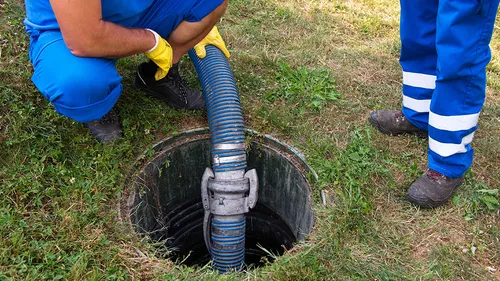
Ley Septic LLC provides septic tank pumping and inspection services in Denver, CO. They focus on routine maintenance to prevent backups, extend system lifespan, and ensure compliance with local regulations. Their process includes thorough inspections, safe pumping with advanced equipment, and detailed reporting to keep septic systems functioning properly. The company emphasizes professional handling of septic waste and offers personalized maintenance recommendations to protect homes and businesses.
Douglas County Septic
Denver, CO
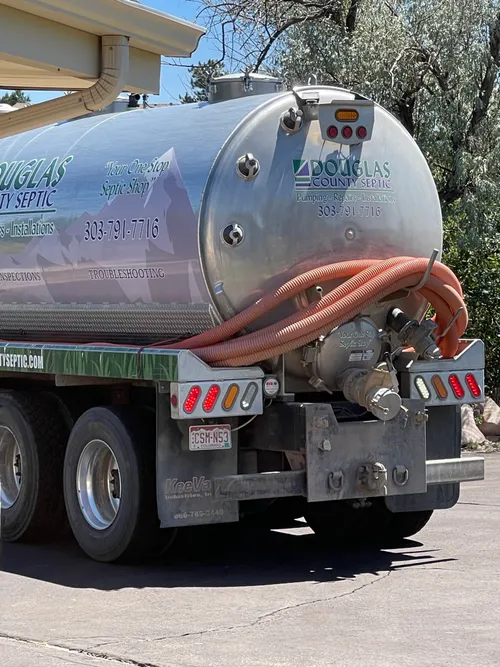
Douglas County Septic offers full-service septic system installation, maintenance, cleaning, troubleshooting, and repair in Denver, CO. They serve a variety of clients including homeowners, businesses, schools, golf courses, parks, government entities, homeowners associations, and builders in the south metro Denver area. Their services cover septic tank pumping, repairs, and installations.
Tank It Easy Elizabeth
Centennial, CO
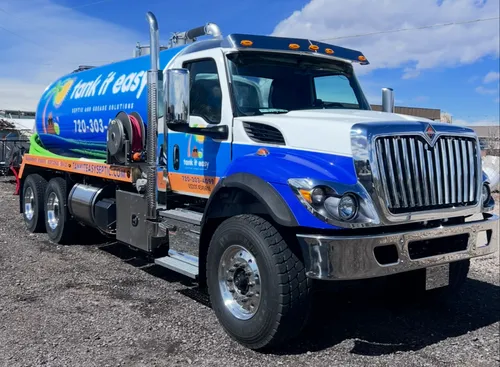
Tank It Easy Elizabeth is a septic tank pumping company based in Centennial, CO. They provide septic tank pumping services and handle debris removal when necessary, including flushable wipes and grease buildup. The company manages service access challenges, such as hose extension for tanks located over 100 feet from the truck, which may require additional equipment and time.

Mr. Rooter Plumbing of Denver
1600 Federal Blvd Ste B, Denver, CO 80204
Mr. Rooter Plumbing of Denver provides septic tank pumping and a wide range of plumbing services in Denver, CO. Their licensed plumbers use advanced technology such as trenchless pipe replacement and leak detection to address plumbing issues efficiently. The company serves both residential and commercial clients, offering solutions including drain cleaning, sewer line repair, and emergency plumbing. Mr. Rooter Plumbing emphasizes clear communication and upfront pricing to keep customers informed throughout the process. They also follow safety protocols to manage risks associated with plumbing work and protect customers' homes during service.
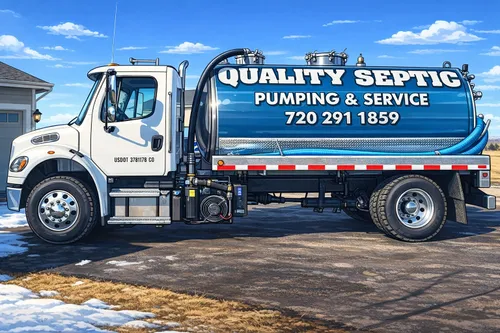
Quality Septic Pumping and Service
Denver, CO
Quality Septic Pumping and Service is a family-owned septic tank pumping company based in Denver, CO. The business focuses on serving the local community by providing septic pumping services while supporting the local economy through its owner-operated model. By choosing this company, customers contribute to keeping money within the community and supporting local jobs.
Why Septic System Maintenance is Non-Negotiable
A septic system is an on-site wastewater treatment plant for your home. When functioning correctly, it safely processes all the water from your sinks, showers, toilets, and appliances. The tank itself holds the solids, allowing them to decompose, while the liquid effluent flows out to the drain field for further filtration. Over time, however, solids (sludge and scum) accumulate. If these layers become too thick, they can flow into the drain field, causing clogs, backups, and potentially a complete-and very expensive-system failure.
Routine septic tank cleaning is the most effective way to prevent these disasters. By removing the accumulated waste, you restore the tank's capacity and protect the delicate balance of the entire system. For Castle Rock homeowners, this isn't just a recommendation; it's a county-mandated requirement to protect public health and the local environment.
Douglas County Regulations: What You Must Know
Douglas County has clear, enforceable rules for septic system upkeep that all Castle Rock property owners must follow.
- Mandatory Inspections: The Douglas County Health Department requires that all septic systems be inspected at least every four years. An inspection is also mandatory whenever a property is sold.
- Pumping Triggers: Pumping is legally required when the sludge or scum layer exceeds 25% of the tank's effective volume1. Waiting until you have a backup is a violation and a health hazard.
- Licensed Professionals: All inspections and pumping must be performed by a licensed septic cleaner registered with the county. Using an unlicensed provider can result in non-compliance and void certain permits.
These regulations are designed to ensure systems are functioning properly and to prevent groundwater contamination. Adhering to them keeps you in good standing and is a key part of responsible homeownership.
How Often Should You Pump Your Septic Tank?
While the county's four-year inspection cycle is a minimum, the ideal pumping frequency for your home depends on several factors. A general guideline based on tank size and household usage suggests:
- 1,000-gallon tank: Approximately every 2.5 years
- 1,500-gallon tank: Approximately every 4 years
- 2,000-gallon tank: Approximately every 5 years 2
These are averages. Your actual schedule may vary based on:
- Household Size: More people generate more wastewater and solids.
- Water Usage Habits: Frequent laundry loads, long showers, and use of garbage disposals can increase the solid load.
- Tank Size and Age: Older or smaller tanks may need more frequent attention.
The only way to know for sure is through a professional inspection, which will measure the sludge and scum levels to determine if pumping is necessary 3.
Recognizing the Signs You Need Service
Don't wait for an inspection deadline or a foul odor. Be proactive and watch for these warning signs that your septic tank may need immediate pumping or repair:
- Slow Drains and Gurgling Pipes: If sinks, showers, and toilets drain slowly or make gurgling sounds, it could indicate a full tank restricting flow 4.
- Sewage Backups: The most alarming sign is wastewater backing up into household drains.
- Unpleasant Odors: Foul smells around the tank or drain field area are a clear indicator of problems.
- Lush, Wet Patches: An overly green, soggy, or spongy area in your yard above the drain field suggests effluent is surfacing because the system is overloaded or failing 5 6.
- Standing Water: Puddles of greywater around the tank lid or drain field.
If you notice any of these issues, contact a licensed professional immediately to assess the situation.
Find the perfect septic tank pumping contractors for your needs
Get personalized recommendations and expert advice
Understanding the Costs of Septic Tank Pumping in Castle Rock
The cost for routine septic tank pumping in the Castle Rock area typically ranges from $300 to $7007 8. Several factors influence the final price:
- Tank Size and Accessibility: Larger tanks cost more to pump. Tanks that are buried deep, have overgrown lids, or are far from driveway access may incur additional labor charges.
- Condition of the Tank: If pumping has been delayed for many years (e.g., over seven), solids can harden, requiring extra time and effort to break up, which can add $100-$200 or more to the bill 9 10.
- Additional Services: Most visits include a basic visual inspection. A full, formal inspection for a property transfer (Use Permit) is a separate, more comprehensive service with its own fee.
- Emergency vs. Scheduled: Scheduling routine maintenance is always less expensive than calling for an emergency service visit on a weekend or holiday.
Investing in regular pumping is far more economical than paying for the major repairs or full system replacement that can result from neglect.
The Property Transfer Process: Use Permits
Selling a home with a septic system in Douglas County involves an extra step: obtaining a Use Permit. This process protects the buyer and ensures the system is functional. As the seller, you are responsible for:
- Hiring a NAWT-certified inspector to conduct a thorough evaluation.
- The inspection will assess the tank's structural integrity, inlet/outlet pipes, baffles, and any pumps or floats.
- The inspector submits the official report directly to the Douglas County Health Department.
- Once the system passes inspection, the county issues the Use Permit, which is required for the sale to proceed.
Having your system regularly pumped and maintained makes this process smoother and helps avoid last-minute, costly repairs that could delay your closing.
Choosing a Qualified Service Provider
With county licensing requirements, choosing the right company is crucial. Look for:
- Douglas County License: Verify the company is currently licensed by the county.
- Experience and Reputation: Seek established companies with positive local reviews and references.
- Transparent Pricing: A reputable provider will offer clear, upfront estimates and explain what is included.
- Comprehensive Services: Many companies offer pumping, inspections, repairs, and even installation, providing a one-stop resource for all your septic needs.
- Certifications: Inspectors with NAWT (National Association of Wastewater Technicians) certification are required for Use Permit inspections and are a mark of expertise 11.
Regular maintenance with a trusted professional gives you peace of mind and protects your significant investment in your home.
Frequently asked questions
Sources
Footnotes
-
Septic System FAQs - Douglas County - https://www.douglas.co.us/health-department/septic-system-faqs/ ↩
-
How Often Should You Pump Your Septic Tank: 3 Factors Solved - https://www.frasiers.com/blog/sewage-tank-pump-frequency/ ↩
-
When to Pump Your Septic Tank | Roto-Rooter - https://www.rotorooter.com/blog/outdoor-plumbing/5-signs-its-time-to-call-your-septic-pumping-service/ ↩
-
FAQ'S - https://johnstonsanitation.com/faqs ↩
-
Septic Pumping & Inspections - https://douglascountyseptic.com/douglas-county-septic-systems/septic-pumping/ ↩
-
Essential Guide to Septic Tank Maintenance - https://www.mybuilder.com/groundwork-foundations/articles/septic-tank-maintenance ↩
-
Understanding the Average Cost to Pump a Septic Tank - https://www.scorpionsepticservices.com/blog/understanding-the-average-cost-to-pump-a-septic-tank ↩
-
How Much Does It Cost to Pump a Septic Tank? - https://dillonseptic.com/how-much-does-it-cost-to-pump-a-septic-tank/ ↩
-
Septic Pumping Cost by State: 2024 Complete Price Guide - https://wastedoor.com/article/septic-pumping-cost-by-state ↩
-
How Often to Pump Septic Tank: 2026 Maintenance Guide - https://dandhsepticservices.com/how-often-to-pump-septic-tank/ ↩
-
Use Permits (Septic Systems) - Douglas County - https://www.douglas.co.us/health-department/use-permits-septic-systems/ ↩