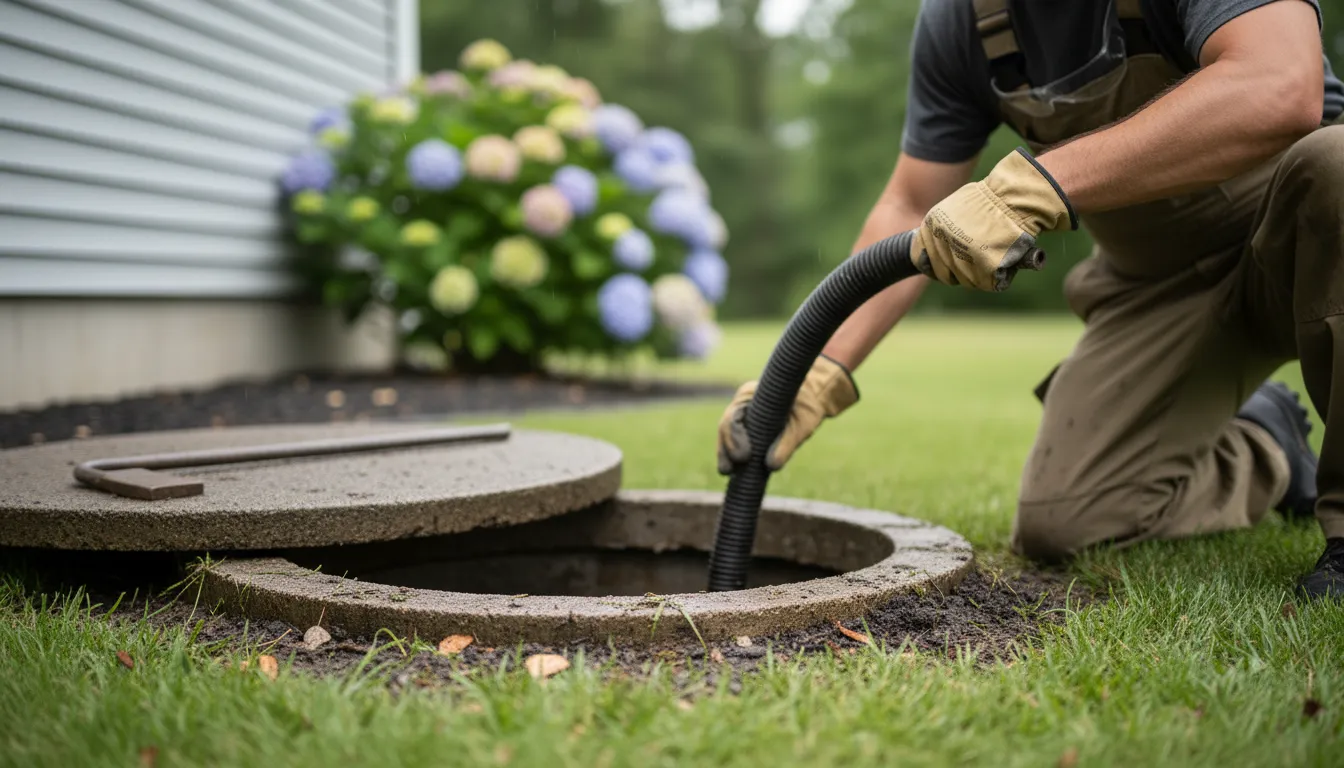
Find the Best Septic Tank Pumping Contractors for Your Business
No obligation • Fast responses • Nationwide coverage

Why you can trust Septic Spot
Septic Spot is a leading United States resource for understanding and comparing septic services. Our editors review providers using consistent criteria and verify key business details. Listings and scores are independent, and companies cannot pay to influence our content.
Search providers near you
Top Septic Tank Pumping Contractors in Littleton, Colorado Ranked
Maintaining a healthy septic system is a critical, yet often overlooked, responsibility for homeowners not connected to municipal sewer lines. Septic tank pumping is the essential process of removing accumulated solids and scum from your tank to prevent system failure, environmental contamination, and costly repairs. For residents in Littleton and the surrounding Denver metro area, understanding local guidelines and finding a reliable service provider is key to protecting your property and investment. This guide provides the information you need to schedule proper maintenance, recognize warning signs, and connect with qualified local professionals for your septic service needs.
Ley Septic LLC
174 Granada Way, Pine, CO 80470
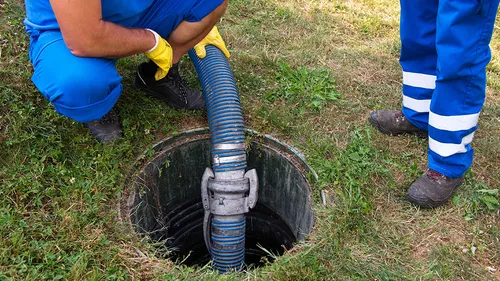
Ley Septic LLC provides septic tank pumping and inspection services in Denver, CO. They focus on routine maintenance to prevent backups, extend system lifespan, and ensure compliance with local regulations. Their process includes thorough inspections, safe pumping with advanced equipment, and detailed reporting to keep septic systems functioning properly. The company emphasizes professional handling of septic waste and offers personalized maintenance recommendations to protect homes and businesses.
Colorado Pumping
Denver, CO
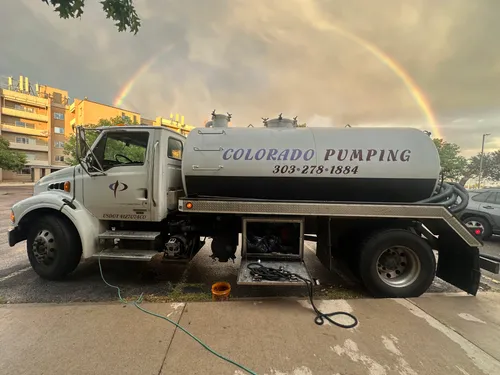
Colorado Pumping is a septic tank pumping company based in Denver, CO, providing wastewater management services across the region. They offer grease trap pumping for commercial kitchens and septic tank pumping for rural homeowners, serving areas including Arvada, Aurora, Centennial, Golden, Lakewood, Littleton, Thornton, Wheat Ridge, and Westminster. Their services help maintain efficient wastewater systems and prevent blockages, supporting both commercial and residential clients in Colorado.
Tank It Easy Elizabeth
Centennial, CO
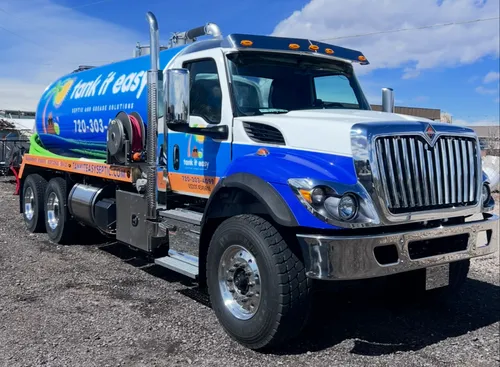
Tank It Easy Elizabeth is a septic tank pumping company based in Centennial, CO. They provide septic tank pumping services and handle debris removal when necessary, including flushable wipes and grease buildup. The company manages service access challenges, such as hose extension for tanks located over 100 feet from the truck, which may require additional equipment and time.
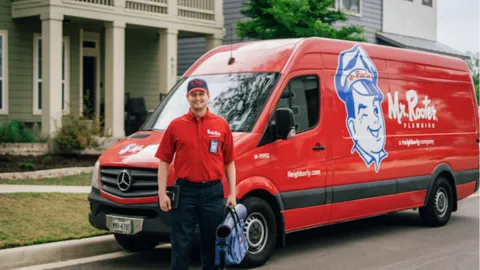
Mr. Rooter Plumbing of Denver
1600 Federal Blvd Ste B, Denver, CO 80204
Mr. Rooter Plumbing of Denver provides septic tank pumping and a wide range of plumbing services in Denver, CO. Their licensed plumbers use advanced technology such as trenchless pipe replacement and leak detection to address plumbing issues efficiently. The company serves both residential and commercial clients, offering solutions including drain cleaning, sewer line repair, and emergency plumbing. Mr. Rooter Plumbing emphasizes clear communication and upfront pricing to keep customers informed throughout the process. They also follow safety protocols to manage risks associated with plumbing work and protect customers' homes during service.
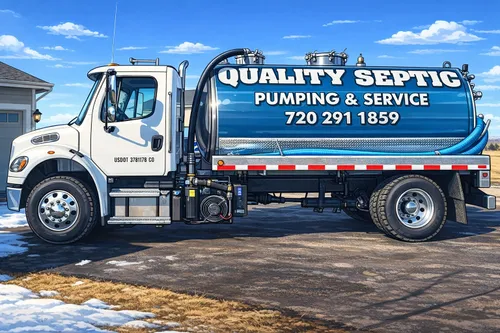
Quality Septic Pumping and Service
Denver, CO
Quality Septic Pumping and Service is a family-owned septic tank pumping company based in Denver, CO. The business focuses on serving the local community by providing septic pumping services while supporting the local economy through its owner-operated model. By choosing this company, customers contribute to keeping money within the community and supporting local jobs.
Why Regular Septic System Pumping is Non-Negotiable
Your septic tank is a living ecosystem where bacteria break down waste. Over time, solids that cannot be decomposed (sludge) settle at the bottom, and lighter materials like grease and soap (scum) float to the top. If these layers are not periodically removed via pumping, they can overflow into the drain field, clogging the soil and causing a complete system backup. A failed drain field can lead to sewage surfacing in your yard, contaminating groundwater, and creating health hazards. Regular septic maintenance, including pumping, is the most effective way to avoid these disastrous and expensive scenarios, ensuring your system functions smoothly for decades.
Recommended Pumping Frequency for Littleton Homes
How often you need to pump your septic tank isn't a one-size-fits-all answer; it depends on your household size, tank capacity, and water usage. General guidelines for Colorado suggest septic tanks should be pumped every 3 to 5 years for an average household 1.
However, local health authorities provide more specific guidance. The Douglas County Health Department, which serves the Littleton area, emphasizes that pumping is required when sludge and scum accumulation exceeds 25% of the tank's liquid capacity2. To determine this, a professional inspection is necessary. Jefferson County similarly recommends inspections to monitor sludge levels as a key part of maintenance 3.
Consider these factors that may require more frequent pumping (every 1-2 years):
- High-usage households (5 or more people).
- Smaller tank size (e.g., a 1,000-gallon tank).
- Use of a garbage disposal, which significantly increases solid waste.
- Excessive water use from fixtures, laundry, or hot tubs.
Find the perfect septic tank pumping contractors for your needs
Get personalized recommendations and expert advice
Understanding Septic Inspections: More Than Just Pumping
A thorough septic inspection is the cornerstone of proactive system care. It's not just about checking if the tank is full. A qualified professional will:
- Locate and access the tank and distribution box.
- Measure the sludge and scum layers to determine if pumping is needed.
- Inspect the tank's baffles and interior walls for structural integrity.
- Check the drain field for signs of saturation or failure.
- Assess the overall system function and identify potential issues.
Douglas County recommends inspections at least every four years, while many experts advise an annual inspection for optimal system health 4. Think of an inspection as a low-cost diagnostic that can prevent a five-figure drain field replacement.
Signs Your Littleton Septic Tank Needs Immediate Attention
Don't wait for a scheduled maintenance date if you notice these red flags. Contact a septic service professional right away if you experience:
- Slow drains or gurgling sounds from toilets and sinks.
- Sewage odors inside your home or in the yard.
- Wet, spongy, or soggy ground over the drain field, especially when it hasn't rained.
- Unusually lush, green grass growing over the drain field area.
- Sewage backing up into household drains.
These symptoms indicate that your tank may be overfull or that your drain field is failing, requiring immediate professional intervention 5 6.
What to Expect: The Septic Pumping Process
When you hire a licensed professional for septic tank pumping in Littleton, here's a general overview of the process:
- Locating & Uncovering: The technician will locate your tank and dig to expose the access lids.
- Initial Inspection: Before pumping, they may visually inspect the inlet and outlet baffles.
- Pumping: Using a large vacuum truck, all liquid and solid waste is pumped out of the tank.
- Cleaning & Final Inspection: High-pressure water may be used to clean tank walls. The empty tank is then inspected for cracks, leaks, or baffle damage.
- System Check: The technician may run water to check flow from the house to the tank and ensure the drain field is accepting liquid.
- Site Restoration: The access area is covered and soil is replaced.
Always ensure the service provider is licensed to work in Colorado and disposes of the waste at an approved treatment facility.
Cost Considerations for Septic Services in Colorado
The cost for routine septic tank pumping in the Littleton and Denver metro area typically ranges from $300 to $600+, though several variables affect the final price 7 8 9.
- Tank Size: Larger tanks (1,500+ gallons) cost more to pump than standard 1,000-gallon tanks.
- Accessibility: Difficult access (e.g., tanks under decks, deep burial, or far from the driveway) increases labor time and cost.
- Sludge Level: Heavily neglected tanks with excessive solids may require more time and effort.
- Additional Services: Costs will be higher if the inspection reveals needed repairs to baffles, pipes, or the tank itself.
While this is a necessary expense, budgeting for regular pumping is far more economical than the cost of excavating and replacing a failed drain field.
Proactive Maintenance Tips for a Healthy System
Beyond scheduling regular pumping and inspections, you can extend your system's lifespan with these best practices:
- Conserve Water: Spread out laundry loads, fix leaky faucets, and install high-efficiency fixtures to avoid overwhelming the system.
- Mind What You Flush: Only human waste and toilet paper should go down the drain. Avoid flushing wipes (even "flushable" ones), feminine hygiene products, diapers, coffee grounds, and chemicals.
- Protect the Drain Field: Never drive or park vehicles over it, and avoid planting trees with deep roots nearby. Keep roof drains and sump pumps directed away from the field.
- Be Wary of Additives: Avoid chemical septic tank additives. They are often unnecessary, can harm the bacterial balance, and may contaminate groundwater 10 11. Local health departments generally do not recommend their use.
Frequently asked questions
Sources
Footnotes
-
Septic Systems | Department of Environmental Protection - https://www.pa.gov/agencies/dep/residents/my-water/septic-systems ↩
-
Septic System FAQs - Douglas County - https://www.douglas.co.us/health-department/septic-system-faqs/ ↩
-
Pumping the Tank | Jefferson County, CO - https://www.jeffco.us/2397/Pumping-the-Tank ↩
-
Homeowner Resources - Colorado Professionals in Onsite Wastewater - https://www.cpow.net/resources/homeowner-resources/ ↩
-
How often to pump septic tank family of 2 - https://dillonseptic.com/how-often-to-pump-septic-tank-family-of-2/ ↩
-
Septic Tank Pumping Frequency: Crucial Maintenance Guide - https://septic911.com/septic-tank-pumping-frequency/ ↩
-
Optimizing Septic Tank Pumping Frequency for Households - https://www.unitedsewerservice.com/frequency-of-septic-tank-pumping-for-different-household-sizes/ ↩
-
Smart Solutions for Optimizing Septic Tank Pumping Frequency - https://smartsepticpros.com/blog/septic-tank-pumping-frequency/ ↩
-
Budgeting for Septic Tank Maintenance: Tips for Homeowners - https://www.septicbluecharlotte.com/budgeting-for-septic-tank-maintenance-what-you-should-know-html ↩
-
FAQ'S - https://johnstonsanitation.com/faqs ↩
-
Septic Tanks - Preventative Routine Maintenance - https://des.sc.gov/permits-regulations/septic-tanks/homeowner-resources/septic-tanks-preventative-routine-maintenance ↩