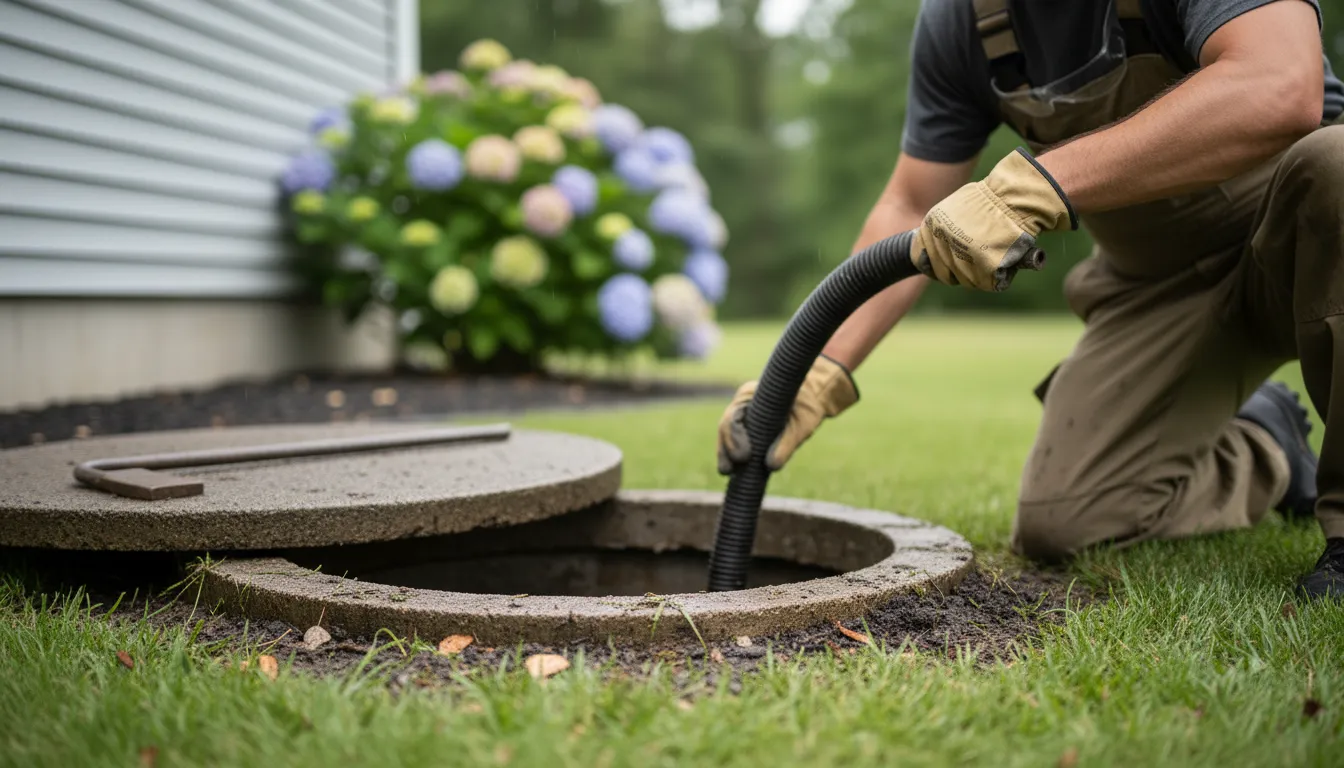
Find the Best Septic Tank Pumping Contractors for Your Business
No obligation • Fast responses • Nationwide coverage

Why you can trust Septic Spot
Septic Spot is a leading United States resource for understanding and comparing septic services. Our editors review providers using consistent criteria and verify key business details. Listings and scores are independent, and companies cannot pay to influence our content.
Search providers near you
Top Septic Tank Pumping Contractors in Longmont, Colorado Ranked
Maintaining your septic system is a crucial responsibility for any homeowner not connected to a municipal sewer line. Regular septic tank pumping and inspection are essential services that protect your property, your health, and the local environment. In Longmont and across Boulder County, the unique soil conditions make professional maintenance especially important. This guide explains what you need to know about septic system servicing, including local recommendations, cost factors, and how to find qualified professionals to keep your system functioning smoothly for years to come.
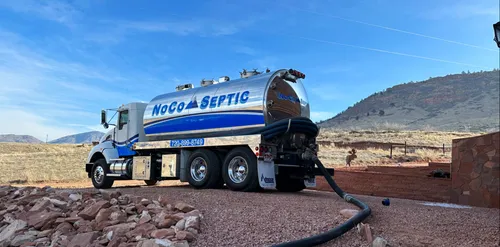
NoCo Septic & Excavation
Greeley, CO
NoCo Septic & Excavation is a septic tank pumping, repair, and installation company based in Greeley, CO. Serving Boulder County and surrounding areas, they offer expert septic services with a focus on quality and customer information. Established in 2016, the company brings experience from water treatment and public works to ensure dependable septic solutions.
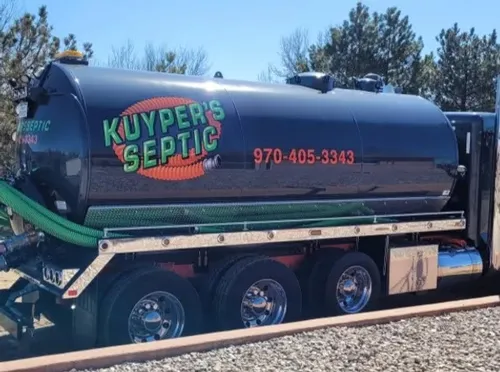
Kuyper's Septic
Fort Collins, CO
Kuyper's Septic is a family-owned business providing septic pumping and inspection services in Fort Collins, CO, and the Northern Front Range. Since 2014, they have offered thorough septic tank cleaning and system inspections, including the removal of solids and water. Their skilled team supports clients throughout the entire septic project process, emphasizing integrity and quality work.
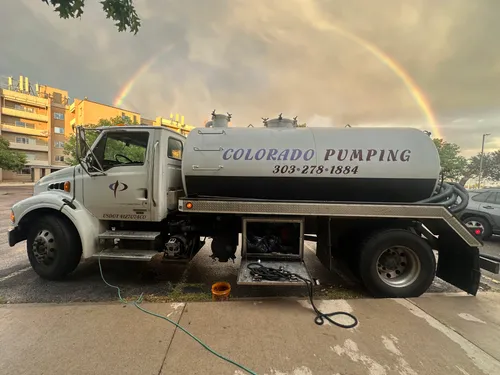
Colorado Pumping
Denver, CO
Colorado Pumping is a septic tank pumping company based in Denver, CO, providing wastewater management services across the region. They offer grease trap pumping for commercial kitchens and septic tank pumping for rural homeowners, serving areas including Arvada, Aurora, Centennial, Golden, Lakewood, Littleton, Thornton, Wheat Ridge, and Westminster. Their services help maintain efficient wastewater systems and prevent blockages, supporting both commercial and residential clients in Colorado.
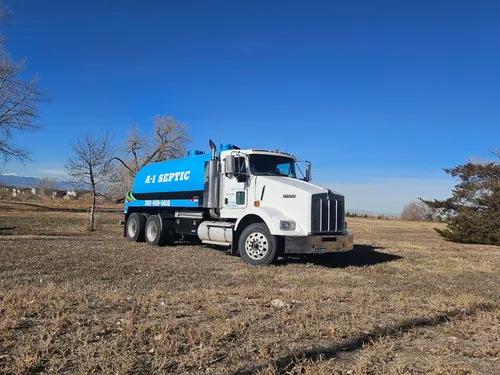
A-1 Septic Service
Denver, CO
A-1 Septic Service provides septic tank pumping and inspection services in Denver, CO. They serve both residential and commercial clients across Adams, Arapahoe, Boulder, Broomfield, and Weld counties. The company focuses on regular septic system maintenance to prevent buildup of scum and sludge, which can cause overflow or system failure if left unaddressed. This preventative approach helps protect property value and safety.
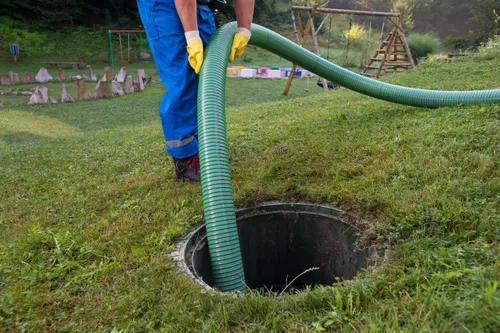
Black Diamond Pumping
14037 Co Rd 8, Fort Lupton, CO 80621
Black Diamond Pumping is a family-owned septic service company based in Fort Lupton, Colorado, serving Denver and the surrounding Northern Colorado areas including Adams, Weld, and Boulder counties. They provide a full range of septic system services such as pumping, inspections, repairs, and installations for both residential and commercial properties. With over 20 years of experience, the company is licensed and insured, equipped to handle septic tanks of all sizes, and emphasizes routine maintenance to ensure proper system function and safety.
Understanding Your Septic System
A septic system is an on-site wastewater treatment structure, commonly used in rural and suburban areas. It consists of two main parts: the septic tank and the drainfield (or leach field). All household wastewater flows into the underground septic tank, where solids settle to the bottom as sludge, and fats and oils float to the top as scum. The liquid effluent in the middle layer then flows out into the drainfield, where it is filtered through the soil.
The tank itself does not treat waste; it simply holds it. Bacteria inside the tank begin the breakdown process, but the accumulated sludge and scum must be physically removed through periodic pumping. If not pumped, solids can overflow into the drainfield, clogging the soil and causing system failure, which leads to costly repairs and environmental contamination 1.
Why Regular Pumping is Non-Negotiable
Scheduling routine septic tank cleaning is the most effective way to avoid emergencies. A failed system can result in sewage backing up into your home, foul odors, and soggy, contaminated patches in your yard. Beyond the inconvenience and health hazards, you are also legally responsible for your system's operation under local and state regulations.
For Longmont residents, the stakes are even higher due to Colorado's prevalent clay-heavy soils. These soils are dense and slow-draining, placing extra stress on a septic system's drainfield. A well-maintained tank ensures only liquid effluent reaches the drainfield, giving it the best chance to percolate properly through the challenging soil.
Recommended Pumping Frequency for Longmont Homes
How often you need septic service isn't a one-size-fits-all answer. The U.S. Environmental Protection Agency provides a general guideline of every 3 to 5 years for an average household. However, your specific schedule depends on several key factors:
- Household Size: This is the primary driver. More people generate more wastewater and solids.
- 1-2 people: With a standard 500-750 gallon tank, pumping may be needed every 5-7 years.
- 3-4 people: With a 1000-1250 gallon tank, plan for service every 3-5 years.
- 5+ people: A larger tank (1500+ gallons) will likely require pumping every 1-3 years 2.
- Tank Size: Know your tank's capacity. A smaller tank fills faster.
- Total Wastewater Generated: High water usage from frequent laundry, long showers, garbage disposals, or a home office can accelerate the need for pumping.
- Solids Input: Using a garbage disposal regularly adds significant solids, reducing the time between necessary pumpings.
The most reliable method is to have your tank inspected annually. A professional can measure the sludge and scum layers and recommend pumping when they fill about 25-30% of the tank's volume 3. Boulder County specifically recommends that systems be inspected every 1 to 3 years to catch issues early 4.
The Importance of Professional Inspections
An inspection is more than just checking sludge levels. A comprehensive septic system inspection in Longmont should include:
- Locating and accessing the tank and drainfield.
- Measuring sludge and scum accumulation.
- Checking the tank's inlet and outlet baffles for blockages or damage.
- Inspecting the tank structure for cracks or leaks.
- Evaluating the drainfield for signs of failure, such as surfacing effluent or overly lush grass.
- Cleaning the tank's effluent filter (if present), a specific maintenance task recommended by Boulder County.
These inspections ensure minor issues are addressed before they become major, state-mandated repairs. Colorado has specific regulations governing septic systems, and working with a licensed professional helps ensure your system remains in compliance 5 6.
Find the perfect septic tank pumping contractors for your needs
Get personalized recommendations and expert advice
Recognizing Signs You Need Service Now
Don't wait for your scheduled maintenance if you notice any of these warning signs. They indicate your system may be failing or already overloaded:
- Slow Drains: Sinks, tubs, and toilets that drain slowly, especially if gurgling sounds accompany them.
- Sewage Backups: Wastewater backing up into household drains, particularly in lower-level showers or basements.
- Foul Odors: The smell of sewage inside your home or around the tank and drainfield area.
- Wet, Spongy Yard: Soggy ground or standing water over the drainfield, even during dry weather.
- Unusually Lush Grass: Patches of grass over the drainfield that are much greener and grow faster than the rest of the lawn.
If you observe any of these symptoms, contact a septic service provider immediately to prevent further damage and potential health risks 7.
What to Expect: The Pumping Process
When you hire a professional for septic tank pumping, here's a general outline of the service:
- Locate & Uncover: The technician will find your tank's access lids (manholes) and excavate the soil covering them.
- Initial Inspection: They will visually inspect the tank's interior and components before starting.
- Pumping: Using a large tank truck with a powerful vacuum hose, all liquids and solids are pumped out of the tank.
- Cleaning & Rinsing: High-pressure water may be used to rinse the tank walls and break up any hardened sludge, especially in overdue systems.
- Final Inspection: The tank is inspected again for structural integrity, and components like baffles are checked.
- System Documentation: A reputable provider will note the sludge levels, tank condition, and any concerns. Keeping these records is important for compliance and future service.
Cost of Septic Services in Longmont
The price for septic tank pumping in Longmont typically ranges from approximately $290 to $7008. This variation depends on:
- Tank Size: Larger tanks cost more to pump.
- Accessibility: Difficult-to-reach tanks may incur higher fees.
- Condition: Tanks that haven't been pumped in many years (e.g., 7+ years) may have hardened solids, potentially adding $100-$200 to the cost for extra labor and cleaning.
- Combined Services: Many homeowners opt for a combined pumping and inspection service. A full inspection in the area can cost between $300 and $5009.
While cost is a factor, the expertise of a licensed, local professional is invaluable. They understand Boulder County's regulations and soil challenges, ensuring the job is done correctly and your system is evaluated for local conditions.
Maintaining Your System Between Pumpings
Proper day-to-day care extends the life of your system and time between pumpings:
- Conserve Water: Fix leaks, install efficient fixtures, and spread out laundry loads.
- Mind What You Flush: Only human waste and toilet paper should go down the toilet. Avoid flushing wipes (even "flushable" ones), feminine hygiene products, diapers, paper towels, and chemicals.
- Use Garbage Disposals Sparingly: They significantly increase solids in your tank.
- Divert Water: Ensure roof drains, sump pumps, and other surface water are directed away from your drainfield.
- Protect the Drainfield: Never drive or park vehicles on it, and avoid planting trees with deep roots nearby.
Frequently asked questions
Sources
Footnotes
-
Frequent Questions on Septic Systems | US EPA - https://www.epa.gov/septic/frequent-questions-septic-systems ↩
-
Septic Tank Pumping Frequency: Crucial Maintenance Guide - https://septic911.com/septic-tank-pumping-frequency/ ↩
-
How Often Should You Schedule Septic Tank Pumping? - https://septechpumping.com/septic-tank-pumping-schedule/ ↩
-
SepticSmart: Maintenance - Boulder County - https://bouldercounty.gov/environment/water/septicsmart/maintenance/ ↩
-
Navigating New Regulations: Septic System Compliance in Colorado - https://www.urgentservicesllc.com/navigating-new-regulations-septic-system-compliance-in-colorado ↩
-
Homeowner Resources - Colorado Professionals in Onsite Wastewater - https://www.cpow.net/resources/homeowner-resources/ ↩
-
FAQ'S - https://johnstonsanitation.com/faqs ↩
-
Septic Pumping Cost by State: 2024 Complete Price Guide - https://wastedoor.com/article/septic-pumping-cost-by-state ↩
-
Septic Service in Longmont, CO - Costs 03 / 2026 - Homeyou - https://www.homeyou.com/co/septic-service-longmont-costs ↩