Find the Best Septic Tank Pumping Contractors for Your Business
No obligation • Fast responses • Nationwide coverage

Why you can trust Septic Spot
Septic Spot is a leading United States resource for understanding and comparing septic services. Our editors review providers using consistent criteria and verify key business details. Listings and scores are independent, and companies cannot pay to influence our content.
Search providers near you
Top Septic Tank Pumping Contractors in Thornton, Colorado Ranked
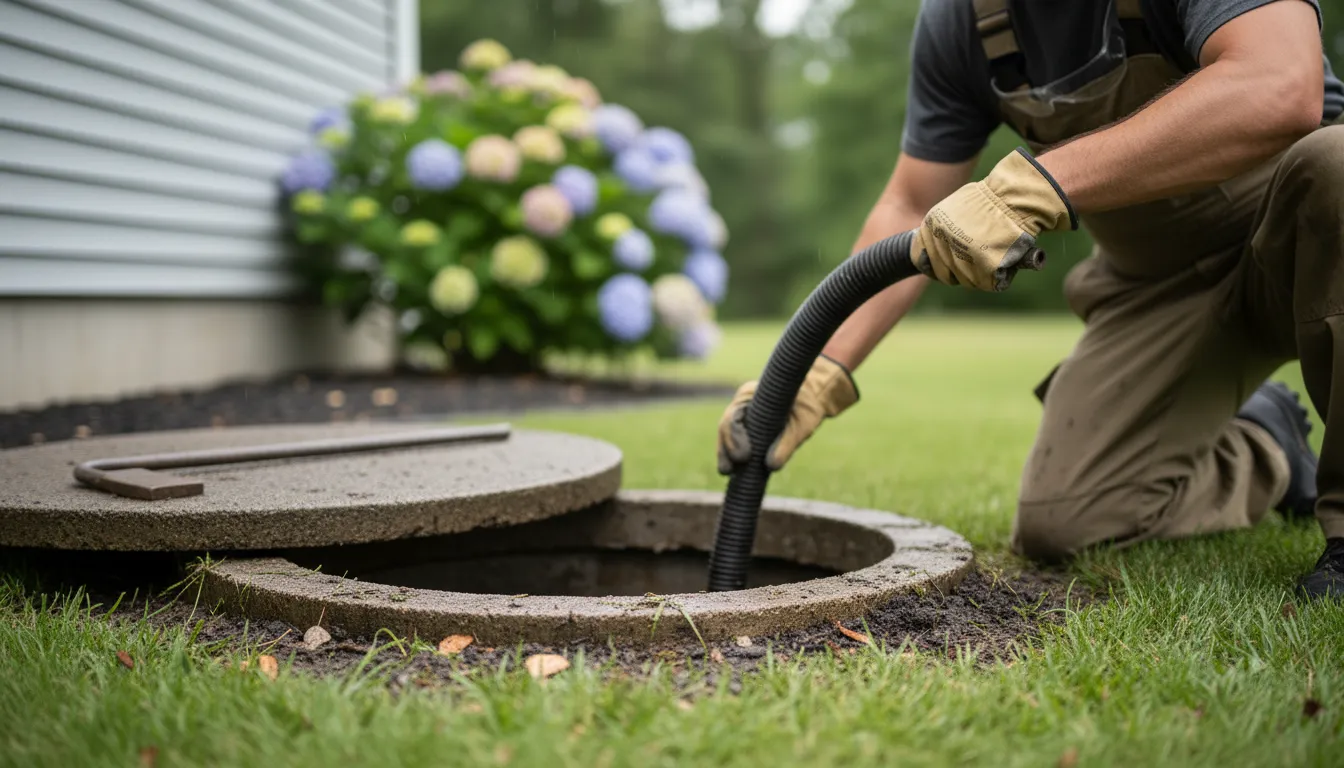
Maintaining your septic system is a critical responsibility for any Thornton homeowner not connected to municipal sewer lines. Septic tank pumping, also known as septic cleaning or sludge removal, is the essential process of removing accumulated solids from your tank to prevent system failure, backups, and costly environmental damage. This service matters because a well-maintained system protects your property value, your family's health, and local groundwater. Below, you'll find a detailed guide to understanding septic service frequency, costs, and best practices, along with information to help you connect with qualified local professionals for your maintenance needs.
Colorado Pumping
Denver, CO
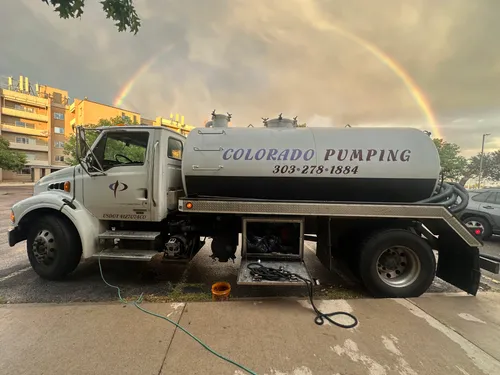
Colorado Pumping is a septic tank pumping company based in Denver, CO, providing wastewater management services across the region. They offer grease trap pumping for commercial kitchens and septic tank pumping for rural homeowners, serving areas including Arvada, Aurora, Centennial, Golden, Lakewood, Littleton, Thornton, Wheat Ridge, and Westminster. Their services help maintain efficient wastewater systems and prevent blockages, supporting both commercial and residential clients in Colorado.
Black Diamond Pumping
14037 Co Rd 8, Fort Lupton, CO 80621
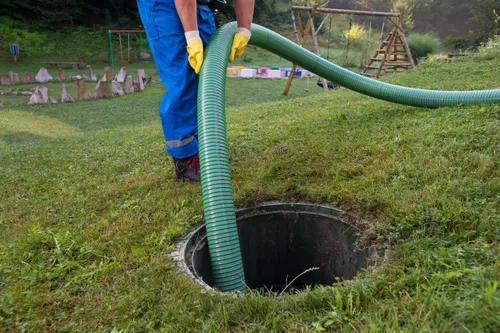
Black Diamond Pumping is a family-owned septic service company based in Fort Lupton, Colorado, serving Denver and the surrounding Northern Colorado areas including Adams, Weld, and Boulder counties. They provide a full range of septic system services such as pumping, inspections, repairs, and installations for both residential and commercial properties. With over 20 years of experience, the company is licensed and insured, equipped to handle septic tanks of all sizes, and emphasizes routine maintenance to ensure proper system function and safety.
Mr. Rooter Plumbing of Denver
1600 Federal Blvd Ste B, Denver, CO 80204
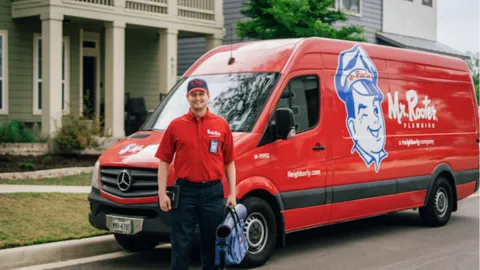
Mr. Rooter Plumbing of Denver provides septic tank pumping and a wide range of plumbing services in Denver, CO. Their licensed plumbers use advanced technology such as trenchless pipe replacement and leak detection to address plumbing issues efficiently. The company serves both residential and commercial clients, offering solutions including drain cleaning, sewer line repair, and emergency plumbing. Mr. Rooter Plumbing emphasizes clear communication and upfront pricing to keep customers informed throughout the process. They also follow safety protocols to manage risks associated with plumbing work and protect customers' homes during service.

The Drain Check | A drain, sewer, septic and portable restroom company.
163 4th Ave, Longmont, CO 80501
The Drain Check is a septic tank pumping and inspection company serving Denver, CO, and the Front Range area. They offer a range of services including septic pumping, septic inspections, sewer line camera inspections, hydro jetting, and sewer line repairs. The company uses camera technology to identify sewer line issues and can locate pipe damage to assist with efficient repairs. They recommend annual sewer line inspections and cleanings to prevent costly backups and damage caused by tree roots or other blockages.
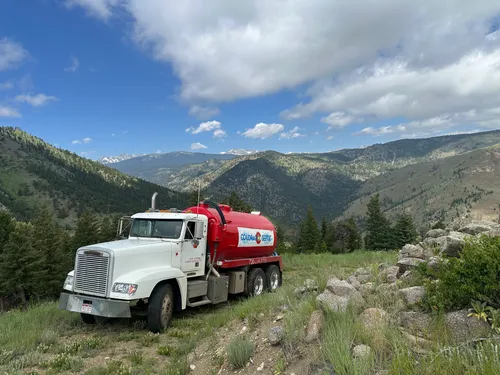
Colorado Septic
80 Big Springs Dr #304, Nederland, CO 80466
Colorado Septic is a septic tank pumping, inspection, and repair company serving Denver, CO. They provide comprehensive onsite wastewater treatment system services, including pumping, cleaning, inspecting, and repairing septic tanks and drain fields. Their capabilities include using sewer cameras to locate blockages and employing hydro-jetting and drain rooter machines to clear obstructions. Colorado Septic focuses on identifying problems early to prevent further damage and ensure timely service completion.
Understanding Your Septic System and Why Pumping is Essential
A septic system is an on-site wastewater treatment structure, typically consisting of a tank and a drain field (or leach field). All the water from your home's toilets, showers, sinks, and washing machines flows into the underground tank. Here, solids settle to the bottom as sludge, oils and grease float to the top as scum, and the relatively clear liquid in the middle (effluent) flows out into the drain field for further filtration into the soil. Septic tank pumping is necessary because the sludge and scum layers accumulate over time. If not removed, these solids can flow into and clog the drain field, leading to system failure, sewage backups into your home, and contamination of the surrounding soil and groundwater 1.
How Often Should You Pump Your Septic Tank in Thornton?
The most common question homeowners have is about the recommended pumping schedule. While a general rule of thumb is every 3 to 5 years, the ideal frequency for your Thornton home depends on several key factors 2.
Key Factors Influencing Pumping Frequency
- Tank Size: The capacity of your tank, measured in gallons, is the starting point. A smaller tank (under 1,000 gallons) will fill with solids much faster than a larger one (1,500+ gallons).
- Household Size: The number of people living in your home directly impacts water usage and waste production. A family of four is the standard benchmark, but larger households will require more frequent service.
- Overall Water Usage: Habits like doing multiple loads of laundry in a single day, taking long showers, or using a garbage disposal excessively can increase the solid load and hydraulic burden on your system, necessitating more frequent pumping.
Recommended Pumping Intervals
Based on these factors, here are some typical scenarios:
- Every 3-5 Years: This is the standard recommendation for an average household of four with a standard-sized tank (around 1,000-1,500 gallons). Specific guidance for Colorado suggests systems should be inspected and pumped at least every 4 years 3.
- Every 1-2 Years: Recommended for smaller tanks or for households with five or more people 4.
- Up to 10 Years: May be possible for a 1-2 person household with a very large tank (e.g., 1,750+ gallons) and conservative water usage, but an annual inspection is still crucial 5.
The Importance of Professional Inspections
Pumping is not the only maintenance task. Having your system inspected by a licensed septic professional every 1-2 years is highly recommended, even in years you don't pump 6 7. A thorough inspection will measure sludge and scum levels, check the integrity of tank components like baffles, and assess the health of your drain field. This proactive approach can identify small issues before they become expensive emergencies.
Local Considerations for Thornton and Northern Colorado
Thornton's environment plays a role in your system's health. Northern Colorado is known for its clay-heavy soils. Clay soil drains very slowly and can become saturated more easily than sandy soil. A saturated drain field cannot properly absorb and treat effluent, which can lead to pooling water on the surface and system failure. This makes regular maintenance and mindful water usage even more critical for Thornton homeowners to ensure the drain field does not become overloaded 8.
Find the perfect septic tank pumping contractors for your needs
Get personalized recommendations and expert advice
What to Expect: The Septic Pumping Process and Costs
Understanding what happens during a service visit and the associated costs helps you plan effectively.
The Standard Pumping Service
When a licensed septic pumper arrives, they will typically:
- Locate and uncover your tank's access lids.
- Inspect the tank's inlet and outlet baffles for damage or blockages.
- Insert a large hose and use a vacuum truck to pump out all the contents of the tank-sludge, scum, and liquid.
- Dispose of the waste at an approved treatment facility.
- Some providers may perform a basic inspection of visible components as part of the standard service.
Septic Pumping Costs in Thornton
Costs can vary based on tank size, accessibility, and tank condition. Based on available data:
- Routine Pumping: For a standard service, you can expect costs to range from $290 to $700.
- Additional Fees: If your tank is severely overdue and solids have hardened, breaking them up may add $100 to $200 to the bill. Emergency service calls for backups or after-hours/weekend work can range from $450 to $1,200 or more 9.
Always get a detailed estimate before work begins.
Protecting Your Investment: Septic System Care Tips
Routine pumping is the cornerstone of maintenance, but daily habits determine your system's long-term health.
- Conserve Water: Spread out water-intensive activities. Fix leaky faucets and toilets promptly. Consider installing high-efficiency fixtures.
- Mind What You Flush: Your septic system is designed for human waste and toilet paper only. Never flush wipes (even "flushable" ones), feminine hygiene products, dental floss, diapers, or cigarette butts 10.
- Avoid Harsh Chemicals: Minimize the use of bleach, antibacterial soaps, and strong drain cleaners, which can kill the beneficial bacteria in your tank that break down solids.
- Don't Use the Garbage Disposal Excessively: Food scraps, especially fats and fibrous materials, add significant solid load to your tank.
- Protect Your Drain Field: Never park vehicles or build structures over it. Direct rainwater drainage away from the area. Plant only grass over the field; tree and shrub roots can cause severe damage.
- Prepare for Winter: Ensure your tank is pumped before winter if it's nearing capacity. A full tank is more susceptible to freezing, which can cause significant damage 11 12.
Recognizing Signs You Need Service
Don't wait for a disaster. Contact a professional if you notice:
- Slow drains throughout the house.
- Sewage odors in your home or yard.
- Gurgling sounds from your plumbing.
- Water pooling or unusually lush, green grass over the drain field.
- Sewage backing up into household drains.
Frequently asked questions
Sources
Footnotes
-
Maintaining Your Septic System - https://bearcountryseptic.com/wp-content/uploads/2020/07/How_to_Care_for_Septic_System_2012.pdf ↩
-
Pumping the Tank | Jefferson County, CO - https://www.jeffco.us/2397/Pumping-the-Tank ↩
-
Colorado Septic Tank Requirements | On-site Wastewater Treatment ... - https://www.ntotank.com/blog/colorado-septic-tank-requirements ↩
-
How Often to Pump a Septic Tank - Clear River Environmental - https://clearriverenvironmental.com/how-often-to-pump-a-septic-tank/ ↩
-
How Often To Pump Your Septic Tank: A Simple Guide For San Gabriel Valley Homes - https://westernrooter.com/how-often-to-pump-your-septic-tank-a-simple-guide-for-san-gabriel-valley-homes/ ↩
-
Septic Tanks - Preventative Routine Maintenance - https://des.sc.gov/permits-regulations/septic-tanks/homeowner-resources/septic-tanks-preventative-routine-maintenance ↩
-
Smart Solutions for Optimizing Septic Tank Pumping Frequency - https://smartsepticpros.com/blog/septic-tank-pumping-frequency/ ↩
-
Maintaining Your Septic System - https://www.snohd.org/682/Maintaining-Your-Septic-System ↩
-
Septic Pumping Cost by State: 2024 Complete Price Guide - https://wastedoor.com/article/septic-pumping-cost-by-state ↩
-
Caring for Your Septic System | Mass.gov - https://www.mass.gov/guides/caring-for-your-septic-system ↩
-
How Often to Pump Your Septic Tank? 2025 Guide & Tips - https://www.splashplumbing.com/how-often-to-pump-septic-tank-for-a-family-of-4-essential-maintenance-guidelines/ ↩
-
How Often Should You Schedule Septic Tank Pumping? - https://septechpumping.com/septic-tank-pumping-schedule/ ↩