Find the Best Drain Field Repair Companies for Your Business
No obligation • Fast responses • Nationwide coverage

Why you can trust Septic Spot
Septic Spot is a leading United States resource for understanding and comparing septic services. Our editors review providers using consistent criteria and verify key business details. Listings and scores are independent, and companies cannot pay to influence our content.
Search providers near you
Top Drain Field Repair Companies in Hoover, Alabama Ranked
A failing drain field is a serious issue for any home with a septic system, leading to soggy yards, foul odors, and potential health hazards. Drain field repair and replacement are critical services that restore your onsite wastewater system's ability to safely treat and disperse effluent. This guide explains the local process, regulations, and key considerations for homeowners in Hoover, Alabama, to help you navigate finding qualified professionals for this essential work.
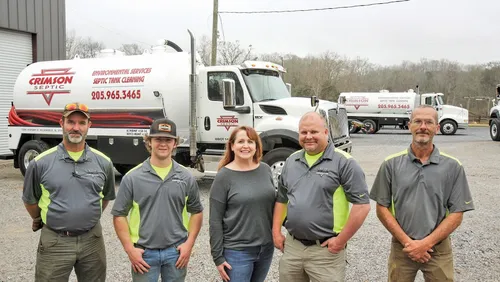
Crimson Septic & Construction, LLC
101 Hwy 47 #9, Columbiana, AL 35051
Crimson Septic & Construction, LLC is a family-owned septic system repair company serving Birmingham, AL. They provide comprehensive septic services including drain field repair and replacement. The company is licensed, bonded, and insured, with a skilled team experienced in handling both large and small septic issues. Crimson Septic & Construction offers same-day and 24/7 emergency services to address urgent septic problems promptly.
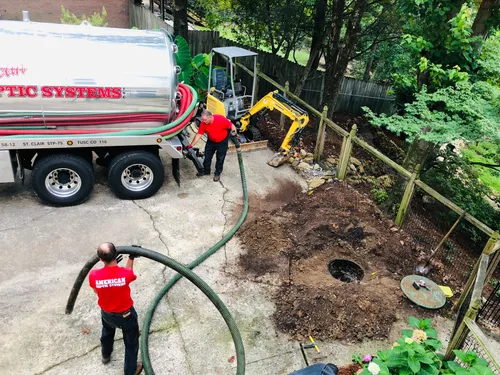
American Septic Systems
10650 Lock 17 Rd, Adger, AL 35006
American Septic Systems is a licensed septic service provider based near Birmingham, AL. They offer a wide range of septic services including tank pumping, inspections approved by county health departments, repairs, and new installations. Their capabilities include field line installation and repair, grease trap cleaning, and effluent pump replacement. The company emphasizes thorough septic system maintenance to prevent issues before they arise.
Reliable Septic Service
3170 Mt Olive Rd, Mt Olive, AL 35117
Reliable Septic Service in Birmingham, AL offers comprehensive septic system services including pumping, inspections, repairs, installations, and drain field replacements. They serve residential, commercial, and mortgage properties with tailored solutions to maintain and restore septic system functionality. The company is known for thorough septic cleaning and system inspections, as well as expert installation and repair work, including field line replacement and clean-out additions. Customer feedback highlights their clear communication, minimal yard disruption, and commitment to honest service.

Wayne Pickle Septic Tank And Plumbing
Birmingham, AL
Wayne Pickle Septic Tank And Plumbing is a family-owned septic service provider based in Birmingham, AL. With over 40 years of experience, they offer a wide range of services including septic tank pumping, inspections, repairs, installations, and drain field repairs. Their licensed and bonded team serves both residential and commercial clients in the Greater Birmingham area. The company also provides commercial grease trap maintenance and sewer and water line services, ensuring comprehensive wastewater system care. Their expertise includes field line installation and repairs, using modern techniques to maintain system performance.
Reliable Septic Services LLC
Birmingham, AL 35216
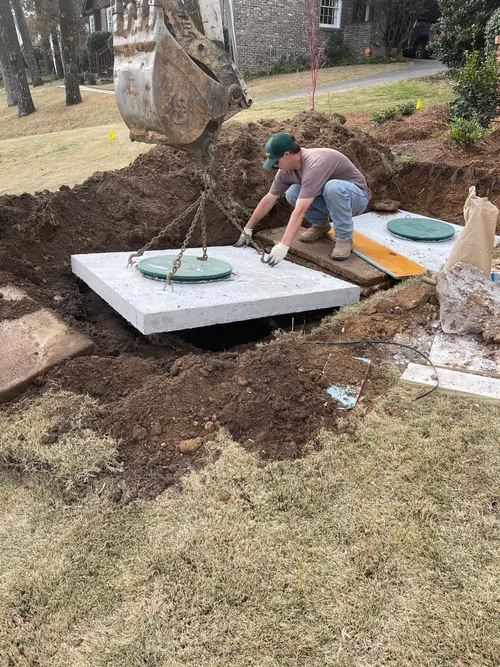
Reliable Septic Services LLC is a septic system company based in Birmingham, AL, offering a full range of services including septic tank pumping, inspections, repairs, installations, and drain field replacement. They serve residential, commercial, and mortgage properties, providing thorough septic cleaning and system evaluations to maintain efficient operation. Their team is experienced in septic system installation and repair, with a focus on minimizing yard disruption during projects. Customer feedback highlights their clear communication and commitment to honest service.
Understanding Your Drain Field in Hoover
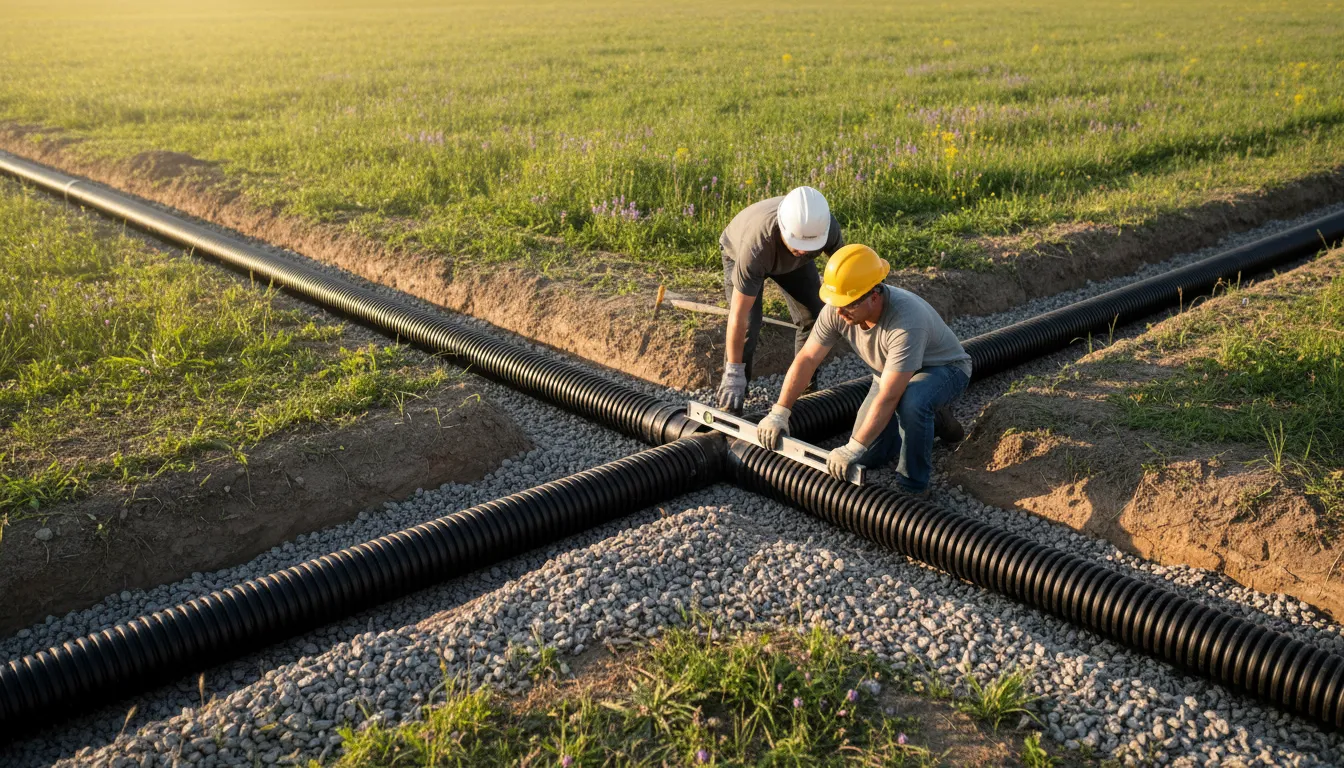
The drain field, also known as a leach field or absorption field, is the final and most crucial component of a septic system. After solids settle in the tank, liquid effluent flows into a network of perforated pipes buried in trenches filled with gravel. This effluent slowly percolates through the soil, where natural processes provide final treatment. When this area fails, it can no longer absorb water, causing backups and environmental contamination. In Hoover's varied landscape, factors like soil type, age of the system, and improper maintenance commonly lead to drain field problems.
Local Regulations and Required Permits
All work on septic system drain fields in Hoover is strictly regulated. The Jefferson County Department of Health (JCDH) oversees onsite sewage disposal and must issue a permit before any repair or replacement begins. Furthermore, Alabama state law requires that all installation and repair work be performed by a contractor licensed by the Alabama Onsite Wastewater Board (AOWB). The City of Hoover also requires a separate building permit for the construction work involved 1. Navigating these requirements is a fundamental first step, and a licensed professional will typically manage the permit application process on your behalf.
The Permit Process: Repairs vs. Full Replacement
The type of permit needed depends on the scope of work:
- Repair Permit: For fixes that do not change the system's original design parameters, such as flow or bedroom count. If the original system's "Approval for Use" documentation is unavailable, a formal repair permit is required.
- New System/Replacement Permit: Required for a completely new drain field or any alteration that changes the system's design. This process is more involved and always requires a new permit.
The Professional Assessment and Site Evaluation
Before a solution can be proposed, a thorough evaluation is necessary. A licensed contractor will inspect the entire system, checking tank levels and sludge buildup. Concurrently, a JCDH Environmental Health Specialist must conduct a mandatory soil evaluation and site assessment. This evaluation determines:
- Soil Suitability: The percolation rate of the soil dictates the size and type of drain field needed.
- Proper Layout: The system must be located at least 100 feet from any drinking water well and 50 feet from streams or other water bodies.
- Site Constraints: The proposed drain field area must be clear of trees, roots, driveways, and other structures that could damage the field lines.
Common Drain Field Solutions for Hoover Homes
Based on the assessment, a professional will recommend the appropriate course of action.
Targeted Drain Field Repairs
In some cases, failure is isolated. Solutions may include:
- Jet Cleaning: High-pressure water jetting to clear minor clogs in distribution lines.
- Pipe Section Replacement: Excavating and replacing a collapsed or damaged segment of the drain field piping.
- Adding Inspection Risers: Installing access ports (risers) to the ground level for easier future maintenance and inspection, which is highly recommended 2.
Complete Drain Field Replacement
When the entire absorption area has failed, a full replacement is often the only permanent solution. This is a major construction project that involves:
- Designing a new system based on current soil data and household size.
- Excavating the old, failed field.
- Installing new trenches, gravel, and distribution pipes in an approved location.
- Final inspection and approval by the JCDH before the area is backfilled.
Due to the scale of work, materials, and permitting, a full septic system drain field replacement can be a significant investment, often exceeding $20,000 3.
Find the perfect drain field repair companies for your needs
Get personalized recommendations and expert advice
Choosing a Licensed Professional in Hoover
Selecting the right contractor is the most important decision you'll make. Always verify their license with the Alabama Onsite Wastewater Board. Ask for local references, proof of insurance, and detailed written estimates. A reputable professional will handle the permit process, provide a clear contract, and ensure all work meets JCDH standards for final approval. Providers like SFI Environmental, which specialize in field line repairs and replacements in North and Central Alabama, are examples of firms focusing on this specific type of work 4.
Maintenance to Prevent Future Failure
Once your drain field is repaired or replaced, proper maintenance is key to its longevity. The Alabama Cooperative Extension System and the Department of Public Health emphasize:
- Regular Pumping: Pump the septic tank typically every 3-5 years to prevent solids from flowing into and clogging the drain field 5.
- Annual Inspections: Have a licensed professional inspect the system yearly to catch small issues early.
- Water Conservation: Reduce excessive water use to avoid hydraulically overloading the field.
- Protect the Area: Never drive or build over the drain field, and keep deep-rooted plants and trees away from the area.
The Importance of Final Inspection
No drain field project is complete without official sign-off. After construction, the JCDH must perform a final inspection before the system is covered. This ensures the work complies with the approved permit and all health regulations. Only after receiving this approval should the contractor backfill the trenches 6. Keep all permits, design records, and inspection reports in a safe place as part of your home's permanent documentation.
Frequently asked questions
Sources
Footnotes
-
Septic & Sewer Information | Hoover, AL - Official Website - https://hooveralabama.gov/1088/Septic-Sewer-Information ↩
-
Caring for Septic Systems - Alabama Cooperative Extension ... - https://www.aces.edu/blog/topics/fish-water/caring-for-septic-systems/ ↩
-
Nitrogen Reducing Technologies for Onsite Wastewater Treatment ... - https://www.doh.wa.gov/portals/1/documents/pubs/337-093.pdf ↩
-
Field Line Repairs and Replacements in Alabama - https://sfienvironmental.net/field-line-repairs-replacements-north-central-alabama/ ↩
-
Septic Tank Maintenance | Alabama Department of Public Health ( ... - https://www.alabamapublichealth.gov/onsite/maintenance.html ↩
-
Onsite Sewage Disposal - Jefferson County Health Department - https://www.jcdh.org/SitePages/Programs-Services/EnvironmentalHealth/CommunityEnvironmentalProtection/OnsiteSewDisp.aspx ↩