Find the Best Drain Field Repair Companies for Your Business
No obligation • Fast responses • Nationwide coverage

Why you can trust Septic Spot
Septic Spot is a leading United States resource for understanding and comparing septic services. Our editors review providers using consistent criteria and verify key business details. Listings and scores are independent, and companies cannot pay to influence our content.
Search providers near you
Top Drain Field Repair Companies in Mobile, Alabama Ranked
A failing drain field, also known as a leach field or absorption field, is a serious issue for any home with a septic system. When this critical component stops properly treating and dispersing wastewater, it can lead to soggy yards, foul odors, and even sewage backups into your home. For Mobile homeowners, navigating the repair or replacement of a septic drain field involves understanding local regulations, soil conditions, and finding qualified professionals. This guide explains the process, costs, and key considerations to help you make informed decisions about restoring your onsite wastewater system.
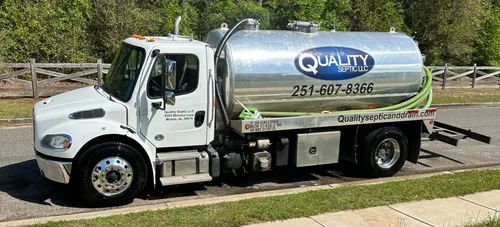
Quality Septic LLC
8503 Mimosa Ln, Mobile, AL 36619
Quality Septic LLC is a septic service provider based in Mobile, AL. Founded in 2017 with a focus on integrity, the company offers septic tank pumping, inspection, installation, and drain field repair services. They also provide septic pump replacement and grease trap pumping. Quality Septic LLC uses sewer jetting technology to clear clogs safely and effectively, ensuring thorough cleaning of pipes. The company serves residential customers in Mobile and surrounding areas.
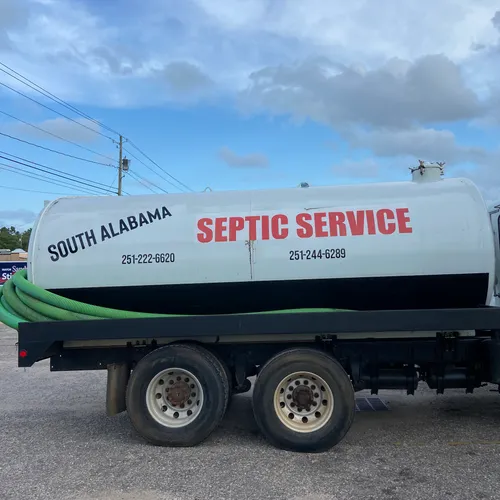
South Alabama Septic Service
7775 Avenue E, Mobile, AL 36608
South Alabama Septic Service is a septic tank pumping and repair company located in Mobile, AL. They provide services including septic tank pumping, grinder pump repair and replacement, septic tank cleaning, effluent pump repair and replacement, and drain field repair or replacement. With 28 years of experience since 1992, they focus on understanding customer needs and building personal relationships.
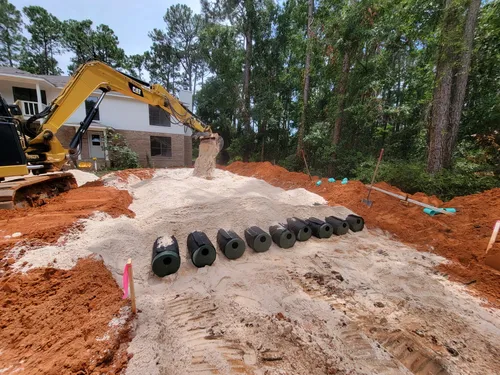
Anthony's Septic Tank Services
31378 US-90, Seminole, AL 36574
Anthony's Septic Tank Services is a family-owned business serving Mobile, AL, with over 45 years of experience in septic system care. They provide a range of services including septic tank installation, pumping, inspection, and repair for residential, commercial, and industrial clients. The company also handles drain field and grease trap pumping and offers septic tank certification and real estate inspections. Anthony's Septic Tank Services is equipped to respond to emergency after-hours and weekend requests, providing 24/7 availability.
Understanding Your Septic System's Drain Field
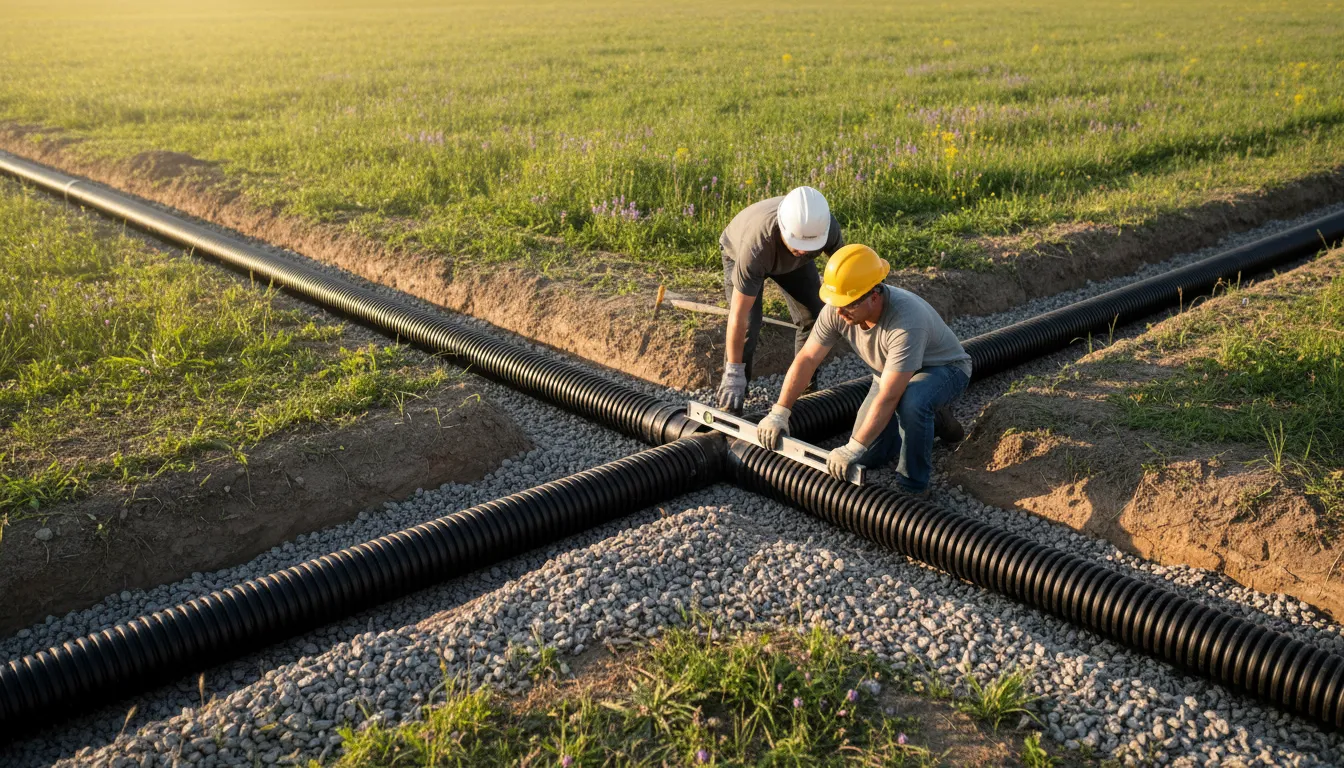
The drain field is the final and most crucial stage of your septic system. After solids settle in the septic tank, the clarified liquid effluent flows out into a network of perforated pipes buried in trenches filled with gravel. This effluent slowly percolates down through the soil, where natural biological processes remove harmful bacteria, viruses, and nutrients before the water rejoins the groundwater. In Mobile's often humid climate with variable soil conditions, this component is under constant stress. Proper function relies on unsaturated soil; when the soil becomes permanently saturated or clogged, the system fails.
Signs You Need Drain Field Repair or Replacement
Recognizing early warning signs can prevent a complete system failure and more costly repairs. Look for these indicators around your property:
- Soggy Ground or Standing Water: Persistent wet, spongy areas or puddles over the drain field, especially when it hasn't rained, are a primary sign of failure.
- Sewage Odors: Unpleasant smells emanating from the yard near the drain field or even inside the house.
- Slow Drains and Backups: Gurgling pipes, slow-draining sinks and toilets, or sewage backups can indicate that the drain field is not accepting effluent, causing the entire system to back up.
- Unusually Green Grass: While sometimes a sign of fertilization, patches of grass over the drain field that are significantly lusher and greener than the rest of the lawn can indicate a nutrient-rich effluent surfacing.
- Algae Blooms in Nearby Ditches or Ponds: Nutrient-rich effluent reaching surface water can cause excessive algae growth.
If you notice any of these signs, it's time to contact a licensed professional for a system evaluation.
The Professional Evaluation and Diagnosis Process
Before any work begins, a thorough inspection is essential to determine the exact problem and the proper solution. A certified technician will typically follow these steps:
- System Locating & Visual Inspection: The technician will locate the septic tank and drain field boundaries, looking for visible signs of failure like those listed above 1.
- Tank Inspection & Pumping: The septic tank will be pumped and inspected. A full tank can send excess solids into the drain field, causing premature failure. The technician will check the tank's structural integrity, the baffles, and the effluent filter (if present) 2.
- Drain Field Assessment: This may involve a camera inspection of the distribution box and drain lines to check for blockages, root intrusion, or crushed pipes 3. A "push test" or "pressure test" might also be performed to see if the lines are holding and dispersing effluent properly.
Based on this evaluation, the professional will determine if the issue is a localized repair or requires a full drain field replacement.
Mobile County Regulations and Permits
Any repair, alteration, or replacement of a septic system in Mobile requires adherence to strict state and county regulations. You cannot proceed without the proper permits.
- Permitting Authority: The Mobile County Health Department is the local permitting authority for onsite wastewater systems 4.
- Mandatory Permit: A permit is required before any construction or repair begins on a drain field or septic tank.
- Licensed Professionals: All design, installation, and repair work must be performed by an installer licensed by the Alabama Onsite Wastewater Board (AOWB).
- Governing Rules: Systems must comply with the Alabama Department of Public Health's (ADPH) Onsite Sewage Treatment and Disposal regulations, specifically Alabama Administrative Code 420-3-1.
- Final Approval: Upon completion, the health department must issue an "Approval for Use" before the system can be put back into service 5.
Attempting work without a permit or using an unlicensed contractor can result in fines, an improper installation, and future legal issues if the system contaminates groundwater.
Key Site and Soil Factors for Mobile, AL
The design and feasibility of a new drain field are heavily dependent on your specific property's conditions, which a professional will evaluate.
- Soil Percolation Test (Perc Test): This is a mandatory test that determines how quickly water drains through your soil. The results dictate the size and type of system needed 6.
- Soil Depth and Groundwater: Technicians must measure the depth to the seasonal high-water table or a restrictive layer like hard clay or rock. Shallow water tables are common in parts of Mobile and can limit drain field options.
- Setback Requirements: Alabama law requires drain fields to be situated at least 100 feet from any drinking water well and 50 feet from streams, lakes, or other water bodies. They must also be downhill from wells.
- System Sizing: The size (total trench length) of the drain field is calculated based on the number of bedrooms in the home (a proxy for daily wastewater flow) and the soil's percolation rate 7.
Find the perfect drain field repair companies for your needs
Get personalized recommendations and expert advice
Repair vs. Replacement: Understanding Your Options
The solution depends entirely on the diagnosis from the system evaluation.
Drain Field Repair Repairs are possible if the problem is localized. This might involve:
- Jetting or Cleaning: Using high-pressure water to clear a blockage in a section of pipe.
- Spot Repair: Excavating and replacing a single clogged or crushed drain line.
- Root Removal: Cutting out roots that have invaded the pipes.
Repairs are less invasive and costly but are only a solution for minor, isolated issues 8.
Drain Field Replacement A full replacement is necessary when the soil in the entire absorption area has become biomat-clogged (a thick, impermeable layer formed by bacteria) or is permanently saturated. This involves:
- Abandoning the Old Field: The old trenches are taken out of service.
- Designing a New Field: A new drain field is designed for a different area of your yard, meeting all current health code requirements.
- Excavation and Installation: New trenches are dug, gravel and perforated pipes are laid, and the area is covered with soil and sod.
This is a major landscaping project but is the only permanent solution for a failed field 9.
Cost of Drain Field Repair and Replacement in Mobile
Costs can vary widely based on soil conditions, system size, accessibility, and the extent of the problem.
- Drain Field Replacement Costs: For a full conventional system replacement (tank and drain field) in Alabama, homeowners can generally expect costs to range from $5,000 to over $12,00010. In Mobile specifically, data suggests the average cost for a conventional system installation falls between $4,022 and $5,74611. Another estimate for a standard 1,000-gallon system serving a 3-bedroom home in Mobile cites a range of roughly $6,400 to $7,60012.
- Factors Influencing Cost:
- Soil Conditions: Poor-draining soil requires a larger drain field, increasing cost.
- System Size & Technology: Larger homes need larger systems. Alternative systems (like mound or aerobic systems) for difficult sites cost more than conventional ones.
- Accessibility: Tight yards or properties requiring special equipment increase labor costs.
- Permit and Design Fees: These are separate costs paid to the health department and/or the system designer.
Always get multiple detailed quotes from licensed AOWB contractors that break down all costs, including permits, design, materials, and labor 13.
Maintaining Your New or Repaired Drain Field
Protect your investment with proper care to maximize the lifespan of your new drain field, which can be 20+ years.
- Pump Regularly: Have your septic tank pumped every 3 to 5 years by a professional to prevent solids from escaping into the drain field.
- Conserve Water: Spread out laundry loads and fix leaks to avoid hydraulically overloading the system.
- Mind What You Flush: Only human waste and toilet paper should go down the toilet. Avoid chemicals, grease, wipes (even "flushable" ones), and feminine hygiene products.
- Limit Garbage Disposal Use: Disposals significantly increase the amount of solids in your tank. Compost food scraps instead 14 15.
- Protect the Area: Never drive, park, or build structures (decks, sheds) over the drain field. Plant only grass over it; deep-rooted trees and shrubs can damage pipes.
Frequently asked questions
Sources
Footnotes
-
How to Inspect Your Septic System: A Homeowner's Monthly Checklist - CWS Septic ↩
-
Preparing for Septic Tank Inspection: 7 Key Steps - Septic 911 ↩
-
Septic Tank Maintenance | Alabama Department of Public Health ↩
-
Alabama Septic Tank Requirements | Onsite Sewage and Disposal Systems - NTO Tanks ↩
-
Alabama Administrative Code 420-3-1 - Onsite Sewage Treatment and Disposal ↩
-
Field Line Repairs and Replacements in Alabama - SFI Environmental ↩
-
The Ultimate Guide to Replacing a Septic Drain Field - RCI Septic ↩
-
How Much Does It Cost To Install A Septic Tank In Alabama? - K&K Septic ↩
-
Septic Tank Installation in Mobile, AL - Costs 03 / 2026 - Homeyou ↩
-
Mobile Septic Systems Costs & Prices - ProMatcher Cost Report ↩
-
Cost to Replace Septic Tank and Drain Field [2026 Data] | Angi ↩
-
Caring for Septic Systems - Alabama Cooperative Extension System ↩
-
Septic Tank System: Homeowner's Guide & Records Folder - ADPH ↩