Find the Best Drain Field Repair Companies for Your Business
No obligation • Fast responses • Nationwide coverage

Why you can trust Septic Spot
Septic Spot is a leading United States resource for understanding and comparing septic services. Our editors review providers using consistent criteria and verify key business details. Listings and scores are independent, and companies cannot pay to influence our content.
Search providers near you
Top Drain Field Repair Companies in Huntsville, Alabama Ranked
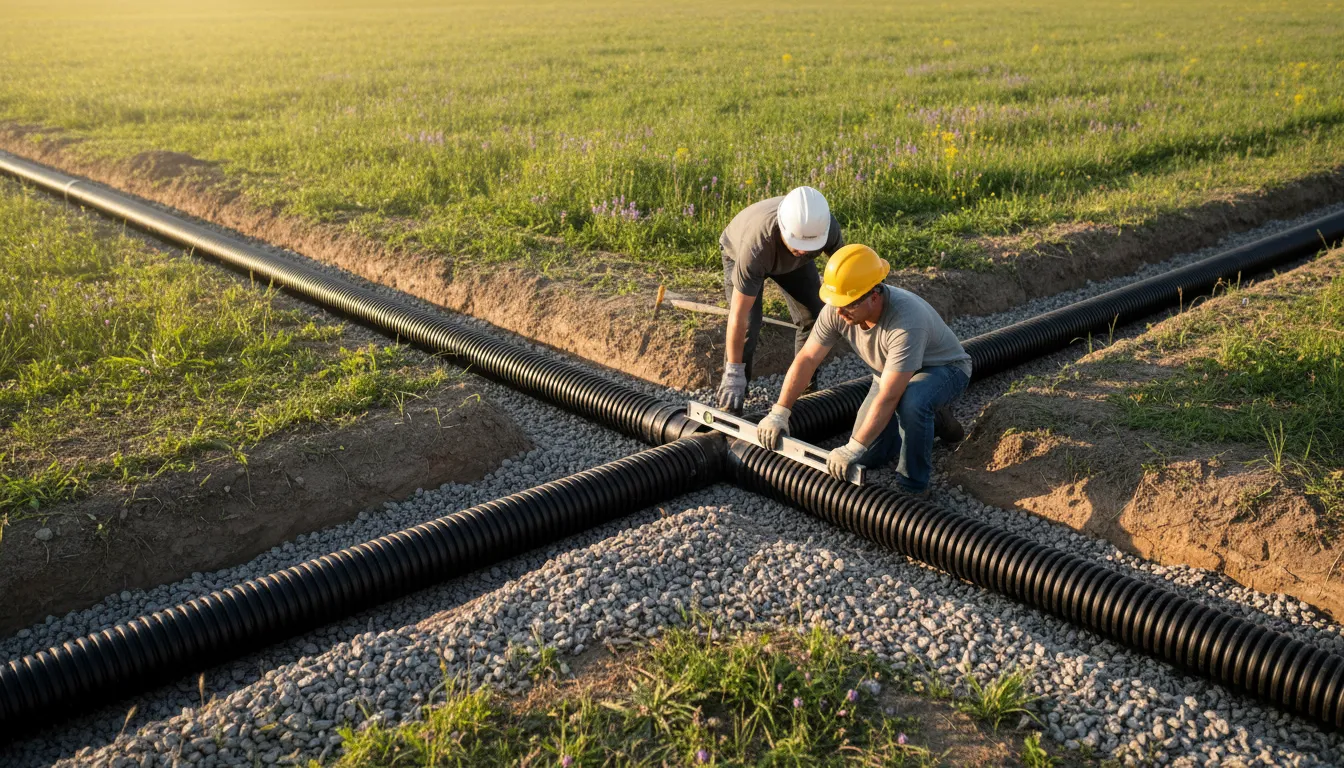
A failing drain field is a serious issue for any Huntsville homeowner with a septic system. This critical component, also known as a leach field or absorption field, is responsible for safely filtering and dispersing treated wastewater into the soil. When it malfunctions, it can lead to soggy yards, foul odors, and even sewage backups into your home. Understanding the local regulations, repair processes, and maintenance requirements is essential for protecting your property and investment. This guide provides the information you need to navigate drain field issues, connect with qualified local professionals, and ensure your system operates effectively for years to come.
Sep-Tek
Huntsville, AL
Sep-Tek is a veteran-owned septic service provider based in Huntsville, AL. They offer a full range of septic system services including installation for new and replacement systems, inspections, pumping, and repairs. Their team inspects tanks for leaks and sludge buildup, and they address issues such as clogged filters, damaged field lines, or plumbing leaks. Sep-Tek also provides emergency septic services to respond to urgent sewage problems.
Baker's Septic Service
Huntsville, AL
Baker's Septic Service provides comprehensive septic system installation, repair, and maintenance services in Huntsville, AL, and surrounding areas including Madison, Decatur, and Athens. They specialize in septic tank installations, pump system installations, engineered septic systems, mound systems, and drain field repairs. The company also offers excavation and site preparation to support septic system projects. Baker's Septic Service focuses on ensuring proper wastewater flow and preventing common septic issues such as backups and slow drainage. They serve residential and commercial properties with expertise in handling challenging soil conditions and system layouts.
Jason Daniel Construction
Huntsville, AL
Jason Daniel Construction is a family-owned excavation and septic services company serving Huntsville, AL, and surrounding areas. With 30 years of experience, they provide residential and commercial excavation, septic system installation and repair, and drain field solutions. Their skilled team also offers tree services, pond and lake installation, and retaining wall construction. Known for handling tough projects with integrity, they deliver comprehensive land services including erosion control and site preparation.
McNeese Septic & Excavation, LLC
Huntsville, AL
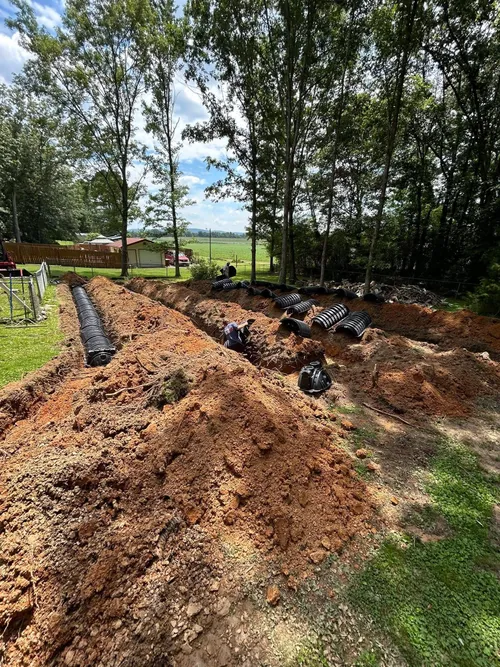
McNeese Septic & Excavation, LLC is a locally owned company based in Huntsville, Alabama, offering septic system installation, repair, and excavation services for residential and commercial clients. They provide tailored solutions including septic tank installation, drain field repair, and various excavation tasks such as land clearing and utility trenching. The team holds a Septic Installation License from the Alabama Onsite Wastewater Association (AOWA) and has built a reputation for precision and craftsmanship over years of serving the Huntsville area.
GULLEY CONSTRUCTION LLC
38090 US-72, Stevenson, AL 35772
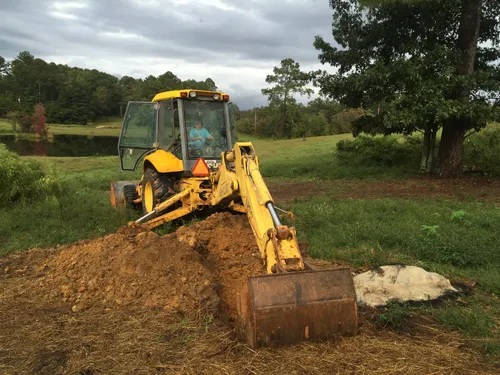
GULLEY CONSTRUCTION LLC is a second-generation company based in Huntsville, AL, providing septic system services since 1981. They offer septic tank pumping, installation, maintenance, and repairs, along with excavation, land clearing, and soil processing. The company is licensed and certified for specialized projects and is the area's only certified distributor and installer of Norweco and Singulair Green aerobic systems. They also use the EarthBuster technology to address drainage field problems and provide after-hours emergency septic services.
Understanding Your Septic Drain Field
The drain field is the final stage of your onsite wastewater system. After solids settle in the septic tank, the liquid effluent flows through a network of perforated pipes buried in trenches filled with gravel. This effluent slowly percolates into the soil, where natural processes provide final treatment by removing harmful bacteria, viruses, and nutrients. A properly functioning leach field is invisible; you should only see healthy grass above it. Problems arise when the soil becomes clogged or "biomat" forms, preventing proper absorption. In Huntsville's varied landscape, factors like soil type, high water tables, and system age all play a role in drain field health.
Signs You Need Drain Field Repair or Replacement
Recognizing early warning signs can save you from more extensive and costly repairs down the line. Don't ignore these common indicators of a failing absorption field:
- Soggy Ground or Standing Water: Persistent wet, mushy, or spongy areas over the drain field, especially when it hasn't rained, are a primary red flag.
- Foul Odors: Unpleasant sewage smells emanating from your yard, particularly near the drain field area.
- Slow Drains and Backups: Gurgling pipes, slow-draining sinks and toilets, or sewage backups in the home can indicate that the drain field is saturated and not accepting water.
- Unusually Green Grass: While the grass over a working field should be healthy, patches of grass that are strikingly greener and lusher than the rest of the lawn can signal a nutrient-rich leak.
- Algae Blooms in Nearby Ponds or Ditches: This can indicate that untreated wastewater is surfacing and running off into water bodies.
If you notice any of these signs, it's time to contact a licensed professional for an inspection.
The Huntsville Repair & Replacement Process
Addressing drain field issues in Madison County follows a structured process governed by state and local health codes. All work must be performed by an installer or pumper licensed by the Alabama Onsite Wastewater Board (AOWB).
1. Professional Inspection and Diagnosis A licensed technician will first locate your septic tank and field lines, often using records from the Madison County Health Department. They will then perform a thorough inspection to determine the root cause of the failure. This may involve camera inspections to locate blockages or broken pipes, pressure tests to check for leaks, and assessing the soil absorption rate 1 2. The goal is to determine if a targeted repair is possible or if a full or partial replacement is necessary.
2. Site Evaluation and Permitting Before any repair or replacement can begin, you must obtain a permit from the Madison County Health Department. The permitting process typically requires a site evaluation and soil analysis (often called a "perc" or percolation test) to determine the soil's ability to absorb water. A professional design plan for the new or repaired system must be submitted and approved. This step ensures the new system is sized correctly and placed in compliance with all setbacks, such as being at least 100 feet from drinking water wells and 50 feet from streams.
3. Repair vs. Replacement Options
- Field Line Repair: If the problem is isolated-such as a crushed pipe from soil compaction or a root intrusion-a technician may be able to excavate and replace just the damaged section of lateral line.
- Drain Field Replacement: If the soil is permanently clogged or the entire field has failed, a new absorption field must be constructed. This often involves excavating new trenches in a different area of your property, installing new gravel and perforated pipes, and connecting them to the existing or a new septic tank.
- Advanced System Installation: In areas of Huntsville with heavy clay soil or a high water table that fails a standard perc test, a conventional drain field may not be viable. In these cases, an advanced treatment system, like an aerobic treatment unit (ATU), may be required to further treat the wastewater before dispersal 3.
Find the perfect drain field repair companies for your needs
Get personalized recommendations and expert advice
Costs for Drain Field Work in Huntsville
The cost for drain field solutions in Huntsville varies widely based on the extent of the problem, soil conditions, system size, and permit requirements. It's crucial to get multiple estimates from licensed professionals.
- New Drain Field Installation: Installing a new leach field typically ranges between $2,000 and $10,000. Material costs include lateral line pipes (approximately $9-$12 per linear foot) and gravel ($12-$30 per ton).
- Complete System Replacement: Replacing the entire septic system, including tank and drain field, is a larger project. In Alabama, total costs commonly average between $5,000 and $12,0004 5. For a conventional 3-bedroom system in Huntsville, installation might cost between $6,300 and $7,5006.
- Field Line Repairs: Spot repairs are less expensive but depend entirely on the damage's location and accessibility. Costs can range from a few hundred to several thousand dollars.
These figures are estimates; always request a detailed, written quote that includes permitting, materials, labor, and site restoration.
Local Regulations and Key Considerations
Huntsville and Madison County enforce Alabama state codes for onsite wastewater systems. Key regulations include:
- Licensing: Anyone performing septic tank pumping, repair, or installation must hold a current license from the Alabama Onsite Wastewater Board (AOWB) 7. Always verify a contractor's license.
- Permits: A permit from the local health department is mandatory for all repairs and replacements. Working without a permit can result in fines and an unapproved system that may hinder property sales 8.
- Setbacks: Drain fields must be strategically placed with minimum distances from property lines, wells, water bodies, and structures. The 100-foot setback from wells and 50-foot from streams are critical for public health 9.
- Soil and Site Protection: Never drive, park, or build structures (like sheds or patios) over your drain field. The weight compacts the soil, crushing pipes and ruining its absorption ability. Also, avoid planting trees or deep-rooted shrubs near the field, as roots will seek out moisture and clog the pipes.
Maintaining Your Drain Field to Prevent Failure
Proactive maintenance is the most cost-effective strategy to avoid premature drain field failure.
- Pump Your Tank Regularly: Have your septic tank pumped every 3 to 5 years by a licensed pumper. This prevents solids from overflowing into and clogging the drain field 10.
- Conserve Water: Spread out laundry loads and fix leaky faucets to avoid hydraulically overloading the system.
- Mind What You Flush: Only human waste and toilet paper should go down the toilet. Avoid chemicals, grease, diapers, wipes (even "flushable" ones), and feminine hygiene products.
- Use a Garbage Disposal Sparingly: If you have one, use it minimally. Garbage disposals can increase the solids in your tank by up to 50%, requiring more frequent pumping 11 12.
- Divert Rainwater: Ensure roof gutters, sump pumps, and surface drainage are directed away from the drain field area to prevent saturation.
Frequently asked questions
Sources
Footnotes
-
Field Line Repairs and Replacements in Alabama - https://sfienvironmental.net/field-line-repairs-replacements-north-central-alabama/ ↩
-
Cost to Install Septic System in Huntsville AL in 2026 - Contractor Plus - https://contractorplus.app/resources/construction-costs/install-septic-system/huntsville-al ↩
-
What is the best septic system if your land fails a perc test? - https://www.premiertechaqua.com/en-us/blog/best-septic-system-failed-perc-test ↩
-
How Much Does It Cost To Install A Septic Tank In Alabama? - https://kandkseptic.com/how-much-does-it-cost-to-install-a-septic-tank-in-alabama/ ↩
-
How Much Does A Septic System Cost? - https://uniquedrainseptic.com/blogs/resources/how-much-does-a-septic-system-cost ↩
-
Huntsville Septic Systems Costs & Prices - ProMatcher Cost Report - https://septic-systems.promatcher.com/cost/huntsville-al-septic-systems-costs-prices.aspx ↩
-
Alabama Septic Tank Requirements | Onsite Sewage and Disposal Systems - https://www.ntotank.com/blog/alabama-septic-tank-requirements ↩
-
Septic Tank Systems | Alabama Department of Public Health ... - https://www.alabamapublichealth.gov/onsite/septic-tanks.html ↩
-
The Ultimate Guide to Replacing a Septic Drain Field - https://www.rciseptic.com/the-ultimate-guide-to-replacing-a-septic-drain-field ↩
-
Septic Tank Maintenance | Alabama Department of Public ... - https://www.alabamapublichealth.gov/onsite/maintenance.html ↩
-
Caring for Septic Systems - https://www.aces.edu/blog/topics/fish-water/caring-for-septic-systems/ ↩
-
Septic Tank System: Homeowner's Guide & Records Folder - https://www.alabamapublichealth.gov/onsite/assets/homeownersguide.pdf ↩