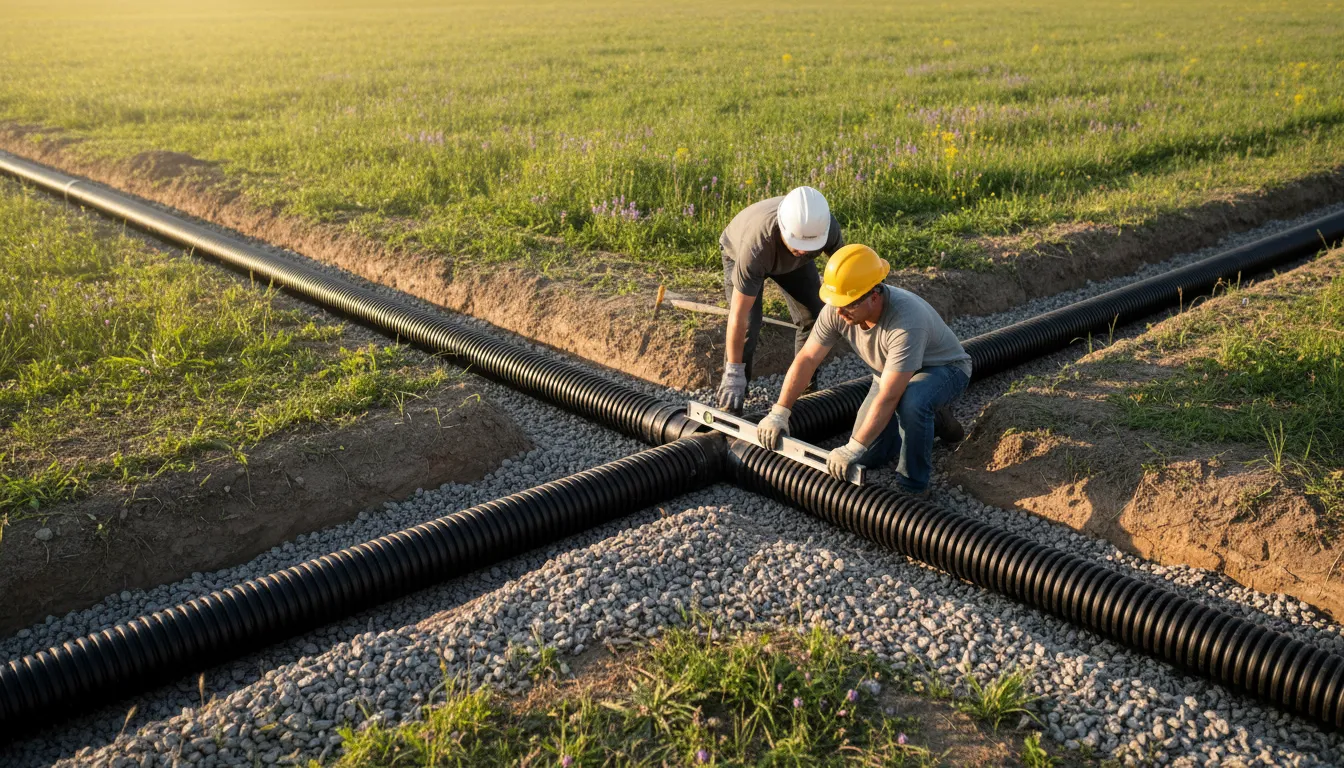
Find the Best Drain Field Repair Companies for Your Business
No obligation • Fast responses • Nationwide coverage

Why you can trust Septic Spot
Septic Spot is a leading United States resource for understanding and comparing septic services. Our editors review providers using consistent criteria and verify key business details. Listings and scores are independent, and companies cannot pay to influence our content.
Search providers near you
Top Drain Field Repair Companies in Alpharetta, Georgia Ranked
A failing septic drain field is a serious concern for any Alpharetta homeowner, signaling that your property's essential wastewater treatment system is compromised. Drain field repair and replacement involves addressing issues with the underground network of perforated pipes and soil that naturally filters and disperses liquid effluent from your septic tank. This work is critical for protecting your family's health, safeguarding local groundwater, and maintaining your property's value. This guide provides the key information you need to understand the process, local regulations, and how to connect with certified professionals in the Alpharetta area who can assess your situation and provide solutions.
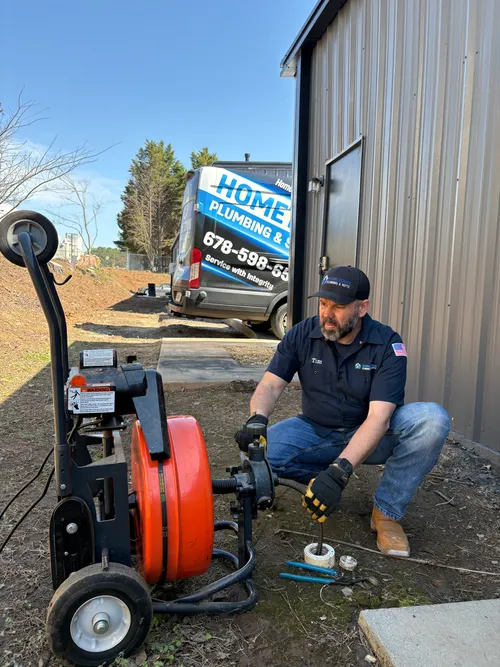
Hometown Plumbing and Septic
3375 Hutchinson Rd, Cumming, GA 30040
Hometown Plumbing and Septic provides professional septic services in South Fulton, GA, and the surrounding Metro Atlanta and North Georgia areas. They specialize in septic tank pumping, inspections, repairs, and complete system replacements for both residential and commercial properties. Their services also include drain field repair and lift station maintenance. With decades of experience and advanced equipment, they handle complex septic system issues with precision. They serve multiple counties including Barrow, Cherokee, Cobb, and others, offering preventative maintenance to help avoid emergency repairs.
Independent Septic and Sewer LLC
Atlanta, GA
Independent Septic and Sewer LLC is a family-owned business serving Atlanta, GA, and surrounding counties. They provide septic tank pumping, cleaning, inspection, repair, and installation services for residential and commercial properties. With over 20 years of experience, the company offers expertise in diagnosing and repairing septic system issues, including drain field repairs and sewer line maintenance. They also provide a 10-year warranty on repairs and handle all necessary permits and building code requirements. Their services include thorough septic tank pumping that removes both liquids and solids, as well as hydro jetting and camera inspections when needed.
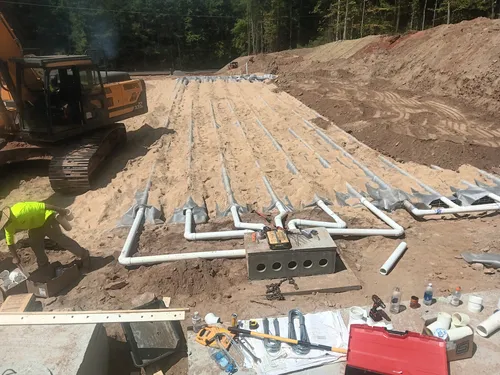
AC Septic Services
7460 Heardsville Cir, Cumming, GA 30028
AC Septic Services is a septic system company based in South Fulton, GA, offering a range of services including septic tank pumping, inspection, repair, installation, and drain field replacement. With 10 years of experience, they serve Cumming and surrounding areas, using advanced technology to provide efficient and tailored septic solutions. The company also offers 24/7 emergency services to address urgent septic system issues promptly.
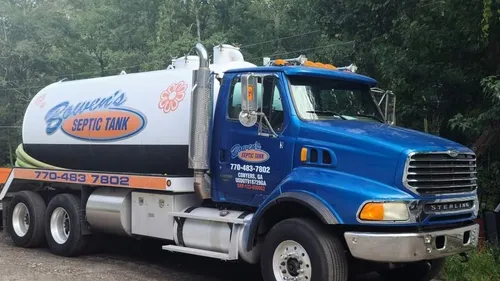
Bowen's Septic Tank
3935 GA-20, Conyers, GA 30012
Bowen's Septic Tank is a family-owned and locally operated business serving Atlanta, GA, and the surrounding metro area. With over 30 years of experience, they provide a full range of septic services including pumping, inspections, repairs, installations, and drain field replacements for residential, commercial, and industrial customers. Their capabilities include hydro-jetting and camera diagnostics, supported by written guarantees and the best warranty in the industry. Bowen's also offers plumbing services and biological septic treatments to maintain system health.
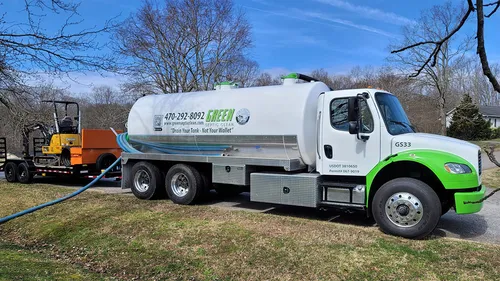
Green Septic Clean
2772 Maeve Ct NE, Dacula, GA 30019
Green Septic Clean is a septic tank pumping and repair company serving Atlanta, GA, and surrounding areas including Dacula, Athens, Royston, and Hartwell. They provide septic pumping, septic system repairs, and drain field restoration or replacement. The company offers emergency service available 24/7/365 to address urgent septic issues. Green Septic Clean is licensed, bonded, and insured, focusing on maintaining proper septic system function and preventing problems before they escalate.
Understanding Your Septic Drain Field
Often called a leach field or absorption field, the drain field is the final and most crucial stage of a conventional septic system. After solids settle in the septic tank, the clarified liquid wastewater flows into a distribution box and then out through a series of perforated pipes buried in trenches filled with gravel. This effluent slowly seeps into the surrounding soil, where natural biological processes treat it before it rejoins the groundwater.
When this system fails, you might notice soggy, spongy ground or standing water over the field area, unpleasant sewage odors indoors or outdoors, or drains that are slow to empty. These symptoms indicate that the soil can no longer absorb and treat the effluent, requiring professional intervention.
Alpharetta and Fulton County Regulations
All work on septic systems in Alpharetta falls under the jurisdiction of the Fulton County Board of Health, which enforces rules set by the Georgia Department of Public Health (DPH). Understanding these regulations is the first step in any repair or replacement project.
- Permits Are Mandatory: You must obtain a construction permit from the local health department before any installation, modification, or repair begins. A site evaluation and system design by a certified professional are typically required for permit approval.
- Certified Contractors: All repairs and installations must be performed by a Georgia-certified septic system contractor. Hiring a certified professional ensures the work meets state and county codes.
- Critical Setback Distances: Georgia law specifies minimum distances that a drain field must maintain from other features:
- 50 feet from any water well
- 25 feet from streams, lakes, or other water bodies
- 10 feet from property lines
- 15 feet from drainage ditches 1
These setbacks are non-negotiable and heavily influence where a new or repaired field can be located on your property.
Key Factors Influencing Drain Field Work
Several site-specific conditions determine the feasibility, design, and cost of any drain field project in Alpharetta.
- Soil Evaluation (Perc Test): The composition and drainage capacity of your soil-measured by a percolation (perc) test-is the most important factor. The test determines how quickly water absorbs into the ground, which dictates the size and type of system required. Poorly draining clay soils, common in parts of Georgia, may require a larger field or an alternative system.
- Site Topography and Space: The slope of your land is critical. Drain fields cannot be installed on steep slopes due to the risk of effluent surfacing. The available space must also accommodate not only the field itself but also a designated repair area (or "reserve area") for future use, as required by many health departments 2.
- High Groundwater: If the seasonal high water table is too close to the surface, it can saturate the drain field and cause failure. Special engineered systems may be necessary in such cases 3.
- System Size (Bedroom Count): The required capacity of your septic system, and thus the size of the drain field, is legally based on the number of bedrooms in your home, not the number of bathrooms.
The Professional Process: From Inspection to Completion
A reputable, certified contractor will follow a structured process for drain field rehabilitation or replacement.
- Comprehensive Site Inspection: The professional will assess the entire septic system-tank, distribution box, and field lines-to diagnose the root cause of failure. This may involve a camera inspection of lines or a hydraulic load test 4.
- Soil and Site Evaluation: A detailed analysis of soil type, percolation rate, topography, and groundwater levels is conducted to inform the design 5 6.
- System Design and Permitting: Based on the findings, the contractor will design a repair or replacement solution that complies with all regulations and submits the plans to the Fulton County Board of Health for permit approval 7.
- Execution of Work: For repairs, this may involve techniques like high-pressure jetting to clear clogged pipes or replacing sections of damaged line. A full replacement involves excavating the old field and installing a new network of pipes and gravel in accordance with the approved design 8.
- Final Inspection and Approval: Once work is complete, a county health inspector will conduct a final review, often including a dye test or load test, to ensure the system is functioning correctly before authorizing its use 9.
Find the perfect drain field repair companies for your needs
Get personalized recommendations and expert advice
Understanding Costs for Drain Field Work in Alpharetta
Costs for drain field services vary widely based on the scope of work, soil conditions, and system type. The figures below are general estimates for the Alpharetta area.
- Drain Field Repair or Rejuvenation: Addressing specific issues like clogged or broken pipes typically ranges from $1,000 to $5,000.
- Partial Drain Field Replacement: Replacing the field lines and gravel while utilizing the existing tank and distribution box can average around $7,000.
- Full System Replacement: Installing a new septic tank and a completely new leach field is a major project, with costs generally ranging from $5,000 to over $12,000 10.
- Alternative/Engineered Systems: For properties with challenging soil or space constraints, advanced treatment systems (like aerobic treatment units or mound systems) can cost significantly more, often between $15,000 and $50,000+ 11 12.
Remember, the final price is heavily influenced by the legally required system size (based on your home's bedroom count) and the specific soil conditions on your lot 13.
Preparing Your Property for Drain Field Work
A little preparation can make the contractor's job easier and potentially reduce labor time.
- Clear the Area: Remove any debris, garden structures, or portable sheds from the suspected drain field area and the potential replacement area.
- Consider Landscaping: Think about how the new field will integrate into your yard. Avoid planting trees or deep-rooted shrubs anywhere near the drain field, as roots are a leading cause of pipe intrusion and failure 14.
- Provide Access: Ensure heavy equipment like mini-excavators and trucks can easily access the work site.
Maintaining Your New or Repaired Drain Field
Protect your investment with proper care:
- Divert Water: Ensure roof gutters, sump pumps, and surface runoff are directed away from the drain field area.
- Drive and Park Off-Limits: Never drive or park vehicles, or place heavy structures like sheds or patios, over the drain field. This compacts the soil and can crush pipes.
- Mind What You Flush: Only human waste and toilet paper should go into a septic system. Avoid chemicals, grease, wipes, and excessive use of garbage disposals.
- Schedule Regular Pumping: Have your septic tank pumped every 3-5 years by a professional to prevent solids from overflowing into and clogging the drain field.
Frequently asked questions
Sources
Footnotes
-
Septic Systems | DeKalb Public Health - https://dekalbpublichealth.com/environmental-health/septic-systems/ ↩
-
Regulation 61-56 Onsite Wastewater Systems - https://des.sc.gov/sites/des/files/Library/Regulations/R.61-56.pdf ↩
-
Viking AVL | Septic Inspections Hendersonville NC: Your Complete Home Buyer's Guide - https://vikingavl.com/septic-inspections-hendersonville-nc-your-complete-home-buyer-s-guide ↩
-
Drainfield & Field Line Replacement in Alpharetta, GA - https://www.septicblue.com/field-line-repair-replacement-alpharetta-ga.html ↩
-
Georgia Septic System Guide: Regulations & Maintenance Tips - https://smartsepticpros.com/blog/georgia-septic-system-regulations/ ↩
-
Georgia's Septic Drain Field Requirements: Homeowner's Guide - https://smartsepticpros.com/blog/georgias-septic-drain-field-requirements/ ↩
-
Septic Drain Field Installation Guide GA: 7 Key Steps - https://dandhsepticservices.com/septic-drain-field-installation/ ↩
-
The Ultimate Guide to Replacing a Septic Drain Field - https://www.rciseptic.com/the-ultimate-guide-to-replacing-a-septic-drain-field ↩
-
New Jersey Septic System Rules - 2026 Guide - https://thesewerkings.com/blog/new-jersey-septic-system-rules/ ↩
-
How Much Does a Leach or Drain Field Replacement Cost? (2026) - https://homeguide.com/costs/drain-leach-field-replacement-cost ↩
-
Complete Guide to Septic Inspection in Georgia - https://dandhsepticservices.com/septic-inspection-in-georgia/ ↩
-
Cost to Replace Septic Tank and Drain Field [2026 Data] | Angi - https://www.angi.com/articles/how-much-new-drain-fields-foot.htm ↩
-
Georgia Septic Tank Requirements | On-Site Sewage ... - https://www.ntotank.com/blog/georgia-septic-tank-requirements?srsltid=AfmBOooWhySiVVHZ8rZA8SSeqk4TeOizesXawAyDdx38EUubXQWj4LxZ ↩
-
A Beginner's Guide to Septic Systems - CAES Field Report - https://fieldreport.caes.uga.edu/publications/B1421/a-beginners-guide-to-septic-systems/ ↩