Find the Best Drain Field Repair Companies for Your Business
No obligation • Fast responses • Nationwide coverage

Why you can trust Septic Spot
Septic Spot is a leading United States resource for understanding and comparing septic services. Our editors review providers using consistent criteria and verify key business details. Listings and scores are independent, and companies cannot pay to influence our content.
Search providers near you
Top Drain Field Repair Companies in Savannah, Georgia Ranked
A failing drain field, also known as a leach field or absorption field, is a serious issue for any home with a septic system. It's the final and most critical stage of wastewater treatment, where effluent is safely filtered back into the soil. When it fails, it can lead to sewage backups, soggy yards, and environmental contamination. This guide explains the process, costs, and local regulations for drain field repair and replacement in Savannah, helping you connect with qualified professionals to restore your system's function.
Gray Septic Solutions
Savannah, GA
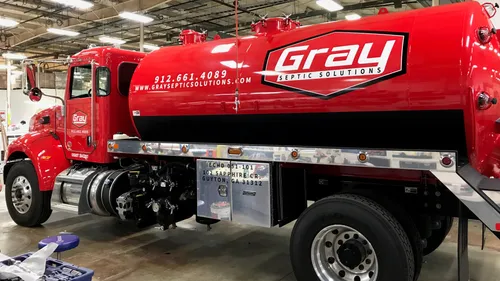
Gray Septic Solutions is a locally owned septic service provider based in Savannah, GA. Since 2015, they have offered a range of services including septic tank pumping, inspections, repairs, installations, and drain field replacements. The company handles both residential and commercial septic needs with in-house design, permitting, and installation, ensuring quality control without subcontractors. They also provide 24/7 emergency septic services to address urgent issues promptly. Gray Septic Solutions is fully licensed and insured, with expertise in managing the unique challenges of Savannah's coastal soil and water conditions.
Septic Works of the Lowcountry
36 Clarendon Rd, Savannah, GA 31410
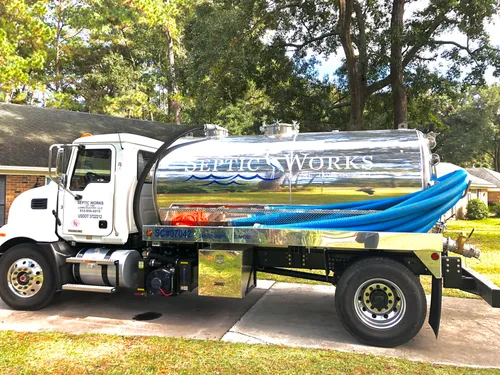
Septic Works of the Lowcountry is an owner-operated septic service company based in Savannah, GA. With over 10 years of experience, they provide a range of septic system services including installation, pumping, inspections, and drainfield repairs using Terralift technology. Their team handles residential and commercial septic needs, ensuring compliance with local regulations and tailored solutions for each property. They offer 24/7 emergency availability and personally oversee each project to maintain quality and timely completion.
J.H. Wilson Construction
5130 Ogeechee Rd, Savannah, GA 31405
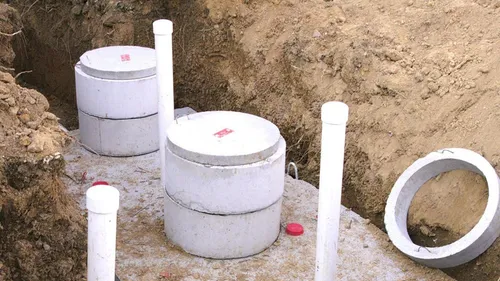
J.H. Wilson Construction is a family-owned business serving Savannah, GA, since 2007 with over 25 years of industry experience. They specialize in septic system installation, repair, and maintenance, including drain field services, grinder pump and lift station installations, and property drainage solutions. The company is licensed by the Georgia Department of Public Health and offers grading, excavation, and dewatering services as well. Emergency septic services are available, with non-emergency work scheduled within 24 to 48 hours.
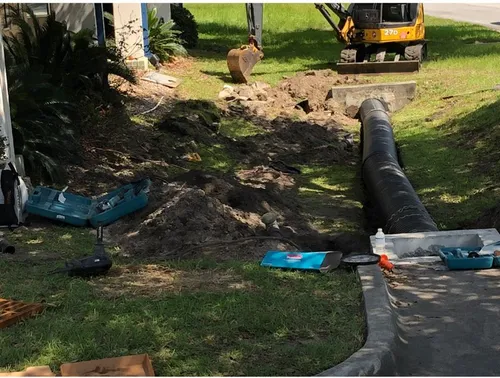
Drainage Expert, LLC
Savannah, GA
Drainage Expert, LLC is a drainage field repair and replacement contractor based in Savannah, GA. They provide residential and commercial drainage solutions, including drain field services and hardscape design, to protect properties from flooding and related damage. With over 25 years of experience, the company specializes in concealed drainage installations that maintain the appearance of high-end landscapes. Their service area includes Savannah and surrounding communities in Georgia and parts of southeastern South Carolina.
Understanding Your Savannah Drain Field
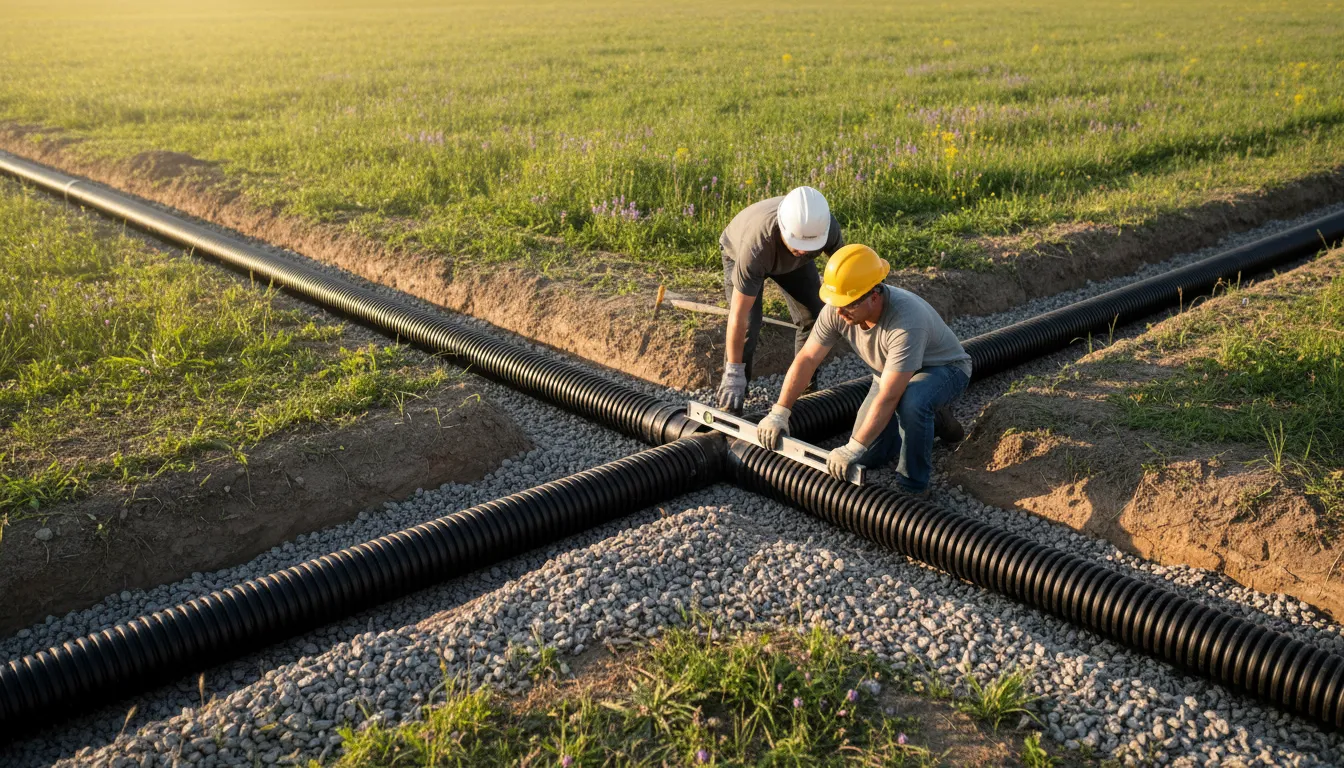
The drain field is a network of perforated pipes buried in trenches filled with gravel. After solids settle in the septic tank, liquid effluent flows into these pipes and slowly percolates into the surrounding soil, which provides the final natural filtration. In Savannah and coastal Georgia, this process is heavily influenced by local conditions. The area's high water table and sandy, fast-draining soils present unique challenges that often dictate the type of system your property can support.
Failure occurs when the soil becomes clogged or "biomat" forms, preventing proper absorption. Common signs include:
- Persistently soggy or standing water over the drain field area.
- Unusually lush, green grass growing over the field.
- Sewage odors in the yard or home.
- Slow-draining sinks and toilets, or backups.
If you notice these signs, it's crucial to act quickly to prevent further damage and potential health code violations.
Local Regulations and Permit Requirements
All work on a septic system in Chatham County, including Savannah, is strictly regulated. You must obtain a construction permit from the Chatham County Health Department before any repair, modification, or replacement begins. This ensures the work complies with Georgia state regulations (Chapter 290-5-26).
Key regulatory steps include:
- Licensed Contractor: All installation and major repair work must be performed by a state-licensed septic system contractor 1.
- Site Evaluation & Soil Analysis: A certified soil classifier or evaluator must assess your property. They perform a percolation (perc) test to determine the soil's absorption rate and identify the seasonal high water table. This analysis, which costs roughly $1,300 on average, directly determines the size and type of system required 2 3.
- System Design & Permit Approval: Based on the soil evaluation, a system design is created and submitted with the permit application. The Health Department reviews this for compliance with all setbacks from property lines, wells, water bodies, and structures 4 5.
- Final Inspection: Once installation is complete but before the system is covered with soil, a county health inspector must perform a final inspection to verify it matches the approved design.
The Repair vs. Replacement Decision
Not all drain field problems require a full replacement. A professional assessment is essential to determine the best course of action.
Drain Field Repair may be possible for minor issues, such as a crushed pipe or a small clogged section. However, in Savannah's environment, widespread failure due to hydraulic overload or long-term biomat buildup often makes spot repairs a temporary fix. If the soil itself is permanently saturated or clogged, replacement is the only permanent solution.
Full Drain Field Replacement involves constructing an entirely new absorption area. This is a major project that typically ranges from $5,000 to $12,000 or more for a standard gravity-fed system 6. The process includes:
- Site Inspection & Soil Testing: Locating the existing system and determining a suitable new location 7.
- System Removal/Abandonment: Properly abandoning the old drain field according to code.
- Excavation & Installation: Digging new trenches, placing gravel and distribution pipes, and connecting to the existing tank.
- Final Inspection & Covering: Passing the health department inspection before backfilling 8.
Find the perfect drain field repair companies for your needs
Get personalized recommendations and expert advice
Engineered Systems for Challenging Sites
Due to Savannah's high groundwater and sandy soils, many properties cannot support a conventional trench system. In these cases, an engineered septic system is required. These are designed to overcome site limitations and are more common here than in many inland areas.
Types of engineered systems include:
- Elevated Sand Mounds: A constructed mound of sand where the drain field is built above the natural soil level to maintain a safe distance from the water table.
- Low-Pressure Dose (LPD) Systems: Use a pump to evenly distribute effluent across the drain field, improving efficiency in poor soils.
- Aerobic Treatment Units (ATUs): Introduce oxygen to break down waste more thoroughly before it reaches the drain field.
Engineered systems involve more complex design, additional components like pumps and alarms, and stricter maintenance requirements. Consequently, they are significantly more expensive, with costs often ranging from $15,000 to $50,000 or more 9 10.
Cost Factors for Savannah Homeowners
The total cost for drain field work in Savannah is highly variable. Key factors include:
- System Type & Size: A standard replacement is less costly than an engineered system. Size is based on home occupancy and soil perc rate.
- Site Accessibility: Easy access for heavy machinery keeps costs down.
- Extent of Excavation: Rocky soil or the need for deep excavation increases labor and equipment time.
- Permitting & Design Fees: Includes soil testing, county permit fees, and system design work.
- Landscaping Restoration: Budget for restoring your yard after the construction is complete.
While cost is a major concern, investing in a properly permitted and installed system protects your property value and prevents costly environmental fines.
Maintaining Your New Drain Field
Protecting your investment starts the day your new system is activated. Proper maintenance can extend its lifespan for decades.
- Conserve Water: Spread out laundry loads and fix leaky faucets/toilets immediately. Hydraulic overload is a leading cause of failure 11.
- Mind What You Flush: Only human waste and toilet paper should go down the drain. Avoid chemicals, grease, wipes, and feminine hygiene products.
- Protect the Area: Never drive, park, or build structures over the drain field. Keep deep-rooted trees and shrubs at a safe distance.
- Pump the Tank Regularly: Have the septic tank pumped every 3-5 years by a professional to prevent solids from washing out into the drain field 12.
- Direct Water Away: Ensure roof gutters, sump pumps, and surface runoff are directed away from the drain field area.
Frequently asked questions
Sources
Footnotes
-
Georgia Septic Tank Requirements | On-Site Sewage ... - https://www.ntotank.com/blog/georgia-septic-tank-requirements ↩
-
Septic Drain Field Replacement Cost - https://dillonseptic.com/septic-drain-field-replacement-cost/ ↩
-
Cost to Replace Septic Tank and Drain Field [2026 Data] - https://www.angi.com/articles/how-much-new-drain-fields-foot.htm ↩
-
Residential-Study-Guide.pdf - GNR Health - https://gnrhealth.com/wp-content/uploads/2012/01/Residential-Study-Guide.pdf ↩
-
Septic Tank Plans: A Complete Homeowner's Guide - https://landperc.com/septic-tank-plans-guide/ ↩
-
Cost to Replace Septic Tank and Drain Field [2026 Data] | Angi - https://www.angi.com/articles/how-much-new-drain-fields-foot.htm ↩
-
Septic Drain Field Installation Guide GA: 7 Key Steps - https://dandhsepticservices.com/septic-drain-field-installation/ ↩
-
Septic Systems and Their Maintenance - https://nghd.org/files/ossms/Septic%20Systems%20and%20Their%20Maintenance.pdf ↩
-
Complete Guide to Septic Inspection in Georgia - https://dandhsepticservices.com/septic-inspection-in-georgia/ ↩
-
Engineered Septic System Design: A Complete Guide - https://landperc.com/engineered-septic-system-design/ ↩
-
homeowner's guide - to septic system maintenance - https://northgeorgiawater.org/wp-content/uploads/2017/10/SepticTankKit-MNGWPD.pdf ↩
-
The Ultimate Guide to Replacing a Septic Drain Field - https://www.rciseptic.com/the-ultimate-guide-to-replacing-a-septic-drain-field ↩