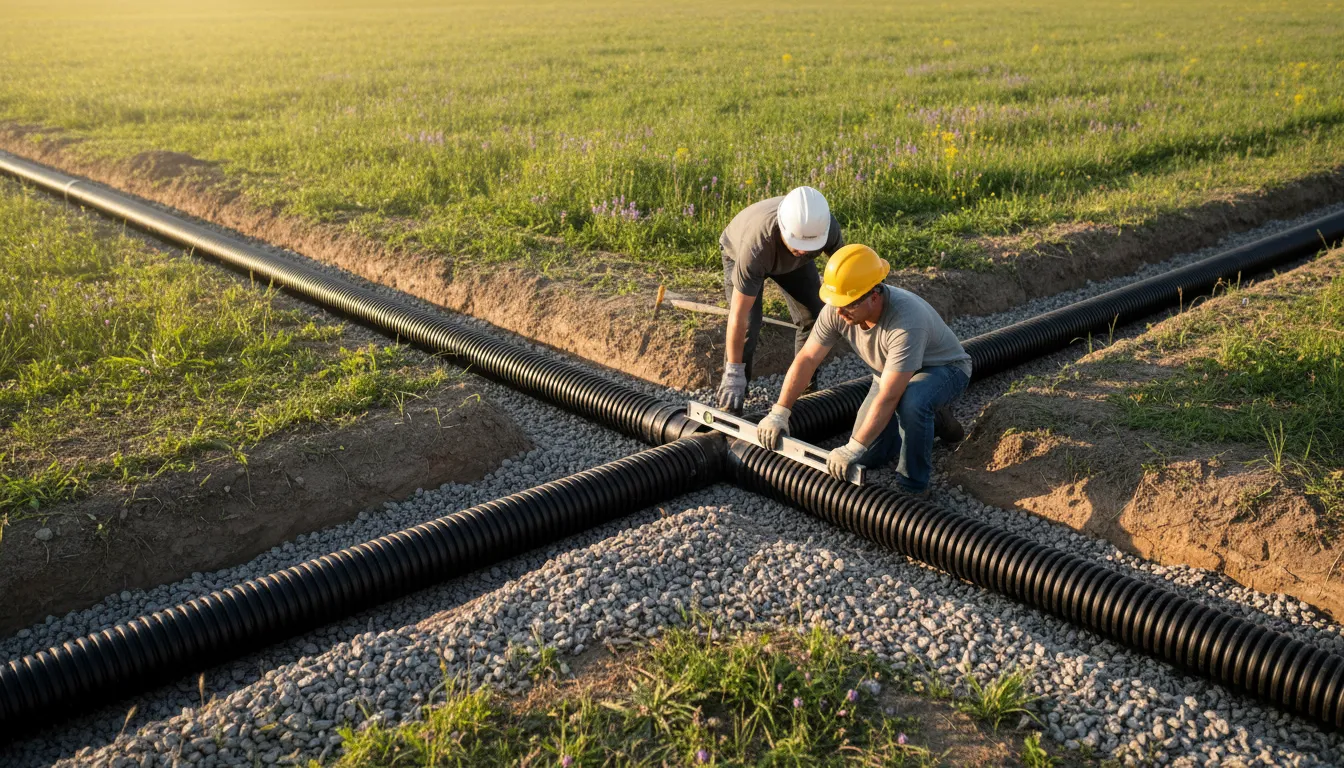
Find the Best Drain Field Repair Companies for Your Business
No obligation • Fast responses • Nationwide coverage

Why you can trust Septic Spot
Septic Spot is a leading United States resource for understanding and comparing septic services. Our editors review providers using consistent criteria and verify key business details. Listings and scores are independent, and companies cannot pay to influence our content.
Search providers near you
Top Drain Field Repair Companies in South Fulton, Georgia Ranked
A failing drain field, also known as a leach field or absorption field, is a serious issue for any home with a septic system. When this critical component stops properly dispersing treated wastewater, it can lead to soggy yards, sewage backups, and environmental contamination. In South Fulton, addressing these problems requires navigating specific local regulations and working with certified professionals. This guide explains the process, costs, and key considerations for drain field repair and replacement, helping you connect with qualified local experts to restore your system's function.
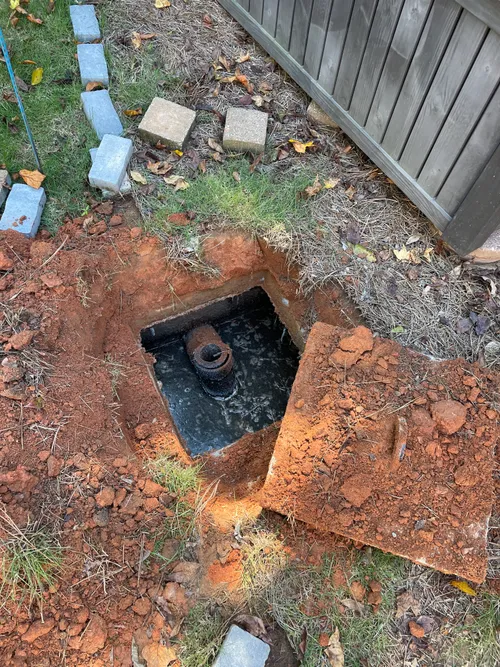
S&S Septic Services
5708 Toombs St, Lula, GA 30554
S&S Septic Services is a septic pumping, repair, and installation company serving South Fulton, GA, as well as northeast Georgia and Upstate South Carolina. They provide comprehensive septic solutions for residential, commercial, and government clients, including septic tank pumping, system repairs, new installations, and drain field cleaning through high-pressure jetting. The company also offers certified inspections, tank locating, and riser installations to support long-term maintenance. With over 20 years of experience, S&S Septic Services operates 24/7 to address emergency needs promptly.
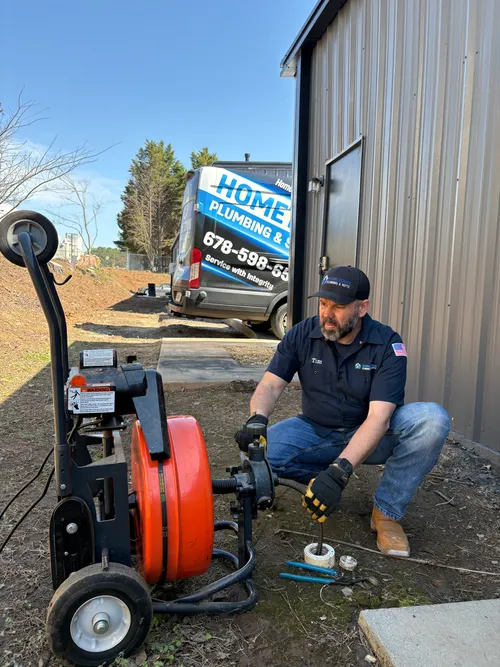
Hometown Plumbing and Septic
3375 Hutchinson Rd, Cumming, GA 30040
Hometown Plumbing and Septic provides professional septic services in South Fulton, GA, and the surrounding Metro Atlanta and North Georgia areas. They specialize in septic tank pumping, inspections, repairs, and complete system replacements for both residential and commercial properties. Their services also include drain field repair and lift station maintenance. With decades of experience and advanced equipment, they handle complex septic system issues with precision. They serve multiple counties including Barrow, Cherokee, Cobb, and others, offering preventative maintenance to help avoid emergency repairs.
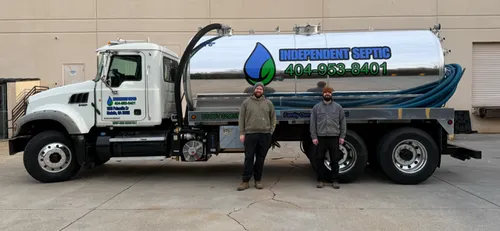
Independent Septic and Sewer LLC
Atlanta, GA
Independent Septic and Sewer LLC is a family-owned business serving Atlanta, GA, and surrounding counties. They provide septic tank pumping, cleaning, inspection, repair, and installation services for residential and commercial properties. With over 20 years of experience, the company offers expertise in diagnosing and repairing septic system issues, including drain field repairs and sewer line maintenance. They also provide a 10-year warranty on repairs and handle all necessary permits and building code requirements. Their services include thorough septic tank pumping that removes both liquids and solids, as well as hydro jetting and camera inspections when needed.
AC Septic Services
7460 Heardsville Cir, Cumming, GA 30028
AC Septic Services is a septic system company based in South Fulton, GA, offering a range of services including septic tank pumping, inspection, repair, installation, and drain field replacement. With 10 years of experience, they serve Cumming and surrounding areas, using advanced technology to provide efficient and tailored septic solutions. The company also offers 24/7 emergency services to address urgent septic system issues promptly.
Hart's Septic Services
110 Woodcreek Ln, Fayetteville, GA 30215
Hart's Septic Services provides a full range of septic system solutions in South Fulton, GA. Their services include septic tank pumping, inspections, repairs, and installations tailored to local soil and environmental conditions. They specialize in maintaining and restoring septic systems with advanced equipment and techniques, including emergency and after-hours support. The company serves Fayette and Coweta Counties, offering expert guidance through soil testing, permitting, and system design to ensure compliance and long-term functionality.
Understanding Your Drain Field and Common Failure Signs
The drain field is the final stage of your onsite wastewater treatment system. After solids settle in the septic tank, liquid effluent flows into a network of perforated pipes buried in gravel-filled trenches. This effluent slowly percolates into the soil, where natural processes provide final treatment. A system fails when the soil can no longer absorb the water, often due to compaction, biomat buildup, or hydraulic overload.
Common signs you may need drain field repair or leach field services include:
- Persistently soggy or spongy soil over the field area, even in dry weather.
- Sewage odors emanating from the yard, especially near the drain field.
- Slow drains and gurgling plumbing fixtures throughout the home.
- Unusually lush, green grass growing over the field.
- Sewage backing up into the home or surfacing in the yard.
If you notice any of these issues, it's crucial to contact a licensed professional for an inspection immediately. Ignoring the problem will only lead to more extensive and costly damage 1.
The Regulatory Landscape in Fulton County
Any work on a septic system in South Fulton, Georgia, is strictly regulated. You cannot simply hire an excavator to dig up and replace a drain field. The process is overseen by the Fulton County Environmental Health Department (part of the North Georgia Health District).
Key regulatory steps include:
- Permit Requirement: A Georgia construction permit is mandatory for any repair, replacement, or modification to your septic system. Starting work without a permit can result in fines and orders to remove unapproved work.
- Site Evaluation & Soil Report: Before a permit is issued, a certified soil scientist must conduct a detailed site evaluation. This typically requires a Level 3 or 4 soil report to determine the soil structure, percolation rate (how fast water drains), and the depth to seasonal high groundwater 2. This report is the foundation for designing a compliant system.
- System Design: A new or replacement system must be designed based on the home's bedroom count (which determines daily wastewater flow) and the findings of the soil report 3. The design will specify the type, size, and layout of the drain field.
- Setback Requirements: Georgia law mandates minimum distances, or setbacks, between drain fields and other features. Common setbacks include 50 feet from wells, 25 feet from water bodies, and 10 feet from property lines. Your site must accommodate these.
The Professional Repair and Replacement Process
Working with a Georgia-licensed septic contractor is non-negotiable. A qualified professional will manage the entire process, which generally follows these steps:
- Comprehensive Site Inspection: The contractor will inspect the tank, distribution box, and drain field to diagnose the exact cause of failure. They may use probes or cameras to assess the condition of the underground components.
- Permitting & Design: The contractor will coordinate the soil test, submit the required reports and system design plans to the Fulton County Health Department, and pull the necessary construction permit 4 5.
- Execution of Work:
- For Repairs: This might involve cleaning or repairing a clogged distribution box, replacing a section of crushed pipe, or addressing minor issues without full excavation.
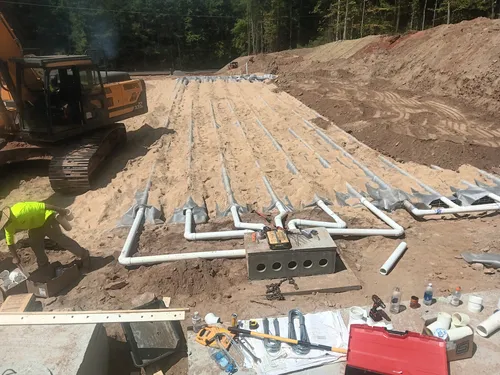
- For Replacement: The old trenches are carefully excavated. New gravel is laid, and new perforated piping is installed according to the approved design. The system is then connected to the existing septic tank 6.
- Final Inspection: Before the new drain field is covered with soil, a county health inspector must visit the site to approve the installation 7. Only after this approval can the project be completed.
Cost Factors for Drain Field Work in South Fulton
Costs for drain field remediation can vary widely based on the scope of work and site-specific challenges. The figures below are estimates to help you budget; always get detailed quotes from licensed contractors.
- Minor Drain Field Repair: Addressing specific issues like a faulty distribution box or a small section of pipe typically ranges from $1,000 to $5,000 8.
- Drain Field Replacement: Completely replacing the leach field (excluding the tank) is a major project, with costs generally between $3,000 and $15,000 or more9. The final price depends heavily on the size of the field needed.
- Full System Replacement: If both the septic tank and drain field must be replaced, expect costs from $5,000 to $12,000 or higher10.
- Additional Required Fees: Do not forget to budget for the prerequisite professional services. A certified soil report and system design can add $1,500 to $4,000 to your total project cost 11.
Find the perfect drain field repair companies for your needs
Get personalized recommendations and expert advice
What Influences the Final Cost?
Several factors specific to your property will determine where your project falls within these ranges:
- Soil Conditions and Site Topography: Poorly draining soil, high groundwater tables, or steep slopes often require more complex (and expensive) system designs like mound systems or additional drainage work 12.
- System Type and Size: A standard gravity-fed trench system is usually the most economical. Alternatives like pressure-dosed fields, sand filters, or aerobic treatment units (ATUs) cost more. The size is dictated by your home's water usage and soil absorption capacity 13.
- Access and Landscaping: Difficult site access for heavy machinery or the need to remove large trees, decks, or other landscaping over the field will increase labor costs.
- Permit and Inspection Fees: These are set by Fulton County and are a required part of the project budget.
Maintaining Your New or Repaired Drain Field
Protecting your investment is key. Proper maintenance can significantly extend the life of your septic system and help you avoid another costly failure down the line.
- Regular Tank Pumping: Have your septic tank pumped every 3 to 7 years by a licensed pumper. A full tank allows solids to wash out into the drain field, causing rapid clogging and failure.
- Mind What You Flush: Only human waste and toilet paper should go down the drain. Avoid chemicals, grease, wipes (even "flushable" ones), and excessive use of garbage disposals.
- Protect the Area: Never drive, park, or build heavy structures over your drain field. The weight compacts the soil, destroying its ability to absorb water 14.
- Divert Water: Ensure roof gutters, sump pumps, and surface runoff are directed away from the drain field area. Saturated soil cannot accept more wastewater.
Frequently asked questions
Sources
Footnotes
-
Septic Drain Field Repair - https://www.benjaminfranklinplumbing.com/league-city/blog/2025/april/can-a-septic-drain-field-be-repaired-key-considerations-and-solutions/ ↩
-
Fulton County Health Department - https://co.fulton.in.us/DocumentCenter/View/854/Installer-Requirements-Policy-DOC ↩
-
homeowner's guide - to septic system maintenance - https://northgeorgiawater.org/wp-content/uploads/2017/10/SepticTankKit-MNGWPD.pdf ↩
-
Georgia Septic Tank Requirements | On-Site Sewage ... - https://www.ntotank.com/blog/georgia-septic-tank-requirements ↩
-
Understanding Georgia's Septic Inspection Requirements - https://smartsepticpros.com/blog/septic-inspection-requirements/ ↩
-
Septic Drain Field Installation Guide GA: 7 Key Steps - https://dandhsepticservices.com/septic-drain-field-installation/ ↩
-
Georgia's Septic Drain Field Requirements: Homeowner's Guide - https://smartsepticpros.com/blog/georgias-septic-drain-field-requirements/ ↩
-
Complete Guide to Septic Inspection in Georgia - https://dandhsepticservices.com/septic-inspection-in-georgia/ ↩
-
How Much Does a Leach or Drain Field Replacement Cost? (2026) - https://homeguide.com/costs/drain-leach-field-replacement-cost ↩
-
Cost to Install a Septic System in Atlanta [2026 Data] - Angie's List - https://www.angi.com/articles/what-does-it-cost-install-septic-system/ga/atlanta ↩
-
Cost of Septic System: From Planning to Install -- Call (404) 998-8812 - https://atlantaseptictankpros.com/cost-of-septic-system-from-planning-to-install/ ↩
-
Georgia Septic System Guide: Regulations & Maintenance Tips - https://smartsepticpros.com/blog/georgia-septic-system-regulations/ ↩
-
Septic Systems and Their Maintenance - https://nghd.org/files/ossms/Septic%20Systems%20and%20Their%20Maintenance.pdf ↩
-
A Beginner's Guide to Septic Systems - CAES Field Report - https://fieldreport.caes.uga.edu/publications/B1421/a-beginners-guide-to-septic-systems/ ↩