
Find the Best Drain Field Repair Companies for Your Business
No obligation • Fast responses • Nationwide coverage

Why you can trust Septic Spot
Septic Spot is a leading United States resource for understanding and comparing septic services. Our editors review providers using consistent criteria and verify key business details. Listings and scores are independent, and companies cannot pay to influence our content.
Search providers near you
Top Drain Field Repair Companies in Brookhaven, Georgia Ranked
A failing drain field, also known as a leach field or absorption field, is a serious issue for any home with a septic system. When this critical component stops properly dispersing treated wastewater into the soil, it can lead to sewage backups, soggy yards, and environmental contamination. For homeowners in Brookhaven, navigating drain field repair or a full leach line replacement involves understanding local regulations, costs, and the process for finding qualified professionals. This guide explains what you need to know to address drain field problems and connect with local specialists who can assess, repair, or replace your system in compliance with DeKalb County and Georgia state rules.
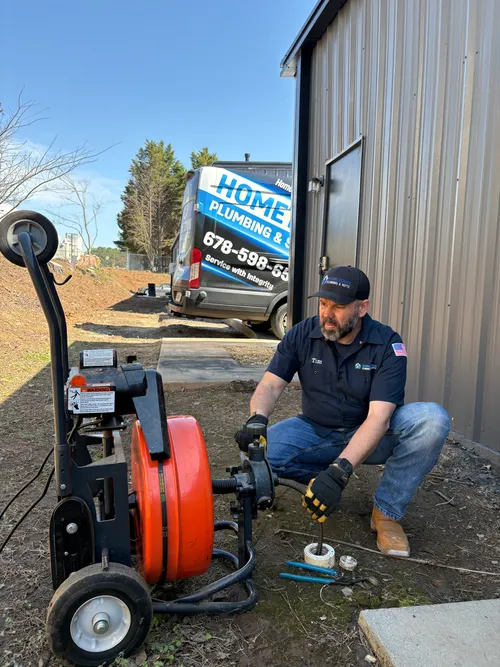
Hometown Plumbing and Septic
3375 Hutchinson Rd, Cumming, GA 30040
Hometown Plumbing and Septic provides professional septic services in South Fulton, GA, and the surrounding Metro Atlanta and North Georgia areas. They specialize in septic tank pumping, inspections, repairs, and complete system replacements for both residential and commercial properties. Their services also include drain field repair and lift station maintenance. With decades of experience and advanced equipment, they handle complex septic system issues with precision. They serve multiple counties including Barrow, Cherokee, Cobb, and others, offering preventative maintenance to help avoid emergency repairs.
Independent Septic and Sewer LLC
Atlanta, GA
Independent Septic and Sewer LLC is a family-owned business serving Atlanta, GA, and surrounding counties. They provide septic tank pumping, cleaning, inspection, repair, and installation services for residential and commercial properties. With over 20 years of experience, the company offers expertise in diagnosing and repairing septic system issues, including drain field repairs and sewer line maintenance. They also provide a 10-year warranty on repairs and handle all necessary permits and building code requirements. Their services include thorough septic tank pumping that removes both liquids and solids, as well as hydro jetting and camera inspections when needed.
Bowen's Septic Tank
3935 GA-20, Conyers, GA 30012
Bowen's Septic Tank is a family-owned and locally operated business serving Atlanta, GA, and the surrounding metro area. With over 30 years of experience, they provide a full range of septic services including pumping, inspections, repairs, installations, and drain field replacements for residential, commercial, and industrial customers. Their capabilities include hydro-jetting and camera diagnostics, supported by written guarantees and the best warranty in the industry. Bowen's also offers plumbing services and biological septic treatments to maintain system health.
Green Septic Clean
2772 Maeve Ct NE, Dacula, GA 30019
Green Septic Clean is a septic tank pumping and repair company serving Atlanta, GA, and surrounding areas including Dacula, Athens, Royston, and Hartwell. They provide septic pumping, septic system repairs, and drain field restoration or replacement. The company offers emergency service available 24/7/365 to address urgent septic issues. Green Septic Clean is licensed, bonded, and insured, focusing on maintaining proper septic system function and preventing problems before they escalate.
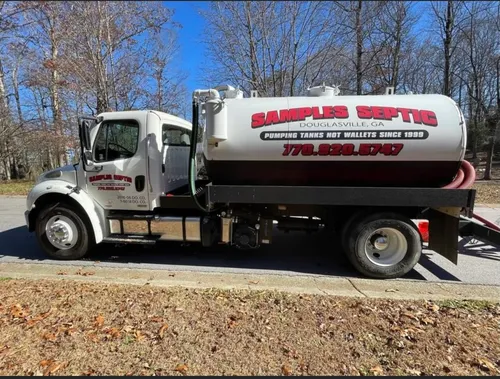
Samples Septic Service
2116 Mack Rd, Douglasville, GA 30135
Samples Septic Service is a family-owned and operated septic company based near Atlanta, GA. They provide septic tank pumping, repair, and installation, along with drain field installation and repair. Serving Douglas, Cobb, and Paulding counties, the company has been operating since 1999 and is state certified.
Understanding Your Drain Field's Role
The drain field is the final and most crucial stage of your onsite wastewater treatment system. After solids settle in the septic tank, the liquid effluent flows into a network of perforated pipes buried in trenches filled with gravel. This effluent slowly seeps into the surrounding soil, where natural processes provide final treatment by removing harmful bacteria, viruses, and nutrients. A properly functioning absorption field is essential for protecting both your property and public health.
Signs You Need Drain Field Repair or Replacement
Recognizing early warning signs can help you address problems before they become a full-scale emergency. Look for these indicators in the area above your leach field:
- Sewage Odors or Surfacing Wastewater: The most alarming sign is the smell of sewage or actual effluent pooling on the ground surface.
- Persistently Soggy or Spongy Soil: The ground over the field remains wet long after rain, or feels mushy underfoot.
- Unusually Lush, Green Grass: While the rest of your lawn is dry, the grass over the drain field is conspicuously greener and grows faster due to the nutrient-rich effluent.
- Slow Drains and Backups: Gurgling pipes, slow-draining sinks and toilets, or sewage backups in the home can indicate that the entire system, including the drain field, is clogged and failing.
- Standing Water in the Field Area: Puddles or damp areas that do not drain, especially near the distribution box or trench ends.
If you notice any of these issues, it's time for a professional inspection to determine if repair or a full leach field replacement is necessary 1 2.
The Professional Inspection & Diagnosis Process
Before any work begins, a certified septic professional will conduct a thorough evaluation to diagnose the exact problem. This process in Brookhaven typically involves:
- Visual Site Assessment: The technician will walk the drain field area, looking for the visual signs mentioned above.
- Tank Pumping and Inspection: The septic tank must be located, opened, and pumped. This allows the inspector to check tank integrity, baffle condition, and sludge/scum levels, which can contribute to field failure if excessive.
- Drain Field Function Test: A common method involves introducing a dye or water into the system to see if it surfaces in the field area, indicating a clog or hydraulic failure.
- Soil Assessment: In cases of suspected failure, the soil in the trenches may be examined. Black, slimy, and foul-smelling soil is a telltale sign of a "biomat" clog that has sealed the trench walls, preventing absorption.
The findings from this inspection will determine whether a repair is possible or if a complete replacement is required.
Brookhaven and DeKalb County Regulations You Must Follow
All septic system work in Brookhaven falls under the jurisdiction of the DeKalb County Board of Health, Environmental Health Department. State law and county codes are strict, and compliance is non-negotiable 3.
- Permit Required: You must obtain a construction permit from the county before any installation, modification, or repair of a septic system, including the drain field. Your licensed contractor will typically handle this application.
- Use a Licensed Contractor: Only septic contractors licensed by the state of Georgia are legally allowed to perform this work. Always verify a contractor's license.
- Soil Evaluation: For a new or replacement drain field, a state-certified soil classifier must evaluate the site. This test determines soil type, percolation rate, and depth to the seasonal high water table, which dictates the system's size and design 4.
- Setback Requirements: The system must be located specific distances from features like property lines (10 feet), streams or water bodies (25 feet), and wells (50 feet).
- Replacement Area: County regulations require that an undisturbed "replacement area" of equal size to the original drain field be reserved on your property for future use if the first field fails.
- Final Inspection: Once installation is complete but before the new system is covered with soil, a county health department inspector must perform a final inspection and approve the work 5 6.
Find the perfect drain field repair companies for your needs
Get personalized recommendations and expert advice
Repair vs. Replacement: Options and Costs
The solution depends on the extent of the failure and the condition of the underlying soil.
Minor Drain Field Repairs ($1,000 - $5,000): If the problem is localized-such as a crushed pipe, a clogged distribution box, or a single failed trench-a repair may be sufficient. Techniques like jetting to clear clogged pipes or replacing a small section of the field can sometimes restore function.
Complete Drain Field Replacement ($3,000 - $15,000+): Most often, a systemic failure requires a brand-new leach field. This involves excavating new trenches in the designated replacement area, installing new gravel and perforated pipe, and connecting it to the existing septic tank (if the tank is still sound). Costs vary widely based on the size of the field, soil conditions, and accessibility of your yard 7.
Full System Replacement ($5,000 - $12,000+): If both the tank and drain field have failed, you'll need a completely new septic system. For properties with challenging soil, high water tables, or small lots, an engineered alternative system (like an aerobic treatment unit or mound system) may be necessary, with costs often exceeding $15,000 8 9 10.
Key Factors Influencing Your Project
Several site-specific factors will impact the design, permitting, and cost of your drain field work in Brookhaven:
- Soil Type and Drainage: Heavy clay soils common in parts of Georgia have slow percolation rates, requiring larger drain fields or alternative systems.
- Slope and Accessibility: Steep slopes require specialized designs to prevent effluent runoff, and limited access for heavy machinery can increase labor costs.
- Water Management: The design must account for diverting all roof runoff and surface water away from the drain field area to prevent saturation 11.
- System Age and History: Older systems may not meet current codes, necessitating a full upgrade during any major repair.
Maintaining Your New or Repaired Drain Field
Protect your investment and extend the life of your system with proper care:
- Avoid Compaction: Never drive, park, or build heavy structures (like sheds or patios) over the drain field. The pressure compacts the soil, destroying its ability to absorb water.
- Mind the Vegetation: Only grass should be planted over the field. Tree and shrub roots can infiltrate and clog the pipes. Keep the area mowed to promote evaporation and transpiration.
- Conserve Water: Use water-efficient fixtures and spread out laundry loads. A sudden surge of water can flood the field. Immediately repair any leaking toilets or faucets 12.
- Regular Pumping: Have your septic tank pumped every 3-5 years by a professional. This prevents solids from washing out into the drain field and causing clogs.
Finding Qualified Professionals in Brookhaven
When searching for a contractor, prioritize those with extensive local experience. They will be familiar with DeKalb County inspectors, permit workflows, and the common soil challenges in our area. Look for companies that offer comprehensive services: inspection, soil evaluation, system design, permitting assistance, installation, and long-term maintenance. Always request multiple detailed quotes, check references, and confirm their state license is current and in good standing.
Frequently asked questions
Sources
Footnotes
-
Understanding Georgia's Septic Inspection Requirements - https://smartsepticpros.com/blog/septic-inspection-requirements/ ↩
-
Septic System Maintenance - https://www.jcsiteworks.com/septic-system-maintenance ↩
-
Septic Systems | DeKalb Public Health - https://dekalbpublichealth.com/environmental-health/septic-systems/ ↩
-
Septic Drain Field Installation Guide GA: 7 Key Steps - https://dandhsepticservices.com/septic-drain-field-installation/ ↩
-
Septic Systems and Their Maintenance - https://nghd.org/files/ossms/Septic%20Systems%20and%20Their%20Maintenance.pdf ↩
-
Georgia Septic Tank Requirements | On-Site Sewage ... - https://www.ntotank.com/blog/georgia-septic-tank-requirements ↩
-
Cost to Replace Septic Tank and Drain Field [2026 Data] | Angi - https://www.angi.com/articles/how-much-new-drain-fields-foot.htm ↩
-
How Much Does a Leach or Drain Field Replacement Cost? (2026) - https://homeguide.com/costs/drain-leach-field-replacement-cost ↩
-
Complete Guide to Septic Inspection in Georgia - https://dandhsepticservices.com/septic-inspection-in-georgia/ ↩
-
Georgia Septic System Guide: Regulations & Maintenance Tips - https://smartsepticpros.com/blog/georgia-septic-system-regulations/ ↩
-
Manual for On-Site Sewage Management Systems - https://dph.georgia.gov/document/document/envhealthonsitemanual2024-02-22sectionmpdf/download ↩
-
homeowner's guide - to septic system maintenance - https://northgeorgiawater.org/wp-content/uploads/2017/10/SepticTankKit-MNGWPD.pdf ↩