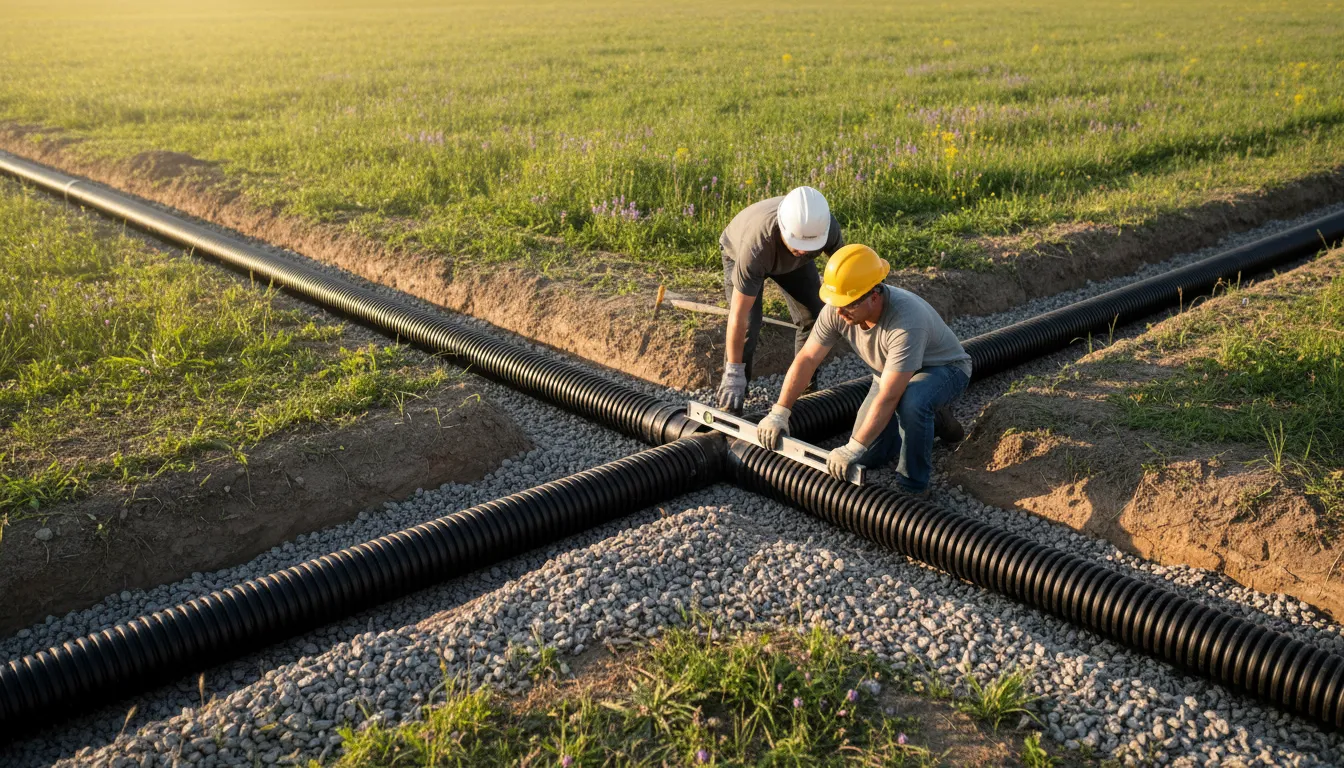
Find the Best Drain Field Repair Companies for Your Business
No obligation • Fast responses • Nationwide coverage

Why you can trust Septic Spot
Septic Spot is a leading United States resource for understanding and comparing septic services. Our editors review providers using consistent criteria and verify key business details. Listings and scores are independent, and companies cannot pay to influence our content.
Search providers near you
Top Drain Field Repair Companies in Dunwoody, Georgia Ranked
A failing drain field is a serious issue for any home with a septic system, leading to soggy yards, foul odors, and potential environmental contamination. Drain field repair and replacement involves diagnosing and fixing the underground network of pipes and soil that treats wastewater from your home. This guide explains the critical steps, local regulations, and costs involved, helping you understand the process and connect with qualified professionals in Dunwoody to restore your system's function and protect your property.
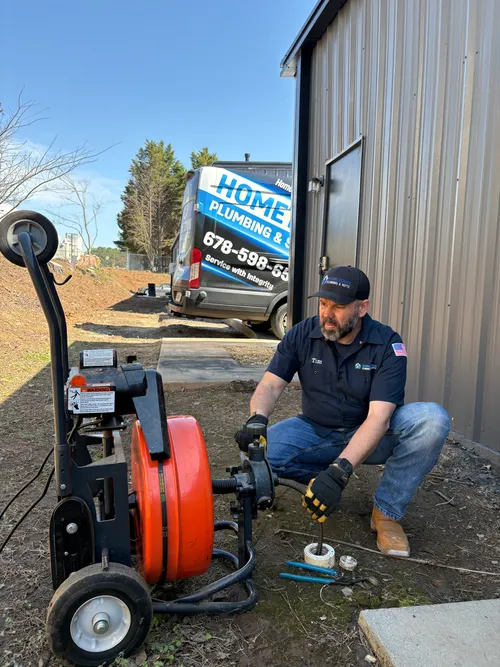
Hometown Plumbing and Septic
3375 Hutchinson Rd, Cumming, GA 30040
Hometown Plumbing and Septic provides professional septic services in South Fulton, GA, and the surrounding Metro Atlanta and North Georgia areas. They specialize in septic tank pumping, inspections, repairs, and complete system replacements for both residential and commercial properties. Their services also include drain field repair and lift station maintenance. With decades of experience and advanced equipment, they handle complex septic system issues with precision. They serve multiple counties including Barrow, Cherokee, Cobb, and others, offering preventative maintenance to help avoid emergency repairs.
Independent Septic and Sewer LLC
Atlanta, GA
Independent Septic and Sewer LLC is a family-owned business serving Atlanta, GA, and surrounding counties. They provide septic tank pumping, cleaning, inspection, repair, and installation services for residential and commercial properties. With over 20 years of experience, the company offers expertise in diagnosing and repairing septic system issues, including drain field repairs and sewer line maintenance. They also provide a 10-year warranty on repairs and handle all necessary permits and building code requirements. Their services include thorough septic tank pumping that removes both liquids and solids, as well as hydro jetting and camera inspections when needed.
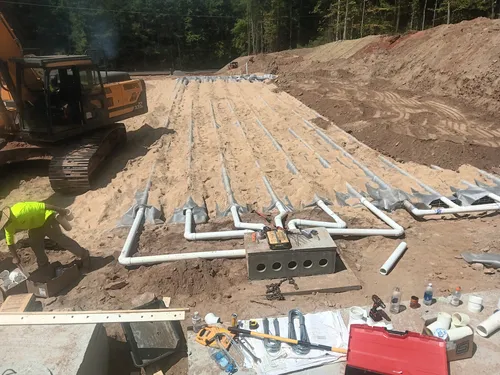
AC Septic Services
7460 Heardsville Cir, Cumming, GA 30028
AC Septic Services is a septic system company based in South Fulton, GA, offering a range of services including septic tank pumping, inspection, repair, installation, and drain field replacement. With 10 years of experience, they serve Cumming and surrounding areas, using advanced technology to provide efficient and tailored septic solutions. The company also offers 24/7 emergency services to address urgent septic system issues promptly.
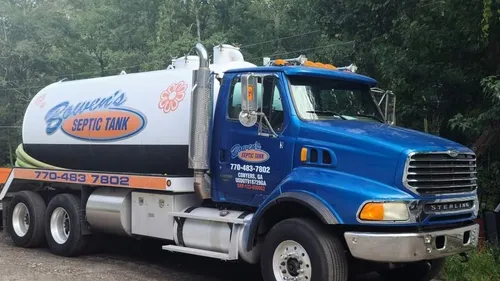
Bowen's Septic Tank
3935 GA-20, Conyers, GA 30012
Bowen's Septic Tank is a family-owned and locally operated business serving Atlanta, GA, and the surrounding metro area. With over 30 years of experience, they provide a full range of septic services including pumping, inspections, repairs, installations, and drain field replacements for residential, commercial, and industrial customers. Their capabilities include hydro-jetting and camera diagnostics, supported by written guarantees and the best warranty in the industry. Bowen's also offers plumbing services and biological septic treatments to maintain system health.
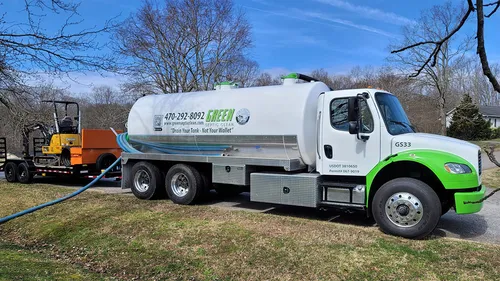
Green Septic Clean
2772 Maeve Ct NE, Dacula, GA 30019
Green Septic Clean is a septic tank pumping and repair company serving Atlanta, GA, and surrounding areas including Dacula, Athens, Royston, and Hartwell. They provide septic pumping, septic system repairs, and drain field restoration or replacement. The company offers emergency service available 24/7/365 to address urgent septic issues. Green Septic Clean is licensed, bonded, and insured, focusing on maintaining proper septic system function and preventing problems before they escalate.
Understanding Your Septic Drain Field
Often called a leach field or absorption field, the drain field is the final and most crucial stage of your onsite wastewater treatment system. After solids settle in the septic tank, the liquid effluent flows into a distribution box and is channeled through a series of perforated pipes buried in trenches filled with gravel. This effluent then slowly percolates through the soil, where natural biological processes remove harmful pathogens and nutrients before the water rejoins the groundwater table. A properly functioning leach field is essential for public health and environmental protection.
Signs You Need Drain Field Service
Recognizing early warning signs can prevent a complete system failure and more costly repairs. Be alert for the following indicators:
- Soggy Ground or Standing Water: Persistent wet spots, lush green grass, or pooling water over the drain field area, especially when it hasn't rained.
- Slow Drains and Sewage Backups: Gurgling pipes, slow-draining sinks and toilets, or sewage backups in the home can indicate that the drain field is saturated and not accepting water.
- Foul Odors: Unpleasant sewage smells in your yard or near the drain field are a clear sign of effluent surfacing.
- Nitrate Contamination: If a water test reveals high nitrate levels in your well, it could point to a failing drain field contaminating groundwater.
The Diagnostic Process: Inspection and Evaluation
Before any repair or replacement can be planned, a thorough professional inspection is required to pinpoint the cause of failure 1 2. This process typically involves:
- Locating and Exposing: A technician will locate and uncover the septic tank and distribution box access points.
- Tank Assessment: The tank is inspected for structural integrity, leaks, and the levels of sludge and scum. Overfull tanks can overload the drain field.
- Drain Field Inspection: The field itself is evaluated for signs of saturation, such as standing water or excessively soggy soil. Specialized cameras may be used to inspect the distribution pipes for blockages or collapse.
A critical part of the evaluation for any new installation or major replacement in Dunwoody is a soil evaluation conducted by a certified soil classifier. This test determines the soil's depth, texture, and percolation rate (how quickly water moves through it), which dictates the size and design of the replacement absorption field.
Dunwoody and DeKalb County Regulations
All septic system work in Dunwoody falls under the jurisdiction of the DeKalb County Board of Health, which enforces Georgia Department of Public Health rules. Compliance is not optional; it's the law.
- Permit Requirement: An approved construction permit from the DeKalb County Environmental Health Department is mandatory before repairing, modifying, or replacing any part of the septic system, including the drain field 3 4.
- Certified Contractor: All repairs and installations must be conducted by a licensed septic system contractor.
- Final Inspection: A county health inspector must review and approve the installation before the system is covered with soil 5 6.
- System Setbacks: New drain fields must maintain specific minimum distances from property lines, buildings, wells, streams, and other water sources. These setbacks are strictly enforced to protect water quality.
Drain Field Repair vs. Replacement
The solution depends on the extent of the failure.
Drain Field Repair (Rejuvenation): For partial or early-stage failures, less invasive solutions may work. These can include:
- Jet Cleaning: High-pressure water jetting to clear clogged pipes.
- Terra-Lift or Aeration: Introducing air into the field to break up biomat clogs and restore soil porosity.
- Baffle/Filter Replacement: Fixing issues at the tank's outlet. These repairs typically range from $1,000 to $5,000.
Drain Field Replacement: When the soil is permanently clogged (a condition called "biomat" failure) or the pipes have collapsed, a full replacement is necessary. This involves designing and installing a completely new leach field in a suitable area of your property. Costs for this major project in Dunwoody generally range from $3,000 to $15,000, heavily influenced by soil conditions, system size, and site accessibility 7 8. A complete system replacement (tank and field) can cost $5,000 to $12,000 or more8.
Find the perfect drain field repair companies for your needs
Get personalized recommendations and expert advice
Key Factors Influencing Your Project
Several local factors will determine the scope and cost of your drain field work in Dunwoody:
- Soil Type and Depth: Clay-heavy soils common in parts of Georgia have slow percolation rates, requiring a larger drain field. Shallow soils may require a specialized "mound" system.
- Slope and Drainage: The ideal site is level or gently sloping. Steep slopes can cause effluent to surface and require more complex engineering 9.
- Water Table: A high seasonal water table can saturate a drain field and cause failure. The soil evaluation will identify this risk.
- Space Availability: You must have adequate space on your property that meets all setback requirements for a new leach field.
Maintaining Your New Drain Field
Protect your investment with proper care:
- Direct Water Away: Ensure roof gutters and yard drainage do not flow over the drain field.
- Avoid Compaction: Never drive or park vehicles, or build structures like sheds or patios, over the field.
- Mind Your Planting: Only plant grass or shallow-rooted plants over the field. Trees and shrubs can damage pipes.
- Conserve Water: Spread out laundry loads and fix leaks to avoid hydraulically overloading the system.
- Pump Regularly: Have your septic tank pumped every 3-5 years by a professional to prevent solids from escaping into the field.
Frequently asked questions
Sources
Footnotes
-
Georgia Septic System Guide: Regulations & Maintenance Tips - https://smartsepticpros.com/blog/georgia-septic-system-regulations/ ↩
-
Understanding Georgia's Septic Inspection Requirements - https://smartsepticpros.com/blog/septic-inspection-requirements/ ↩
-
Septic Systems and Their Maintenance - https://nghd.org/files/ossms/Septic%20Systems%20and%20Their%20Maintenance.pdf ↩
-
Septic Drain Field Installation Guide GA: 7 Key Steps - https://dandhsepticservices.com/septic-drain-field-installation/ ↩
-
Georgia Septic Tank Requirements | On-Site Sewage ... - https://www.ntotank.com/blog/georgia-septic-tank-requirements ↩
-
Georgia Septic System Maintenance: Tips for LaFayette, Dalton ... - https://www.fieldsconstructionga.com/post/septic-system-maintenance-schedule-for-georgia-homeowners-tips-for-lafayette-dalton-beyond ↩
-
Cost to Replace Septic Tank and Drain Field [2026 Data] | Angi - https://www.angi.com/articles/how-much-new-drain-fields-foot.htm ↩
-
How Much Does a Leach or Drain Field Replacement Cost? (2026) - https://homeguide.com/costs/drain-leach-field-replacement-cost ↩ ↩2
-
Georgia's Septic Drain Field Requirements: Homeowner's Guide - https://smartsepticpros.com/blog/georgias-septic-drain-field-requirements/ ↩