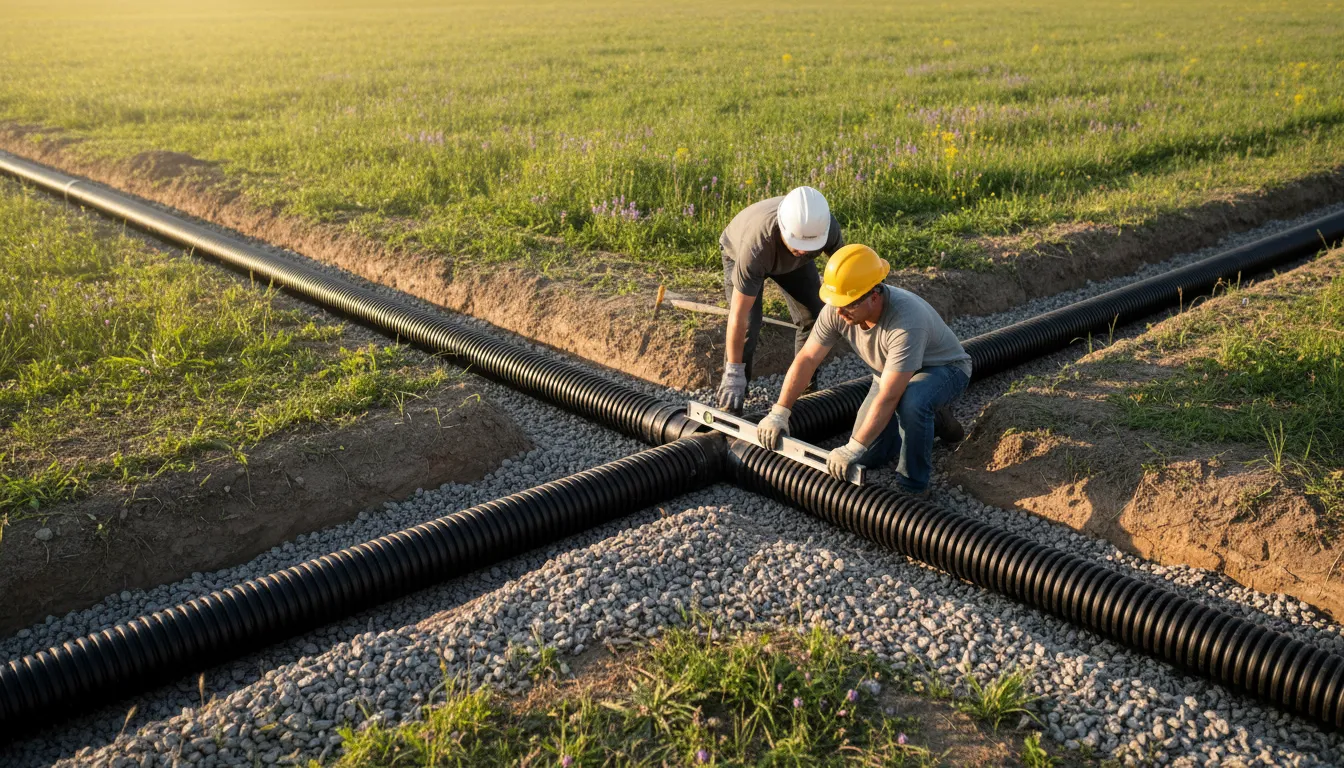
Find the Best Drain Field Repair Companies for Your Business
No obligation • Fast responses • Nationwide coverage

Why you can trust Septic Spot
Septic Spot is a leading United States resource for understanding and comparing septic services. Our editors review providers using consistent criteria and verify key business details. Listings and scores are independent, and companies cannot pay to influence our content.
Search providers near you
Top Drain Field Repair Companies in Gainesville, Georgia Ranked
A failing drain field is a serious issue for any Georgia homeowner with a septic system. This critical component, also known as a leach field or absorption field, is responsible for safely filtering and dispersing treated wastewater into the soil. When it malfunctions, it can lead to sewage backups, soggy yards, and environmental contamination. Understanding Georgia's specific regulations, repair processes, and costs is essential for protecting your property, health, and investment. This guide provides the practical information you need to navigate drain field issues, connect with qualified local professionals, and ensure your system is restored to proper working order.
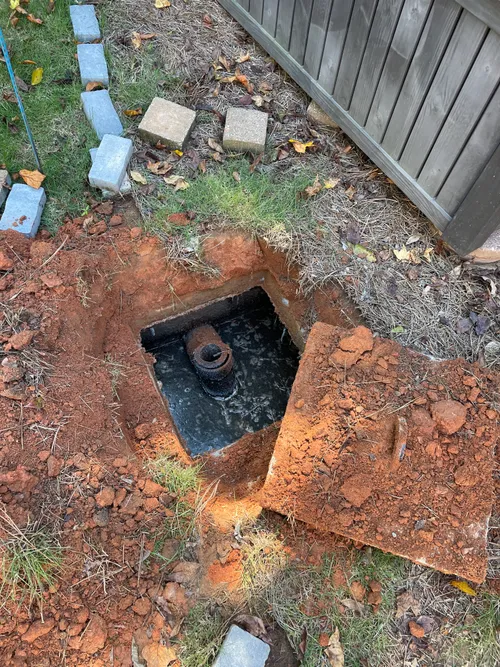
S&S Septic Services
5708 Toombs St, Lula, GA 30554
S&S Septic Services is a septic pumping, repair, and installation company serving South Fulton, GA, as well as northeast Georgia and Upstate South Carolina. They provide comprehensive septic solutions for residential, commercial, and government clients, including septic tank pumping, system repairs, new installations, and drain field cleaning through high-pressure jetting. The company also offers certified inspections, tank locating, and riser installations to support long-term maintenance. With over 20 years of experience, S&S Septic Services operates 24/7 to address emergency needs promptly.
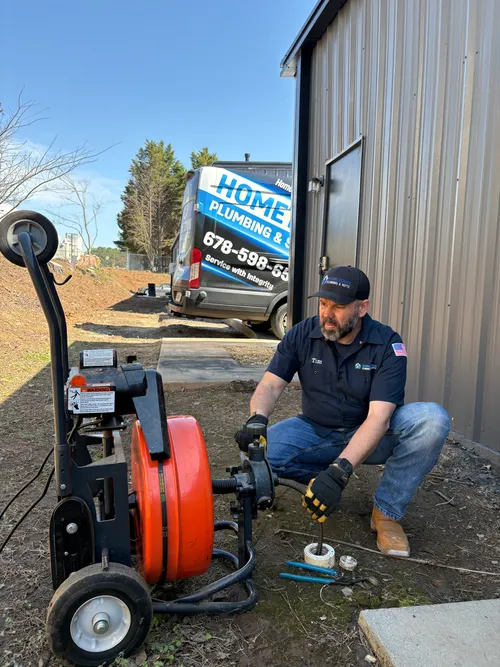
Hometown Plumbing and Septic
3375 Hutchinson Rd, Cumming, GA 30040
Hometown Plumbing and Septic provides professional septic services in South Fulton, GA, and the surrounding Metro Atlanta and North Georgia areas. They specialize in septic tank pumping, inspections, repairs, and complete system replacements for both residential and commercial properties. Their services also include drain field repair and lift station maintenance. With decades of experience and advanced equipment, they handle complex septic system issues with precision. They serve multiple counties including Barrow, Cherokee, Cobb, and others, offering preventative maintenance to help avoid emergency repairs.
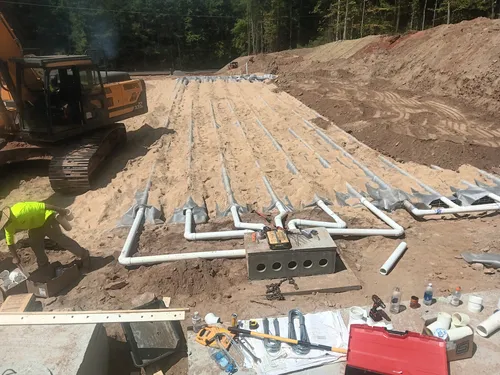
AC Septic Services
7460 Heardsville Cir, Cumming, GA 30028
AC Septic Services is a septic system company based in South Fulton, GA, offering a range of services including septic tank pumping, inspection, repair, installation, and drain field replacement. With 10 years of experience, they serve Cumming and surrounding areas, using advanced technology to provide efficient and tailored septic solutions. The company also offers 24/7 emergency services to address urgent septic system issues promptly.
Septic Plus INC
437 S Elm St, Commerce, GA 30529
Septic Plus INC is a septic service provider based in Athens, GA, offering septic tank pumping, system installation, repairs, and drain field restoration. They serve residential and commercial customers in Athens and surrounding areas including Commerce, Jefferson, and Gainesville. The company manages all phases of septic projects, from soil surveys to regulatory compliance and engineered installations, including specialized mound systems and pressure-dosed fields. Septic Plus INC provides 24/7 emergency septic pumping and plumbing services, ensuring timely support when needed.
Green Septic Clean
2772 Maeve Ct NE, Dacula, GA 30019
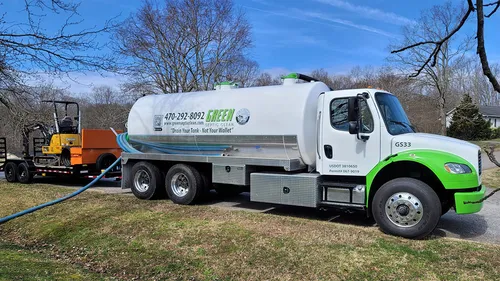
Green Septic Clean is a septic tank pumping and repair company serving Atlanta, GA, and surrounding areas including Dacula, Athens, Royston, and Hartwell. They provide septic pumping, septic system repairs, and drain field restoration or replacement. The company offers emergency service available 24/7/365 to address urgent septic issues. Green Septic Clean is licensed, bonded, and insured, focusing on maintaining proper septic system function and preventing problems before they escalate.
Understanding Your Septic Drain Field
The drain field is the final stage of your onsite wastewater treatment system. After solids settle in the septic tank, the liquid effluent flows through pipes into a network of perforated tubes buried in trenches filled with gravel. This effluent slowly percolates through the soil, where natural processes provide final treatment by removing harmful bacteria, viruses, and nutrients.
In Georgia, the design and installation of these systems are strictly governed by soil conditions, lot size, and proximity to water sources. A properly functioning drain field is invisible and odorless. Problems arise when the soil becomes clogged or "biomat" forms, preventing absorption and causing wastewater to surface or back up into your home.
Signs You Need Drain Field Repair or Replacement
Recognizing early warning signs can save you from more extensive and expensive damage. If you notice any of the following, it's time to investigate your drain field:
- Sewage Odors: Foul smells in your yard, especially near the drain field area.
- Wet, Spongy, or Soggy Lawn: Persistent damp spots or standing water over the drain field, even during dry weather.
- Slow Drains & Backups: Gurgling pipes, slow-draining sinks and toilets, or sewage backups inside your home.
- Unusually Green Grass: Patches of grass over the drain field that are much lusher and grow faster than the rest of the lawn.
- Algae Blooms: Excessive growth of algae in nearby ponds or ditches can indicate nutrient-rich wastewater is escaping.
If you observe these signs, contact a licensed septic professional for an inspection immediately. An inspection typically costs between $400-$600 and is a critical first step in diagnosing the problem 1.
Georgia Regulations and Permit Requirements
All drain field repair or replacement work in Georgia is regulated. You cannot legally begin any excavation or construction without proper authorization. The rules are in place to protect groundwater, which is a primary drinking source for many Georgians.
- Permit Mandate: A construction or repair permit from your local County Environmental Health Office is required before any work begins. The permit process ensures the proposed solution meets state and local health codes.
- Licensed Professionals: Only state-licensed septic system contractors can install, modify, or repair systems 2. Hiring an unlicensed individual can result in improper work, failed inspections, and legal liability.
- Site-Specific Rules: Regulations require adherence to strict guidelines, including updated soil analysis, site evaluation, and minimum separation distances from wells, property lines, streams, and buildings 3. What worked decades ago may not be acceptable for a replacement today.
Find the perfect drain field repair companies for your needs
Get personalized recommendations and expert advice
The Repair and Replacement Process
Addressing a drain field issue follows a structured path from diagnosis to completion. Here's what you can expect:
- Professional Inspection & Diagnosis: A licensed contractor will perform a thorough inspection to determine if the issue is a repairable clog, a broken pipe, or a complete system failure requiring replacement.
- Site Evaluation & Soil Testing: For replacements, a new site evaluation and percolation (soil absorption) test are often required to design a system that complies with current regulations.
- Permit Application: Your contractor will handle the permit application with the county health department, submitting the proposed design and plans.
- Excavation & Installation: Once the permit is issued, the old drain field may be abandoned, and a new one is constructed according to the approved design. This involves precise grading, laying of distribution pipes and gravel, and covering with soil.
- Final Inspection: Before the new drain field is covered with topsoil, a county health department inspector must visit the site to approve the construction 4. Only after this approval can the project be finalized.
- Restoration: The contractor will backfill, grade, and seed the area to restore your landscape.
Cost Factors for Drain Field Work in Georgia
Costs can vary widely based on system size, soil conditions, accessibility, and the type of system required. Below is a general cost breakdown based on available data:
- Drain Field Replacement: This is often the most significant expense, typically ranging from $5,000 to $12,000 or more, depending on the size and complexity 5.
- Full Conventional System Replacement: If both the tank and drain field need replacing, costs generally range from $3,500 to $8,500.
- Engineered or Alternative System Replacement: For properties with poor soil, high groundwater, or small lots, a more advanced system may be necessary, with costs ranging from $15,000 to $50,000+ 6.
- Permit & Inspection Fees: Permit fees vary by county but are usually incorporated into the total project cost. Professional inspections for diagnosis range from $400 to $600 7.
Maintaining Your New or Repaired Drain Field
Protecting your investment is crucial. Proper maintenance can extend the life of your drain field for decades.
- Regular Pumping: Pump your septic tank every 3-5 years to prevent solids from escaping into and clogging the drain field 8 9. This is the single most important maintenance task.
- Conserve Water: Spread out laundry loads, fix leaks, and use water-efficient fixtures to avoid hydraulically overloading the system.
- Mind What You Flush: Only human waste and toilet paper should go down the drain. Avoid chemicals, grease, wipes, and feminine hygiene products.
- Protect the Area: Never drive, park, or build structures over the drain field. Avoid planting trees or shrubs with deep roots nearby 10.
- Keep Records: Maintain a file with all permits, inspection reports, pumping records, and repair receipts. This is invaluable for future service and if you sell your home 11.
Frequently asked questions
Sources
Footnotes
-
Understanding Georgia's Septic Inspection Requirements - https://smartsepticpros.com/blog/septic-inspection-requirements/ ↩
-
A HOMEOWNER'S GUIDE TO ON-SITE SEWAGE MANAGEMENT ... - https://dph.georgia.gov/document/document/guide-septic-tanks/download ↩
-
Georgia's Septic Drain Field Requirements: Homeowner's Guide - https://smartsepticpros.com/blog/georgias-septic-drain-field-requirements/ ↩
-
Georgia Septic Tank Requirements | On-Site Sewage Management Systems - https://www.ntotank.com/blog/georgia-septic-tank-requirements ↩
-
Septic Systems | DeKalb Public Health - https://dekalbpublichealth.com/environmental-health/septic-systems/ ↩
-
Complete Guide to Septic Inspection in Georgia - https://dandhsepticservices.com/septic-inspection-in-georgia/ ↩
-
Septic System Inspections in Acworth, GA - CityWIDE Plumbing - https://www.citywideplumbing.com/septic-inspections/ ↩
-
Homeowner's Guide to Septic System Maintenance - https://www.gwinnettcounty.com/static/departments/water/pdf/Septic_Kit.pdf ↩
-
Septic System Maintenance Schedule for Georgia Homeowners - https://www.fieldsconstructionga.com/post/septic-system-maintenance-schedule-for-georgia-homeowners-tips-for-lafayette-dalton-beyond ↩
-
Septic Drain Field Installation Guide GA: 7 Key Steps - https://dandhsepticservices.com/septic-drain-field-installation/ ↩
-
homeowner's guide - to septic system maintenance - https://northgeorgiawater.org/wp-content/uploads/2017/10/SepticTankKit-MNGWPD.pdf ↩