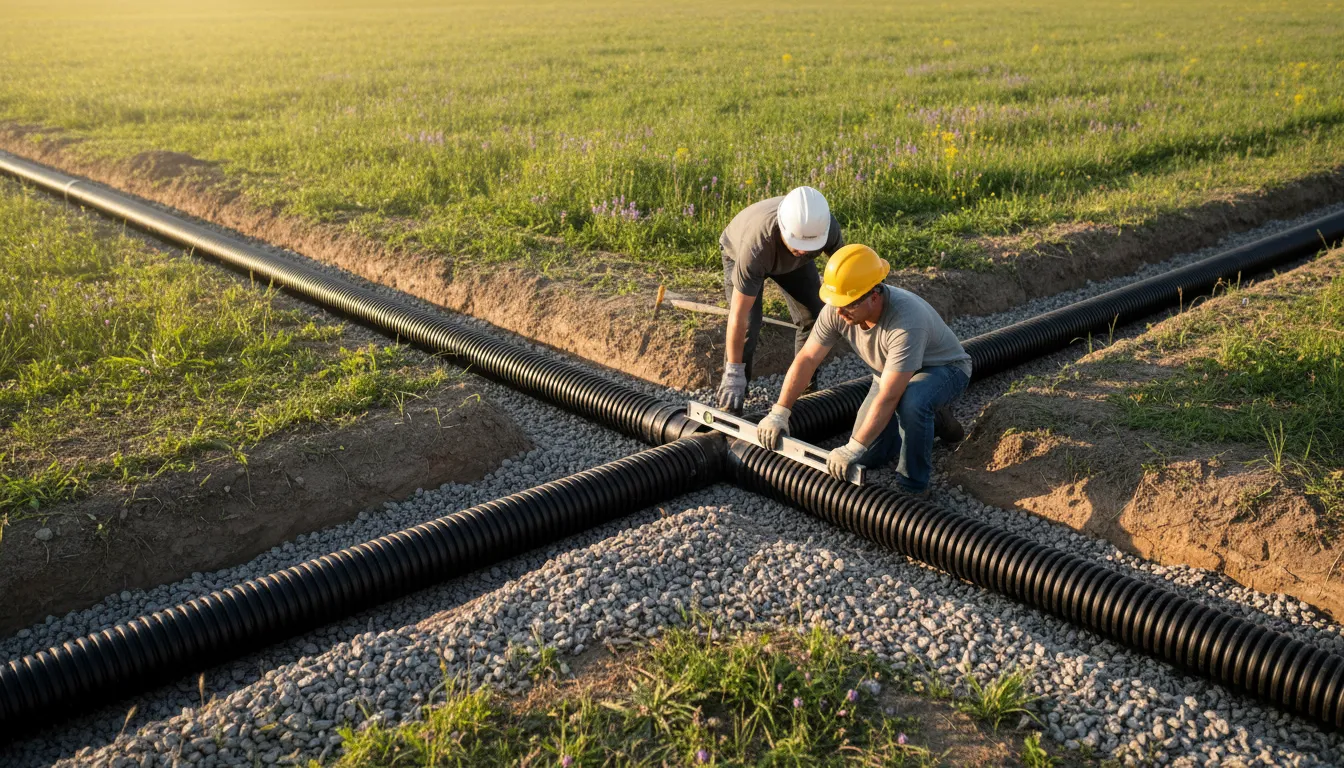
Find the Best Drain Field Repair Companies for Your Business
No obligation • Fast responses • Nationwide coverage

Why you can trust Septic Spot
Septic Spot is a leading United States resource for understanding and comparing septic services. Our editors review providers using consistent criteria and verify key business details. Listings and scores are independent, and companies cannot pay to influence our content.
Search providers near you
Top Drain Field Repair Companies in Johns Creek, Georgia Ranked
A failing septic drain field is a serious issue for any homeowner, leading to soggy yards, unpleasant odors, and potential environmental contamination. Drain field repair and replacement involves diagnosing the cause of failure, obtaining the necessary permits, and installing a new or rehabilitated soil absorption system. This guide explains the critical steps, local regulations, and costs involved in addressing drain field problems in Johns Creek, empowering you to make informed decisions and connect with qualified local specialists.
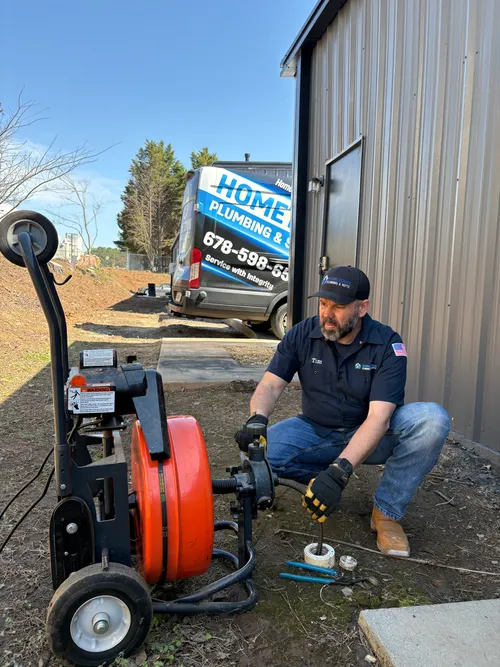
Hometown Plumbing and Septic
3375 Hutchinson Rd, Cumming, GA 30040
Hometown Plumbing and Septic provides professional septic services in South Fulton, GA, and the surrounding Metro Atlanta and North Georgia areas. They specialize in septic tank pumping, inspections, repairs, and complete system replacements for both residential and commercial properties. Their services also include drain field repair and lift station maintenance. With decades of experience and advanced equipment, they handle complex septic system issues with precision. They serve multiple counties including Barrow, Cherokee, Cobb, and others, offering preventative maintenance to help avoid emergency repairs.
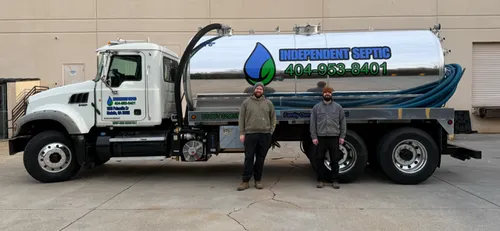
Independent Septic and Sewer LLC
Atlanta, GA
Independent Septic and Sewer LLC is a family-owned business serving Atlanta, GA, and surrounding counties. They provide septic tank pumping, cleaning, inspection, repair, and installation services for residential and commercial properties. With over 20 years of experience, the company offers expertise in diagnosing and repairing septic system issues, including drain field repairs and sewer line maintenance. They also provide a 10-year warranty on repairs and handle all necessary permits and building code requirements. Their services include thorough septic tank pumping that removes both liquids and solids, as well as hydro jetting and camera inspections when needed.
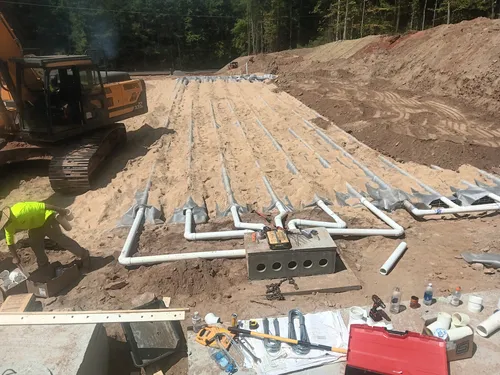
AC Septic Services
7460 Heardsville Cir, Cumming, GA 30028
AC Septic Services is a septic system company based in South Fulton, GA, offering a range of services including septic tank pumping, inspection, repair, installation, and drain field replacement. With 10 years of experience, they serve Cumming and surrounding areas, using advanced technology to provide efficient and tailored septic solutions. The company also offers 24/7 emergency services to address urgent septic system issues promptly.
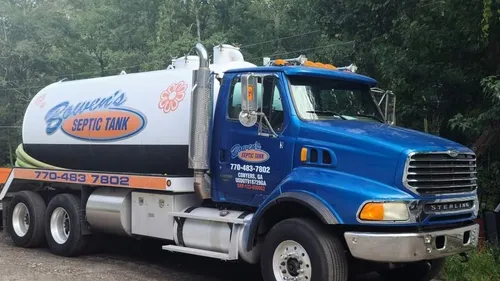
Bowen's Septic Tank
3935 GA-20, Conyers, GA 30012
Bowen's Septic Tank is a family-owned and locally operated business serving Atlanta, GA, and the surrounding metro area. With over 30 years of experience, they provide a full range of septic services including pumping, inspections, repairs, installations, and drain field replacements for residential, commercial, and industrial customers. Their capabilities include hydro-jetting and camera diagnostics, supported by written guarantees and the best warranty in the industry. Bowen's also offers plumbing services and biological septic treatments to maintain system health.
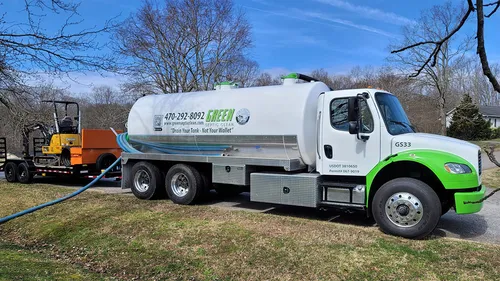
Green Septic Clean
2772 Maeve Ct NE, Dacula, GA 30019
Green Septic Clean is a septic tank pumping and repair company serving Atlanta, GA, and surrounding areas including Dacula, Athens, Royston, and Hartwell. They provide septic pumping, septic system repairs, and drain field restoration or replacement. The company offers emergency service available 24/7/365 to address urgent septic issues. Green Septic Clean is licensed, bonded, and insured, focusing on maintaining proper septic system function and preventing problems before they escalate.
Understanding Your Septic System's Drain Field
Often called a leach field or soil absorption field, the drain field is the final and most crucial stage of your onsite wastewater treatment system. After solids settle in the septic tank, the clarified liquid (effluent) flows into a network of perforated pipes buried in trenches filled with gravel. This effluent slowly percolates through the soil, where natural processes provide final treatment before it rejoins the groundwater. When this area fails, wastewater cannot be properly dispersed, leading to system backups and surface issues.
Signs You Need Drain Field Repair or Replacement
Recognizing early warning signs can prevent a minor issue from becoming a catastrophic failure. Key indicators include:
- Soggy Ground or Standing Water: Persistent wet, spongy areas or pools of water over the drain field, especially when it hasn't rained.
- Sewage Odors: Unpleasant smells emanating from your yard, particularly near the drain field area.
- Unusually Lush Vegetation: Patches of grass that are greener and grow faster than the rest of the lawn, caused by the nutrient-rich effluent acting as fertilizer.
- Slow Drains and Backups: Gurgling pipes, slow-draining sinks and toilets, or sewage backups in the home, indicating the entire system is not draining.
- Algae Blooms in Nearby Ponds or Ditches: A sign that untreated nutrients are surfacing and running off into local waterways.
If you notice any of these signs, it's time for a professional inspection 1.
The Diagnostic Process: From Inspection to Solution
Before any repair can be planned, a certified professional must determine the exact cause of the failure. This process typically involves:
- Locating the System: The technician will find your septic tank and drain field using property records, "as-built" plans, or electronic locating equipment 2.
- Inspecting the Tank: They will check the tank's sludge and scum levels using a tool like a "sludge judge." If the tank is more than one-third full of solids, it may have sent excess solids into the drain field, causing clogging 3. The effluent filter and baffles are also checked to ensure they are intact and functioning 4.
- Assessing the Drain Field: A visual inspection looks for surface symptoms. For a more thorough diagnosis, a professional may perform a soil percolation test to measure how quickly water moves through the soil in the proposed repair area 5. This is often required for a permit.
Johns Creek and Fulton County Regulations
Any repair, alteration, or new installation of a septic system component in Johns Creek requires an approved permit from the Fulton County Environmental Health Department and must comply with Georgia Department of Public Health regulations. You must use a Georgia-licensed septic contractor for this work. The permitting process ensures the repair or replacement protects public health and the local environment, particularly the nearby Chattahoochee River watershed.
Key Regulatory Factors for Drain Field Work
Local authorities will evaluate several site-specific factors before issuing a permit for drain field work 6:
- Soil Evaluation: A certified professional must perform a detailed soil analysis. This determines the percolation rate (how fast water drains) and identifies the seasonal high groundwater table. The soil type directly dictates the size and design of the drain field.
- Property Slope: The slope of your land affects system design. Drain fields must be installed on suitable grades to prevent effluent from surfacing or pooling.
- Site Constraints: The new or repaired field must be placed away from large trees (to prevent root intrusion), underground utilities, wells, property lines, and any water bodies like streams or ponds 7.
Repair vs. Replacement: Understanding Your Options
The solution depends on the extent of the damage and the site's conditions.
Minor Drain Field Repairs ($1,000 - $5,000): If the problem is localized, solutions may include:
- Jet Cleaning: Using high-pressure water to clear minor clogs in the distribution pipes.
- Tank Baffle/Filter Repair: Fixing or replacing a damaged effluent filter, which can prevent solids from entering and clogging the field.
- Adding a New Trench: Extending the existing field with an additional trench if space and soil conditions allow.
Complete Drain Field Replacement ($3,500 - $15,000+): This is necessary for total failure, severe soil clogging (biomat formation), or when the original system was improperly designed. Replacement involves excavating a new soil absorption area in a suitable location on your property. The cost varies widely based on soil type, required size, and accessibility 8.
Full System Replacement ($5,000 - $12,000+): In some cases, both the septic tank and the drain field may need to be replaced, especially if the tank is old and failing or the entire system is undersized for the home 9.
Find the perfect drain field repair companies for your needs
Get personalized recommendations and expert advice
The Installation and Repair Process
Working with a licensed contractor, the process for a drain field replacement typically follows these steps:
- Site Evaluation & Permit Application: The contractor performs soil tests and surveys the site, then submits plans and an application for a permit to the county health department 10.
- System Design: Based on soil data and household size, the engineer or contractor designs the new drain field, specifying its size, layout, and construction details.
- Excavation: Once the permit is approved, heavy equipment excavates the trenches for the new distribution pipes and gravel bed.
- Installation: Perforated pipes are laid in the gravel-filled trenches, connected to the distribution box, and covered with more gravel and a layer of geotextile fabric. Soil is then backfilled over the top.
- Final Inspection: A county health inspector visits the site to ensure the installation matches the permitted plans before the trenches are fully covered and landscaped.
How to Maintain Your New or Repaired Drain Field
Protecting your investment is crucial. Follow these best practices to extend the life of your drain field 11 12:
- Pump Your Tank Regularly: Have the septic tank pumped every 3 to 5 years by a professional to prevent solids from escaping into the drain field 13.
- Conserve Water: Spread out laundry loads and fix leaky fixtures to avoid hydraulically overloading the system.
- Mind What You Flush: Never flush chemicals, grease, pharmaceuticals, or non-biodegradable items (wipes, feminine products, diapers).
- Protect the Area: Do not drive, park, or build structures over the drain field. Divert roof drains, sump pumps, and surface runoff away from it.
- Landscape Carefully: Plant only grass over the field. Keep trees and deep-rooted shrubs far away to prevent root intrusion.
Routine professional inspections, which cost around $500, are a wise investment that can identify small problems before they lead to a costly drain field failure 14.
Frequently asked questions
Sources
Footnotes
-
Septic System Inspection Johns Creek GA: What to Anticipate - https://atlantaseptictankpros.com/septic-system-inspection-johns-creek-ga/ ↩
-
homeowner's guide - to septic system maintenance - https://northgeorgiawater.org/wp-content/uploads/2017/10/SepticTankKit-MNGWPD.pdf ↩
-
Septic Systems and Their Maintenance - https://nghd.org/files/ossms/Septic%20Systems%20and%20Their%20Maintenance.pdf ↩
-
Understanding Georgia's Septic Inspection Requirements - https://smartsepticpros.com/blog/septic-inspection-requirements/ ↩
-
Septic Inspections Made Easy: What Every Contractor Needs to Know Before Breaking Ground (2025) - https://flengineeringllc.com/septic-inspections-guide-contractors-2025/ ↩
-
Georgia Septic Tank Requirements | On-Site Sewage Management Systems - https://www.ntotank.com/blog/georgia-septic-tank-requirements ↩
-
Georgia's Septic Drain Field Requirements: Homeowner's Guide - https://smartsepticpros.com/blog/georgias-septic-drain-field-requirements/ ↩
-
How Much Does a Leach or Drain Field Replacement Cost? (2026) - https://homeguide.com/costs/drain-leach-field-replacement-cost ↩
-
Cost to Replace Septic Tank and Drain Field [2026 Data] | Angi - https://www.angi.com/articles/how-much-new-drain-fields-foot.htm ↩
-
Septic Drain Field Installation Guide GA: 7 Key Steps - https://dandhsepticservices.com/septic-drain-field-installation/ ↩
-
Homeowner's Guide to Septic System Maintenance - https://www.gwinnettcounty.com/static/departments/water/pdf/Septic_Kit.pdf ↩
-
Georgia Septic System Guide: Regulations & Maintenance Tips - https://smartsepticpros.com/blog/georgia-septic-system-regulations/ ↩
-
Georgia's Septic Drain Field Requirements: Homeowner's Guide - https://smartsepticpros.com/blog/georgias-septic-drain-field-requirements/ ↩
-
Complete Guide to Septic Inspection in Georgia - https://dandhsepticservices.com/septic-inspection-in-georgia/ ↩