Find the Best Drain Field Repair Companies for Your Business
No obligation • Fast responses • Nationwide coverage

Why you can trust Septic Spot
Septic Spot is a leading United States resource for understanding and comparing septic services. Our editors review providers using consistent criteria and verify key business details. Listings and scores are independent, and companies cannot pay to influence our content.
Search providers near you
Top Drain Field Repair Companies in Newnan, Georgia Ranked
A failing drain field is a serious issue for any homeowner with a septic system, leading to soggy yards, foul odors, and potential environmental contamination. Drain field repair or replacement involves diagnosing the cause of failure and installing a new soil absorption area, a critical process governed by strict local and state health codes. This guide explains the key steps, regulations, and considerations for addressing drain field issues in Newnan, helping you understand the process and connect with qualified, certified local professionals for your leach field project.
Hart's Septic Services
110 Woodcreek Ln, Fayetteville, GA 30215
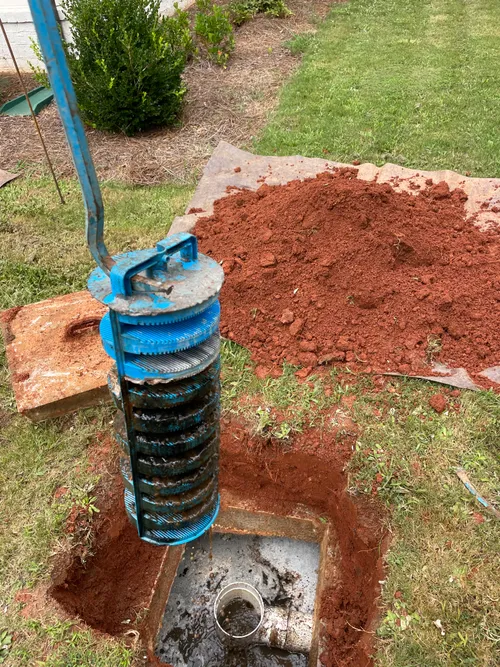
Hart's Septic Services provides a full range of septic system solutions in South Fulton, GA. Their services include septic tank pumping, inspections, repairs, and installations tailored to local soil and environmental conditions. They specialize in maintaining and restoring septic systems with advanced equipment and techniques, including emergency and after-hours support. The company serves Fayette and Coweta Counties, offering expert guidance through soil testing, permitting, and system design to ensure compliance and long-term functionality.
Fayette Septic Services, Tank Pumping & Repairs
186 Busbin Rd, Fayetteville, GA 30215
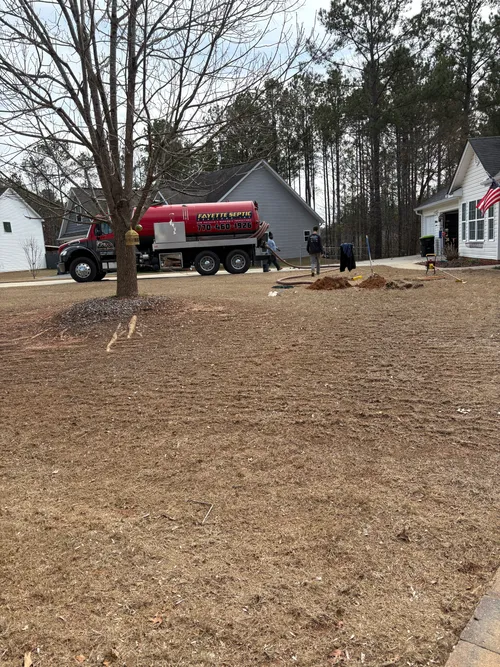
Fayette Septic Services, Tank Pumping & Repairs provides septic system maintenance and repair services in South Fulton, GA. They handle septic tank pumping, drain field repair, and septic pump replacement, among other septic system components. The company offers customized pumping schedules based on tank size, household size, and water usage to help maintain septic systems and prevent failures.
Samples Septic Service
2116 Mack Rd, Douglasville, GA 30135
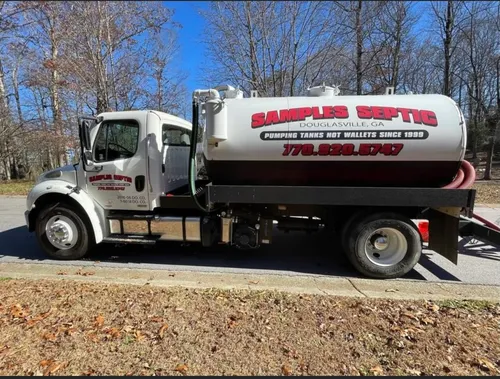
Samples Septic Service is a family-owned and operated septic company based near Atlanta, GA. They provide septic tank pumping, repair, and installation, along with drain field installation and repair. Serving Douglas, Cobb, and Paulding counties, the company has been operating since 1999 and is state certified.
Blacks Septic LLC
3929 Hillside Ln, Douglasville, GA 30135
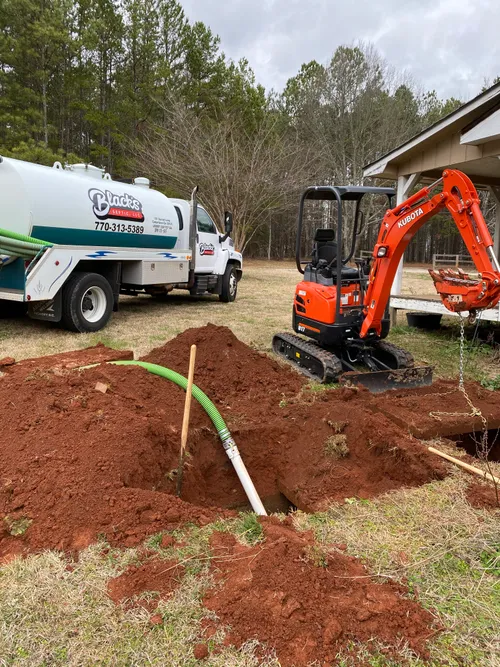
Blacks Septic LLC provides septic tank pumping, inspection, installation, repair, and drain field replacement services in Atlanta, GA. They handle both residential and commercial septic systems, including routine maintenance, new construction installations, and resolving backups or clogged systems. Their capabilities include comprehensive septic system repairs and field line replacements. Blacks Septic LLC is licensed and insured, focusing on reliable septic solutions for their customers.
Fix it Quick Septic Services, LLC
South Fulton, GA
Fix it Quick Septic Services, LLC is a locally owned company providing septic system installations, repairs, inspections, pumping, and jetting in South Fulton, GA. They serve Peachtree City, Fayette County, and surrounding areas with tailored septic solutions, including camera inspections and troubleshooting to identify hidden issues. The company focuses on professional and timely service to ensure septic systems operate efficiently and meet local regulations.
Understanding Your Drain Field and Signs of Failure
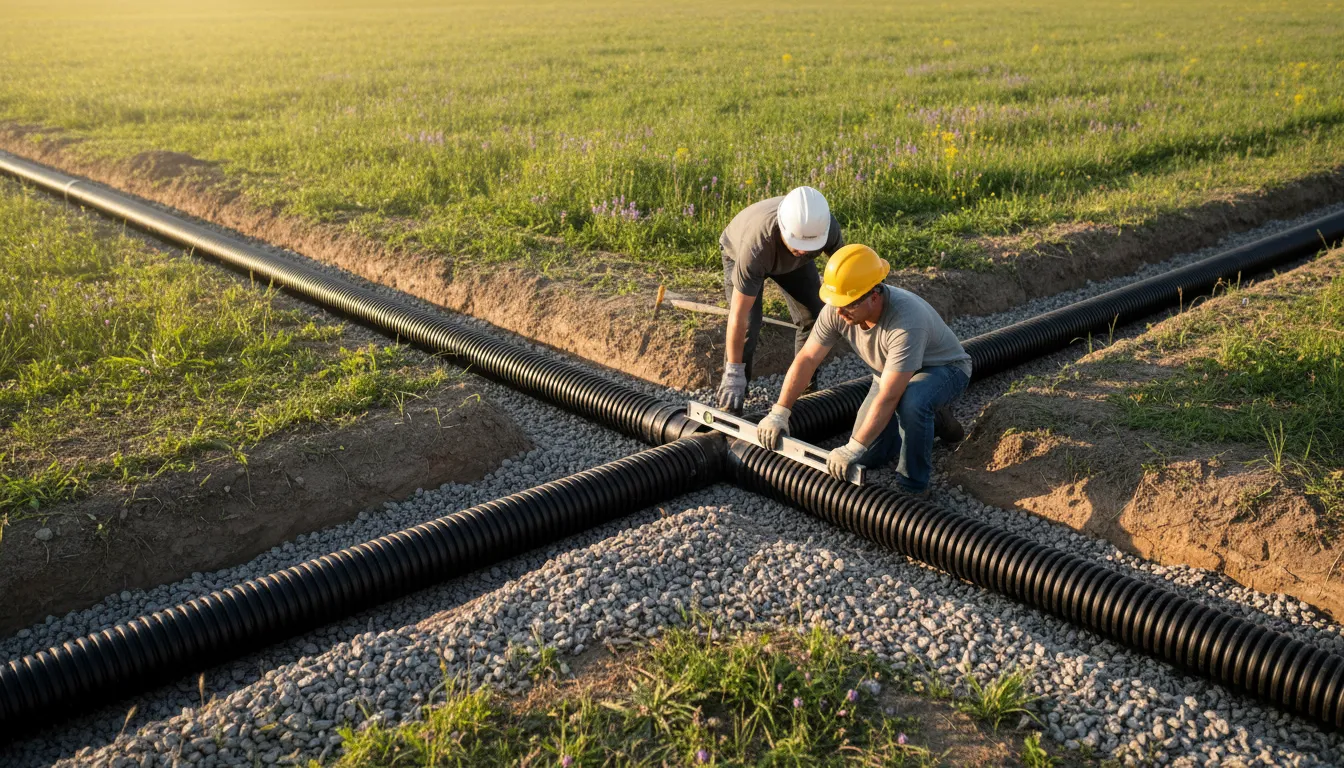
The drain field, also known as a leach field or soil absorption field, is the final and most crucial stage of your onsite sewage management system. After solids settle in the septic tank, liquid effluent flows into a network of perforated pipes buried in trenches filled with gravel. This effluent slowly percolates into the soil, where natural processes filter and treat it before it rejoins the groundwater.
When this system fails, warning signs are unmistakable. The most common indicators include:
- Soggy ground or standing water over the drain field area, especially when it hasn't rained.
- Sewage odors emanating from the yard.
- Slowly draining or backing up toilets and household drains.
- Unusually lush, green grass growing over the field, indicating a nutrient overload.
In Newnan and Coweta County, these symptoms mean it's time to act quickly to protect your property, health, and comply with Georgia law.
The Regulatory Landscape: Permits and Certified Contractors
All work on a septic system's absorption field in Georgia is tightly regulated. You cannot simply hire any excavator; the law requires specific steps and certified professionals.
Permit Requirement: Before any shovel hits the ground, a repair permit must be obtained from the Coweta County Environmental Health Department. This is non-negotiable. Starting work without a permit can result in fines and orders to remove unapproved work.
Certified Professionals: The entire repair or replacement must be performed by a Georgia-certified septic tank contractor. These professionals understand the state code (GA DPH Chapter 511-3-1) and local county requirements, ensuring the system is designed and built to last and protect public health.
The Georgia Code: All repairs and new installations must meet Georgia Department of Public Health Rule 511-3-11. This rule mandates site evaluations, approved plans, and specific construction standards for any onsite sewage management system.
The Step-by-Step Process for Repair or Replacement
Addressing a failed leach field is a multi-stage process involving evaluation, design, permitting, and construction.
1. Site Evaluation and Diagnosis
A certified contractor will first perform a thorough inspection to determine the exact cause of failure. This involves locating the existing tank and field (using "as-built" drawings if available, or probing downslope from the tank), performing a soil evaluation, and assessing the existing system's condition. The soil evaluation is critical; a professional must test the soil's permeability (percolation rate) and check for a seasonally high water table. This data directly informs the new design.
2. System Design and Plan Submission
Based on the site evaluation, a new drain field is designed. The size is primarily determined by two factors: the number of bedrooms in the home (which estimates daily wastewater flow) and the soil's absorption rate discovered during the percolation test2 3. The design must also adhere to strict setback requirements from property features 4:
- 50 feet from wells or springs
- 25 feet from water bodies (streams, ponds)
- 10 feet from property lines
- 15 feet from drainage ditches
The contractor submits the detailed repair plan, including the design and site plan, to the Coweta County Environmental Health Department for review and permit approval5 6.
3. Permitting and Pre-Construction Inspection
Once the county reviews and approves the plans, they will issue the repair permit. In some cases, an inspector may visit the site before construction begins to verify the proposed location meets all setbacks7.
4. Construction and Final Inspection
The certified contractor excavates the new trenches, installs the distribution piping and gravel, and connects it to the existing or new septic tank. A crucial step occurs before the trenches are backfilled: a construction inspection by the county's Environmental Health Specialist8 9. They must verify the installation matches the permitted plans and meets all code requirements. Only after their approval can the system be covered with soil.
Find the perfect drain field repair companies for your needs
Get personalized recommendations and expert advice
Understanding Costs for Drain Field Work in Newnan
Costs for leach field work vary widely based on the extent of the failure, soil conditions, system size, and the type of system installed. It's important to get multiple estimates from certified contractors. General price ranges include10 11 12:
- Partial Repairs: For localized issues, some repairs may be possible, ranging from $1,500 to $5,000.
- Conventional Drain Field Replacement: A full replacement of a standard gravity-fed system typically falls between $3,500 and $8,500.
- Full System Replacement (Tank & Field): If the septic tank also needs replacement, costs generally range from $5,000 to $12,000+.
- Alternative/Engineered Systems: For sites with poor soil, high groundwater, or limited space, advanced treatment systems (like aerobic treatment units or mound systems) may be required, with costs from $15,000 to $50,000+.
Maintaining Your New Drain Field
Protecting your investment in a new absorption field is key to its longevity, which can be 20-30 years or more with proper care.
- Practice Water Conservation: Spread out laundry loads, fix leaks, and install efficient fixtures to avoid hydraulically overloading the field.
- Mind What You Flush: Only human waste and toilet paper should go down the drain. Avoid chemicals, grease, wipes, and feminine products.
- Protect the Area: Never park vehicles, drive, or build structures (like sheds or patios) over the drain field. The weight can compact soil and crush pipes13 14.
- Control Vegetation: Keep trees and large shrubs with deep root systems far away from the field. Roots can infiltrate and clog pipes. Grass is the ideal cover.
- Divert Water: Ensure roof gutters, sump pumps, and yard drainage are directed away from the drain field to prevent saturation.
- Pump the Tank Regularly: Have the septic tank pumped every 3-5 years by a licensed pumper to prevent solids from escaping into and clogging the new field.
Choosing the Right Professional in Coweta County
Selecting a certified contractor is your most important decision. Look for:
- Valid GA Certification: Confirm they are currently certified by the state.
- Local Experience: Choose a company familiar with Coweta County's specific inspectors, permit process, and common soil types.
- Detailed Estimates: Get written, itemized quotes that outline the scope of work, materials, and timeline.
- References and Insurance: Ask for local references and proof of liability and workers' compensation insurance.
- Post-Installation Support: Understand their warranty or service policy on the installed work.
Frequently asked questions
Sources
Footnotes
-
GA R&R - GAC - Subject 511-3-1 ON-SITE SEWAGE MANAGEMENT SYSTEMS - https://rules.sos.ga.gov/gac/511-3-1 ↩
-
Septic Drainfield Design 101: A Complete Guide - https://landperc.com/septic-drainfield-design-guide/ ↩
-
What size septic system do I need? | #AskThePumperdude - https://www.youtube.com/watch?v=560KhhgifKc ↩
-
Navigating North Florida's Unique Soils: Best Practices for Septic Installation in 2025 - https://flengineeringllc.com/north-florida-septic-installation-2025/ ↩
-
A HOMEOWNER'S GUIDE TO ON-SITE SEWAGE MANAGEMENT ... - https://dph.georgia.gov/document/document/guide-septic-tanks/download ↩
-
Georgia Septic Tank Requirements | On-Site Sewage ... - https://www.ntotank.com/blog/georgia-septic-tank-requirements ↩
-
Septic Systems and Their Maintenance - https://nghd.org/files/ossms/Septic%20Systems%20and%20Their%20Maintenance.pdf ↩
-
Septic Drain Field Installation Guide GA: 7 Key Steps - https://dandhsepticservices.com/septic-drain-field-installation/ ↩
-
Georgia Septic System Guide: Regulations & Maintenance Tips - https://smartsepticpros.com/blog/georgia-septic-system-regulations/ ↩
-
Complete Guide to Septic Inspection in Georgia - https://dandhsepticservices.com/septic-inspection-in-georgia/ ↩
-
How Much Does it Cost to Replace Leach Field | The Original Plumber & Septic - https://theoriginalplumber.com/plumbing-tips/cost-to-replace-leach-field/ ↩
-
Failed Septic System Repair Cost | A Complete Guide 2025 - https://www.barnesseptic.com/post/failed-septic-system-cost ↩
-
A Beginner's Guide to Septic Systems - CAES Field Report - https://fieldreport.caes.uga.edu/publications/B1421/a-beginners-guide-to-septic-systems/ ↩
-
HOMEOWNERPS GUIDE - to Septic SyStem maintenance - https://www.gwinnettcounty.com/static/departments/publicutilities/pdf/SepticTankKit.pdf ↩