Find the Best Drain Field Repair Companies for Your Business
No obligation • Fast responses • Nationwide coverage

Why you can trust Septic Spot
Septic Spot is a leading United States resource for understanding and comparing septic services. Our editors review providers using consistent criteria and verify key business details. Listings and scores are independent, and companies cannot pay to influence our content.
Search providers near you
Top Drain Field Repair Companies in Peachtree Corners, Georgia Ranked
A failing drain field, also known as a leach field or absorption field, is a serious issue for any home with a septic system. When this critical component stops properly dispersing treated wastewater into the soil, it can lead to sewage backups, soggy yards, and environmental contamination. In Peachtree Corners, addressing drain field problems requires navigating specific local regulations and understanding the unique soil conditions of Gwinnett County. This guide helps you understand the process, costs, and key considerations for repairing or replacing your septic system's drain field, connecting you with the information needed to evaluate local certified professionals.
Hometown Plumbing and Septic
3375 Hutchinson Rd, Cumming, GA 30040
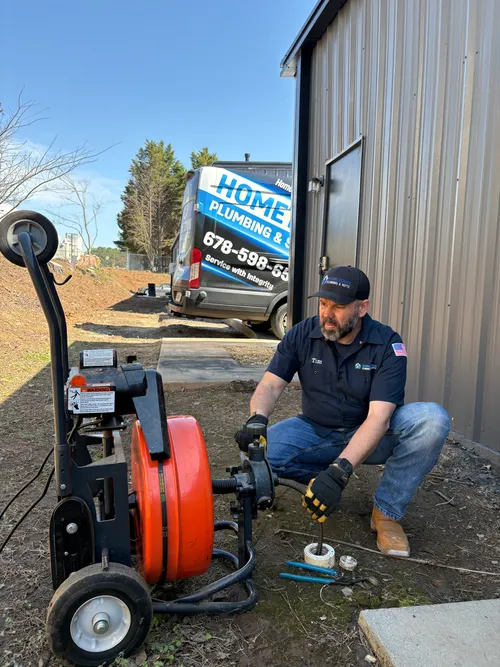
Hometown Plumbing and Septic provides professional septic services in South Fulton, GA, and the surrounding Metro Atlanta and North Georgia areas. They specialize in septic tank pumping, inspections, repairs, and complete system replacements for both residential and commercial properties. Their services also include drain field repair and lift station maintenance. With decades of experience and advanced equipment, they handle complex septic system issues with precision. They serve multiple counties including Barrow, Cherokee, Cobb, and others, offering preventative maintenance to help avoid emergency repairs.
Independent Septic and Sewer LLC
Atlanta, GA
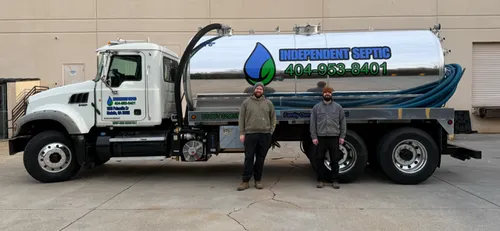
Independent Septic and Sewer LLC is a family-owned business serving Atlanta, GA, and surrounding counties. They provide septic tank pumping, cleaning, inspection, repair, and installation services for residential and commercial properties. With over 20 years of experience, the company offers expertise in diagnosing and repairing septic system issues, including drain field repairs and sewer line maintenance. They also provide a 10-year warranty on repairs and handle all necessary permits and building code requirements. Their services include thorough septic tank pumping that removes both liquids and solids, as well as hydro jetting and camera inspections when needed.
AC Septic Services
7460 Heardsville Cir, Cumming, GA 30028
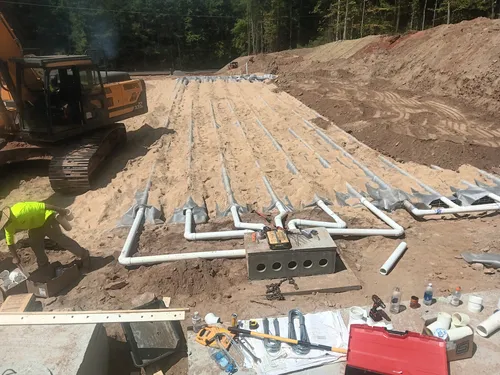
AC Septic Services is a septic system company based in South Fulton, GA, offering a range of services including septic tank pumping, inspection, repair, installation, and drain field replacement. With 10 years of experience, they serve Cumming and surrounding areas, using advanced technology to provide efficient and tailored septic solutions. The company also offers 24/7 emergency services to address urgent septic system issues promptly.
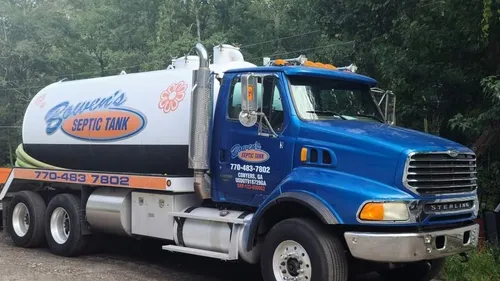
Bowen's Septic Tank
3935 GA-20, Conyers, GA 30012
Bowen's Septic Tank is a family-owned and locally operated business serving Atlanta, GA, and the surrounding metro area. With over 30 years of experience, they provide a full range of septic services including pumping, inspections, repairs, installations, and drain field replacements for residential, commercial, and industrial customers. Their capabilities include hydro-jetting and camera diagnostics, supported by written guarantees and the best warranty in the industry. Bowen's also offers plumbing services and biological septic treatments to maintain system health.
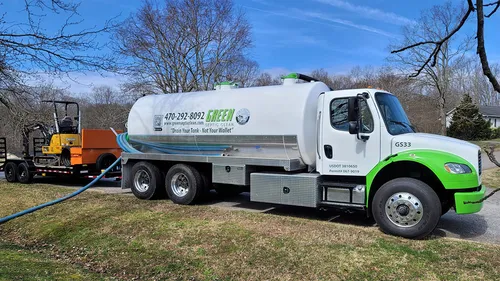
Green Septic Clean
2772 Maeve Ct NE, Dacula, GA 30019
Green Septic Clean is a septic tank pumping and repair company serving Atlanta, GA, and surrounding areas including Dacula, Athens, Royston, and Hartwell. They provide septic pumping, septic system repairs, and drain field restoration or replacement. The company offers emergency service available 24/7/365 to address urgent septic issues. Green Septic Clean is licensed, bonded, and insured, focusing on maintaining proper septic system function and preventing problems before they escalate.
Understanding Your Drain Field and Common Failures
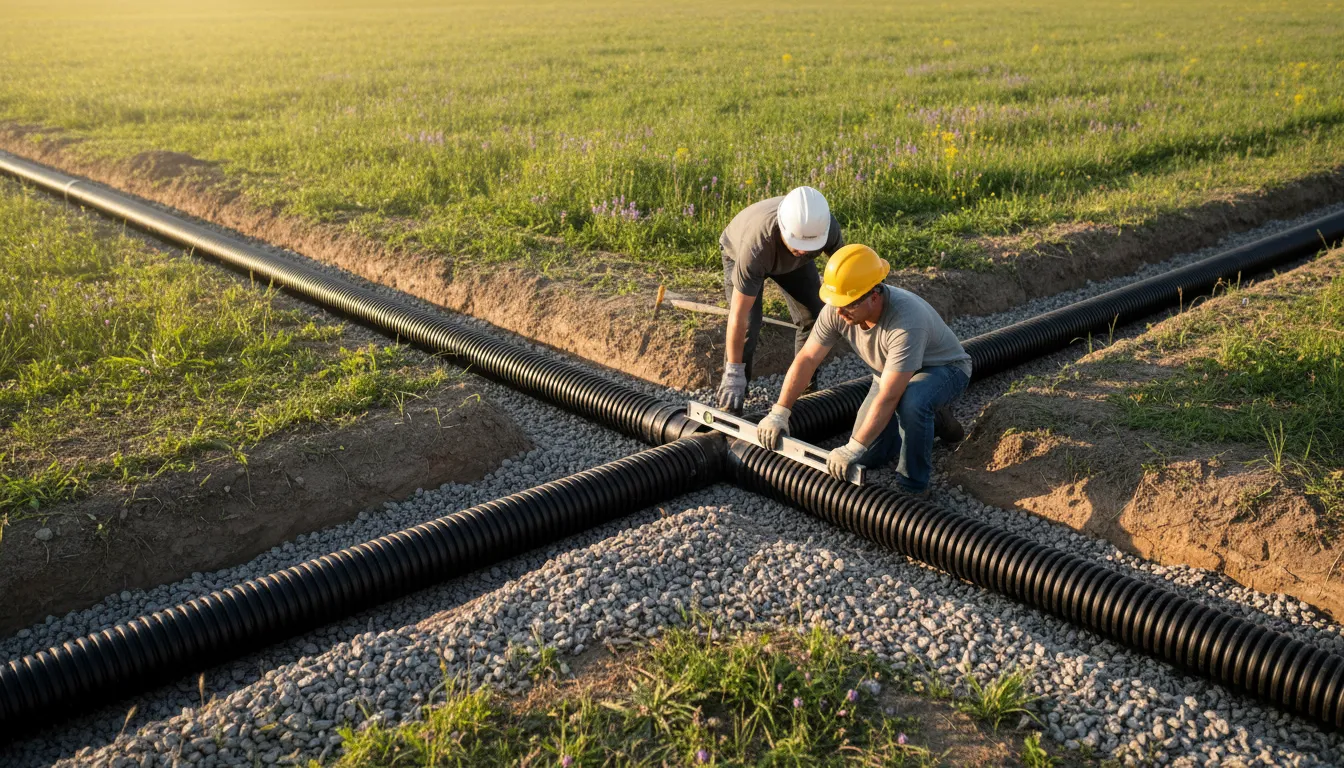
The drain field is the final stage of your onsite sewage system. After solids settle in the septic tank, the liquid effluent flows to the distribution box and is released into a network of perforated pipes buried in trenches filled with gravel or other media. This effluent then percolates through the soil, where natural processes provide final treatment. A system fails when the soil can no longer absorb the water, causing it to surface or back up into the home.
Common signs of drain field failure in Peachtree Corners include:
- Sewage odors in the yard, especially after rainfall.
- Persistently soggy or spongy ground over the drain field area, even in dry weather.
- Slow-draining sinks, toilets, and tubs that are not resolved by pumping the tank.
- Unusually lush, green grass growing over the drain field.
- Standing water or sewage surfacing in your yard.
Failure can be caused by a lack of regular tank pumping (which allows solids to clog the field), soil compaction from driving or building over the area, root intrusion from trees, or simply the natural aging of a system beyond its 20-30 year lifespan.
Gwinnett County Regulations and Permitting
All work on a septic system in Peachtree Corners, including any drain field repair or full replacement, is regulated by the Gwinnett County Environmental Health Department. State and county codes are strict to protect groundwater and public health.
The first and most critical step is obtaining a permit. No excavation or installation can legally begin without county approval. The permitting process typically involves:
- Site Evaluation: A county-sanctioned evaluator or a licensed contractor will assess your property. This evaluation determines soil texture (percolation rate), depth to groundwater, slope, and the presence of bedrock. These factors dictate the size and type of system your property can support.
- Plan Submission: Your licensed septic professional will submit a repair or replacement plan based on the site evaluation.
- Permit Issuance: Once plans are approved, the county issues a permit outlining the specific work to be done.
Key regulatory setbacks that must be maintained in Peachtree Corners include:
- 50 feet from any water well.
- 25 feet from streams, lakes, or other water bodies.
- 10 feet from property lines.
- Specific distances from building foundations, driveways, and swimming pools.
The Repair and Replacement Process
The course of action depends on the extent of the failure. A professional inspection (costing between $500 and $900 on average 1) is essential to diagnose the problem accurately.
For Minor Issues: Repair and Rehabilitation
If the failure is caught early or is localized, less invasive solutions may be possible, ranging from $1,000 to $5,000.
- Jet Cleaning: High-pressure water jets can clear minor clogs in the distribution pipes.
- Terra-Lift (Aeration): This process injects compressed air into the field to break up biomat (a clogging layer) and restore soil porosity.
- Partial Replacement: Replacing only the most clogged sections of the drain field.
For Complete Failure: Full Drain Field Replacement
When the entire field is saturated and non-functional, a full replacement is necessary. This is a major excavation project with costs typically ranging from $3,000 to over $15,000, depending on the system size and site conditions.
The standard replacement process follows these key steps2:
- Site Preparation & Excavation: The old drain field area is excavated. New trenches are dug, typically 24 to 36 inches deep3.
- Gravel Bed & Pipe Installation: A bed of washed gravel or engineered media is laid. Perforated distribution pipes are placed on top, connected to a new or cleaned distribution box.
- Covering and Final Grade: The pipes are covered with more gravel, then with a geotextile fabric to prevent soil intrusion, and finally with topsoil. The area is graded to direct surface water away.
- Final Inspection: A county inspector must visit the site to approve the installation before the trenches are fully covered.
Find the perfect drain field repair companies for your needs
Get personalized recommendations and expert advice
Cost Factors and Financial Considerations in Peachtree Corners
The wide range in replacement costs is due to several local factors:
- Soil Type: Gwinnett County soil varies. Sandy soils with good percolation may support a standard, less expensive system. Clay-heavy soils, common in the area, drain poorly and may require a larger field or a more advanced engineered system, which can cost $15,000 to $50,000 or more4 5 6.
- System Size: Determined by the home's number of bedrooms (water usage).
- Site Accessibility: Difficult terrain, rocky soil, or tight spaces can increase excavation costs.
- Permit and Design Fees: These are separate from installation labor and materials.
An important financial incentive for Peachtree Corners residents is the Sewer Connection Credit. If you choose to abandon your septic system entirely and connect to the city's public sewer line where available, you may be eligible for a 30% credit on your stormwater utility fees for one year7. This can offset a portion of the connection cost.
Choosing a Licensed Professional
This is not a DIY project. Georgia law requires that septic system installation and major repairs be performed by a licensed soil classifier, licensed installer, or a professional engineer8 9. When evaluating local providers:
- Verify Licenses: Ask for their state and county license numbers and confirm they are in good standing.
- Check Experience: Look for companies with extensive experience in Peachtree Corners and Gwinnett County, as they will be familiar with local inspectors and common soil challenges.
- Get Detailed Quotes: Ensure quotes include site evaluation, permit pulling, all materials, labor, and the final inspection fee.
- Ask for References: A reputable contractor should provide references from recent, similar projects.
Maintaining Your New Drain Field
Protect your investment with proper care10:
- Pump Regularly: Have your septic tank pumped every 3-5 years to prevent solids from escaping into the new field.
- Conserve Water: Spread out laundry loads and fix leaks to avoid hydraulically overloading the system.
- Mind What You Flush: Only human waste and toilet paper. Never flush chemicals, wipes, or grease.
- Protect the Area: Never drive, park, or build structures over the drain field. Plant only grass over it; keep trees and shrubs with deep roots far away.
- Divert Water: Ensure roof gutters, sump pumps, and yard drainage do not flow over the drain field area.
Frequently asked questions
Sources
Footnotes
-
Complete Guide to Septic Inspection in Georgia - https://dandhsepticservices.com/septic-inspection-in-georgia/ ↩
-
Septic Drain Field Installation Guide GA: 7 Key Steps - https://dandhsepticservices.com/septic-drain-field-installation/ ↩
-
Residential-Study-Guide.pdf - GNR Health - https://gnrhealth.com/wp-content/uploads/2012/01/Residential-Study-Guide.pdf ↩
-
Peachtree Corners - Action Septic Tank Service - https://actionseptictankservice.com/?tag=peachtree-corners ↩
-
How Much Does a Leach or Drain Field Replacement Cost? (2026) - https://homeguide.com/costs/drain-leach-field-replacement-cost ↩
-
Georgia's Septic Drain Field Requirements: Homeowner's Guide - https://smartsepticpros.com/blog/georgias-septic-drain-field-requirements/ ↩
-
City of Peachtree Corners - https://www.peachtreecornersga.gov/DocumentCenter/View/715/Stormwater-Utility-Credits-Manual-PDF ↩
-
Georgia Septic Tank Requirements | On-Site Sewage ... - https://www.ntotank.com/blog/georgia-septic-tank-requirements ↩
-
Georgia Septic System Guide: Regulations & Maintenance Tips - https://smartsepticpros.com/blog/georgia-septic-system-regulations/ ↩
-
Septic Systems and Their Maintenance - https://nghd.org/files/ossms/Septic%20Systems%20and%20Their%20Maintenance.pdf ↩