
Find the Best Drain Field Repair Companies for Your Business
No obligation • Fast responses • Nationwide coverage

Why you can trust Septic Spot
Septic Spot is a leading United States resource for understanding and comparing septic services. Our editors review providers using consistent criteria and verify key business details. Listings and scores are independent, and companies cannot pay to influence our content.
Search providers near you
Top Drain Field Repair Companies in Cuyahoga Falls, Ohio Ranked
A failing drain field is a serious issue for any homeowner with a septic system. This critical component, also known as a leach field or absorption area, is responsible for safely filtering and dispersing treated wastewater into the soil. When it malfunctions, it can lead to soggy yards, foul odors, and even sewage backups into your home. For residents of Cuyahoga Falls, navigating the repair or replacement of a septic system drain field involves specific local regulations, soil considerations, and a formal permitting process. This guide explains the local requirements, typical costs, and steps involved in restoring your onsite wastewater treatment system to proper function.
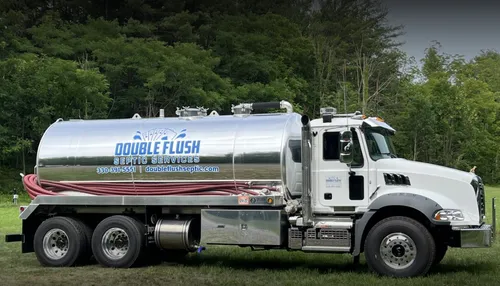
Double Flush Septic Services
2481 Remsen Rd, Medina, OH 44256
Double Flush Septic Services is a family-owned company based in Medina, OH, providing septic system installation, pumping, inspection, and repair services throughout Akron and the surrounding Northeast Ohio counties. They serve a broad area including Medina, Summit, Stark, Wayne, and Cuyahoga counties, offering expertise in maintaining and repairing septic tanks, drain fields, and aeration systems such as Norweco, Hydro-Action, and Marlow-Hunter. The company also provides emergency septic services and commercial grease trap cleaning, with capabilities like hydro jetting and drain snaking to address severe blockages. Double Flush Septic Services emphasizes local knowledge of Ohio's climate and soil conditions to support system longevity and functionality.
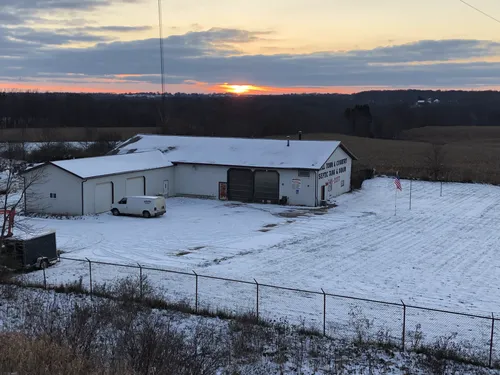
All Town & Country Septic Tank
3500 S Hametown Rd, Norton, OH 44203
All Town & Country Septic Tank is a licensed septic service provider based in Akron, OH, serving multiple counties including Summit, Wayne, Stark, Medina, and Portage. They offer septic tank pumping, inspection, repair, and installation services, along with drain field repair and septic pump replacement. The company is registered with Ohio Local Health Districts and the state EPA, ensuring compliance with strict state and local regulations. They also specialize in maintaining aerobic treatment systems and provide routine inspections to help prevent system failures. All Town & Country handles necessary permits and paperwork, supporting residential septic system operation and maintenance.
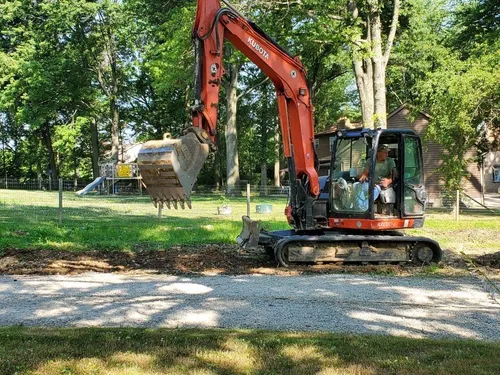
Summit Excavating
Akron, OH
Summit Excavating is a septic service company based in Akron, OH, offering a range of services including septic tank pumping, system repairs, installations, and drain field repair. The company also provides aeration unit installation and waste water pumping and disposal. Summit Excavating serves multiple counties including Medina, Portage, Summit, Stark, and Wayne, and is licensed, bonded, insured, and approved by the Ohio EPA. Founded by Marie and Jim Easterling, Sr., the company has a history of community service and expanded its offerings after 2006. They provide flexible scheduling for one-time or routine septic services and work year-round to maintain system performance.
Understanding Drain Field Failure in Northeast Ohio
A drain field operates as the final stage of a septic system. After solids settle in the tank, liquid effluent flows into a network of perforated pipes buried in trenches filled with gravel. This effluent slowly percolates into the soil, where natural processes provide final treatment. Failure occurs when the soil can no longer absorb the water. Common signs include:
- Wet, soggy areas or standing water over the drain field, even in dry weather.
- Slow drains and gurgling plumbing fixtures throughout the house.
- Sewage odors emanating from the yard or basement.
- Unusually lush, green grass over the drain field area.
In Cuyahoga Falls and surrounding Summit County, these failures are often accelerated by local environmental factors like dense clay soils and seasonal high water tables 1.
Local Regulations and the Permitting Process
All work on a sewage treatment system in Summit County is governed by Summit County Public Health (SCPH). You cannot legally begin any repair or replacement project without their approval. The process is designed to protect public health and groundwater quality.
Key Regulatory Steps:
- Initial Consultation and Site Evaluation: The first mandatory step is a Site and Soil Evaluation (SSE) conducted by a qualified soil professional 2. This assessment determines the soil's absorption rate, depth to bedrock, and seasonal water table level. The results dictate the type and size of system your property can support.
- Permit Application: With the SSE in hand, you or your chosen contractor must submit a "Permit to Alter, Replace, or Repair" application to SCPH. This includes the proposed system design.
- System Design and Approval: A system designer (often a licensed contractor or engineer) creates a plan that complies with Ohio Administrative Code Chapter 3701-29 3. The design must be reviewed and approved by SCPH before any digging begins.
- Installation and Inspection: Only a registered sewage treatment system contractor can perform the installation. SCPH inspectors must be notified to inspect the excavation, piping, and other components before the system is backfilled 4.
- Final Approval and Restoration: After passing inspection, the system is covered, and the site is graded and restored. SCPH provides final approval for the system to be placed into operation.
Soil Challenges and System Types for Cuyahoga Falls
The success of a leach field is entirely dependent on the soil's ability to absorb and treat effluent. Local conditions often require solutions beyond a conventional trench system.
- Clay Soils: Prevalent in the area, clay has very small pores that severely limit drainage (percolation). A standard trench system will quickly fail in these conditions.
- High Water Tables: Properties near rivers, creeks, or in low-lying areas may experience a high water table, especially in spring. If the drain field is saturated, it cannot accept more wastewater.
Due to these challenges, many properties in Cuyahoga Falls require an alternative or advanced treatment system. Common solutions include:
- Mounded Systems: Also called sand mounds, these are elevated drain fields constructed above the natural soil grade using specially selected sand. They are a common solution for sites with shallow soil, clay, or a high water table 5.
- Aerobic Treatment Units (ATUs): These systems use oxygen to break down waste more efficiently before the effluent reaches the drain field, allowing for a smaller absorption area. They are often paired with a pressure-dosed drain field for even distribution.
- Drip Irrigation Systems: Treated effluent is slowly dispersed through a network of small-diameter tubing, which can be more effective in challenging soils.
Your soil evaluation will determine which system type is necessary and legally permissible for your property 6.
Find the perfect drain field repair companies for your needs
Get personalized recommendations and expert advice
The Repair or Replacement Workflow: What to Expect
Engaging in a drain field project is a significant undertaking. Understanding the sequence of events helps manage expectations.
- Diagnosis: A septic professional will inspect the entire system, often using a camera, to confirm the drain field is the source of the problem and rule out tank or pipe issues.
- Hire a Registered Contractor: It is crucial to hire a contractor registered with the Ohio Department of Health to work in Summit County 7. They will coordinate the SSE, design, and permitting.
- Site Preparation: Once permits are secured, heavy equipment will be brought in to excavate the area. This involves carefully removing the old, failed drain field material.
- Installation: The new system is constructed according to the approved plan. This involves laying new distribution pipes, adding gravel or sand fill, and installing any necessary pumps or control panels for advanced systems.
- Inspection and Backfill: The SCPH inspector reviews the open excavation and components. After approval, the contractor backfills the area.
- Land Restoration: The contractor regrades the site and restores it with topsoil and seed or sod. It's important to keep heavy vehicles and structures off this area permanently.
Cost Considerations for Drain Field Projects
The cost for leach field repair or replacement in Cuyahoga Falls varies widely based on system type and site complexity. The figures below are estimates; always get multiple detailed quotes.
- Conventional Drain Field Replacement: For properties with suitable soil, replacing a standard system typically ranges from $5,000 to $12,000 or more 8.
- Advanced Systems (Mounds, ATUs): To address poor soil percolation or high water tables, costs increase significantly. Installing a sand mound or aerobic system can range from $14,000 to $19,000+ 9 10.
- Permit and Design Fees: Summit County Public Health charges fees for the Site and Soil Evaluation application, permit review, and inspections. Your contractor can provide an estimate for these required costs.
- Annual Maintenance: To protect your new investment, regular septic tank pumping (every 3-5 years) and system inspections are essential, typically costing $100-$200 per service 11 12.
Maintaining Your New Drain Field
A new or repaired absorption area is a major investment. Protect it by following these guidelines:
- Direct all roof and surface water drainage away from the drain field area.
- Never park or drive heavy vehicles or equipment over the field.
- Plant only grass over the field; tree and shrub roots can clog pipes.
- Practice water conservation to avoid hydraulically overloading the system.
- Avoid pouring harsh chemicals, grease, or non-biodegradable items down the drain.
Frequently asked questions
Sources
Footnotes
-
Management of Onsite Wastewater Treatment Systems - https://www.oki.org/departments/landuse/pdf/waterquality/wqm/Chapter_4.pdf ↩
-
Summit County Public Health - https://www.scph.org/sites/default/files/editor/WQ/STS%20SSE%20Application%2012.27.23.pdf ↩
-
Information for Homeowners - https://odh.ohio.gov/know-our-programs/sewage-treatment-systems/INFORMATION-FOR-HOMEOWNERS ↩
-
New or Replacement Sewage Treatment Systems - https://www.scph.org/water-quality/new-or-replacement-sewage-treatment-systems ↩
-
What is the best septic system if your land fails a perc test? - https://www.premiertechaqua.com/en-us/blog/best-septic-system-failed-perc-test ↩
-
How to Complete a Percolation Test - https://www.youtube.com/watch?v=9XRPv8D8xGw ↩
-
Septic System Excavation & Installation | Judd Septic Northeast Ohio - https://juddseptic.net/septic-system-excavation-installation/ ↩
-
Cost to Replace Septic Tank and Drain Field [2026 Data] | Angi - https://www.angi.com/articles/how-much-new-drain-fields-foot.htm ↩
-
New or Replacement Sewage Treatment Systems - https://www.scph.org/water-quality/new-or-replacement-sewage-treatment-systems ↩
-
Septic Systems Guide for - Ohio Real Estate Auctions - https://www.ohiorealestateauctions.com/uploads/auction_1107/docs/Septic_Systems_Guide_for_Home_Owners_and_Home_Buyers.pdf ↩
-
STS Components, Systems and Maintenance - https://odh.ohio.gov/know-our-programs/sewage-treatment-systems/information-for-homeowners/sts-components-systems-and-maintenance ↩
-
Ohio Department of Health Report to the Household Sewage ... - https://downloads.regulations.gov/EERE-2019-BT-STD-0039-0041/content.pdf ↩