
Find the Best Drain Field Repair Companies for Your Business
No obligation • Fast responses • Nationwide coverage

Why you can trust Septic Spot
Septic Spot is a leading United States resource for understanding and comparing septic services. Our editors review providers using consistent criteria and verify key business details. Listings and scores are independent, and companies cannot pay to influence our content.
Search providers near you
Top Drain Field Repair Companies in Parma, Ohio Ranked
A failing septic system drain field is a serious issue that can lead to sewage backups, foul odors, and environmental contamination. In Parma, Ohio, repairing or replacing a leach field is a regulated process overseen by the Cuyahoga County District Board of Health. Understanding the local codes, soil conditions, and inspection requirements is crucial for a successful project. This guide will help you navigate the process, from recognizing failure signs to working with registered contractors, ensuring your property's wastewater system is restored to proper function.
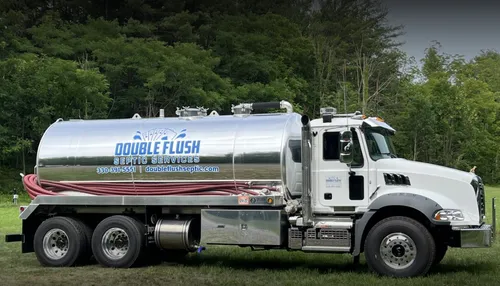
Double Flush Septic Services
2481 Remsen Rd, Medina, OH 44256
Double Flush Septic Services is a family-owned company based in Medina, OH, providing septic system installation, pumping, inspection, and repair services throughout Akron and the surrounding Northeast Ohio counties. They serve a broad area including Medina, Summit, Stark, Wayne, and Cuyahoga counties, offering expertise in maintaining and repairing septic tanks, drain fields, and aeration systems such as Norweco, Hydro-Action, and Marlow-Hunter. The company also provides emergency septic services and commercial grease trap cleaning, with capabilities like hydro jetting and drain snaking to address severe blockages. Double Flush Septic Services emphasizes local knowledge of Ohio's climate and soil conditions to support system longevity and functionality.
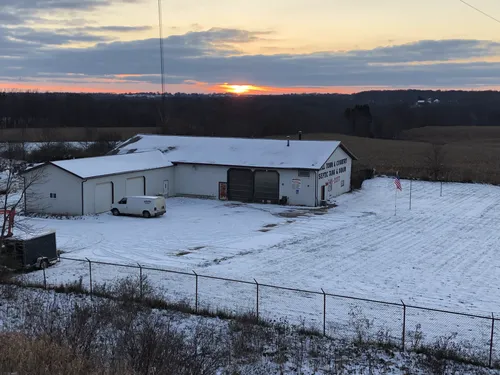
All Town & Country Septic Tank
3500 S Hametown Rd, Norton, OH 44203
All Town & Country Septic Tank is a licensed septic service provider based in Akron, OH, serving multiple counties including Summit, Wayne, Stark, Medina, and Portage. They offer septic tank pumping, inspection, repair, and installation services, along with drain field repair and septic pump replacement. The company is registered with Ohio Local Health Districts and the state EPA, ensuring compliance with strict state and local regulations. They also specialize in maintaining aerobic treatment systems and provide routine inspections to help prevent system failures. All Town & Country handles necessary permits and paperwork, supporting residential septic system operation and maintenance.
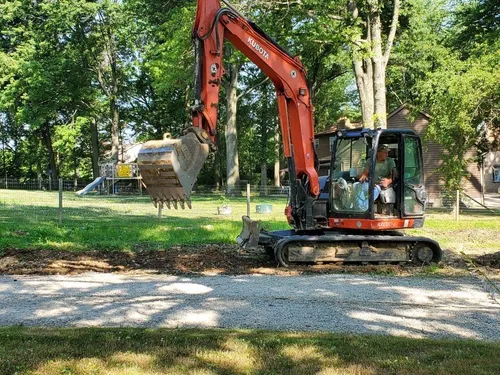
Summit Excavating
Akron, OH
Summit Excavating is a septic service company based in Akron, OH, offering a range of services including septic tank pumping, system repairs, installations, and drain field repair. The company also provides aeration unit installation and waste water pumping and disposal. Summit Excavating serves multiple counties including Medina, Portage, Summit, Stark, and Wayne, and is licensed, bonded, insured, and approved by the Ohio EPA. Founded by Marie and Jim Easterling, Sr., the company has a history of community service and expanded its offerings after 2006. They provide flexible scheduling for one-time or routine septic services and work year-round to maintain system performance.
Understanding Your Septic System's Drain Field
The drain field, also known as a leach field or absorption field, is the final and most critical stage of a septic system. After solids settle in the tank, liquid effluent flows into a network of perforated pipes buried in trenches. This effluent slowly percolates through the soil, where natural processes filter and treat it before it rejoins the groundwater. When this soil absorption area fails, the entire system is compromised. In Parma, specific regulations govern the construction and repair of these systems to protect public health and the environment 1.
Signs Your Parma Drain Field Needs Attention
Catching problems early can mean the difference between a simple repair and a costly full replacement. Be vigilant for these warning signs:
- Sewage Surfacing: The most urgent sign is wastewater pooling on the ground above the drain field or backing up into the home.
- Foul Odors: Persistent sewage smells in the yard, especially near the drain field area.
- Unusually Lush Vegetation: Grass or plants over the leach field that are greener and grow faster than the rest of the lawn, indicating a nutrient-rich effluent surfacing.
- Slow Drains & Gurgling: Consistently slow-draining toilets, sinks, and showers, accompanied by gurgling sounds in the plumbing.
- Spongy or Soggy Ground: The soil over the field remains wet and spongy long after rain has passed.
If you observe sewage surfacing, you must contact the Cuyahoga County District Board of Health immediately to develop a repair plan 2.
Parma's Regulatory Landscape for Leach Field Work
All septic system work in Parma must conform to the Ohio Administrative Code (OAC) Chapter 3701-29 and local ordinances enforced by the Cuyahoga County District Board of Health.
- Permits Are Mandatory: Any alteration or replacement of a failed system requires a permit from the local health district. Simple repairs by a service provider, like replacing a small part, may not need one, but any significant work on the absorption field does.
- Registered Contractors Only: All installation, repair, and replacement work must be performed by a sewage treatment system installer registered with the Ohio Department of Health 3.
- Regular Inspections: Ohio law requires septic systems to be inspected at least once every three years by a licensed service provider. This inspection includes an assessment of the drain field's function.
The Drain Field Inspection Process
A professional inspection is the first step in diagnosing a problem. Here's what a comprehensive leach field assessment in Parma typically involves 4 5 6:
- System Location: The technician will locate the tank and the approximate boundaries of the drain field, which may involve uncovering inspection ports.
- Tank Pumping & Inspection: The septic tank is pumped to allow for inspection of its structural integrity, baffles, and tees, and to measure scum and sludge levels.
- Component Check: The distribution box (if present) is checked for clogs or damage to ensure even flow to all lateral lines.
- Visual Field Assessment: The area above the lateral lines is examined for the warning signs mentioned earlier (odors, surfacing, lush grass).
- Hydraulic Load Test: Water is introduced into the system to verify the drain field is absorbing liquid at the proper rate, a key test for functionality.
- Official Reporting: A detailed report is generated and, for mandatory triennial inspections, submitted to the health department.
Find the perfect drain field repair companies for your needs
Get personalized recommendations and expert advice
Key Design & Installation Standards in Parma
Local code specifies exact requirements for a compliant leaching field system 7 8:
- Lateral Line Requirements: A standard residential system in Parma must have a minimum of 240 total feet of lateral lines.
- Spacing & Length: Lateral lines must be spaced at least 8 feet apart (center to center), with no single line exceeding 80 feet in length.
- Trench Specifications: Trenches must be at least 20 inches wide and have a maximum depth of 30 inches.
- Critical Setbacks: The septic tank must be at least 5 feet from property lines, 20 feet from buildings, and 50 feet from private water wells 9.
The Impact of Parma's Soil on Your System
Soil composition is a major factor in drain field design and longevity. Northeast Ohio, including Parma, often has clay-heavy soils.
- Percolation Challenges: Clay soils have tiny pores that restrict water movement (slow percolation), making proper sizing and design critical.
- Depth to Limiting Conditions: Ohio requires 36 to 48 inches of suitable soil above bedrock or a high seasonal water table for a conventional trench system.
- Mound Systems: If the soil is too shallow or dense, a raised mound system may be the only viable option. This involves constructing a sand-filled mound above the natural grade to provide adequate treatment 10.
- Excavation Timing: Due to soil type, excavation for repair or replacement is best done in dry weather to avoid complicating the already challenging soil conditions.
Repair vs. Replacement: Understanding Your Options
The solution depends on the extent of the failure.
- Minor Repairs: Issues like a clogged distribution box, damaged pipe segment, or crushed line from surface pressure may be fixable without a full replacement. This requires excavation of the affected area only.
- Full Drain Field Replacement: When the soil is permanently clogged (a condition called biomatting) or the entire field has failed, a new absorption area must be constructed. This often involves:
- Finding a New Location: Using the original site may not be possible if the soil is spent.
- Applying for a Permit: Submitting a detailed design plan to the health department.
- Complete Excavation: Installing a new set of lateral lines according to current code.
Cost Considerations for Leach Field Work
Costs can vary widely based on system size, soil conditions, and the extent of work needed 11.
- Full System Replacement: Replacing both a septic tank and drain field typically ranges from $5,000 to $12,000 or more. A more complex mound system will be at the higher end of this range.
- Permit Fees: Local health departments charge permit fees for system alterations. Some state-level fees for permits can range from $34 to $75 12 13.
- Maintenance vs. Replacement: Routine pumping and inspection every 3-5 years is a minor expense (often a few hundred dollars) compared to the five-figure cost of a new leach field. This underscores the value of regular maintenance.
- Cost of Non-Compliance: Failing to maintain your system or address health department orders can result in fines of up to $500 14.
Protecting Your New or Repaired Drain Field
Once your system is functional, proper care will extend its life for decades.
- Mind the Surface: Never pave, build structures, or park vehicles over the drain field. Soil compaction prevents the oxygen exchange necessary for wastewater treatment. Only grass should be planted over the area to promote evaporation and prevent erosion 15.
- Divert Water: Ensure roof gutters, sump pumps, and foundation drains discharge away from the absorption field. Adding excess water is a common cause of failure.
- Conserve Water & Mind What You Flush: Spread out laundry loads, fix leaks, and avoid using garbage disposals excessively. Never flush chemicals, grease, or non-biodegradable items.
Frequently asked questions
Sources
Footnotes
-
Sewage Treatment Systems - Ohio Department of Health - https://odh.ohio.gov/know-our-programs/sewage-treatment-systems ↩
-
New Ohio septic rules require regular maintenance - https://www.newarkadvocate.com/story/news/local/2015/09/11/new-ohio-septic-rules-require-regular-maintenance/72102896/ ↩
-
Information for Contractors - Ohio Department of Health - https://odh.ohio.gov/know-our-programs/sewage-treatment-systems/INFORMATION-FOR-CONTRACTORS ↩
-
Do-It-Yourself Septic System Inspection Field Guide - https://doh.wa.gov/sites/default/files/legacy/Documents/Pubs//337-122.pdf ↩
-
Septic Inspections for Real Estate in Ohio | SepTek - https://www.septekservices.com/2025/06/19/what-to-expect-during-a-septic-inspection-for-real-estate-transactions-in-ohio/ ↩
-
Septic System Inspection - Check-Mate Ohio, LLC - https://checkmateohio.com/septic-system-inspection/ ↩
-
933.01 CONFORMITY WITH REGULATIONS OF CUYAHOGA ... - https://codelibrary.amlegal.com/codes/parma/latest/Parma_oh/0-0-0-209839 ↩
-
Information for Homeowners - https://odh.ohio.gov/know-our-programs/sewage-treatment-systems/INFORMATION-FOR-HOMEOWNERS ↩
-
931.04 SEPTIC TANKS. - https://codelibrary.amlegal.com/codes/parmaheights/latest/parmahts_oh/0-0-0-13420 ↩
-
Septic Tank: Mound System - Ohioline - https://ohioline.osu.edu/factsheet/aex-744 ↩
-
Cost to Replace Septic Tank and Drain Field [2026 Data] | Angi - https://www.angi.com/articles/how-much-new-drain-fields-foot.htm ↩
-
933.01 CONFORMITY WITH REGULATIONS OF CUYAHOGA ... - https://codelibrary.amlegal.com/codes/parma/latest/Parma_oh/0-0-0-209839 ↩
-
A GUIDE FOR ON-SITE SEWAGE DISPOSAL SYSTEMS (SEPTIC ... - https://dam.assets.ohio.gov/image/upload/epa.ohio.gov/Portals/35/documents/Sewage2000.pdf ↩
-
Septic Tanks Get New Rules in Ohio - Clear Drain Cleaning - https://cleardraincleaning.com/septic-tanks-get-new-rules-ohio/ ↩
-
Septic System Maintenance | Ohioline - https://ohioline.osu.edu/factsheet/aex-740 ↩