Find the Best Drain Field Repair Companies for Your Business
No obligation • Fast responses • Nationwide coverage

Why you can trust Septic Spot
Septic Spot is a leading United States resource for understanding and comparing septic services. Our editors review providers using consistent criteria and verify key business details. Listings and scores are independent, and companies cannot pay to influence our content.
Search providers near you
Top Drain Field Repair Companies in Bartlett, Tennessee Ranked
A failing drain field is a serious issue for any Bartlett homeowner with a septic system. This critical component, also known as a leach field or absorption field, is responsible for safely filtering and dispersing treated wastewater into the soil. When it malfunctions, it can lead to soggy yards, unpleasant odors, and even environmental contamination. Understanding the local regulations, repair process, and how to identify a problem is essential for protecting your property and health. This guide provides the information you need to navigate drain field issues, connect with licensed professionals, and ensure your system is repaired correctly and legally.

ABC Plumbing & Septic Service
741 Lee Creek Rd, Byhalia, MS 38611
ABC Plumbing & Septic Service is a septic tank pumping, inspection, repair, and installation company serving Memphis, TN. With over 70 years of experience, they provide residential, commercial, and industrial septic services including hydrojetting, video inspection, and drain field repair. The company offers 24/7 emergency service and uses advanced equipment to ensure effective septic system maintenance and repairs.
All In One Services
1651 Dancy Blvd #4b, Horn Lake, MS 38637
All In One Services is a family-owned business serving Memphis, TN, with over 20 years of experience in septic system care. They provide a range of services including septic tank pumping, inspections, repairs, and drain field replacement. The company uses hydro-jetting equipment to clear clogged sewer lines and offers expert advice based on thorough inspections to help maintain and extend the life of septic systems.
Understanding Your Drain Field in Bartlett
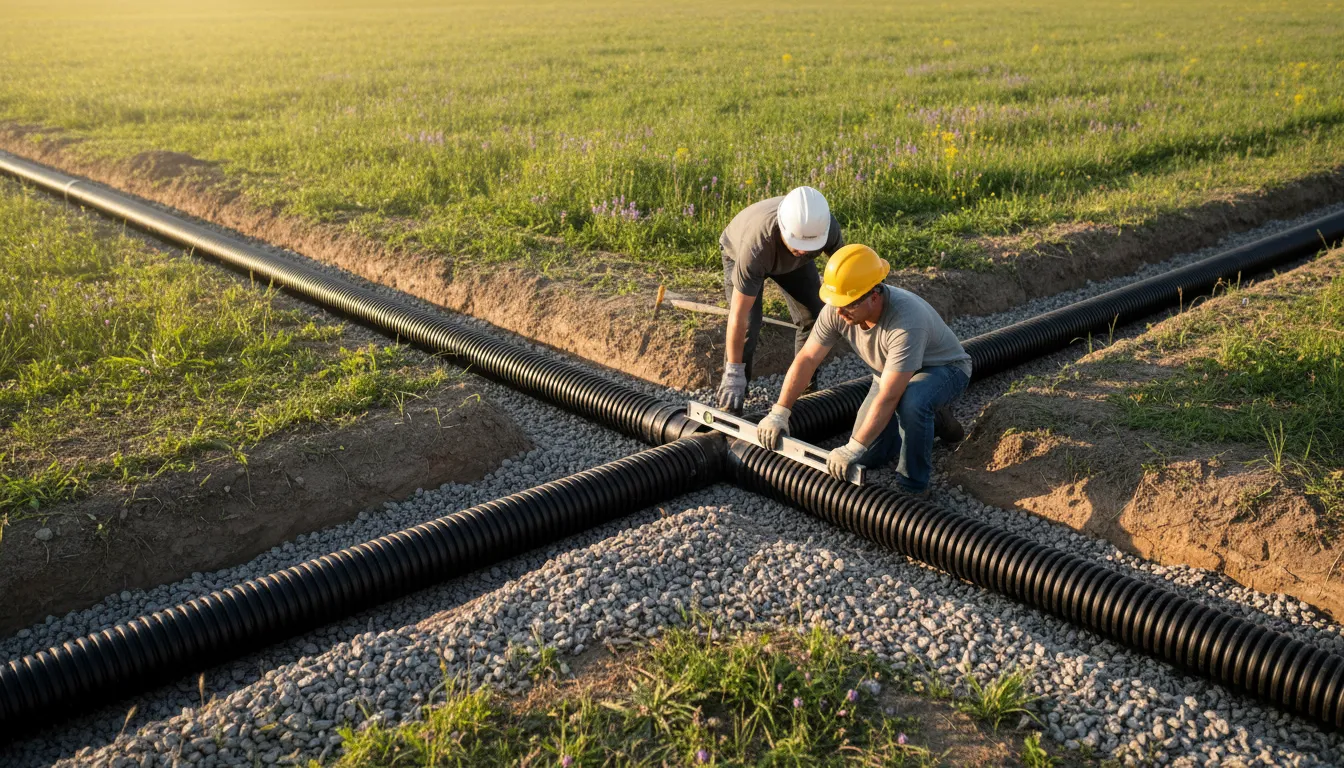
The drain field is the final stage of your onsite wastewater treatment system. After solids settle in the septic tank, the liquid effluent flows out into a network of perforated pipes buried in trenches filled with gravel. This effluent slowly percolates into the soil, where natural processes provide final treatment. In Bartlett and throughout Shelby County, the performance of your leach field is heavily dependent on local soil conditions and strict health department regulations.
Common signs that your absorption field may be failing include:
- Persistently soggy or spongy soil over the drain field area, even in dry weather.
- Sewage odors emanating from your yard.
- Unusually lush, green grass growing over the field lines.
- Slow-draining household fixtures or sewage backups into the home.
- Standing water or surfacing effluent.
If you notice any of these symptoms, it's crucial to act quickly. A failing system is a public health concern and must be addressed through proper repair or replacement procedures permitted by the Shelby County Health Department 1.
Local Regulations and Permit Requirements
All work on septic systems in Bartlett, including drain field repair, is governed by the Tennessee Department of Environment and Conservation (TDEC) and administered locally by the Shelby County Health Department, which acts as a "contract county" for enforcement 2. You cannot legally begin any excavation or repair work without the proper permit.
Key Regulatory Steps:
- Repair Permit: A Septic System Repair Permit is mandatory before any work begins on a failing system. Homeowners are not permitted to install or repair their own systems; all work must be performed by a state-licensed septic system installer 3 4.
- Site Evaluation & Application: The permit application, submitted to the local Environmental Field Office, typically requires a detailed plot plan and often a new soil analysis. A site inspection by the health department is required to verify the proposed repair design 5.
- Final Inspection: After construction, the Shelby County Health Department must conduct a final inspection to approve the work.
The Professional Inspection Process
When problems arise, the first step is a comprehensive inspection by a licensed professional to diagnose the exact issue. A thorough assessment for a suspected drain field failure typically includes 6:
- System Location: The technician will locate the septic tank and drain field using any available as-built records or electronic locating equipment 7.
- Tank Inspection: Access ports are uncovered, and the tank may be pumped to allow for a clear internal inspection. The technician checks for structural cracks, leaks, and ensures inlet and outlet baffles are intact 8 9.
- Drain Field Assessment: The area above the leach field is examined for visual signs of failure like soggy soil or effluent surfacing. A "water test" may be performed, where a large volume of water is run from the home to see if it absorbs properly or pools on the surface 10 11.
- Reporting: The inspector provides a detailed report on the system's condition, which is necessary for planning repairs and obtaining permits.
Soil Evaluation and System Design Factors
The success of any drain field repair or replacement in Bartlett hinges on the soil's ability to absorb and treat wastewater. Local regulations require a thorough site evaluation.
- Soil Analysis: A high-intensity soil map or percolation (perc) test is usually required to determine the soil's absorption rate. This test helps design a system that matches the property's specific conditions.
- Setbacks: Septic components must maintain strict minimum distances from property lines, buildings, wells, streams, and other water bodies. These setbacks are non-negotiable and influence where a new field can be placed.
- Reserve Area: Tennessee law requires a designated "reserve area" equal to 100% of the initial system's size. This space must be preserved for future repairs or a complete replacement system 12.
- Challenging Sites: Properties with high water tables, shallow bedrock, or dense clay may not support a conventional trench system. In these cases, specialized engineered solutions like elevated sand mound systems or aerobic treatment units may be necessary 13.
Find the perfect drain field repair companies for your needs
Get personalized recommendations and expert advice
Understanding Repair and Replacement Costs
The cost to address a failing drain field in Bartlett can vary significantly based on the extent of the problem, soil conditions, and the size of your home. It's important to get detailed estimates from licensed installers. Based on available data, here are some general cost considerations:
- Permit and Site Evaluation: While the repair permit itself may have no fee, the application process requires a $175 site evaluation fee paid to the state 14 15.
- Soil Percolation Test: A professional perc test averages around $1,300 16.
- Drain Field Replacement: Replacing just the leach field lines can often cost around $7,000, though this is highly variable.
- Full System Replacement: If both the tank and drain field need to be replaced, total costs typically range from $3,000 to over $10,000, depending on system complexity and site challenges.
These figures are estimates. Always obtain written quotes from multiple licensed contractors for your specific situation.
Maintaining Your Drain Field to Prevent Failure
Proper maintenance is the most cost-effective way to avoid a costly leach field replacement. Follow these guidelines to extend the life of your entire septic system 17 18:
- Pump Regularly: Have your septic tank pumped by a licensed pumper every 3 to 5 years to prevent solids from escaping into and clogging the drain field.
- Conserve Water: Spread out water use throughout the day and week. Fix leaky faucets and toilets promptly.
- Mind What You Flush: Only human waste and toilet paper should go down the drain. Avoid chemical drain cleaners, grease, feminine hygiene products, and medications.
- Reduce Kitchen Solids: Minimize use of a garbage disposal, as it significantly increases the solid load entering your system.
- Protect the Area: Never drive, park, or build structures (like sheds or patios) over your drain field. Keep roof drains, sump pumps, and other surface water away from the area.
- Landscaping: Only plant grass over the field. Avoid deep-rooted trees and shrubs nearby.
Frequently asked questions
Sources
Disclaimer: Regulations, procedures, and fees are subject to change. Always verify the most current information directly with the Shelby County Health Department and consult with licensed professionals for your specific project.
Footnotes
-
Water Quality & Septic Tank Program - https://www.shelbytnhealth.com/179/Water-Quality-Septic-Tank-Program ↩
-
memphis and shelby county health department - https://www.shelbycountytn.gov/DocumentView.aspx?DID=771 ↩
-
Online Application for Septic Related Services - TN.gov - https://www.tn.gov/environment/permit-permits/water-permits1/septic-systems-permits/ssp/wr-sds-online-application-for-ground-water-protection-services.html ↩
-
Licensed Septic System Installers & Septic Tank Pumpers - TN.gov - https://www.tn.gov/environment/permit-permits/water-permits1/septic-systems-permits/ssp/wr-sds-active-installers-pumpers.html ↩
-
Septic System Installation - Rocky Top Septic Service, llc - https://rockytopseptic.com/service/septic-system-installation/ ↩
-
Septic Inspections - Rocky Top Septic Service, llc - https://rockytopseptic.com/septic-inspections/ ↩
-
Septic Tank Inspection | Christiana, Tennessee - https://www.scottseptictank.com/septic-tank-inspection ↩
-
Homeowner's Guide to Septic Systems - Lebanon, TN - https://www.lebanontn.org/DocumentCenter/View/273/Detailed-Septic-Information-PDF ↩
-
Preparing for Septic Tank Inspection: 7 Key Steps - https://septic911.com/preparing-for-septic-tank-inspection/ ↩
-
Septic Inspection Process: What Homeowners Should Know ... - https://www.lunspro.com/vlog/the-septic-system-inspection-process-what-homeowners-should-know ↩
-
The Importance of a Septic Inspection When Buying a Home - https://www.midtnliving.com/blog/15/The+Importance+Of+A+Septic+Inspection+When+Buying+A+Home ↩
-
What to Know Before Installing a Septic System in Rural ... - https://www.shamrockdirtandforestry.com/what-to-know-before-installing-a-septic-system-in-rural-tennessee ↩
-
Tenn. Comp. R. & Regs. 0400-48-01-.15 | State Regulations - https://www.law.cornell.edu/regulations/tennessee/Tenn-Comp-R-Regs-0400-48-01-.15 ↩
-
Frequently Asked Questions - CivicPlus.CMS.FAQ - https://www.shelbycountytn.gov/faq.aspx?qid=323 ↩
-
Septic System Construction Permit - TN.gov - https://www.tn.gov/environment/permit-permits/water-permits1/septic-systems-permits/ssp/permit-water-septic-system-construction-permit.html ↩
-
Cost to Replace Septic Tank and Drain Field [2026 Data] | Angi - https://www.angi.com/articles/how-much-new-drain-fields-foot.htm ↩
-
Yard - TN.gov - https://www.tn.gov/health/cedep/environmental/healthy-homes/hh/yard.html ↩
-
Onsite Wastewater Treatment Systems "Septic Systems" - https://www.tn.gov/health/cedep/environmental/healthy-homes/hh/onsite-wastewater-treatment-systems.html ↩