Find the Best Drain Field Repair Companies for Your Business
No obligation • Fast responses • Nationwide coverage

Why you can trust Septic Spot
Septic Spot is a leading United States resource for understanding and comparing septic services. Our editors review providers using consistent criteria and verify key business details. Listings and scores are independent, and companies cannot pay to influence our content.
Search providers near you
Top Drain Field Repair Companies in Chattanooga, Tennessee Ranked
A failing drain field, also known as a leach field or absorption field, is a serious issue for any home with a septic system. This critical component is responsible for safely filtering and dispersing treated wastewater into the soil. When it fails, it can lead to soggy yards, foul odors, and even environmental contamination. In Chattanooga and Hamilton County, repairing or replacing a septic drain field is a regulated process that requires professional expertise and state approval. This guide will help you understand the local requirements, costs, and steps involved in restoring your onsite wastewater system to proper function.
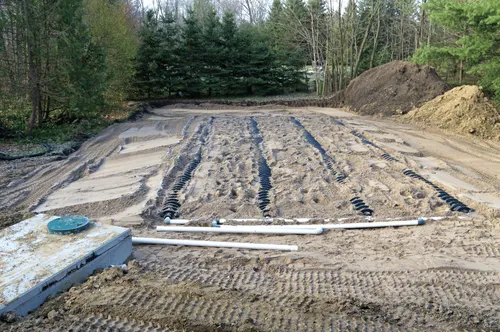
Poop Dudes
2715 Forest Rd, Chattanooga, TN 37406
Poop Dudes is a family-owned septic service company based in Chattanooga, TN, serving the greater Chattanooga area and north Georgia. With over 20 years of experience, they provide a full range of septic services including tank pumping, inspections, repairs, and installations. Their licensed technicians handle various septic systems such as standard, low pressure pipe, mound, and drip systems. Poop Dudes also offers 24-hour emergency septic services to address urgent needs promptly.
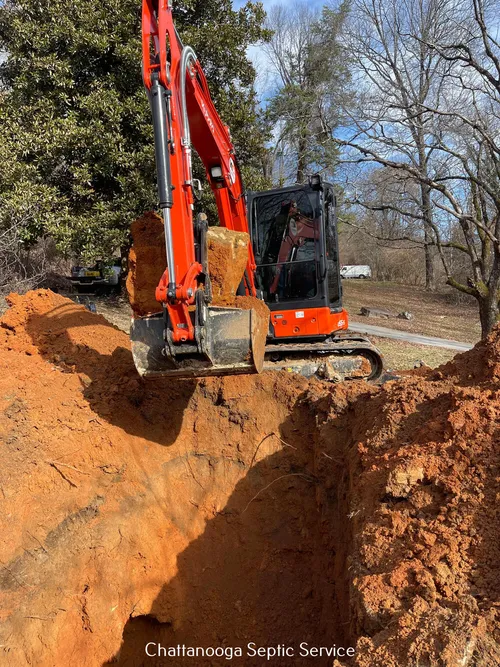
Flush Fellas Septic and Excavating - Chattanooga
Chattanooga, TN
Flush Fellas Septic and Excavating - Chattanooga is a veteran-owned septic service company based in Chattanooga, TN. They provide residential and commercial septic tank pumping, installation, inspection, and repair services, including drain field repair and septic pump replacement. The company uses video scoping technology to diagnose septic issues and offers detailed post-service reports with maintenance recommendations. Licensed in Tennessee and Georgia, Flush Fellas serves the Chattanooga area and North Georgia metro region. They also provide 24/7 emergency septic services for urgent repairs and pump issues.
Rapid Rooter Septic Services
Chattanooga, TN
Rapid Rooter Septic Services is a family-owned company serving Chattanooga, TN, and north Georgia with over 20 years of experience in septic system services. They offer a wide range of services including septic tank pumping, inspections, repairs, installations, and drain field repairs. The company is licensed to work on all types of septic systems in Tennessee and provides 24-hour emergency service for urgent septic needs. Their team is skilled in handling everything from routine maintenance to complex repairs and new system installations.
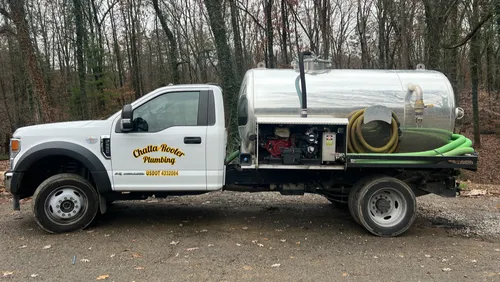
Chatta Rooter Plumbing Septic & Drain
8307 Iris Dr, Chattanooga, TN 37421
Chatta Rooter Plumbing Septic & Drain is a septic system repair company based in Chattanooga, TN. They specialize in septic tank and drain field repair and replacement, serving residential and commercial clients in the area. The company is known for restoring septic systems efficiently while minimizing yard disruption.
Same Day Septic
125 Destiny Ln, Ringgold, GA 30736
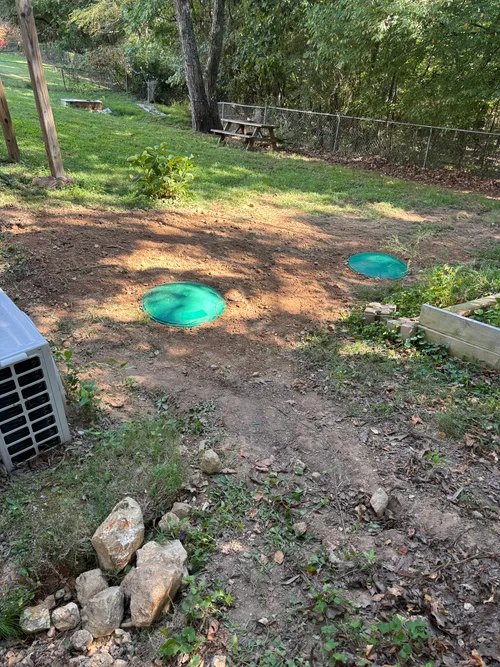
Same Day Septic is a family-owned and locally operated septic service provider based in Chattanooga, TN. They offer a wide range of services including septic tank pumping, system repair, installation, and drain field repair for residential, commercial, and industrial clients. Their team is licensed, insured, and certified, with OSHA and erosion certifications, ensuring compliance with safety standards. They provide 24/7 availability and same-day response to address urgent septic needs efficiently. With over two decades of experience, Same Day Septic serves Chattanooga and North Georgia, delivering reliable septic solutions including grease trap pumping and installation as well as land clearing services.
Understanding Drain Field Failure
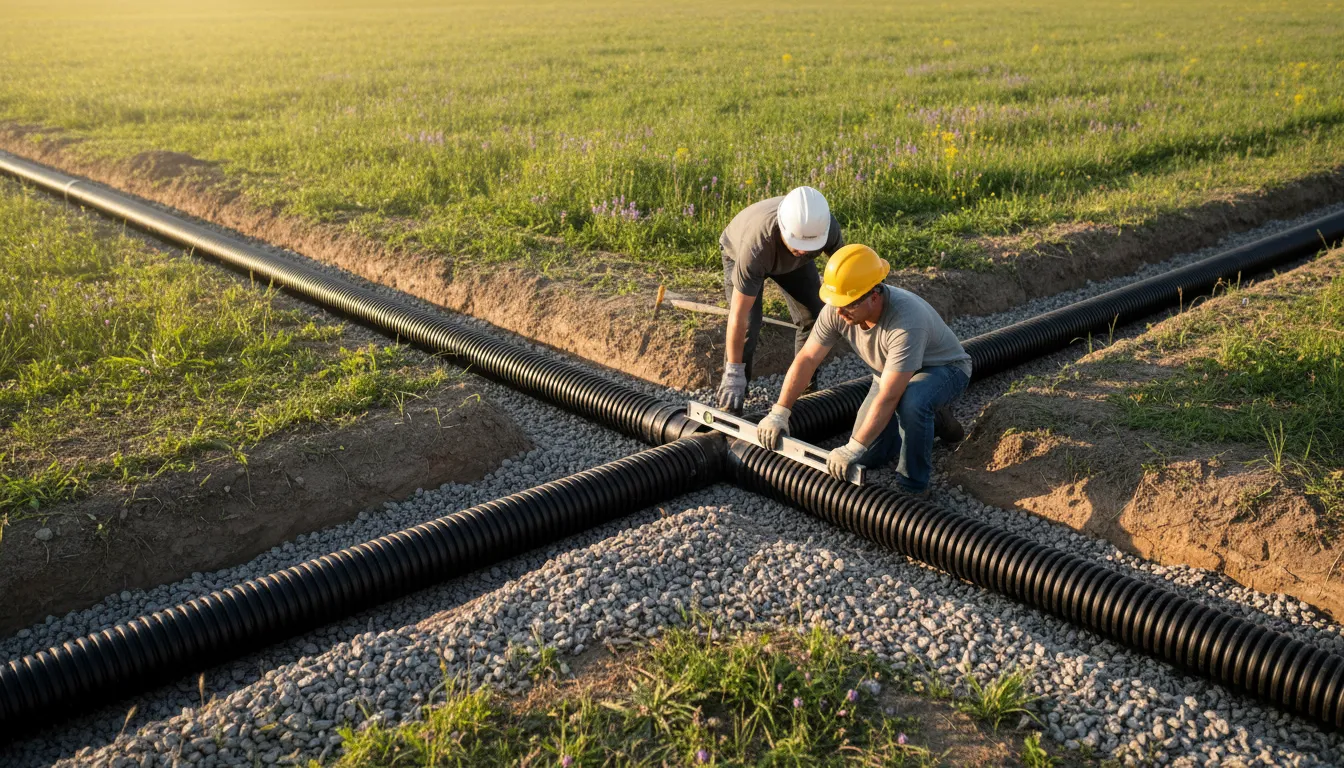
The drain field is the final stage of your septic system. After solids settle in the tank, liquid effluent flows into a network of perforated pipes buried in trenches filled with gravel. This effluent slowly seeps into the surrounding soil, where natural processes provide final treatment. Failure occurs when the soil can no longer absorb the water. Common signs include:
- Sewage odors in the yard, especially after rainfall.
- Spongy, soggy, or standing water over the drain field area.
- Unusually lush, green grass over the field while the rest of the lawn is dry.
- Slow drains or sewage backups in the house.
If you notice these signs, it's crucial to act quickly. A failing system is a health hazard and violates Tennessee state code.
Chattanooga's Regulatory Landscape
All septic system work in Tennessee, including drain field repairs, is regulated by the Tennessee Department of Environment and Conservation (TDEC). In Hamilton County, the local Environmental Field Office enforces these rules. Understanding this framework is the first step in any repair project.
Key Regulations Homeowners Must Know:
- Permit Required: You must obtain a Septic System Repair Permit from TDEC before any work begins on a failing system 1. It is illegal to proceed without this permit.
- Licensed Professionals Only: Tennessee law prohibits homeowners from installing or repairing their own septic systems. All work must be performed by a state-licensed installer or contractor.
- TVA Properties: If your home is on Tennessee Valley Authority (TVA) Flowage Easement property, additional restrictions apply. Your system may need a 2-foot vertical separation and a 50-foot horizontal setback from the summer pool level, and the repair might require a separate TVA Section 26a permit 2 3.
- Mandatory Inspections: The city requires inspection fees for new systems, and a TDEC Environmental Scientist will typically conduct a site visit to evaluate a reported failure before issuing a repair permit 4.
The Step-by-Step Repair & Replacement Process
Navigating a drain field project involves several defined stages, from evaluation to final inspection.
1. Initial Site Evaluation and Soil Testing
Before a solution can be designed, a licensed professional must evaluate your property. This almost always includes a percolation ("perc") test to measure the soil's absorption rate 5. The evaluator, often a licensed soil scientist, will examine:
- Soil Type and Perc Rate: Soils that drain too quickly (faster than 10 minutes per inch) or too slowly are unsuitable for conventional drain fields and may require an alternative system.
- Topography: The slope of the proposed area must be 30% or less 6.
- Setbacks: The new field must meet minimum distances from wells, property lines, streams, and buildings.
- Water Table and Bedrock: A minimum 2-foot vertical separation is required between the bottom of the drain field and the seasonal high water table or bedrock 7.
Preparation Tip: Have any previous soil maps, surveys, or old permits available for the evaluator. Ensure clear access to the property for the inspector, including clearly marked (staked) property lines and building corners 8.
2. System Design and Permit Acquisition
Based on the site evaluation, TDEC will design an approved repair. The design specifies whether a conventional trench system is viable or if a more advanced alternative system (like a mound, low-pressure dose, or aerobic treatment unit) is needed due to poor soil conditions 9. Once the design is set, your licensed contractor will submit the application for the repair permit to the Hamilton County Environmental Field Office 10.
3. Construction and Installation
With permit in hand, construction can begin. The contractor will excavate the area, install the new distribution lines and gravel, and connect it to the existing septic tank. It's critical that the drain field area is protected from compaction during this phase-heavy equipment should not drive over the installed field.
4. Final Inspection and Approval
After installation, a final inspection by TDEC is required to ensure the work complies with the approved permit and all state regulations. Only after passing this inspection is your system legally approved for use 11.
Find the perfect drain field repair companies for your needs
Get personalized recommendations and expert advice
Cost Factors for Drain Field Work in Chattanooga
The cost of fixing a drain field in Chattanooga varies widely based on the scope of work and site conditions. Here's a general breakdown:
- Minor Repairs: Replacing a clogged distribution box or a section of pipe typically ranges from $3,000 to $5,00012 13.
- Complete Drain Field Replacement: This is a major project. Costs in the Chattanooga area can range from $5,000 to over $12,00014. The high end of this range accounts for challenging sites with poor soil, high water tables, or the need for deep excavation.
- Alternative Systems: If your soil fails the perc test, a conventional system isn't an option. Alternative systems (like mounds) are engineered solutions that are significantly more expensive to install due to added materials, sand, and pumps 15.
- Permit and Inspection Fees: Remember to factor in the required state and local permit and inspection fees, which your contractor will typically handle 16.
Maintaining Your New or Repaired Drain Field
Protecting your investment is key. Proper maintenance can extend the life of your drain field by decades.
- Pump Regularly: Have your septic tank pumped every 3-5 years by a licensed professional to prevent solids from clogging the drain field.
- Schedule Inspections: Even after a repair, get your entire system inspected every 2 years (if it has a pump) or every 4 years (for gravity systems).
- Protect the Area: Never drive, park, or build heavy structures over the drain field. Avoid planting trees or deep-rooted shrubs nearby, as roots can invade and damage pipes.
- Conserve Water and Mind What You Flush: Spread out laundry loads, fix leaks, and never flush non-biodegradable items (wipes, feminine products, grease) or use chemical septic "cleaners" that can harm the system's biology 17 18.
Frequently asked questions
Sources
Footnotes
-
Septic System Related Permits - TN.gov - https://www.tn.gov/environment/permit-permits/water-permits1/septic-systems-permits/ssp/permit-water-septic-system-related-permits.html ↩
-
Septic Systems - Tennessee Valley Authority - https://tva.com/environment/shoreline-construction-permits/section-26a-guidance/septic-systems ↩
-
Septic Systems - Tennessee Valley Authority - https://tva.com/environment/shoreline-construction-permits/section-26a-guidance/septic-systems ↩
-
Septic System Installation - Rocky Top Septic Service, llc - https://rockytopseptic.com/service/septic-system-installation/ ↩
-
I need a perc test! - Tennessee Land Development Services - https://www.tnlds.com/need-perc-test/ ↩
-
What to Know Before Installing a Septic System in Rural ... - https://www.shamrockdirtandforestry.com/what-to-know-before-installing-a-septic-system-in-rural-tennessee ↩
-
of 85 Pages Chapter 1200-1-6 Notice of Rulemaking Hearing ... - https://publications.tnsosfiles.com/rules_filings/11-29-07.pdf ↩
-
Procedures for an Application for a Sewage System Permit - https://quintewest.ca/wp-content/uploads/2021/05/Application-for-a-Sewage-System-Permit-2021.pdf ↩
-
Soil Scientist - Evaluations, Design and Permitting - MARLIN - Septic Tank Cleaning, Inspection, Installation, and Repair - https://mseptic.com/soil-scientist-evaluations-design-and-permitting ↩
-
Online Application for Septic Related Services - TN.gov - https://www.tn.gov/environment/permit-permits/water-permits1/septic-systems-permits/ssp/wr-sds-online-application-for-ground-water-protection-services.html ↩
-
SSDS FAQs - TN.gov - https://www.tn.gov/environment/permit-permits/water-permits1/septic-systems-permits/ssp/ssds-faqs.html ↩
-
Subsurface Sewage Disposal System (SSDS) Permits - TN.gov - https://www.tn.gov/environment/permit-permits/water-permits1/septic-systems-permits.html ↩
-
Septic Drain Field Help: A Guide to Repair and Maintenance - https://mathisandsonsseptic.com/mathis-sons-septic-blog-orlando-fl/septic-drain-field-help-a-comprehensive-guide-to-septic-system-repair-and-maintenance/ ↩
-
Cost to Replace Septic Tank and Drain Field [2026 Data] | Angi - https://www.angi.com/articles/how-much-new-drain-fields-foot.htm ↩
-
Chattanooga Drain Field Installation & Repair - Rooter-Man - https://www.rootermanchatt.com/septic-services/drain-field-installation-repair/ ↩
-
City Code, Chapter 31 - Chattanooga.gov - https://chattanooga.gov/sites/default/files/2024-07/Ch31Pretreatmentfinal--3-.doc ↩
-
Onsite Wastewater Treatment Systems "Septic Systems" - https://www.tn.gov/health/cedep/environmental/healthy-homes/hh/onsite-wastewater-treatment-systems.html ↩
-
A Homeowner's Ultimate Guide to Septic Replacement or Repair - https://excavationplus.net/septic/a-homeowners-ultimate-guide-to-septic-replacement-or-repair-everything-you-need-to-know/ ↩