Find the Best Drain Field Repair Companies for Your Business
No obligation • Fast responses • Nationwide coverage

Why you can trust Septic Spot
Septic Spot is a leading United States resource for understanding and comparing septic services. Our editors review providers using consistent criteria and verify key business details. Listings and scores are independent, and companies cannot pay to influence our content.
Search providers near you
Top Drain Field Repair Companies in Memphis, Tennessee Ranked
A failing drain field, also known as a leach field or absorption field, is a serious issue for any Memphis home with a septic system. This critical component is responsible for safely filtering and dispersing treated wastewater into the soil. When it fails, it can lead to sewage backups, soggy yards, and environmental contamination. Navigating drain field repair or replacement involves strict local regulations, specific soil challenges, and significant investment. This guide explains the process, costs, and key regulations to help you understand your options and connect with qualified, licensed professionals in the Memphis area.

ABC Plumbing & Septic Service
741 Lee Creek Rd, Byhalia, MS 38611
ABC Plumbing & Septic Service is a septic tank pumping, inspection, repair, and installation company serving Memphis, TN. With over 70 years of experience, they provide residential, commercial, and industrial septic services including hydrojetting, video inspection, and drain field repair. The company offers 24/7 emergency service and uses advanced equipment to ensure effective septic system maintenance and repairs.

All In One Services
1651 Dancy Blvd #4b, Horn Lake, MS 38637
All In One Services is a family-owned business serving Memphis, TN, with over 20 years of experience in septic system care. They provide a range of services including septic tank pumping, inspections, repairs, and drain field replacement. The company uses hydro-jetting equipment to clear clogged sewer lines and offers expert advice based on thorough inspections to help maintain and extend the life of septic systems.
Understanding Drain Field Failure in Memphis
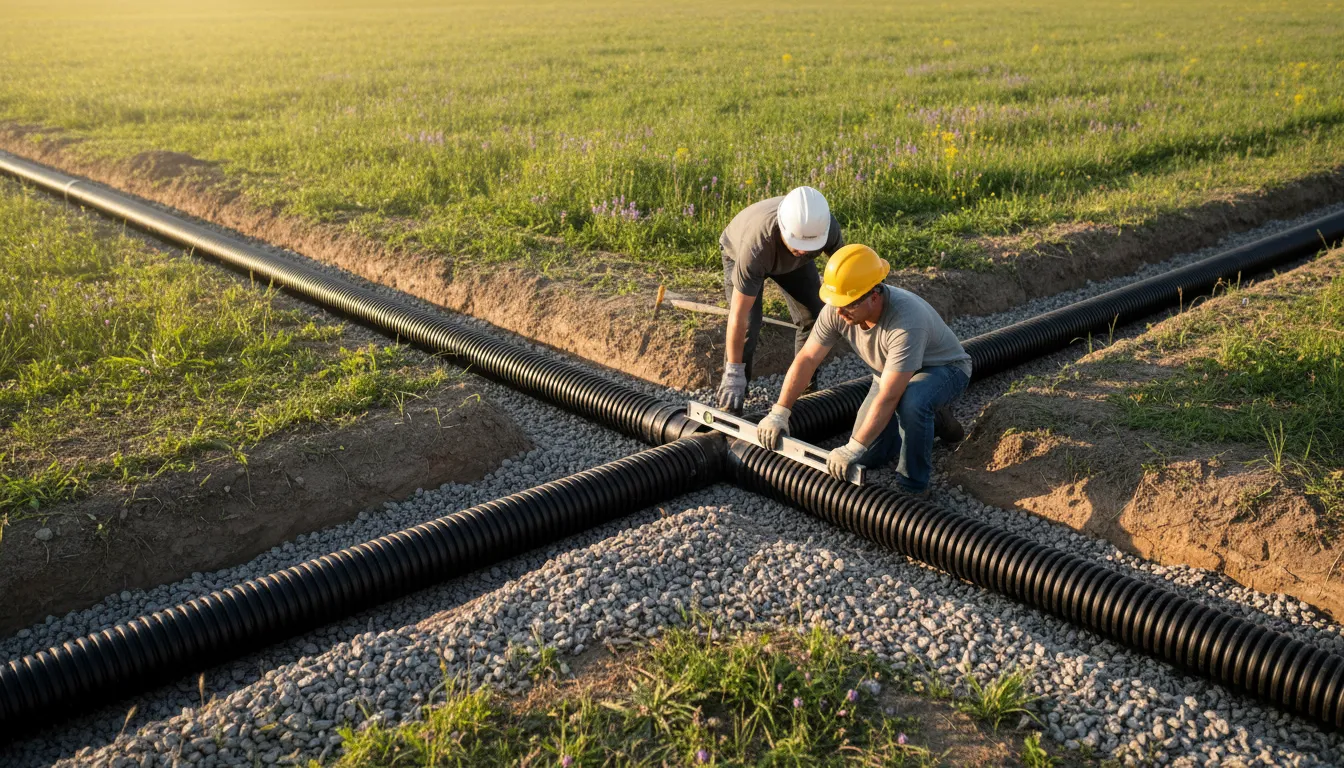
The drain field is the final stage of your onsite wastewater system. After solids settle in the septic tank, liquid effluent flows into a network of perforated pipes buried in trenches filled with gravel. This effluent slowly percolates through the soil, where natural processes provide final treatment. In Memphis, several factors can cause this system to fail.
Common signs of a failing leach field include:
- Sewage odors in the yard or home.
- Soggy, spongy, or standing water over the drain field area, especially when it hasn't rained.
- Slow-draining toilets and fixtures, or sewage backing up into the home.
- Unusually green, lush grass over the field lines.
In the Memphis area, a primary culprit for failure is the region's clay-heavy soil. Clay has very small pores, which severely slows the percolation rate of water. Over time, this can lead to a clogged biomat-a layer that naturally forms but can become too thick-preventing effluent from absorbing into the soil. Other causes include physical damage from driving or parking over the field, tree root intrusion, and general aging of the system components.
Memphis and Shelby County Regulations: What You Must Know
All work on a septic system, including any repair or alteration to the absorption field, is heavily regulated by the Shelby County Health Department and the Tennessee Department of Environment and Conservation (TDEC). You cannot begin any excavation or repair work without the proper permits.
The Repair Permit is Mandatory Before any work on a failing system begins, you must obtain a Septic System Construction Permit from the Shelby County Health Department 1. This is non-negotiable. The repair construction inspection fee for this permit is typically $100. Required documentation for the permit application includes a detailed site sketch showing property lines, the house, well location, driveway, and the proposed repair area, along with a soil map 1 2.
Soil Suitability and Setback Rules Tennessee regulations are specific about where a new or repaired leach field can be placed. A soil evaluation is required to determine the percolation rate and identify any restricting layers. Key requirements include:
- A minimum 2-foot vertical separation between the bottom of the drain field trench and any restricting layer (like bedrock or seasonal high groundwater) 3.
- Setback distances from various features: 50 feet from wells or surface water, and 10 feet from property lines and water supply lines 4 5.
- The system must be designed based on the number of bedrooms in the home to ensure adequate capacity 6.
If your existing site cannot meet these standard soil suitability requirements, the Health Department Commissioner may approve a repair that meets the "maximum possible" area, with a minimum of 200 square feet per bedroom.
The Step-by-Step Process for Repair or Replacement
Navigating a drain field project requires careful planning and adherence to official procedures. Here is a typical workflow for Memphis homeowners.
1. Diagnosis and Permit Application The first step is to have a licensed installer or inspector confirm the drain field has failed. Once confirmed, your licensed installer will handle the permit application process, submitting the required sketch, soil map, and application to the Environmental Field Office.
2. System Design and Approval Based on the soil evaluation, a system will be designed. For Memphis homes with poor-draining clay soils, a traditional trench system may not be feasible. In these cases, an alternative system like a mound system or a Low Pressure Pipe (LPP) system may be necessary 7 8. These systems are engineered to overcome site limitations but are more complex and costly.
3. Installation and Inspections Once the permit is approved, installation can begin. All work must be performed by a licensed septic system installer. Critical steps include:
- Marking the Site: All existing tanks and field lines must be clearly marked before the inspector arrives.
- Scheduling Inspections: The Health Department must be notified at least 3 days prior to key stages like the soil test, installation, and final inspection.
- Field Inspection: An inspector will visit to verify trench depth, gravel size, pipe placement, and that all dimensions match the approved permit 9 10.
- Electrical Inspection: If the system includes electrical components (like a pump for a mound system), that requires a separate inspection and approval prior to the final septic inspection 11.
- Final Approval: Only after passing the final inspection can the system be backfilled and put into use.
Find the perfect drain field repair companies for your needs
Get personalized recommendations and expert advice
Cost Breakdown for Drain Field Work in Memphis
Costs for leach field repair and replacement in Memphis vary widely based on soil conditions, system type, site accessibility, and the extent of the problem. The figures below are estimates to help you budget.
Permit and Administrative Costs
- Repair Permit & Inspection Fee: Approximately $100 12.
- Soil Testing and Permitting: This can range from $500 to $3,000, depending on the complexity of the site evaluation and design.
Repair vs. Replacement Costs
- Repairing Existing Field Lines: For minor issues like replacing a clogged section of pipe, costs may range from $1,000 to $5,000.
- Full Drain Field Replacement: A complete replacement of a conventional trench system typically costs between $7,000 and $15,000+ 13. Excavating and removing the old field material can add $1 to $5 per square foot.
- Alternative Systems: For sites requiring a mound, drip, or LPP system, costs jump significantly, often ranging from $10,000 to over $30,000 14 15.
Additional Considerations
- Landscaping: After installation, you'll need to restore the yard. Sodding the area can cost $1 to $2 per square foot 16.
- Accessibility: Difficult site access for heavy equipment can increase labor and time costs.
Choosing a Licensed Professional in Memphis
This is not a DIY project. Tennessee law requires that septic system installation and major repair work be performed by a licensed installer 17 18. When evaluating local providers:
- Verify Licenses: Confirm they hold a current Tennessee license for septic system contracting.
- Check Experience with Local Soil: Ask about their experience installing systems in Memphis's clay soils and with alternative systems like mounds.
- Understand Their Role: A reputable installer will manage the entire process-from soil evaluation and permit application to installation and scheduling inspections.
- Get Detailed Quotes: Ensure quotes itemize costs for design, permitting, excavation, materials, installation, and landscaping restoration.
Maintaining Your New or Repaired Drain Field
Protect your investment by following best practices:
- Never drive, park, or place heavy structures (like sheds) on the drain field.
- Divert rainwater runoff from roofs and driveways away from the field area.
- Plant only grass over the field; deep-rooted trees and shrubs can cause damage.
- Practice water conservation and avoid flushing harmful chemicals or non-biodegradable materials.
- Stick to a regular schedule for pumping your septic tank (every 3-5 years) to prevent solids from overflowing into the drain field.
Frequently asked questions
Sources
Footnotes
-
memphis and shelby county health department - https://www.shelbycountytn.gov/DocumentView.aspx?DID=771 ↩ ↩2
-
Septic System Construction Permit - TN.gov - https://www.tn.gov/environment/permit-permits/water-permits1/septic-systems-permits/ssp/permit-water-septic-system-construction-permit.html ↩
-
Tenn. Comp. R. & Regs. 0400-48-01-.07 | State Regulations - https://www.law.cornell.edu/regulations/tennessee/Tenn-Comp-R-Regs-0400-48-01-.07 ↩
-
Septic Tank Regulations (PDF) - https://www.shelbytnhealth.com/DocumentCenter/View/174/Septic-Tank-Regulations-PDF ↩
-
Onsite Wastewater Treatment Systems "Septic Systems" - https://www.tn.gov/health/cedep/environmental/healthy-homes/hh/onsite-wastewater-treatment-systems.html ↩
-
Septic Systems - Tennessee Valley Authority - https://tva.com/environment/shoreline-construction-permits/section-26a-guidance/septic-systems ↩
-
Online Application for Septic Related Services - TN.gov - https://www.tn.gov/environment/permit-permits/water-permits1/septic-systems-permits/ssp/wr-sds-online-application-for-ground-water-protection-services.html ↩
-
Online Application for Septic Related Services - TN.gov - https://www.tn.gov/environment/permit-permits/water-permits1/septic-systems-permits/ssp/wr-sds-online-application-for-ground-water-protection-services.html ↩
-
Tenn. Comp. R. & Regs. 0400-48-01-.15 | State Regulations - https://www.law.cornell.edu/regulations/tennessee/Tenn-Comp-R-Regs-0400-48-01-.15 ↩
-
Notice of Rulemaking Hearing - https://publications.tnsosfiles.com/rules_filings/09-22-08.pdf ↩
-
Madison County Health - https://www.madisoncountytn.gov/DocumentCenter/View/17018/Septic-System-Application ↩
-
Septic System Construction Permit - TN.gov - https://www.tn.gov/environment/permit-permits/water-permits1/septic-systems-permits/ssp/permit-water-septic-system-construction-permit.html ↩
-
Septic Drain Field Replacement Cost - https://dillonseptic.com/septic-drain-field-replacement-cost/ ↩
-
How much does a leach or drain field replacement cost? - https://homeguide.com/costs/drain-leach-field-replacement-cost ↩
-
How Much Does It Cost to Replace a Septic Tank and Drain Field? - https://www.bobvila.com/articles/cost-to-replace-septic-tank-and-drainfield/ ↩
-
How much does it cost for a new septic and drain field? Just an ... - https://www.facebook.com/groups/204486930758046/posts/1461789831694410/ ↩
-
Septic Tank Permitting Process | Shelby County Health Dept., TN - https://www.shelbytnhealth.com/182/Septic-Tank-Permitting-Process ↩
-
Tennessee Septic License & Certification | 2024 Contractor Guide - https://www.servicetitan.com/licensing/septic/tennessee ↩