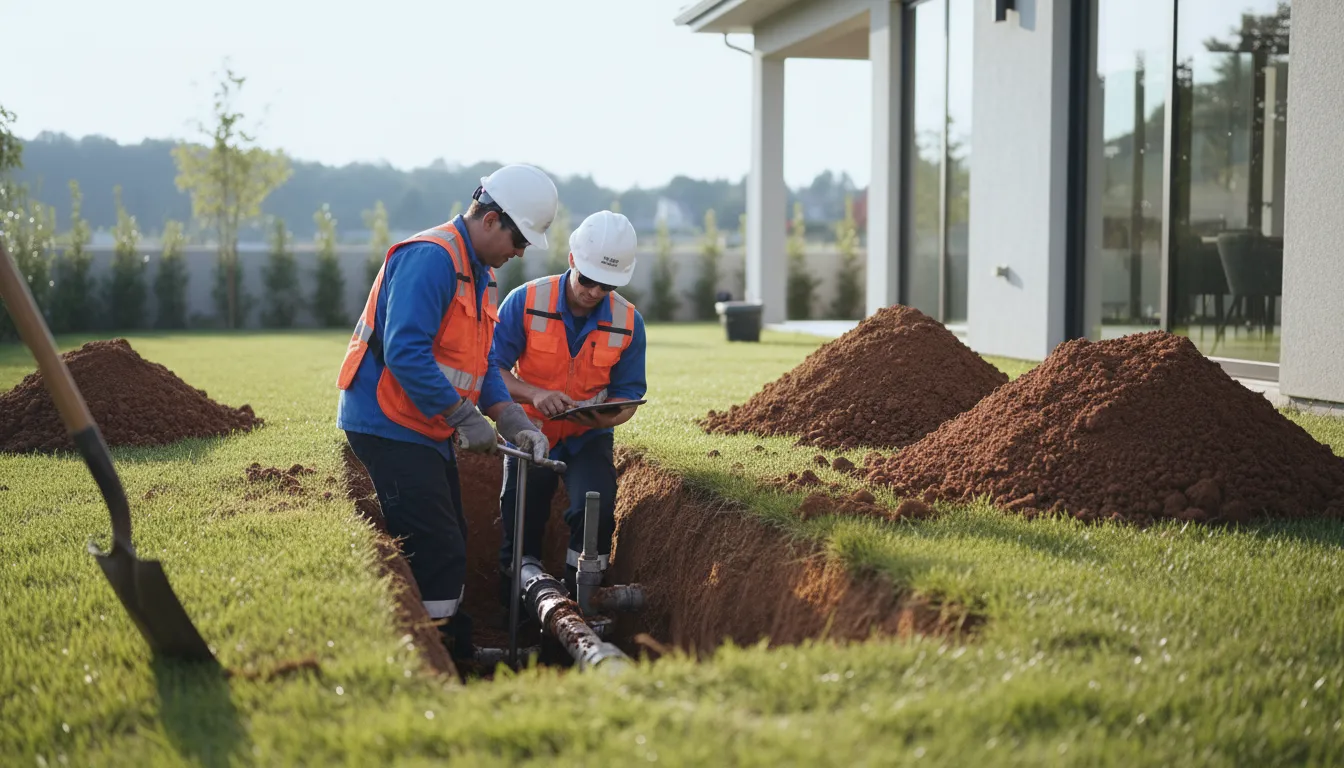
Find the Best Septic System Repair Companies for Your Business
No obligation • Fast responses • Nationwide coverage

Why you can trust Septic Spot
Septic Spot is a leading United States resource for understanding and comparing septic services. Our editors review providers using consistent criteria and verify key business details. Listings and scores are independent, and companies cannot pay to influence our content.
Search providers near you
Top Septic System Repair Companies in Bristol, Connecticut Ranked
When your home's wastewater system fails, it's more than an inconvenience-it's a pressing health and environmental issue that requires immediate, professional attention. Septic system repair involves diagnosing and fixing problems with your tank, drainfield, or related components to restore proper function and comply with local health codes. For Bristol homeowners, navigating this process means working with licensed professionals and the Bristol-Burlington Health District (BBHD) to ensure repairs are done correctly and legally. This guide will help you understand the local regulations, common repair types, and steps to take to find qualified specialists in the Bristol area.
Septicology
47 Plantation Rd Unit D, Broad Brook, CT 06016
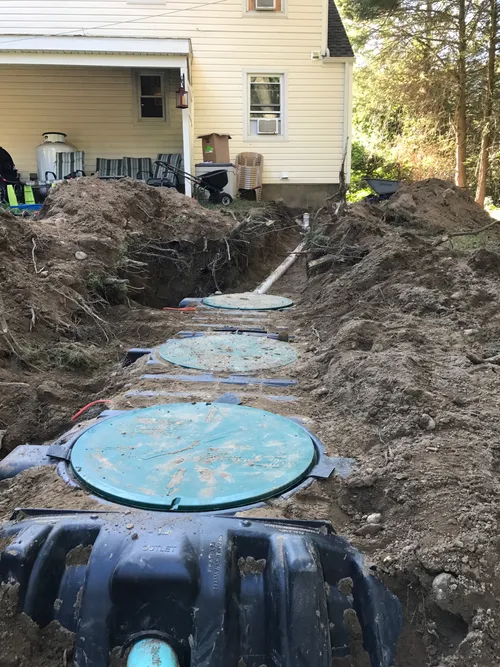
Septicology is a family-owned septic company serving Hartford, CT, and all towns across Connecticut. Since 2017, they have provided septic system inspections, repairs, installations, and pumping services throughout the state. Their inspection reports include detailed analyses, color photos, and system location drawings, offering clear insights into septic system conditions. Septicology emphasizes flexible scheduling to accommodate customer needs and maintains open communication throughout the service process.
Skips Wastewater Services
21 Courtney Dr, Ellington, CT 06029
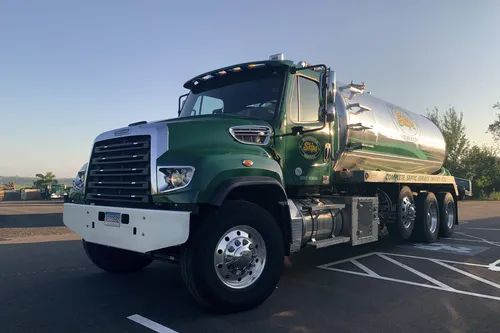
Skips Wastewater Services provides septic tank pumping, inspection, repair, and installation services in Hartford, CT. They serve residential and commercial clients across multiple counties in Connecticut, including Hartford, Middlesex, New London, Tolland, Windham, and New Haven. The company operates with a large fleet of pump trucks and uses advanced technology to handle septic emergencies and routine maintenance efficiently. With over 60 years of experience, Skips Wastewater Services offers 24/7 emergency support to address issues like sewage backups and slow drains promptly.
The Christopher Bryant Co. LLC
126 W Dudley Town Rd, Bloomfield, CT 06002
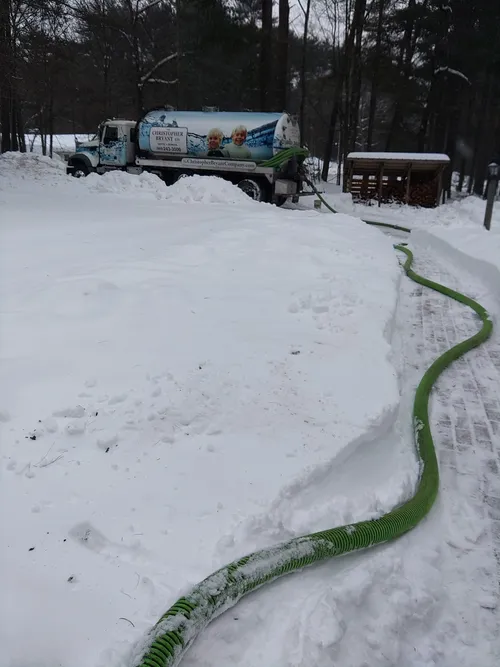
The Christopher Bryant Co. LLC is a family-owned septic service provider based in Hartford, CT, serving Hartford County and surrounding communities since 1995. They offer a full range of septic system services including pumping, inspection, repair, and installation. The company is known for its hands-on ownership and expertise in septic riser installation, which facilitates easier maintenance and inspection. With over 30 years in business, they provide 24/7 emergency service and same-day service options to address urgent septic needs.
Team Sewer and Water
36 Zoar Ave, Oakville, CT 06779
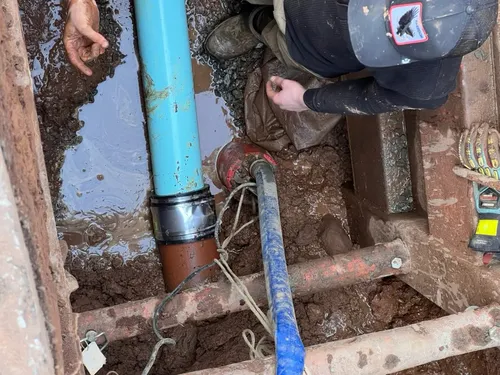
Team Sewer and Water is a septic tank pumping, inspection, repair, and installation company based in Waterbury, CT. They serve residential and commercial clients in Waterbury and surrounding areas, offering comprehensive water, sewer, and septic system services. With over 14 years of experience, their skilled technicians use the latest techniques and equipment to deliver durable results. They also handle sewer line repairs and water main replacements, ensuring compliance with local regulations.
Unlimited Excavation and Construction Orange
604 Wingfoot Rd, Orange, CT 06477
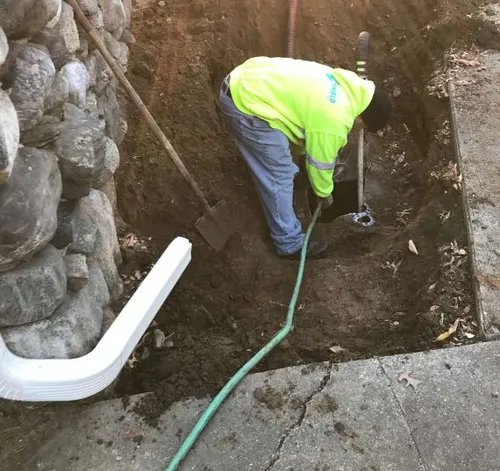
Unlimited Excavation and Construction Orange is a family-owned company based in Bridgeport, CT, specializing in septic tank inspection, repair, and installation. They provide comprehensive sewer and septic services including line inspection, excavation, clog removal, and drain cleaning. The company uses camera inspections to diagnose issues and offers sewer line excavation when necessary to address blockages or damage. With over 30 years of experience in the industry, Unlimited Excavation and Construction serves residential and commercial clients in the Bridgeport area, focusing on safe and efficient sewer and septic system solutions.
Understanding Septic System Failures and Local Regulations
A failing septic system in Bristol is a serious matter regulated by the Bristol-Burlington Health District (BBHD), which oversees subsurface sewage disposal systems (SSDS) for residential properties 1. A system is considered failed if there is evidence of sewage backup into the home or effluent surfacing on your property 2. Connecticut law mandates the repair of any failed system. However, a system that is functioning but doesn't meet current code may not require immediate repair unless there is a "change in use," such as adding a bedroom to your home 3.
The cornerstone of any septic work in Bristol is obtaining the proper permit. You must secure an Approval to Construct permit from the BBHD before any repair or replacement work begins. The permit application requires a detailed site plan, recent soil test data, and the name of your licensed installer. This process ensures that the proposed fix adheres to state Public Health Code and protects local groundwater.
The Permit and Planning Process
Navigating the permit process is your first critical step. Your site plan must include the location of your existing house, septic system, well (if within 150 feet), any wetlands, and all proposed changes 4. If existing soil data (from test pits or percolation tests) is unavailable, you will need to schedule new soil testing before your application can be approved 5. Once your permit is granted and repairs are completed, a final "as-built" plan must be submitted, and all work must be inspected by the BBHD prior to being covered. This inspection is non-negotiable and is for your protection.
Common Types of Septic Repairs in Bristol
The appropriate fix for your system depends entirely on the root cause of the failure, which is typically identified through a professional inspection and soil evaluation 6. Here are the most common repair scenarios Bristol homeowners face.
Component Replacement and Tank Repairs
Often, the issue is isolated to a specific part of the system. This can include:
- Tank Repairs: Fixing cracks, structural damage, or replacing corroded baffles in concrete, fiberglass, or plastic tanks 7.
- Pipe Repairs: Replacing broken or blocked pipes between the house and tank or from the tank to the drainfield.
- Distribution Box (D-Box) Service: Repairing or leveling the D-box to ensure wastewater is evenly distributed to all legs of the drainfield.
Leaching Field Repair and Replacement
The leaching field (or drainfield) is where treated effluent is absorbed into the soil. Failure here is common and can be due to biomat buildup, soil compaction, or an undersized field 8. Repair options include:
- Field Repair: Sometimes, only a section of the field is clogged. A contractor may be able to repair or replace just that portion.
- Complete Field Replacement: If the entire field has failed, a new leaching field-using galleries or pipes-must be installed in a suitable area of your property 9. This is often the most extensive and costly repair.
System Upgrades and Alternative Technologies
Sometimes, a simple repair isn't enough to bring a system up to code or solve chronic issues.
- Effluent Filters: Installing or replacing an effluent filter on the outlet baffle of your tank is a common upgrade. It prevents solids from escaping into the drainfield, a leading cause of clogging.
- Alternative Systems: If your property has poor soil, high groundwater, or space constraints, a traditional repair may not be feasible. In these cases, an alternative sewage disposal system, such as a mound system or aerobic treatment unit, may be required. These systems are permitted by the Connecticut Department of Energy and Environmental Protection (CTDEEP) in addition to the BBHD 10.
Find the perfect septic system repair companies for your needs
Get personalized recommendations and expert advice
The Step-by-Step Repair Process: What to Expect
Understanding the typical workflow for a major septic repair can help you prepare and communicate effectively with your contractor.
- Locate & Expose: The contractor will locate your tank and distribution box, often using any available "as-built" plans. They will then excavate to fully expose these components for inspection 11.
- Pump & Inspect: A licensed pumper will remove all solids and liquids from the tank. This allows for a thorough visual inspection of the tank's interior for cracks, baffle integrity, and structural soundness 12.
- Diagnose & Evaluate: The contractor will inspect the D-box and effluent lines for blockages and even distribution. For drainfield issues, they will likely dig test pits to evaluate soil conditions and determine the exact cause and extent of the failure 13.
- Design & Permit: Based on the diagnosis, a repair plan is designed. Your contractor or a hired designer will prepare the site plan and submit the permit application to the BBHD on your behalf 14.
- Execute Repairs: Once the permit is issued, the physical repair or replacement work begins. This could involve excavating for a new tank, installing new leaching field trenches, or laying new pipe.
- Final Inspection: Before any repaired or new components are backfilled, you or your contractor must call the BBHD for a final inspection. The inspector will verify the work matches the approved plans and meets code 15.
- Backfill & Restoration: After passing inspection, the site is backfilled and your landscaping is restored as agreed upon with your contractor.
Understanding Costs and Financial Assistance
Septic system repairs are a significant investment. Costs in Bristol can vary widely based on the repair's complexity, soil conditions, and accessibility.
- Permit Fees: The BBHD charges approximately $75 for permits related to habitable structures 16.
- Soil Testing: New test pits, required if data is lacking, can cost several hundred to over a thousand dollars, depending on the number needed and the engineer's fees 17.
- Tank Replacement: Replacing a septic tank can range from $3,000 to over $10,000, influenced by tank size, material, and site difficulty 18.
- Leaching Field Work: Repairing or replacing a drainfield is typically the largest expense, often ranging from $5,000 to over $20,000 19.
Financial Assistance: The State of Connecticut offers a Low-Interest Loan Program for eligible homeowners to repair or replace failing septic systems. This program can cover costs for labor, materials, and required inspections, providing crucial help for managing this unexpected expense.
Finding a Qualified Repair Specialist in Bristol
Your choice of contractor is critical. Look for licensed septic installers with strong local reputations. Some professionals serving the Bristol area include Modern Septic Co., Bristol-Terryville Septic & Sewer, Atlas Excavating, and Andrews-Perry Construction 20. Always verify their license, ask for references, and ensure they are familiar with BBHD procedures. For the most current regulations and forms, always consult directly with the Bristol-Burlington Health District at (860) 584-7682 21.
Frequently asked questions
Sources
Footnotes
-
Environmental Engineering - Subsurface Sewage - CT.gov - https://portal.ct.gov/dph/environmental-health/environmental-engineering/environmental-engineering----subsurface-sewage ↩
-
Septic and Sewage - Bristol - Burlington Health District - https://bbhd.org/septic-and-sewage/ ↩
-
Septic System Condition and House Sales - Madison, CT - https://www.madisonct.org/1206/Septic-System-Condition-and-House-Sales ↩
-
Connecticut Septic Tank Requirements - https://www.ntotank.com/blog/connecticut-septic-tank-requirements ↩
-
Nh Septic Installers Manual Nh Septic Installers Manual - https://www1.stjameswinery.com/uploaded-files/jRKDL2/7S9128/nh-septic-installers_manual.pdf ↩
-
Septic Inspections Made Easy: What Every Contractor Needs to Know Before Breaking Ground (2025) - https://flengineeringllc.com/septic-inspections-guide-contractors-2025/ ↩
-
Septic Tank Repair for Concrete Septic Tanks | Septic Connection - https://www.septicconnection.com/septic-tank-repair-for-concrete-septic-tanks ↩
-
Septic inspection checklist Woodbury, CT - Drainworks - https://westctplumbing.com/service/septic/septic-inspection-checklist/woodbury/connecticut ↩
-
CONNECTICUT PUBLIC HEALTH CODE On-site Sewage Disposal ... - https://portal.ct.gov/-/media/Departments-and-Agencies/DPH/dph/environmental_health/environmental_engineering/2023-uploads/TS-Master-2023-1242023A.pdf ↩
-
Septic Homeowners - North Central Distict Health Department - https://www.ncdhd.org/septic-homeowners ↩
-
Septic System Condition and House Sales - Madison, CT - https://www.madisonct.org/1206/Septic-System-Condition-and-House-Sales ↩
-
Septic Inspection | Connecticut - https://sherwoodinspection.com/septic-inspection/ ↩
-
Operation and Maintenance - CT.gov - https://portal.ct.gov/dph/environmental-health/environmental-engineering/operation-and-maintenance ↩
-
Public Health Code Regulations 19-13-B100a ... - CT.gov - https://portal.ct.gov/-/media/Departments-and-Agencies/DPH/dph/environmental_health/environmental_engineering/Phase_1_fall_2018/Regulations-Outline-Handout.pdf ↩
-
Septic System Design: What CT Homeowners Need to Know - https://andersonseptic.com/septic-system-design-guide/ ↩
-
bristol-burlington health district - https://www.burlingtonct.gov/159/Bristol-Burlington-Health-District-B100- ↩
-
Septic System Approval: Percolation Test & Expert Guidance - https://smartsepticpros.com/blog/how-to-do-a-percolation-test/ ↩
-
THE BEST 10 SEPTIC SERVICES near BRISTOL, CT 06010 - https://m.yelp.com/search?cflt=septicservices&find_loc=Bristol%2C+CT+06010 ↩
-
Septic System Repair - Connecticut eRegulations System - https://eregulations.ct.gov/eRegsPortal/Browse/RCSA/Title_8Subtitle_8-416_HTML/ ↩
-
MODERN SEPTIC - Updated March 2026 - Bristol, Connecticut - Yelp - https://m.yelp.com/biz/modern-septic-bristol ↩
-
Food Safety Program and Licensing - https://bbhd.org/food-protection/ ↩