
Find the Best Septic System Repair Companies for Your Business
No obligation • Fast responses • Nationwide coverage

Why you can trust Septic Spot
Septic Spot is a leading United States resource for understanding and comparing septic services. Our editors review providers using consistent criteria and verify key business details. Listings and scores are independent, and companies cannot pay to influence our content.
Search providers near you
Top Septic System Repair Companies in Meriden, Connecticut Ranked
When your home's wastewater system shows signs of trouble, timely septic system repair is essential for protecting your property, your health, and the local environment. In Meriden, these repairs are a regulated process overseen by local health authorities to ensure safety and compliance. This guide explains the common causes of septic failure, the repair process mandated by the Central Connecticut Health District (CCHD), and how to navigate finding qualified local professionals to restore your system to proper working order.
Septicology
47 Plantation Rd Unit D, Broad Brook, CT 06016
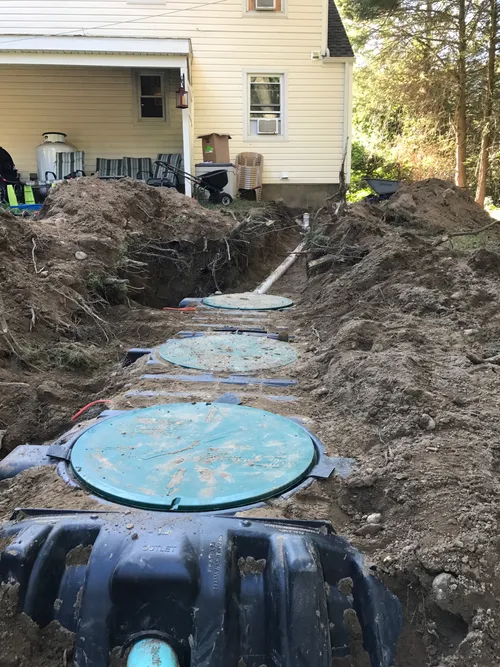
Septicology is a family-owned septic company serving Hartford, CT, and all towns across Connecticut. Since 2017, they have provided septic system inspections, repairs, installations, and pumping services throughout the state. Their inspection reports include detailed analyses, color photos, and system location drawings, offering clear insights into septic system conditions. Septicology emphasizes flexible scheduling to accommodate customer needs and maintains open communication throughout the service process.

Skips Wastewater Services
21 Courtney Dr, Ellington, CT 06029
Skips Wastewater Services provides septic tank pumping, inspection, repair, and installation services in Hartford, CT. They serve residential and commercial clients across multiple counties in Connecticut, including Hartford, Middlesex, New London, Tolland, Windham, and New Haven. The company operates with a large fleet of pump trucks and uses advanced technology to handle septic emergencies and routine maintenance efficiently. With over 60 years of experience, Skips Wastewater Services offers 24/7 emergency support to address issues like sewage backups and slow drains promptly.
The Christopher Bryant Co. LLC
126 W Dudley Town Rd, Bloomfield, CT 06002
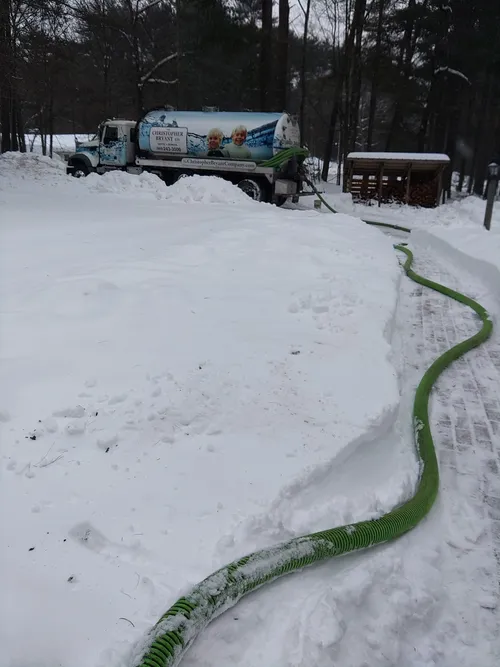
The Christopher Bryant Co. LLC is a family-owned septic service provider based in Hartford, CT, serving Hartford County and surrounding communities since 1995. They offer a full range of septic system services including pumping, inspection, repair, and installation. The company is known for its hands-on ownership and expertise in septic riser installation, which facilitates easier maintenance and inspection. With over 30 years in business, they provide 24/7 emergency service and same-day service options to address urgent septic needs.
Team Sewer and Water
36 Zoar Ave, Oakville, CT 06779
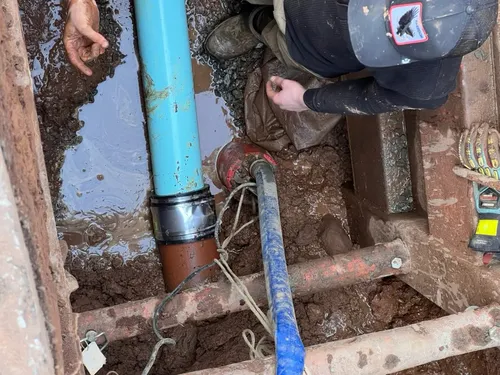
Team Sewer and Water is a septic tank pumping, inspection, repair, and installation company based in Waterbury, CT. They serve residential and commercial clients in Waterbury and surrounding areas, offering comprehensive water, sewer, and septic system services. With over 14 years of experience, their skilled technicians use the latest techniques and equipment to deliver durable results. They also handle sewer line repairs and water main replacements, ensuring compliance with local regulations.
Unlimited Excavation and Construction Orange
604 Wingfoot Rd, Orange, CT 06477
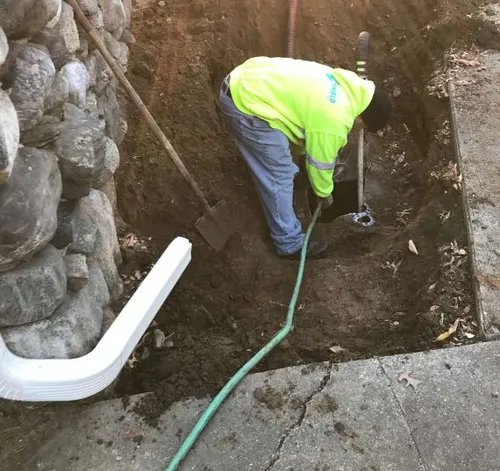
Unlimited Excavation and Construction Orange is a family-owned company based in Bridgeport, CT, specializing in septic tank inspection, repair, and installation. They provide comprehensive sewer and septic services including line inspection, excavation, clog removal, and drain cleaning. The company uses camera inspections to diagnose issues and offers sewer line excavation when necessary to address blockages or damage. With over 30 years of experience in the industry, Unlimited Excavation and Construction serves residential and commercial clients in the Bridgeport area, focusing on safe and efficient sewer and septic system solutions.
Understanding Septic System Failure
A septic system is considered to have failed when it can no longer effectively treat and dispose of household wastewater. The most common and urgent signs of failure include sewage effluent surfacing in your yard or wastewater backing up into your home's drains. Other warning signs can be less dramatic but equally serious, such as persistently soggy ground over the drainfield, foul odors near the tank or drainfield, and unusually lush grass growth over the leaching area. In Meriden, the CCHD officially defines a failed system as one that is a nuisance or public health hazard, which triggers the requirement for corrective action 1.
Failure rarely happens overnight. It's often the result of long-term issues like lack of routine maintenance, physical damage to components, or natural aging. Even with proper care, systems have a finite lifespan; a conventional leach field may last 20 to 30 years before the soil becomes clogged and can no longer absorb effluent. When problems arise, a simple pumping may not be enough, and a full diagnostic inspection is the critical first step toward a solution.
The Regulatory Landscape in Meriden
All subsurface sewage disposal system work in Meriden falls under the jurisdiction of the Central Connecticut Health District (CCHD). This agency enforces the Connecticut Public Health Code, which sets strict standards for the design, installation, and repair of septic systems. You cannot legally begin any corrective work on your system without first obtaining the necessary permits from the CCHD.
The regulatory process is designed to protect groundwater-a vital resource-from contamination. Key components of this oversight include:
- Permitting: A formal application, including detailed site plans and engineering designs, must be submitted and approved before any excavation begins 2.
- Soil Testing: Most repairs, especially those involving a new leaching area, require CCHD-witnessed deep test pits and percolation tests. These tests determine the depth to seasonal high groundwater and the soil's absorption rate, which dictates the size and type of system allowed.
- Inspections: The Health District conducts mandatory "in-process" inspections during installation and a final inspection before the system is backfilled. Passing the final inspection is required for the system to be legally approved for use.
Navigating these regulations is a key reason to work with a licensed septic installer or professional engineer familiar with CCHD procedures.
Common Types of Septic Repairs and Solutions
Once a licensed professional assesses your system, they will recommend a course of action based on the specific failure. Repairs range from minor component fixes to major system overhauls.
Minor Component Repairs
These address issues within the septic tank itself or the connecting pipes.
- Baffle Replacement: The inlet and outlet baffles inside the tank can deteriorate. Replacing them is a common repair to prevent solids from escaping into the drainfield 3.
- Installing an Effluent Filter: Modern codes often require an effluent filter on the tank's outlet. Adding one is a proactive repair that extends the life of your drainfield by filtering out small particles.
- Pipe Repair/Replacement: Broken or clogged pipes between the house and tank or from the tank to the drainfield can be dug up and replaced.
Major Drainfield Repairs and Replacements
When the soil in the leaching area has failed, more extensive work is needed.
- Leach Field Expansion: If there is sufficient space on your property, adding new leaching trenches to supplement the old ones can restore function.
- Complete Leach Field Replacement: Often called a "system replacement," this involves abandoning the old, failed drainfield and constructing a entirely new one in a different location on the property 4.
- Advanced Treatment Systems (ATS): For properties with poor soil conditions, high groundwater, or limited space, the CCHD may permit an alternative technology. These systems, like aerobic treatment units (ATUs) or sand filters, provide a higher level of treatment before dispersing effluent, allowing for a smaller drainfield 5.
Tank Issues
- Tank Replacement: Older steel tanks are prone to rust and collapse and should be replaced with modern concrete or fiberglass tanks. A failing tank requires full excavation and replacement 6.
Find the perfect septic system repair companies for your needs
Get personalized recommendations and expert advice
The Step-by-Step Repair Process in Meriden
Engaging in a septic system correction project follows a defined sequence. Understanding this process can help you manage expectations and timelines.
- Initial Site Evaluation & Testing: A licensed septic contractor will evaluate the failure. For most repairs involving a new drainfield, they will coordinate with the CCHD to perform deep test pits (to check soil structure and groundwater depth) and percolation tests. This data is foundational for the design 7 8.
- System Design & Permit Application: A licensed professional engineer or installer creates a repair plan based on the test results and property survey. This plan, along with the permit application, is submitted to the CCHD for review and approval 9.
- Excavation & Installation: Once the permit is issued, excavation begins. The contractor will install the new tank, lines, or drainfield according to the approved plan.
- In-Process Inspection: Before any new components are buried, the CCHD inspector must visit the site to verify the installation matches the plan, including proper materials, depths, and construction techniques.
- Final Inspection & Approval: After the system is installed but before it is fully backfilled, a final inspection is conducted. Upon passing, the inspector provides approval. The contractor must then submit an "as-built" plan showing the system's final location. Only after final approval should the system be put into service 10.
Costs and Financial Considerations
Septic system corrections are a significant investment. Costs are highly variable, depending on the scope of work, soil conditions, and system size.
- Inspections & Testing: A thorough diagnostic inspection by a professional can cost between $500 and $800 or more 11. Separate CCHD fees for permits and witnessing soil tests will also apply.
- Minor Repairs: Replacing a baffle or installing a filter may cost a few hundred dollars.
- Major Repairs: Repairing or replacing a leach field is a major excavation project. Costs typically start in the tens of thousands of dollars, with complex sites or alternative systems costing considerably more 12 13.
- Ongoing Maintenance: To protect your investment, routine pumping every 3-5 years is critical. In the Meriden area, pumping often costs between $300 and $600, depending on tank size 14.
Financial Assistance: The State of Connecticut, through the Department of Housing, may offer loan or deferred loan programs for septic system repair and replacement for eligible homeowners. These programs often place a lien on the property and have specific income and eligibility requirements 15. It's advisable to investigate these options early in the process.
Choosing a Service Provider in Meriden
Selecting the right contractor is crucial for a compliant and lasting repair. Look for a company that is:
- Licensed and Insured: Ensure they hold a current Connecticut Subsurface Sewage Disposal System Installer's license.
- Familiar with CCHD: Choose a provider with a proven track record of working with the Central Connecticut Health District and navigating its permit and inspection process smoothly.
- Transparent in Communication: They should clearly explain the problem, proposed solution, detailed cost estimate, and project timeline.
- Comprehensive in Service: Many reputable companies handle the entire process-from initial inspection and soil testing to design, permitting, installation, and coordinating inspections.
Always request and check references from past clients in the Meriden area. A quality repair is an investment that protects your home's value and your family's well-being for years to come.
Frequently asked questions
Sources
Footnotes
-
Septic System Condition and House Sales - Madison, CT - https://www.madisonct.org/1206/Septic-System-Condition-and-House-Sales ↩
-
Article IV: Subsurface Sewage Disposal Systems (Septic ... - https://ecode360.com/13490462 ↩
-
Septic Systems Explained - Connecticut's Conservation Districts - https://conservect.org/southwest/wp-content/uploads/2018/01/SepticBrochures2014Revision3.pdf ↩
-
Septic Homeowners - North Central Distict Health Department - https://www.ncdhd.org/septic-homeowners ↩
-
Environmental Engineering - Subsurface Sewage - CT.gov - https://portal.ct.gov/dph/environmental-health/environmental-engineering/environmental-engineering----subsurface-sewage ↩
-
Septic System Installation & Repair in Meriden & Wallingford CT - https://www.kaenterprisesllc.com/services/septic-systems/ ↩
-
Public Health Code Regulations 19-13-B100a ... - CT.gov - https://portal.ct.gov/-/media/Departments-and-Agencies/DPH/dph/environmental_health/environmental_engineering/Phase_1_fall_2018/Regulations-Outline-Handout.pdf ↩
-
Septic Developers - North Central Distict Health Department - https://www.ncdhd.org/septic-developers ↩
-
Septic System Design: What CT Homeowners Need to Know - https://andersonseptic.com/septic-system-design-guide/ ↩
-
Septic & Well - Central Connecticut Health District - https://www.ccthd.org/septic-well ↩
-
How Much Does a Septic Inspection Cost? [2026 Data] - Angie's List - https://www.angi.com/articles/septic-inspection-cost.htm ↩
-
Septic System Repair - Connecticut eRegulations System - https://eregulations.ct.gov/eRegsPortal/Browse/RCSA/Title_8Subtitle_8-416_HTML/ ↩
-
SEPTIC SYSTEMS - CT.gov - https://portal.ct.gov/-/media/Departments-and-Agencies/DPH/dph/environmental_health/environmental_engineering/pdf/SepticSystems101pdf.pdf ↩
-
Septic System Inspections: A Step-by-Step How-To Guide - https://westcoastsanitationinc.com/septic-inspection-service/ ↩
-
Department of Housing Septic System Repair §§ 8-416-1- ... - https://eregulations.ct.gov/eRegsPortal/Browse/getDocument?guid=%7B7082E756-0100-CD34-9423-D481ECFC2063%7D ↩