Find the Best Septic System Repair Companies for Your Business
No obligation • Fast responses • Nationwide coverage

Why you can trust Septic Spot
Septic Spot is a leading United States resource for understanding and comparing septic services. Our editors review providers using consistent criteria and verify key business details. Listings and scores are independent, and companies cannot pay to influence our content.
Search providers near you
Best Septic System Repair Companies in North Carolina Ranked
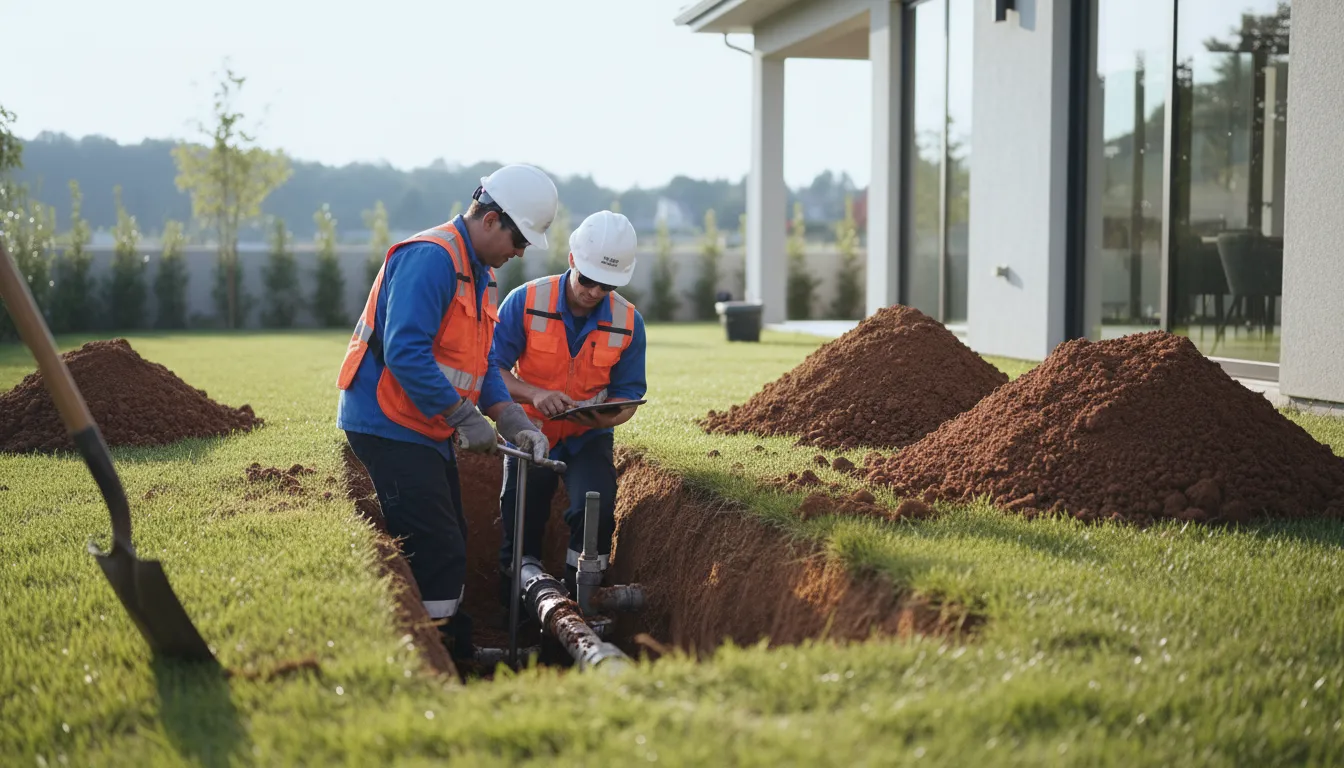
A failing septic system is a serious issue for any North Carolina homeowner, posing health risks and potential property damage. Timely and proper repair is not just a matter of convenience-it's a legal and environmental necessity. This guide provides clear, practical information on the repair process, regulations, and costs specific to North Carolina, helping you understand what to expect and how to find qualified local professionals to restore your system to safe operation.
JP Septics
Charlotte, NC
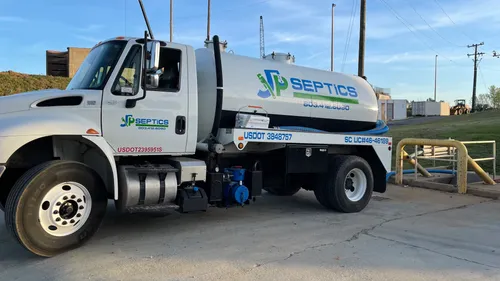
JP Septics is a Native-American owned septic service provider based in Charlotte, NC. They offer comprehensive septic system services including pumping, inspection, repair, installation, and drain field repair or replacement. The company emphasizes proper maintenance to prevent costly failures and uses quality materials to ensure long-lasting septic systems. JP Septics is available 24/7 for emergency septic repairs and has received over 600 five-star reviews for their work.
Full Spectrum Plumbing Services
150 B W Thomas Dr, Fort Mill, SC 29708
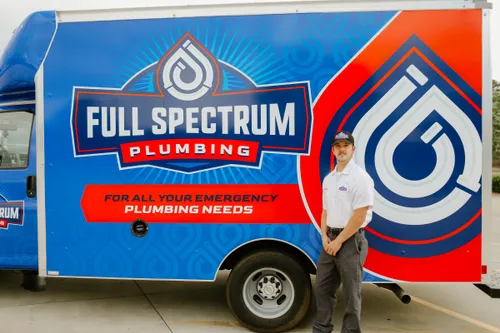
Full Spectrum Plumbing Services is a plumbing company based in Fort Mill, SC, serving the local community and surrounding York County areas including Tega Cay and Indian Land. They provide a range of services including septic tank inspections and minor repairs, sewer line repairs, water heater installation, and comprehensive plumbing solutions tailored to both older homes and new developments. With over 20 years of experience, they use advanced equipment like camera inspections and hydrojetting to address issues such as leaks, drain backups, and septic system performance. Their team is licensed and equipped to handle emergency plumbing and gas line repairs as well.
Transou's Plumbing & Septic | Emergency Plumber Winston-Salem, NC | Tankless Water Heater Repair | Septic Tank | Sewer Repair
101 E Devonshire St, Winston-Salem, NC 27127
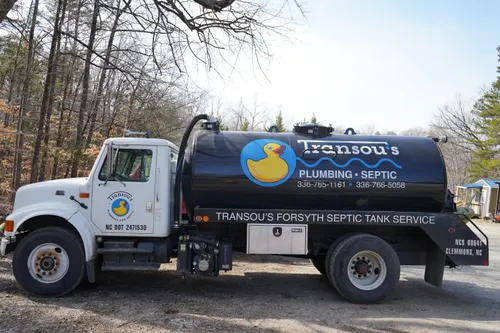
Transou's Plumbing & Septic is a well-established plumbing and septic service provider located in Winston-Salem, NC. Serving the North Carolina Triad area, the company offers a range of services including septic tank pumping, septic system repair, emergency plumbing, leak detection, and tankless water heater repair. With over 70 years of experience, Transou's has grown into one of the largest plumbing and septic businesses in the region, known for its comprehensive expertise and family-oriented approach. The company also provides emergency plumbing services to address urgent issues promptly.

Quality Service Today Plumbing & Septic
5412 US-70 suit A, Durham, NC 27705
Quality Service Today Plumbing & Septic provides a wide range of plumbing and septic services in Durham, NC. They specialize in septic tank pumping, septic system repair, and drain field repair or replacement, along with general plumbing, water heaters, well pumps, and water filtration. The company serves residential clients across Central North Carolina, including Durham and nearby communities. They are equipped to handle unique plumbing setups and offer 24/7 emergency plumbing services. Their team focuses on practical, effective solutions tailored to each home's specific needs.
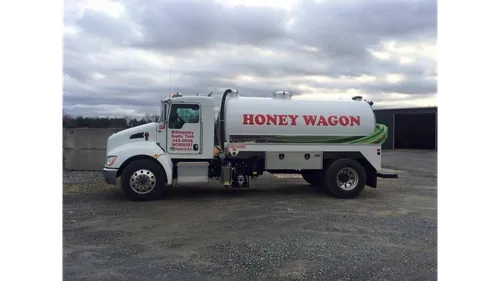
Billingsley & Brooks Septic Tank Co
149 Penn Rd, Reidsville, NC 27320
Billingsley & Brooks Septic Tank Co is a family-owned and veteran-operated business serving Greensboro, NC, with over three generations of experience in septic system services. They provide a full range of septic solutions including pumping, inspection, maintenance, locating, repair, and installation for both residential and commercial properties. Their team uses advanced tools and quality materials to ensure septic systems operate efficiently and reliably. The company emphasizes a customer-focused approach and offers specialized services such as septic tank locating and comprehensive inspections to help prevent major issues.
Understanding When Your System Needs Repair
Septic systems are designed to last for decades, but components can fail due to age, improper maintenance, or environmental changes. Recognizing the early warning signs can save you from more extensive and costly repairs down the line. Common indicators of a failing system include:
- Slow Drains and Sewage Backups: Gurgling pipes, toilets that flush slowly, or sewage backing up into household drains are urgent red flags.
- Unpleasant Odors: Foul smells around the drainfield or septic tank area, especially outdoors, often indicate a failure in the treatment or dispersal process.
- Soggy Ground or Lush Grass: Overly saturated soil or patches of grass that are unusually green and growing faster than the surrounding area over the drainfield suggest that untreated wastewater is surfacing.
- Standing Water: Puddles or muddy areas forming over the septic tank or drainfield, particularly when it hasn't rained, signal a serious problem.
- Failed Inspection: Many repairs are initiated following a routine inspection or a real estate transaction where a professional identifies a malfunction.
If you notice any of these signs, it's crucial to act quickly. Continuing to use a failing system can contaminate groundwater, create public health hazards, and lead to enforcement action from your local health department.
The North Carolina Regulatory Framework
All septic system work in North Carolina is regulated at the county level by local Environmental Health departments. State rules provide the foundation, but individual counties may have additional requirements. Understanding this process is the first step in any repair project.
The Permitting Process for Repairs
Most significant septic system repairs require formal approval from your county health department. The goal is to ensure the repair protects public health and meets current environmental standards.
- Initial Consultation and Site Evaluation: Before any permit is issued, a county Environmental Health Specialist will typically need to evaluate your property. They assess soil conditions, groundwater levels, and the overall suitability of the site for wastewater treatment. This evaluation determines what type of repair or replacement system is legally allowable.
- Obtaining the Correct Permit: The type of permit required depends on the repair's scope:
- Improvement Permit (IP): For major repairs or full replacements, an Improvement Permit may be required first. This permit confirms the long-term suitability of the soil and designates a "repair area" for the new system.
- Final Approval: Once the permitted repair work is completed by a licensed professional, a final inspection by the health department is mandatory. Upon passing, an Operation Permit (OP) is issued, legally allowing the system to be used 3.
Important Note: Some minor, non-structural repairs-such as replacing a damaged tank lid, riser, or effluent filter-may not require a formal permit. However, it is always best to check with your local health department to confirm, as rules can vary by county 4.
Key Site Suitability Requirements
Regulations are designed to ensure wastewater is properly treated by the soil. Your repair options may be limited by your property's specific conditions:
- Soil Structure: Soil must have a suitable structure (described as blocky or weak granular) within the top 36 inches to allow for proper effluent treatment and absorption. Massive (solid) or platy soil structures are considered unsuitable.
- Setback Distances: Repaired systems must maintain minimum legal distances from wells, streams, property lines, and buildings. These setbacks are strictly enforced; for example, systems are often required to be 100 feet or more from a water well 5.
- Groundwater and Drainage: Repairs cannot be conducted in areas with a high seasonal water table or in wetlands. The system must be placed in well-drained soil 6.
- The "Repair Area": If the original drainfield has failed, regulations often require using a new, designated "repair area" with acceptable soil. This area may be smaller or have different conditions than the original site, which frequently necessitates installing a more sophisticated (and often more expensive) type of system, such as a low-pressure pipe (LPP) or aerobic treatment unit (ATU) 7.
Find the perfect septic system repair companies for your needs
Get personalized recommendations and expert advice
Common Types of Repairs and Associated Costs
The cost of septic system repair in North Carolina varies dramatically based on the failure's severity, soil conditions, and the type of system required. Below is a breakdown of common repair scenarios and their typical cost ranges, which include professional labor, materials, and permitting fees.
1. Minor Component Repairs
These are the most straightforward and least expensive fixes, often addressing wear and tear or minor damage.
- Examples: Replacing cracked concrete tank lids or access risers, installing new effluent filters, or repairing a damaged distribution box.
- Typical Cost Range: $250 - $1,000.
- Considerations: May not always require a permit, but should be done by a professional to ensure compliance and safety.
2. Septic Tank Repair or Replacement
When the tank itself is compromised, more significant work is needed.
- Causes: Structural failure (cracks, collapse), baffle failure, or severe corrosion.
- Typical Cost Range: $1,500 - $5,000+. Cost depends on tank size (e.g., 1,000-gallon vs. 1,500-gallon), material (concrete, fiberglass, plastic), and excavation difficulty.
- Process: Almost always requires a Construction Authorization permit. The old tank must be properly emptied and either removed or filled in, and the new tank must be installed to exact specifications.
3. Drainfield (Leach Field) Repairs
This is often the most complex and costly type of repair, as it involves significant excavation and soil work.
- Causes: Clogging (biomat formation), hydraulic overloading, or physical damage from roots or compaction.
- Typical Cost Range: $3,000 - $10,000+ 8. Prices soar if the entire field needs replacement or if difficult site access requires specialized equipment.
- Options: Sometimes a "spot repair" can be done by replacing a section of the field. More often, a whole new drainfield must be constructed in the designated repair area, which triggers the full permitting sequence (IP and CA) 9.
4. Advanced/Engineered System Repairs
If site conditions prevent a conventional repair, an alternative system is legally required.
- When Needed: For sites with poor soil, high groundwater, or small repair areas.
- System Types: Includes aerobic treatment units (ATUs), sand filter systems, or low-pressure pipe (LPP) systems.
- Typical Cost Range: Can exceed $15,000 10. These systems have mechanical parts (pumps, aerators, alarms) that add to the initial installation cost and require more frequent professional maintenance.
- Regulatory Note: These systems require specific operation permits and ongoing maintenance contracts monitored by the health department 11.
Choosing a Qualified Repair Professional in North Carolina
Selecting the right contractor is critical for a successful, code-compliant repair.
- Verify Licensing: Ensure the company or individual holds a current North Carolina Wastewater Treatment Facility Contractor License. You can verify this through the NC Licensing Board for General Contractors.
- Check Local Experience: Choose a provider familiar with your county's specific health department officials and regulations. They will navigate the permitting process more efficiently.
- Get Multiple Quotes: Always obtain at least three detailed, written estimates. The quote should itemize costs for excavation, materials, labor, permit acquisition, and any system components.
- Ask for References: A reputable company will provide references from recent repair jobs in your area.
- Confirm Insurance: The contractor should carry liability insurance and workers' compensation coverage.
Disclaimer: Regulations and procedures can vary by county. The information provided here is a general guide. Always contact your local county Environmental Health department for the most specific, up-to-date requirements for your property before proceeding with any repair 12.
Frequently asked questions
Sources
Footnotes
-
Septic Systems - Orange County, NC - https://www.orangecountync.gov/731/Septic-Systems ↩
-
NC Septic System Permitting Process | Rowan County - https://www.rowancountync.gov/1860/NC-Septic-System-Permitting-Process ↩
-
Septic Permitting Process - Rockingham County NC - https://www.rockinghamcountync.gov/21404/Septic-Permitting-Process ↩
-
Septic Systems | Randolph County, NC - https://www.randolphcountync.gov/429/Septic-Systems ↩
-
Septic Systems and Their Maintenance - https://content.ces.ncsu.edu/septic-systems-and-their-maintenance ↩
-
Septic Rules - Alamance County Environmental Health - https://eh.alamancecountync.gov/wp-content/uploads/sites/27/2019/05/SepticRulesCompleteEff10012011.pdf ↩
-
Investigate Before You Invest - NC State Extension Publications - https://content.ces.ncsu.edu/investigate-before-you-invest ↩
-
How Much Does It Cost to Replace a Septic System? - https://alphaenvironmental.net/blog/how-much-cost-replace-septic-system/ ↩
-
Septic System Permitting Options | Chatham County, NC - https://www.chathamcountync.gov/government/departments-programs-a-h/environmental-health/wastewater-and-septic-permits-monitoring/new-how-to-apply-for-a-septic-permit ↩
-
How Much Does a Septic System & Septic Tank Cost - NexGen Septics - https://www.nexgenseptics.com/septic-system-cost/ ↩
-
Water Protection Program | Brunswick County, NC - https://www.brunswickcountync.gov/288/Water-Protection-Program ↩
-
Septic Maintenance and Repairs | Wake County Government - https://www.wake.gov/departments-government/onsite-water-protection/septic-systems/septic-maintenance-and-repairs ↩