Find the Best Septic System Repair Companies for Your Business
No obligation • Fast responses • Nationwide coverage

Why you can trust Septic Spot
Septic Spot is a leading United States resource for understanding and comparing septic services. Our editors review providers using consistent criteria and verify key business details. Listings and scores are independent, and companies cannot pay to influence our content.
Search providers near you
Top Septic System Repair Companies in Durham, North Carolina Ranked
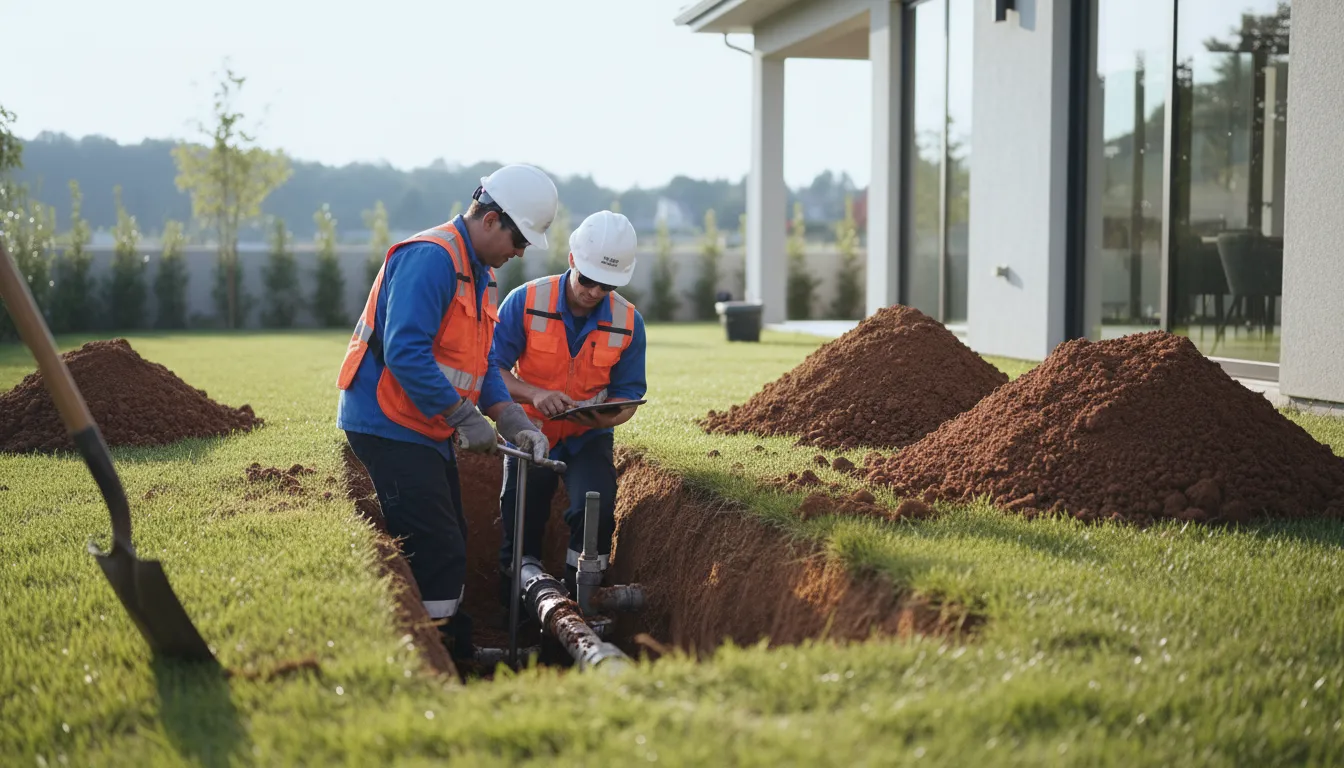
When your home's wastewater system shows signs of trouble, timely and proper septic system repair is essential to protect your property, your health, and the local environment. In Durham, North Carolina, all residential septic system repairs are strictly regulated by the Durham County Department of Public Health to ensure compliance with state rules and safeguard groundwater. This guide explains the local regulatory process, common types of septic repairs, and how to navigate finding a qualified professional to restore your system to proper working order.

Quality Service Today Plumbing & Septic
5412 US-70 suit A, Durham, NC 27705
Quality Service Today Plumbing & Septic provides a wide range of plumbing and septic services in Durham, NC. They specialize in septic tank pumping, septic system repair, and drain field repair or replacement, along with general plumbing, water heaters, well pumps, and water filtration. The company serves residential clients across Central North Carolina, including Durham and nearby communities. They are equipped to handle unique plumbing setups and offer 24/7 emergency plumbing services. Their team focuses on practical, effective solutions tailored to each home's specific needs.
Septic Blue of Burlington
1803 N Jim Minor Rd, Haw River, NC 27258
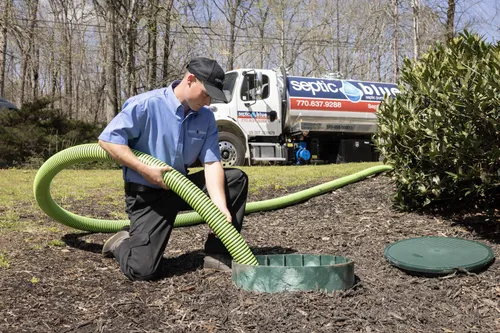
Septic Blue of Burlington provides septic tank pumping, inspection, repair, and installation services in Greensboro, NC. They offer emergency septic pumping and routine maintenance to help prevent system failures and protect property and local ecosystems. Their services include thorough septic cleaning that removes sludge and buildup to maintain system efficiency. Septic Blue emphasizes eco-friendly practices and personalized maintenance schedules based on household size and water usage.
Quality Service Today Plumbing & Septic
831 S 8th St, Mebane, NC 27302
Quality Service Today Plumbing & Septic provides plumbing and septic services in Greensboro, NC, and the surrounding Central North Carolina area. They handle a variety of home plumbing needs, including septic tank pumping, septic system repairs, and drain field replacements. The company is experienced in working with unique home plumbing setups, such as private wells and complex drainage systems, tailoring solutions to each property's specific requirements. They also offer general plumbing repairs, water heater installation, drain clearing, well pump services, and water filtration. Quality Service Today serves multiple communities including Durham, Cary, and Mebane, and provides 24/7 emergency plumbing support.
A1-Septic Tank Cleaning
Raleigh, NC
A1-Septic Tank Cleaning provides septic tank pumping, repair, and installation services in Raleigh, NC. Serving both residential and commercial clients, they offer comprehensive septic solutions including lift station maintenance and grease trap cleaning. With over 30 years of experience and 26 years in business, the company emphasizes personalized care and compliance with environmental regulations. They also offer 24/7 availability for septic needs.
Smale Septic, LLC
Raleigh, NC
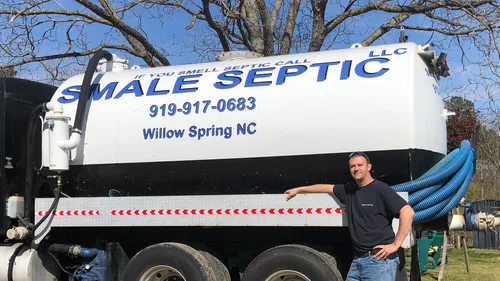
Smale Septic, LLC is a locally owned septic service company based near Raleigh, NC, serving Johnston and Wake counties. The business offers septic tank pumping, system repairs, drain field maintenance, and pump replacements. Their capabilities include locating and excavating septic tanks, water jetting drain field lines, and installing septic tank filter tees. The owner operates the business personally and provides direct customer service.
Understanding Durham's Septic Repair Regulations
Before any work begins on your septic tank or drain field, you must understand the local permitting process. The Durham County Department of Public Health's On-Site Water Protection program enforces state (15A NCAC 18E) rules, which are designed to protect public health and water quality 1. A critical first step is recognizing the signs of system failure, such as sewage surfacing in your yard, persistently slow drains inside your home, or foul odors around the tank or drain field area. If you notice any of these issues, you are required by law to hire a state-certified operator or licensed septic contractor to address the problem.
The cornerstone of the process is the repair permit. No septic system repairs can be legally performed in Durham County without first obtaining a permit from the local health department. Your chosen contractor will handle the application, which typically requires submitting detailed site plans. It's important to note that these improvement permits are valid for five years from the date of issue, provided a site plan is included.
The Step-by-Step Repair Process
Navigating a septic fix involves a series of coordinated steps between you, your contractor, and the health department.
- Initial Assessment and Hiring: Once you suspect an issue, contact a licensed septic repair professional. They will conduct a preliminary inspection to confirm the problem, which may involve checking for soggy soil over the drain field, sewage backups, or using specialized equipment to assess the system's components 2.
- Site Evaluation and Permitting: For most repairs, especially those involving the drain field, the health department will require a comprehensive soil and site evaluation to determine the suitability of the proposed repair area. Your contractor will use this evaluation to design the repair and apply for the necessary permit from the Durham County Health Department.
- System Inspection and Preparation: After the permit is secured, the contractor will often begin with a full system inspection. This includes opening the septic tank to check baffles and measuring the sludge and scum layers. A frequent first repair step is a complete septic tank pump-out to remove solids, sediment, and debris, which can clarify the source of the problem 3.
- Performing the Repairs: The contractor executes the approved repair plan. For systems with pumps or advanced components, state law requires that a certified subsurface system operator perform or supervise the work 4.
- Final Inspection: Before the repaired components are covered with soil, a representative from the Durham County Health Department must conduct a construction inspection to ensure the work complies with the permitted plans 5 6. Only after this approval should the work site be backfilled.
Common Types of Septic System Repairs
The term "septic system repair" encompasses a wide range of services, from simple component swaps to major drain field restoration.
- Component Repair or Replacement: This is often the most straightforward fix. It includes replacing cracked or collapsed pipes leading from the house to the tank or from the tank to the drain field, repairing or replacing a damaged distribution box (D-box), or fixing a malfunctioning effluent pump in systems that require one.
- Drain Field Restoration: When a drain field fails, it doesn't always mean a full replacement is needed. Techniques like high-pressure jetting can clear clogged pipes, and certain soil treatments can help rejuvenate the biomat-the layer that forms in the soil. However, these are often temporary solutions 7 8.
- System Expansion or Replacement: If the original drain field is irreparably failed, a new drain field must be installed. Due to stricter modern regulations and the need to protect the existing repair area, this new field often requires more space and may necessitate the installation of an advanced pre-treatment system to reduce the nutrient load on the soil 9 10.
- Aerobic Remediation: For some failing systems, a repair option involves converting or augmenting the system to introduce oxygen into the treatment process. This aerobic remediation helps bacteria break down waste more efficiently and can sometimes restore a struggling drain field 11.
Find the perfect septic system repair companies for your needs
Get personalized recommendations and expert advice
Protecting Your System's Repair Area
A crucial and often overlooked aspect of septic system ownership in Durham is the designated "repair area." This is a portion of your property, identified during the original system permitting, that is set aside for future drain field expansion or replacement. Protecting this area is not just a recommendation-it's a legal requirement. No permanent construction, driveways, pools, or heavy parking should be placed over the repair area. Planting deep-rooted trees or shrubs in this zone is also prohibited, as roots can damage underground components 12 13. Ensuring this area remains undisturbed can save you significant expense and hassle if repairs become necessary.
The Septic to Sewer Conversion Option
For some Durham residents, particularly those within specific city project areas, a long-term alternative to septic repair is available: connecting to the municipal sewer system. The City of Durham offers a Residential Septic to Sewer Cost-Share Program for eligible neighborhoods, which can significantly offset the high cost of conversion.
It's important to understand the costs involved if you consider this option:
- Conversion Costs: The total expense to abandon a septic system and connect to city sewer can easily exceed $15,000.
- System Development Fee: Durham County charges a fee for new sewer connections, which is roughly $1,250 per bedroom in the home. This fee may be covered if you are approved for the city's cost-share program 14.
- Tank Abandonment: Properly abandoning an old septic tank by having it pumped clean and either collapsed or filled with inert material like gravel or sand is a critical safety step and costs approximately $1,500 15.
If you are interested in this option, you should contact the City of Durham's Water Management Department to see if your property is in a qualifying area and to understand the current program details.
Choosing a Qualified Repair Professional in Durham
Selecting the right contractor is perhaps the most important decision you will make. Always verify that any professional you contact holds a valid license from the state of North Carolina and is familiar with Durham County's specific permit procedures and inspectors. Ask for references from recent repair jobs in the area and ensure they carry adequate insurance. A reputable contractor will be transparent about the permitting process, provide a detailed written estimate, and will never suggest skipping the required health department inspections.
Disclaimer: Local regulations and program details can change. Before initiating any repair project, always contact the Durham County Department of Public Health - On-Site Water Protection at (919) 560-7800 for the most current requirements and guidance 16.
Frequently asked questions
Sources
Footnotes
-
18E Rules - Searchable Online Database - https://www.owpnc.com/18e ↩
-
Drain Field Repair & Replacement in Durham, NC - https://www.wrenvironmental.com/durham-nc/residential/drain-field-repair-replacement/ ↩
-
Septic System Inspection in Mebane and Durham, NC - https://getqualityservicetoday.com/septic-services/inspections/ ↩
-
Septic System Owner's Guide - NC State Extension Publications - https://content.ces.ncsu.edu/septic-system-owners-guide ↩
-
On Site Water Protection - Durham County Government - https://dconc.gov/Public-Health/Environmental-Health/On-Site-Water-Protection ↩
-
Improvement Permit - Durham, NC - https://www.durhamnc.gov/DocumentCenter/View/51262/B2300020_Attachment-1_Perc-Test ↩
-
Speedy Septic Repairs | Raleigh, NC - https://newdayseptic.com/septic-repairs-raleigh-nc/ ↩
-
Septic Tank Repair| Wilmington, NC - https://www.skippersepticservice.com/septic-tank-repairs ↩
-
Guidance on Septic Repairs | NC DHHS - https://www.ncdhhs.gov/septic-repairs/download?attachment ↩
-
Septic Replacement Service Winston-Salem, NC - https://www.plumbwithfamily.com/septic/replacement/ ↩
-
Septic Aerobic Remediation based in Wilson, NC - https://www.creechsplumbing.com/septic-services/aerobic-remediation/ ↩
-
Investigate Before You Invest - NC State Extension Publications - https://content.ces.ncsu.edu/investigate-before-you-invest ↩
-
Understanding and Protecting Your Septic System - https://ehs.dph.ncdhhs.gov/oswp/docs/Understanding-protecting-septic-systems-FACTSHEET.pdf ↩
-
Northeast Creek Residential Septic to Sewer Cost-Share Project - https://www.durhamnc.gov/DocumentCenter/View/44046/Septic-To-Sewer-Project-FAQ?bidId= ↩
-
Septic to Sewer Project | Durham, NC - https://www.durhamnc.gov/4592/Septic-to-Sewer-Project ↩
-
On Site Water Protection - Durham County Government - https://dconc.gov/Public-Health/Environmental-Health/On-Site-Water-Protection ↩