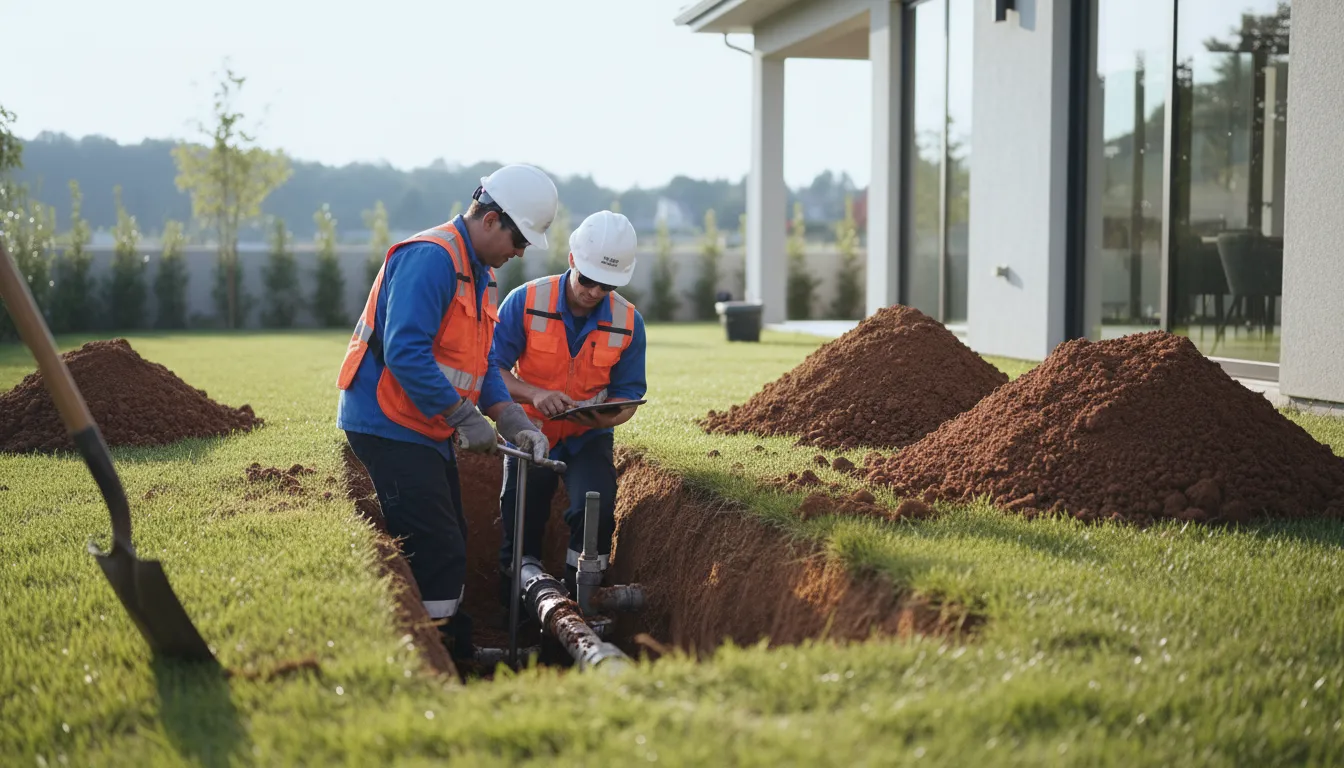
Find the Best Septic System Repair Companies for Your Business
No obligation • Fast responses • Nationwide coverage

Why you can trust Septic Spot
Septic Spot is a leading United States resource for understanding and comparing septic services. Our editors review providers using consistent criteria and verify key business details. Listings and scores are independent, and companies cannot pay to influence our content.
Search providers near you
Top Septic System Repair Companies in High Point, North Carolina Ranked
A failing septic system is more than an inconvenience; it's a serious public health and environmental concern. Septic system repair involves diagnosing and fixing issues with your on-site wastewater treatment system, from the tank to the drainfield. In High Point, these repairs are strictly regulated by local health authorities to protect groundwater and community well-being. This guide explains the repair process, local requirements, and common solutions to help you navigate finding qualified professionals to restore your system's function.
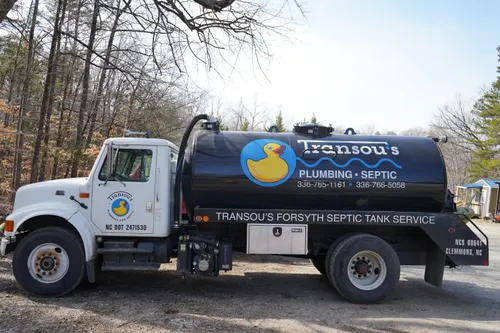
Transou's Plumbing & Septic | Emergency Plumber Winston-Salem, NC | Tankless Water Heater Repair | Septic Tank | Sewer Repair
101 E Devonshire St, Winston-Salem, NC 27127
Transou's Plumbing & Septic is a well-established plumbing and septic service provider located in Winston-Salem, NC. Serving the North Carolina Triad area, the company offers a range of services including septic tank pumping, septic system repair, emergency plumbing, leak detection, and tankless water heater repair. With over 70 years of experience, Transou's has grown into one of the largest plumbing and septic businesses in the region, known for its comprehensive expertise and family-oriented approach. The company also provides emergency plumbing services to address urgent issues promptly.
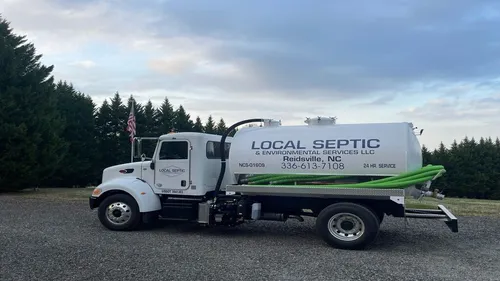
Local Septic & Environmental Services LLC
Winston Salem, NC
Local Septic & Environmental Services LLC is a family-owned septic company serving Winston Salem, NC, and surrounding counties. They provide a full range of septic services including tank pumping, inspections, repairs, new system installations, and drain field replacements. The company uses advanced inspection tools and modern excavation equipment to diagnose and address septic issues accurately. With decades of experience, Local Septic offers emergency services to handle urgent septic problems beyond regular business hours.
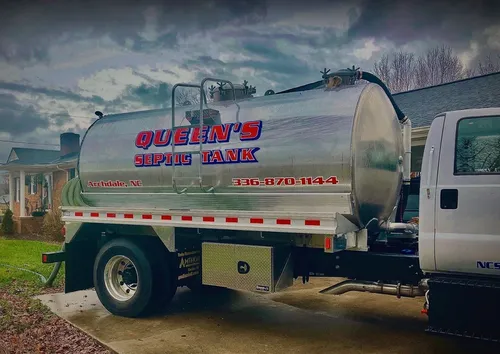
Queen's Septic Tank Service
Greensboro, NC
Queen's Septic Tank Service is a family-owned business serving Greensboro, NC, and surrounding counties including Guilford, Randolph, Davidson, and Forsyth. Since 1986, they have provided residential and commercial septic services such as septic tank installation, pumping, inspections, repairs, grease trap pumping, and backhoe and light grading services. As a certified Level IV Wastewater System Installer, they offer skilled and knowledgeable septic system solutions. The company also provides after-hours emergency service for urgent septic issues outside normal business hours.
James Septic & Groundworks
Winston Salem, NC
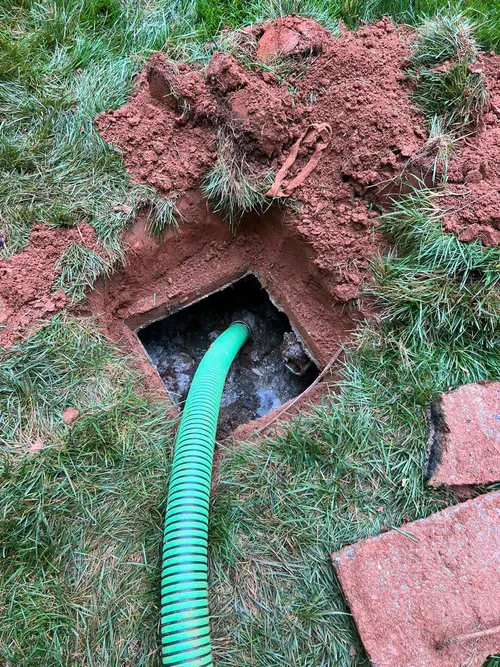
James Septic & Groundworks is a septic tank inspection, installation, and repair company serving Winston Salem, NC, and the broader Piedmont Triad area. With over 30 years of experience, they specialize in evaluating and maintaining septic systems using a unique "Search and Rescue" approach to extend system lifespan and avoid costly replacements. Their services include thorough inspections and tailored solutions to optimize septic system functionality and protect property values.
Transou's Septic Tank Service & Rent-A-Jon
1407 Chestnut Dr B, High Point, NC 27262
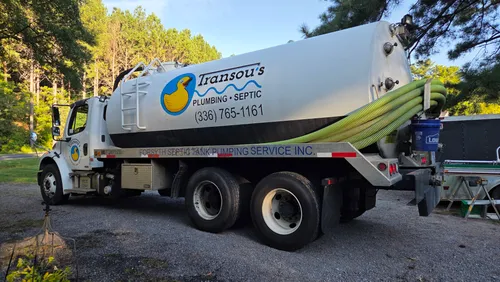
Transou's Septic Tank Service & Rent-A-Jon provides septic system services in Greensboro, NC, and the surrounding Triad area. The company offers septic tank pumping, inspection, repair, and installation, along with Port-a-Jon rentals for events and construction sites. Established in 1952, Transou's has over 70 years of experience handling septic emergencies, routine maintenance, and new system installations. They emphasize compliance with regulations and thorough workmanship to maintain system efficiency and prevent costly issues.
Understanding Septic System Failures and Local Regulations
In Guilford County, which includes High Point, all septic system repairs are managed through the Guilford County Department of Health and Human Services, Division of Public Health - Environmental Health. State and local laws mandate that any repair to correct a malfunctioning system requires a permit before work begins. A system is officially considered malfunctioning if there is sewage on the ground surface, sewage backing up into the home, or evidence that wastewater is leaking into groundwater 1.
Repairs deemed to correct an immediate public health hazard, such as surface sewage, are typically required to be completed within 30 days of the permit being issued, and often must be addressed within 48 hours in emergency situations. It is crucial to use a licensed septic contractor authorized to work in Guilford County for any repair work, as they understand the local soil conditions, permit process, and installation codes 2.
The Step-by-Step Repair Process
1. Professional Inspection and Diagnosis
Before any repair can be planned, a thorough inspection is necessary to pinpoint the problem. This isn't a DIY task. A professional will:
- Locate and Expose the septic tank and drainfield components.
- Inspect Tank Integrity, checking sludge and scum levels, baffles, and tank walls for cracks or damage.
- Evaluate the Drainfield for signs of failure like soggy soil, foul odors, or unusually lush grass3.
- Perform Diagnostic Tests, such as a dye test, to trace the flow of wastewater and confirm where the system is failing.
2. Securing the Required Permit
Once the issue is diagnosed, your licensed contractor will typically handle applying for the septic repair permit from the Guilford County Environmental Health office4. You cannot legally begin corrective work without this permit. The permit application will detail the proposed repair solution.
3. Executing the Repair
The specific repair strategy depends entirely on the inspection findings. Common septic repairs in the High Point area include:
- Tank Cleaning and Pumping: Often the first step for minor issues or to relieve pressure before other repairs. It is not a fix for a failed drainfield but is essential maintenance.
- Component Replacement: Repairing or replacing damaged parts like the distribution box (d-box), inlet/outlet baffles, or broken pipes between the tank and field 5.
- Drainfield Rehabilitation: If the soil absorption area is clogged but not completely failed, techniques like jetting or adding beneficial bacteria may rejuvenate it, postponing a full replacement.
- System Upgrade or Replacement: For systems in unsuitable soil (common in areas with high clay content), a repair may involve upgrading to a Low-Pressure Pipe (LPP) system, which uses a pump to distribute effluent more evenly. In severe cases, or if the property allows, installing a new drainfield in a different location may be necessary.
- Alternative Treatment Systems: For lots with significant site constraints, the approved repair may involve installing an advanced pretreatment unit, such as a sand filter or aerobic treatment unit (ATU), to treat the wastewater to a higher standard before it reaches the soil 6.
Find the perfect septic system repair companies for your needs
Get personalized recommendations and expert advice
Common Types of Septic System Repairs Explained
Addressing Drainfield Problems
The drainfield (or leach field) is where final treatment and dispersal happen. Failure here is a major issue. Symptoms include slow drains, sewage odors in the yard, and standing water. Repair options range from professional cleaning to break up biomat clogs to a partial or full replacement of the field lines. In High Point's varied soils, the county may require an engineered solution like an LPP system for the replacement to function properly 7.
Fixing Tank and Structural Issues
Problems contained within the tank itself are often more straightforward to fix. This includes:
- Baffle Repair: Broken or corroded baffles allow solids to escape into the drainfield, causing clogs. Replacing them is a common repair.
- Cracked Tank Walls: Small cracks can sometimes be sealed, but significant structural damage often requires tank replacement.
- Faulty Pumps: For systems with pumps (required in many modern or repaired systems), pump failure will halt all wastewater flow. Pump repair or replacement is a specialized task.
Managing System Additions and Relocations
If you're adding a bedroom or otherwise increasing your home's wastewater output, your existing system may need to be expanded or modified to handle the increased load, which is a form of repair and upgrade. Similarly, if the original drainfield area has been compromised by construction or landscaping, relocating the field to a suitable area on your property may be the only viable long-term repair.
Costs and Considerations for Septic Repairs in High Point
The cost of septic system repair varies widely based on the problem's complexity, local soil conditions, and the technology required by the county.
- Permit Fees: Based on general North Carolina trends, fees for repair and upgrade permits can range from approximately $250 for system upgrades to $500 for new system permits8.
- Inspection Costs: A basic inspection may cost a few hundred dollars, while a comprehensive evaluation in the Greensboro/High Point area can be more9.
- Repair Costs: Simple component repairs (e.g., baffle, d-box) typically cost in the hundreds to low thousands of dollars. A full septic system replacement represents the highest cost, with averages in North Carolina ranging from roughly $2,100 to over $6,800, though difficult sites can drive costs much higher10 11.
- Financial Assistance: In some cases, such as repairs needed due to a Federally declared natural disaster (e.g., Hurricane Helene), FEMA assistance programs may be available to qualified homeowners12.
The most important financial consideration is to address problems early. A minor repair identified during routine maintenance is invariably less expensive than an emergency full-system replacement after a complete failure.
Maintaining Your System Post-Repair
After investing in a repair, proper maintenance is key to protecting that investment. For systems with pumps installed or repaired after July 1, 1992, periodic inspection by a licensed professional is required by the county13. Even without a pump, regular pumping every 3-5 years (depending on usage) and mindful water use are the best ways to prevent future failures and extend the life of your newly repaired system14 15.
Frequently asked questions
Sources
Footnotes
-
https://gisdv.guilfordcountync.gov/WaterQuality_Docs/138257.pdf ↩
-
https://deweysepticandgrading.com/service-areas/high-point-nc/ ↩
-
https://www.lunspro.com/vlog/the-septic-system-inspection-process-what-homeowners-should-know ↩
-
https://www.guilfordcountync.gov/government/departments-and-agencies/department-health-and-human-services/division-public-health/environmental-health/site-wastewater ↩
-
https://www.plumbwithfamily.com/septic/repair-and-replacement/ ↩
-
https://www.ncleg.gov/EnactedLegislation/Statutes/PDF/ByArticle/Chapter_130A/Article_11.pdf ↩
-
https://www.greensborosepticpros.com/septic-inspection-greensboro-nc ↩
-
https://www.creechsplumbing.com/septic-services/septic-repair-and-installations/ ↩
-
https://www.angi.com/articles/what-does-it-cost-install-septic-system/nc/charlotte ↩
-
http://lambethmanagement.com/wp-content/uploads/2019/01/1269_001.pdf ↩
-
https://content.ces.ncsu.edu/septic-systems-and-their-maintenance ↩