Find the Best Septic System Repair Companies for Your Business
No obligation • Fast responses • Nationwide coverage

Why you can trust Septic Spot
Septic Spot is a leading United States resource for understanding and comparing septic services. Our editors review providers using consistent criteria and verify key business details. Listings and scores are independent, and companies cannot pay to influence our content.
Search providers near you
Top Septic System Repair Companies in Winston Salem, North Carolina Ranked
A failing septic system is more than an inconvenience; it's a serious health and environmental hazard that requires immediate, professional attention. Septic system repair involves diagnosing and fixing issues with your tank, drain field, or related components to restore proper wastewater treatment on your property. For Winston-Salem and Forsyth County homeowners, navigating repairs means understanding local health department regulations and finding a qualified contractor. This guide explains the repair process, local requirements, and what to look for in a service provider to ensure your system is fixed correctly and complies with all county codes.
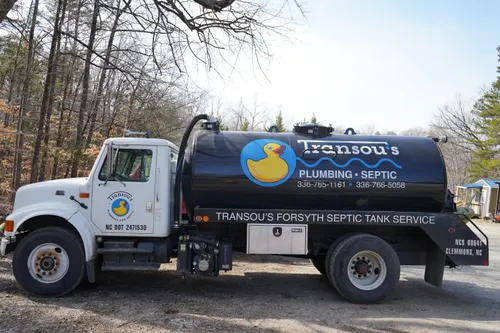
Transou's Plumbing & Septic | Emergency Plumber Winston-Salem, NC | Tankless Water Heater Repair | Septic Tank | Sewer Repair
101 E Devonshire St, Winston-Salem, NC 27127
Transou's Plumbing & Septic is a well-established plumbing and septic service provider located in Winston-Salem, NC. Serving the North Carolina Triad area, the company offers a range of services including septic tank pumping, septic system repair, emergency plumbing, leak detection, and tankless water heater repair. With over 70 years of experience, Transou's has grown into one of the largest plumbing and septic businesses in the region, known for its comprehensive expertise and family-oriented approach. The company also provides emergency plumbing services to address urgent issues promptly.
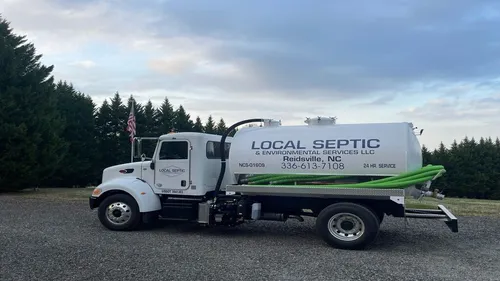
Local Septic & Environmental Services LLC
Winston Salem, NC
Local Septic & Environmental Services LLC is a family-owned septic company serving Winston Salem, NC, and surrounding counties. They provide a full range of septic services including tank pumping, inspections, repairs, new system installations, and drain field replacements. The company uses advanced inspection tools and modern excavation equipment to diagnose and address septic issues accurately. With decades of experience, Local Septic offers emergency services to handle urgent septic problems beyond regular business hours.
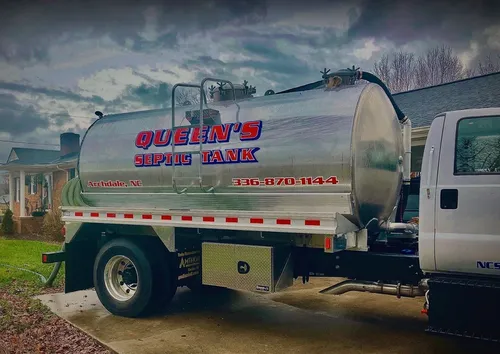
Queen's Septic Tank Service
Greensboro, NC
Queen's Septic Tank Service is a family-owned business serving Greensboro, NC, and surrounding counties including Guilford, Randolph, Davidson, and Forsyth. Since 1986, they have provided residential and commercial septic services such as septic tank installation, pumping, inspections, repairs, grease trap pumping, and backhoe and light grading services. As a certified Level IV Wastewater System Installer, they offer skilled and knowledgeable septic system solutions. The company also provides after-hours emergency service for urgent septic issues outside normal business hours.
James Septic & Groundworks
Winston Salem, NC
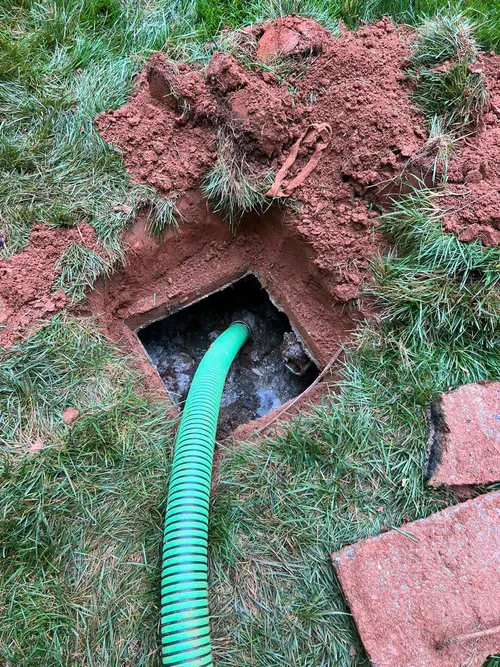
James Septic & Groundworks is a septic tank inspection, installation, and repair company serving Winston Salem, NC, and the broader Piedmont Triad area. With over 30 years of experience, they specialize in evaluating and maintaining septic systems using a unique "Search and Rescue" approach to extend system lifespan and avoid costly replacements. Their services include thorough inspections and tailored solutions to optimize septic system functionality and protect property values.
Tobacco Ridge Clearing, Grading & Septic Co.
Winston Salem, NC
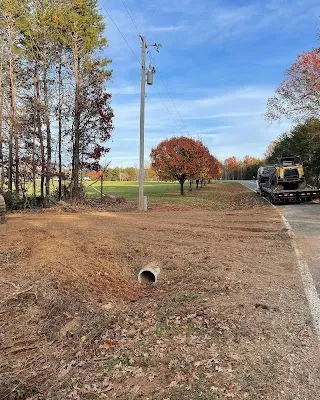
Tobacco Ridge Clearing, Grading & Septic Co. is a land management and septic service provider based near Winston Salem, NC. With over 15 years of experience, the company offers septic tank installation and repair, land clearing, grading, drainage solutions, forestry mulching, and driveway installation and repair. They use advanced equipment and techniques to prepare sites and install septic systems with precision, serving Tobaccoville and surrounding areas.
Understanding When You Need Septic Repairs
Recognizing the early signs of septic trouble can save you from more extensive and expensive damage. A malfunctioning system isn't always obvious until it becomes a crisis. Common red flags include sewage backing up into household drains, foul odors around the tank or drain field area, and soggy ground or standing water over the leach field. You might also notice unusually lush, green grass growing over the drain field, which indicates effluent is surfacing. If you find yourself needing to pump the tank more frequently than every 3-5 years, it could signal a clog or failure in the absorption area.
In Forsyth County, these symptoms mean it's time to contact the Environmental Health Division. The county requires homeowners to file an official application for repair before any corrective work begins. Ignoring these signs can lead to groundwater contamination, property damage, and significant fines from the health department.
The Forsyth County Repair Permit Process
All significant septic system repairs in Winston-Salem and Forsyth County are regulated by the Forsyth County Department of Public Health. You cannot legally begin repairs without following their specific procedure.
Step 1: Application and Fee. The process starts by submitting an Application for Authorization for Wastewater System Construction (Repair) to the Environmental Health Division. This application must be accompanied by a non-refundable fee of $170 1. This formal request triggers the county's review.
Step 2: Site Evaluation. After receiving your application, an environmental health specialist will visit your property. They assess the malfunction, evaluate the soil and site conditions, and determine the appropriate repair method. They will provide you with an official repair plan that must be followed.
Step 3: Hiring a Registered Contractor. Crucially, you must hire a septic contractor who is registered with the Forsyth County Department of Public Health. Only these licensed professionals are permitted to perform the actual repair work. They will be familiar with local codes and the county's inspection requirements.
Step 4: Inspections and Final Approval. Once the registered contractor completes the repairs, the county will conduct a final inspection. Only after this inspection is passed will your system be considered legally repaired and operational. It's important to note that routine pumping for maintenance does not require a permit, but any work to fix structural or functional failures does 2.
Common Types of Septic System Repairs
Septic issues can range from simple component swaps to major excavation projects. Understanding the scope helps in communicating with contractors and budgeting.
Tank Repairs and Maintenance: The most common service is routine pumping, which is preventative maintenance but essential to avoid repair needs. For a standard tank, this costs between $250 and $700. Tank-specific repairs include replacing deteriorated inlet or outlet baffles (or sanitary tees), fixing cracks in concrete tanks, and securing or replacing damaged lids. Installing a watertight riser from the tank lid to the ground surface is a popular upgrade that provides easy future access for pumping and inspection 3 4.
Pump and Mechanical Component Repair: If your system includes a pump to move effluent to a drain field (common in mound systems or due to topography), repairs can involve replacing the pump, floats, alarm systems, or the control panel. Cleaning or replacing the effluent filter is another common task. These repairs typically range from $500 to over $1,500 5.
Drainfield (Leach Field) Repairs: This is often the most complex and costly category. Problems include clogged pipes, biomat buildup, and physical collapse of lines. Sometimes, a process called "jetting" can clean the lines. More severe failures may require expanding the existing field or constructing a completely new replacement drain field. Due to the excavation and materials required, drain field work can cost anywhere from $3,000 to $15,000 or more.
Find the perfect septic system repair companies for your needs
Get personalized recommendations and expert advice
The Role of Professional Inspection in Diagnosis
Before any repair can be accurately scoped, a thorough inspection is necessary. A professional evaluation, which typically costs between $300 and $600 for a pre-purchase inspection, follows a detailed process 6. Technicians will first locate your tank and drain field, often using probe rods or electronic locating equipment if records are lost. They then excavate to uncover the inspection ports 7.
The inspection involves checking the liquid level in the tank to identify backups, examining the structural integrity of the tank for cracks, and measuring the sludge and scum layers to determine if pumping is urgently needed 8 9. The inspector will also assess the drain field for signs of failure, such as saturated soil or effluent surfacing. This comprehensive diagnosis is what informs the repair plan submitted to the county and provided by your contractor 10.
Cost Factors for Septic Repairs in Winston-Salem
Repair costs are highly variable and depend on the problem's nature and severity. Beyond the county's $170 permit fee, homeowners should budget based on the repair type 11.
- Minor Repairs: Fixing baffles, connecting pipes, or replacing a lid generally falls in the $300 to $1,500 range.
- Pump or D-Box Replacement: Repairing or replacing a septic pump or distribution box usually costs between $500 and $1,500+.
- Major Drainfield Work: Partial or complete drain field repair or replacement is the most significant expense, ranging from $3,000 to $15,000+, heavily influenced by soil conditions and system size 12 13.
- Seasonal Impact: It's worth noting that scheduling repairs in the winter can increase costs by 20-30% due to the challenges of working with frozen ground 14.
Maintaining Your System to Avoid Future Repairs
The best repair is the one you never need. Proactive maintenance is the key to a long-lasting septic system. The North Carolina Cooperative Extension and state health officials recommend pumping your tank every 3-5 years to prevent solids from escaping into the drain field. Be mindful of what goes down your drains-avoid grease, harsh chemicals, and non-biodegradable items. Conserve water to avoid hydraulically overloading the system. Also, never drive or build over your tank or drain field, as compaction can cause pipes to crack and fail.
Keeping detailed records of pumping, inspections, and any repairs is not only good practice but also essential for compliance with Forsyth County regulations and adds value if you sell your home.
Frequently asked questions
Sources
Footnotes
-
System Problems & Repairs - Forsyth County, North Carolina - https://www.co.forsyth.nc.us/publichealth/environmentalhealth/septic_repairs.aspx ↩
-
Environmental Health - Forsyth County, North Carolina - https://www.co.forsyth.nc.us/publichealth/environmentalhealth/septic_faqs.aspx ↩
-
Septic System Owner's Guide - Forsyth County, North Carolina - https://forsyth.cc/publichealth/assets/documents/septic_guide.pdf ↩
-
Septic Systems and Their Maintenance - https://content.ces.ncsu.edu/septic-systems-and-their-maintenance ↩
-
Understanding and Protecting Your Septic System - https://ehs.dph.ncdhhs.gov/oswp/docs/Understanding-protecting-septic-systems-FACTSHEET.pdf ↩
-
Pre-Purchase Septic Inspections: Protect Your Investment - https://septic911.com/prepurchase-septic-inspections/ ↩
-
Expert Winston-Salem Septic Tank Evaluation Guide - https://septic911.com/winstonsalem-septic-tank-evaluation/ ↩
-
Septic Inspection Process: What Homeowners Should Know ... - https://www.lunspro.com/vlog/the-septic-system-inspection-process-what-homeowners-should-know ↩
-
DIY Septic Tank Inspections - Flohawks - https://flohawks.com/diy-septic-tank-inspections-a-step-by-step-guide/ ↩
-
Septic Inspections - https://www.wrenvironmental.com/residential/septic-inspections/ ↩
-
Wastewater/Septic Frequently Asked Questions - https://tanglewoodpark.org/hhs/septic_faqs.aspx ↩
-
How Much Does Septic Tank System Repair Cost? (2026) - https://homeguide.com/costs/septic-tank-repair-cost ↩
-
How Much Does a Septic System & Septic Tank Cost - NexGen Septics - https://www.nexgenseptics.com/septic-system-cost/ ↩
-
Cost of Septic Maintenance | Annual Expenses Explained | Blog - https://www.blueribbonseptic.com/blog/cost-of-septic-maintenance ↩