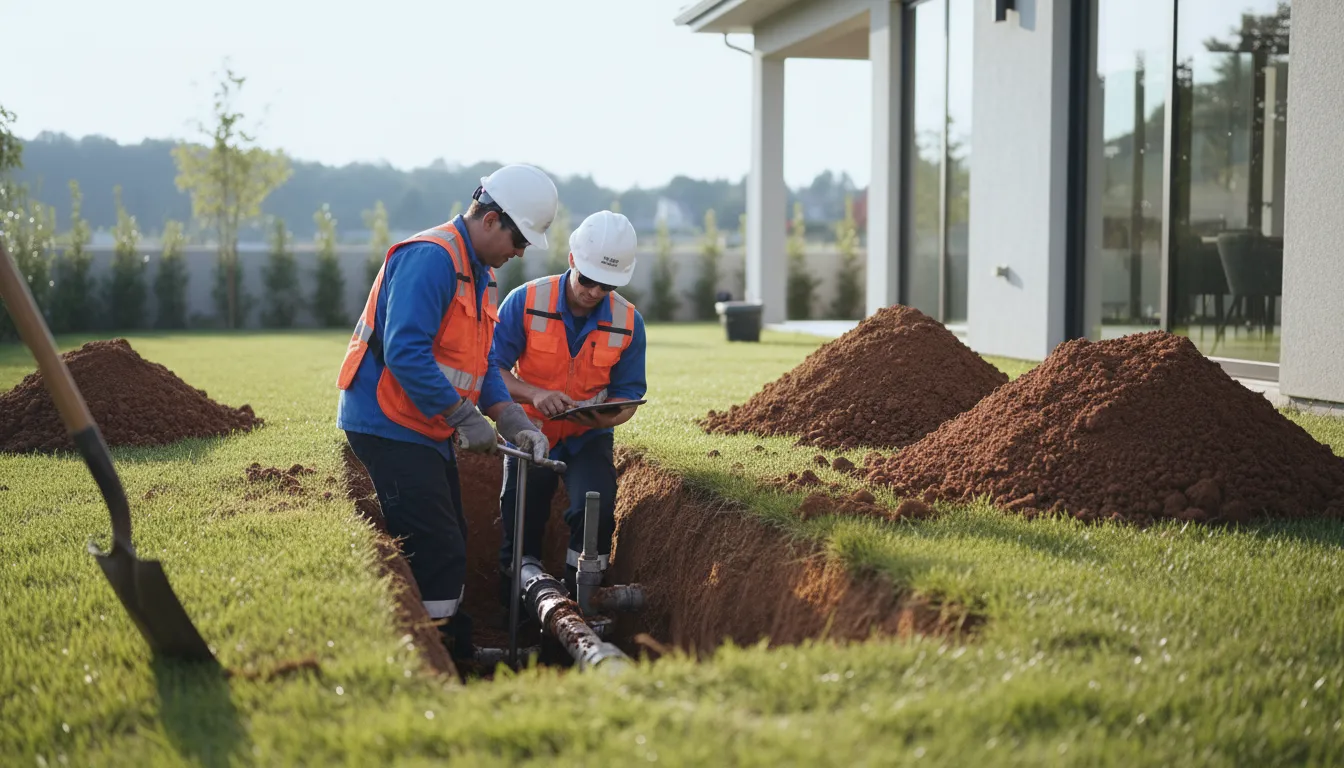
Find the Best Septic System Repair Companies for Your Business
No obligation • Fast responses • Nationwide coverage

Why you can trust Septic Spot
Septic Spot is a leading United States resource for understanding and comparing septic services. Our editors review providers using consistent criteria and verify key business details. Listings and scores are independent, and companies cannot pay to influence our content.
Search providers near you
Top Septic System Repair Companies in Fayetteville, North Carolina Ranked
A failing septic system is more than an inconvenience; it's a serious public health and environmental concern that requires immediate, professional attention. Septic system repair involves diagnosing and fixing issues with your tank, drainfield, or connecting components to restore proper wastewater treatment on your property. In Fayetteville and Cumberland County, these repairs are strictly regulated to protect groundwater and community health. This guide explains the local repair process, common solutions, and how to connect with qualified, licensed professionals to get your system functioning safely again.
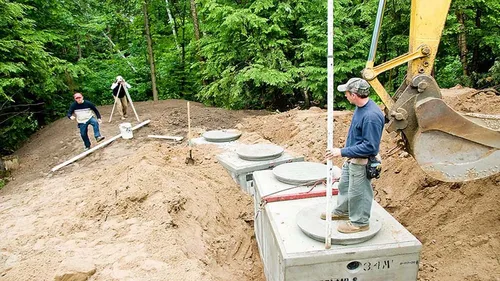
Belton Septic Tank Service
898 Camden Rd, Raeford, NC 28376
Belton Septic Tank Service is a septic tank specialist serving Fayetteville, NC, and surrounding communities including Raeford, Hope Mills, Lumberton, and more. They provide a range of services such as septic tank pumping, inspections, repairs, and new installations. With over 50 years of experience since 1964, they handle both residential and commercial septic systems. Their expertise includes emergency septic services and thorough system maintenance to ensure proper wastewater treatment and disposal.
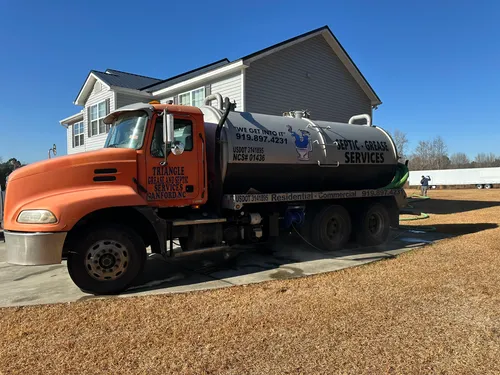
The Septic And Grease Company LLC
3570 Hillmon Grove Rd, Cameron, NC 28326
The Septic And Grease Company LLC provides septic tank pumping, septic system inspections, grease trap cleaning, and septic system repairs in Fayetteville, NC. With over 20 years of experience, the company uses state-of-the-art equipment to maintain and repair septic and grease systems for homes and businesses. Their services focus on improving system functionality and environmental sustainability.
D C Carter Septic Tank Services
Fayetteville, NC
D C Carter Septic Tank Services provides septic tank pumping, inspection, and repair services in Fayetteville, NC. The company is known for addressing septic system issues promptly and educating customers on system maintenance. They offer thorough septic tank cleaning and repairs, including handling emergency clogs and system troubleshooting. With over 33 years of experience, D C Carter Septic Tank Services has built a reputation for knowledgeable and efficient service, including after-hours availability for urgent needs.
Abernathy Services
Fayetteville, NC
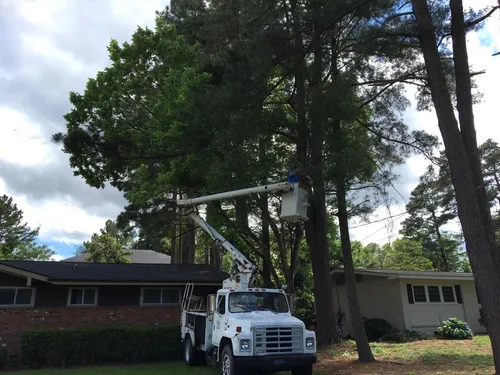
Abernathy Services is a septic tank inspection, repair, and installation company based in Fayetteville, NC. They provide comprehensive septic system services, including installation and repair, with a focus on ensuring systems function properly beneath the surface. With decades of experience, Abernathy Services is fully licensed and insured, offering expertise in both septic and related land services such as lot clearing and tree removal.

DC Carter Septic Tank Service
Fayetteville, NC
DC Carter Septic Tank Service provides septic tank pumping, inspection, and repair services in Fayetteville, NC. The company is known for addressing septic system issues promptly and educating customers on proper maintenance. They have extensive experience handling various septic problems, including unclogging and system repairs. With over 33 years in business, DC Carter and his team offer knowledgeable and thorough service, often responding quickly to emergencies and after-hours calls.
Understanding Septic System Failures
A septic system failure occurs when wastewater is not adequately treated and disposed of, often signaled by soggy ground or sewage odors in your yard, slow drains, or backups in your home. In Cumberland County, the cause of failure must be determined by a licensed contractor and a county health official before any corrective action is taken 1. Common culprits include hydraulic overloading from excessive water use, physical damage from vehicles or tree roots, a clogged or degraded drainfield, or a structural failure of the tank itself. Identifying the root cause is the critical first step toward a compliant and lasting fix.
The Mandatory Regulatory Process in Cumberland County
All septic system repairs in Fayetteville are governed by the Cumberland County Health Department and North Carolina state law. Homeowners must obtain a repair permit before starting any work on a failing system.
- Permit Application: The process begins by submitting an application to Central Permitting, which typically requires a site plan of your property.
- Site Evaluation: A Registered Environmental Health Specialist (REHS) from the county will visit your property to assess the system and soil conditions to officially determine the cause of failure.
- Critical Restrictions: It is illegal for homeowners to attempt repairs without a permit. Furthermore, you should never build structures, install patios, or drive heavy vehicles over the tank or drainfield area, as this can cause immediate damage2 3. If your system has been flooded, damaged areas must be allowed to dry out completely before an evaluation or repairs can begin.
The Professional Inspection & Diagnosis
To secure a repair permit, you will need a formal inspection, often conducted by your chosen licensed contractor in coordination with county officials. This diagnostic process typically follows these steps 4 5:
- Locate & Access: The technician will locate your tank and drainfield, then excavate to expose the inlet, outlet, and distribution box lids, which are often buried 2-3 feet deep.
- Visual Inspection: The interior of the tank is checked for cracks, damaged baffles, and excessive sludge or scum buildup. Pipes and the distribution box are examined for breaks or blockages.
- Pump-Out: To thoroughly assess the tank's integrity, the inspector will often require it to be pumped out.
- Flow/Dye Test: A "load and dye" test may be performed, where water and a non-staining dye are flushed into the system to confirm whether wastewater is draining properly or surfacing in the yard6.
- Official Report: The inspector provides a detailed report identifying the necessary repairs, which is used to obtain the county repair permit.
Common Septic Repair Solutions
The appropriate fix depends entirely on the inspection findings. Here are the most common types of septic repairs and installations undertaken in the Fayetteville area:
- Tank Repairs: This includes fixing or replacing broken inlet/outlet baffles, sealing cracks in concrete tanks, or installing risers (access ports that extend to the ground surface) to make future maintenance much easier7.
- Drainfield (Leach Field) Repair: If the problem is localized, repairs may involve fixing a broken distribution box or replacing sections of collapsed or clogged perforated pipe 8.
- Soil Repair & Drainfield Replacement: If the soil in the original drainfield has become clogged and "sealed" (a condition called biomat formation), the field may have failed irreparably. In such cases, a new drainfield may be installed in a designated "repair area" on your property, which is required for systems permitted since the 1980s9.
- Complete System Replacement: For very old or severely damaged systems, a full replacement with a modern system may be the only viable option. New systems might include pressure-dosed drainfields, mound systems, or advanced aerobic treatment units to meet current health and environmental standards10.
- Emergency Pumping: While not a permanent repair, an immediate emergency pump-out of a full or overflowing tank is a critical first step to mitigate backups and odors, allowing for a proper diagnosis.
Find the perfect septic system repair companies for your needs
Get personalized recommendations and expert advice
Costs and Timelines for Repairs
Understanding potential costs helps homeowners plan for this necessary investment. It's important to note that prices can vary widely based on the scope of work, soil conditions, and system type.
- Inspection Fees: A professional septic inspection in the Fayetteville area typically ranges from $200 to $500, with the cost influenced by whether the tank pumping is included or waived 11.
- Permit Fees: The Cumberland County fee for a septic tank inspection and repair permit is typically $4512.
- Minor Repairs: Simple fixes like replacing a baffle or installing access risers may cost several hundred dollars in parts and labor.
- Major Repairs/Replacement: Extensive work, such as replacing a drainfield or installing a new alternative system, is a significant undertaking that can cost several thousand dollars13.
- Emergency Services: For urgent situations, several local providers offer same-day emergency pumping and assessment services to address immediate health hazards.
Maintaining Your System Post-Repair
After investing in repairs, proper maintenance is key to protecting that investment and avoiding future failures. This includes having the tank pumped regularly (every 3-5 years for a typical household), conserving water to avoid overloading the system, and never flushing harmful chemicals or non-biodegradable materials. The North Carolina Department of Health and Human Services provides clear guidelines for homeowners on caring for their septic systems to extend their lifespan14.
Resources for Fayetteville Homeowners
- Cumberland County Environmental Health: For permit applications, regulations, and official site evaluations, contact them at 910-433-3660 15.
- Disaster Assistance: If your septic system was damaged by a natural disaster like a hurricane, FEMA assistance may be available for repairs not covered by insurance16.
- Professional Guidance: Always consult with a licensed septic system contractor for site-specific advice and cost estimates. They are familiar with local soil conditions (common in the Sandhills region) and county permitting procedures.
Frequently asked questions
Sources
Footnotes
-
Frequently Asked Questions - Alamance County Environmental Health - https://eh.alamancecountync.gov/home/frequently-asked-questions/ ↩
-
Septic System Program - AppHealthCare - https://www.apphealthcare.com/environmental-health/septic-system-program/ ↩
-
Understanding and Protecting Your Septic System - https://ehs.dph.ncdhhs.gov/oswp/docs/Understanding-protecting-septic-systems-FACTSHEET.pdf ↩
-
Septic System Inspections - https://www.wake.gov/departments-government/onsite-water-protection/septic-systems/septic-system-inspections ↩
-
Septic Inspection Process: What Homeowners Should Know ... - https://www.lunspro.com/vlog/the-septic-system-inspection-process-what-homeowners-should-know ↩
-
FCPH: Septic inspection Q&A - https://www.recordherald.com/2022/09/28/fcph-septic-inspection-qa/ ↩
-
Septic System Owner's Guide - NC State Extension Publications - https://content.ces.ncsu.edu/septic-system-owners-guide ↩
-
Septic Systems and Their Maintenance - https://content.ces.ncsu.edu/septic-systems-and-their-maintenance ↩
-
Septic System Owner's Guide - NC State Extension Publications - https://content.ces.ncsu.edu/septic-system-owners-guide ↩
-
Fayetteville SEPTIC TANK SYSTEM INSTALLATION - https://carolinapumpingandseptic.com/septic-services/septic-tank-installation/ ↩
-
NC SEPTIC LAW - Elite Home Inspections - https://www.elitehomeinspectionsnc.com/nc-septic-law ↩
-
requirements for existing septic tanks - https://www.cumberlandcountync.gov/vd-Planning/downloads/septic.pdf ↩
-
TOP 10 BEST Septic Tank Services in Fayetteville, NC - Yelp - https://m.yelp.com/search?find_desc=Septic+Tank+Services&find_loc=Fayetteville%2C+NC ↩
-
NC Homeowners: Caring for Your Septic System - https://www.dph.ncdhhs.gov/programs/environmental-health/site-water-protection-branch/site-wastewater-program/nc-homeowners-caring-your-septic-system ↩
-
Water and Sewage - Cumberland County Government - https://www.cumberlandcountync.gov/departments/public-health-group/public-health/environmental/water-sewage ↩
-
Guidance on Septic Repairs - NC DHHS - https://www.ncdhhs.gov/septic-repairs/download?attachment ↩