Find the Best Septic Tank Inspection Companies for Your Business
No obligation • Fast responses • Nationwide coverage

Why you can trust Septic Spot
Septic Spot is a leading United States resource for understanding and comparing septic services. Our editors review providers using consistent criteria and verify key business details. Listings and scores are independent, and companies cannot pay to influence our content.
Search providers near you
Best Septic Tank Inspection Companies in Colorado Ranked
A septic tank inspection is a professional assessment of your on-site wastewater treatment system (OWTS) to ensure it is functioning safely and in compliance with state regulations. In Colorado, these evaluations are not just a good idea-they are a legal requirement for property transfers and routine maintenance. This guide explains Colorado's specific rules, what happens during an inspection, and how you can find qualified local professionals to perform this critical service for your home.
Dan's Drains and Digs
216 S Chestnut St, Colorado Springs, CO 80905
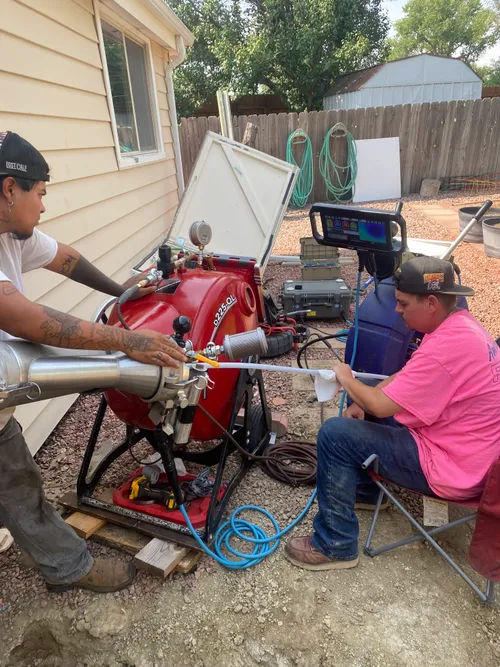
Dan's Drains and Digs is a septic tank inspection, repair, and installation company based in Colorado Springs, CO. They provide a range of underground plumbing services including drain and sewer cleaning, underground line replacement and repairs, video camera inspection, and septic system installation. One of their notable capabilities is sewer pipe lining, which they have successfully applied to complex projects involving old clay sewer lines. The business is known for handling both routine and major underground plumbing issues efficiently.
High Country Sewer & Septic
1895 Main St, Colorado Springs, CO 80911
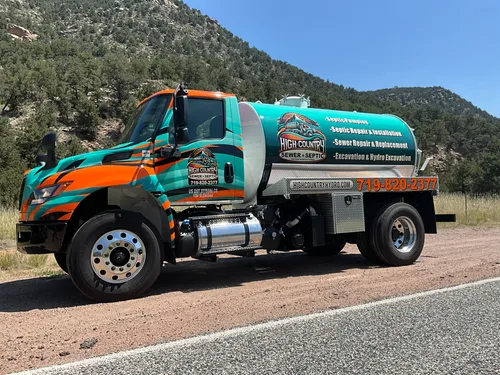
High Country Sewer & Septic is a family-owned business serving Colorado Springs, CO, and the surrounding Front Range area. They offer comprehensive septic services including tank pumping, inspections, installations, repairs, and drain field restoration. The company manages all aspects of septic system care, from permits and inspections to excavation and settling checks, ensuring a streamlined process without the need for multiple contractors. With over 14 years of experience, they understand the unique challenges posed by local soil and elevation conditions. Their work is backed by five-year warranties and $2 million in insurance coverage. Same-day estimates and owner involvement on every project provide added assurance. They also offer after-hours communication to support emergency needs.

Rough Terrain Sewer & Drain
Pueblo, CO
Rough Terrain Sewer & Drain is a septic tank inspection company serving Pueblo, CO, and surrounding communities including Pueblo West, Fountain, and Canon City. They offer services such as drain cleaning, sewer cleaning including septic lines, camera inspections, sewer line locates, and hydro jetting. Hydro jetting is a key capability that uses high-pressure water to clear blockages like grease clogs and root intrusions, helping maintain the integrity of sewer lines and prevent costly repairs. The company serves a broad area across Pueblo and nearby towns.
Kuyper's Septic
Fort Collins, CO
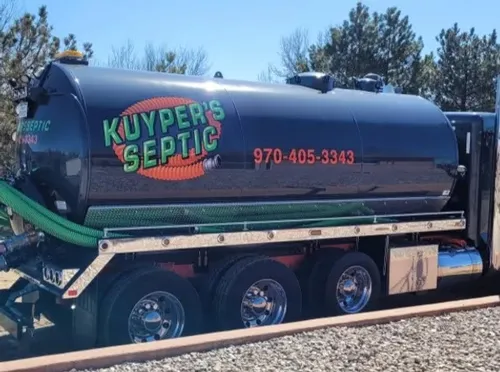
Kuyper's Septic is a family-owned business providing septic pumping and inspection services in Fort Collins, CO, and the Northern Front Range. Since 2014, they have offered thorough septic tank cleaning and system inspections, including the removal of solids and water. Their skilled team supports clients throughout the entire septic project process, emphasizing integrity and quality work.
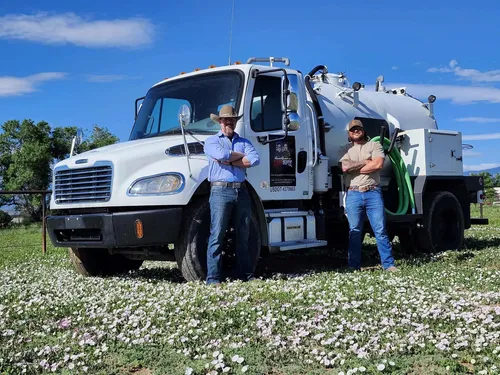
Super Septic Brothers LLC
Colorado Springs, CO
Super Septic Brothers LLC is a family and veteran-owned business based in Colorado Springs, CO. They provide septic tank pumping, certified inspections, portable toilet rentals, and specialized black water tank pumping for RVs. The company also offers potable water delivery across Southern Colorado, including Pueblo West, Fremont County, and Teller County. Licensed and insured, Super Septic Brothers serves residential, agricultural, and commercial clients with a focus on affordability and integrity. They provide 24/7 emergency service and have a background in military and law enforcement.
Understanding Colorado's Septic System Regulations
Septic systems in Colorado are governed by Regulation 43, the statewide rule for On-site Wastewater Treatment Systems (OWTS) administered by the Colorado Department of Public Health and Environment (CDPHE). This regulation sets the minimum standards, but it's important to know that local county health departments adopt and enforce rules that are at least as strict as the state's. This means requirements can vary slightly depending on whether you live in Douglas County, Larimer County, Mesa County, or elsewhere.
The core principle is that septic systems are permitted, installed, and maintained to protect public health and groundwater quality. Any construction, installation, remodeling, or major alteration of a system requires a permit from your local public health agency 1 2. For a new system, permit fees can start at $800 or more, depending on the county.
When Is a Septic Inspection Required in Colorado?
Knowing the triggers for a mandatory inspection can help you plan and avoid compliance issues.
- Routine Maintenance: Colorado law generally requires that septic tanks be pumped and inspected at least once every four years. Some counties or specific system types (like those with high-strength waste) may require more frequent service 3.
- Real Estate Transactions: An inspection is almost always required during the transfer of property. This protects the buyer by ensuring the system is compliant and functional, and it satisfies lender and title company requirements.
- New System Installation: Inspections are mandatory at critical stages of new installation, particularly before the tank and drain field are backfilled. This ensures the work meets the permitted design.
- System Repair or Alteration: If you are applying for a permit to repair or significantly alter your system, an inspection of the existing conditions will likely be part of the process.
The Colorado Septic Inspection Process: What to Expect
A thorough septic inspection by a state-licensed professional involves several key steps. It's more than just checking if water drains; it's a systematic evaluation.
- Record Review & Site Evaluation: The inspector will start by reviewing the system's permit and "as-built" design. For new applications, this includes evaluating soil conditions via test pits. For example, Larimer County requires two test pits, 40-50 feet apart and at least 8 feet deep.
- Tank Access and Pumping: The inspector will locate and uncover the tank access lids. They will often pump the tank to properly examine its interior. A core part of the inspection is measuring the sludge and scum layers. Under Regulation 43, a tank typically must be pumped if the combined depth of sludge and scum exceeds 25% of the total liquid depth of the tank 4 5.
- Tank and Component Inspection: The inspector checks the tank's structure for cracks, the baffles and tees for integrity, and the inlet/outlet pipes for leaks or blockages. For systems with pumps, dosing tanks, or alarms (common in many Colorado counties), these components are tested for proper operation.
- Drain Field Assessment: The inspector will evaluate the soil treatment area (drain field) for signs of failure. This includes looking for surfacing sewage, soggy ground, or overly lush vegetation. They may also use a probe to check for ponding or a "biomat" layer that indicates clogging.
- Compliance Check: The inspector verifies that the entire system conforms to current regulations and the original permit. They will note any violations, such as improper drainage from roofs or driveways toward the drain field.
- Reporting: You will receive a detailed report outlining the system's condition, any deficiencies found, and recommendations for repairs or maintenance. This report is the official document for real estate transactions or regulatory compliance.
Find the perfect septic tank inspection companies for your needs
Get personalized recommendations and expert advice
Who Can Perform Inspections? Licensing and Certification
In Colorado, septic system inspections must be performed by licensed and certified professionals 6. There are different levels of certification:
- OWTS Installers are certified to install systems.
- OWTS Pumpers are certified to pump and inspect tanks.
- OWTS Inspectors are specifically certified to evaluate system performance.
- Professional Engineers (PE) are required to design systems in certain areas, like Mesa County.
Always verify that the professional you hire holds a current, valid certification from the state of Colorado. Your local health department can often provide lists of certified providers in your area.
Costs of Septic Inspections in Colorado
The price of an inspection depends on its scope, the size of your system, and your location.
- A routine pump-and-inspect service typically ranges from $200 to $900.
- A comprehensive inspection for a real estate transaction on a standard residential system often costs between $300 and $600.
- For very large homes or complex systems with advanced components, a full evaluation can cost up to $1,300 or more 7.
- Remember that permit fees for new systems or repairs are separate and vary by county, ranging from $25 for minor repairs to $800+ for new installations 8.
County-Specific Considerations in Colorado
While Regulation 43 provides the framework, local implementation varies. Here are examples from a few counties:
- Douglas County: Follows the 4-year inspection interval and requires specific inspection of dosing tanks and other mechanical components 9.
- Larimer County: Emphasizes the site evaluation process, requiring specific test pit dimensions for new applications.
- Mesa County: Has detailed regulations requiring system designs to be stamped by a Professional Engineer (PE) 10.
- Lake County: Outlines a clear permitting process with associated fees for different types of system work.
Always contact your local county health department for the most accurate and current rules, permit applications, and lists of certified inspectors in your area.
Maintaining Your System Between Inspections
Proper care between official inspections extends the life of your system and prevents costly failures.
- Pump Regularly: Adhere to the 4-year schedule or more often if recommended by your inspector.
- Conserve Water: Spread out laundry loads and fix leaky fixtures to avoid overwhelming the drain field.
- Mind What You Flush: Only human waste and toilet paper should go down the drain. Avoid chemicals, grease, wipes (even "flushable" ones), and food scraps.
- Protect the Drain Field: Never drive or park over it, and keep roof drains, sump pumps, and other surface water away from the area.
A well-maintained septic system is a valuable asset to your Colorado property. By understanding the state's inspection requirements and partnering with a certified professional, you ensure your system protects your family's health, your investment, and the state's precious water resources.
Frequently asked questions
Sources
Footnotes
-
Septic Systems (OWTS) - | Larimer County - https://www.larimer.gov/health/environmental-health/septic-systems/septic-systems-owts ↩
-
Colorado Septic Tank Requirements | On-site Wastewater ... - https://www.ntotank.com/blog/colorado-septic-tank-requirements ↩
-
How Often Should You Pump Your Septic Tank: 3 Factors Solved - https://www.frasiers.com/blog/sewage-tank-pump-frequency/ ↩
-
Clean water: On-site wastewater treatment systems - https://cdphe.colorado.gov/OWTS ↩
-
What to Expect from a Septic Inspection - https://www.wrenvironmental.com/blog/2023/may/what-to-expect-from-a-septic-inspection/ ↩
-
Colorado Septic License & Certification | 2024 Contractor Guide - https://www.servicetitan.com/licensing/septic/colorado ↩
-
How Much Does a Septic Inspection Cost? [2026 Data] - Angie's List - https://www.angi.com/articles/septic-inspection-cost.htm ↩
-
Septic System Permitting | Lake County, CO - https://www.lakecountyco.gov/212/Septic-System-Permitting ↩
-
Septic System FAQs - Douglas County - https://www.douglas.co.us/health-department/septic-system-faqs/ ↩
-
On-site Wastewater Treatment Systems Regulations - Mesa County - https://www.mesacounty.us/sites/default/files/2025-01/On-Site%20Wastewater%20Treatment%20Services%20-%20Regulation%20Revision%20-%20Effective%2007-29-24.pdf ↩