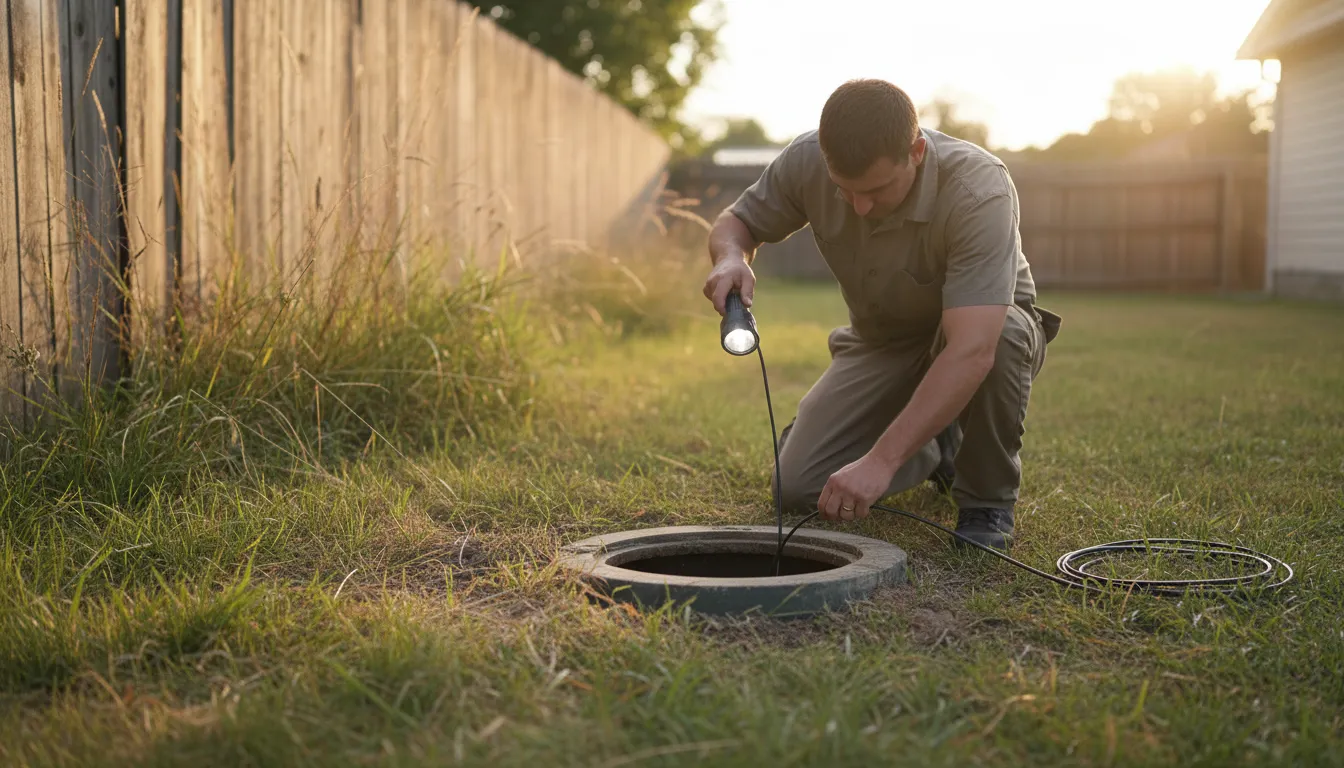
Find the Best Septic Tank Inspection Companies for Your Business
No obligation • Fast responses • Nationwide coverage

Why you can trust Septic Spot
Septic Spot is a leading United States resource for understanding and comparing septic services. Our editors review providers using consistent criteria and verify key business details. Listings and scores are independent, and companies cannot pay to influence our content.
Search providers near you
Top Septic Tank Inspection Companies in Pueblo, Colorado Ranked
A septic system inspection is a critical evaluation of your onsite wastewater treatment system (OWTS) to ensure it is functioning properly and safely. In Pueblo, these assessments are not just a good idea-they are often a legal requirement, especially when selling a home. This guide explains the local inspection process, costs, and regulations to help you navigate maintaining or transferring property with a septic system in Pueblo County.

Rough Terrain Sewer & Drain
Pueblo, CO
Rough Terrain Sewer & Drain is a septic tank inspection company serving Pueblo, CO, and surrounding communities including Pueblo West, Fountain, and Canon City. They offer services such as drain cleaning, sewer cleaning including septic lines, camera inspections, sewer line locates, and hydro jetting. Hydro jetting is a key capability that uses high-pressure water to clear blockages like grease clogs and root intrusions, helping maintain the integrity of sewer lines and prevent costly repairs. The company serves a broad area across Pueblo and nearby towns.
Super Septic Brothers LLC
Colorado Springs, CO
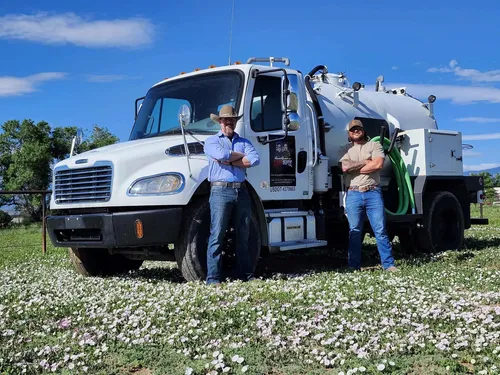
Super Septic Brothers LLC is a family and veteran-owned business based in Colorado Springs, CO. They provide septic tank pumping, certified inspections, portable toilet rentals, and specialized black water tank pumping for RVs. The company also offers potable water delivery across Southern Colorado, including Pueblo West, Fremont County, and Teller County. Licensed and insured, Super Septic Brothers serves residential, agricultural, and commercial clients with a focus on affordability and integrity. They provide 24/7 emergency service and have a background in military and law enforcement.
Freedom Septic Service LLC
Colorado Springs, CO
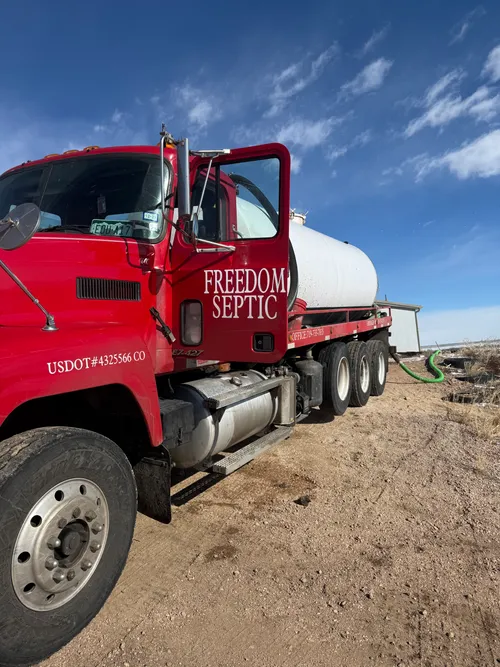
Freedom Septic Service LLC provides septic tank pumping, inspection, and grease trap maintenance services in Colorado Springs, CO. They offer NAWT-certified transfer title inspections and emergency services, focusing on thorough septic and grease trap care to prevent costly repairs and environmental contamination. Their expertise includes routine septic system pumping and inspections to extend system life and maintain efficiency. The company emphasizes compliance with local regulations and environmental protection through regular maintenance and certified inspections.
Bigfoot Septic Pumping Service
Colorado Springs, CO
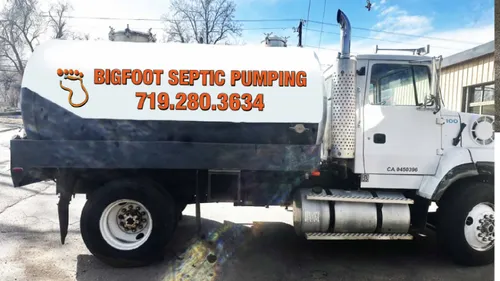
Bigfoot Septic Pumping Service is a family-run business based in Fremont County, Colorado, providing septic and sewer services to residential and commercial properties in the Colorado Springs, CO area. They offer a range of services including septic tank pumping, system inspections, repairs, upgrades, and specialized solutions such as grease trap cleaning and sewer line camera inspections. With local experience, the company focuses on practical, long-term care to maintain system performance and prevent costly failures.
It Happens Septic Service
Pueblo, CO
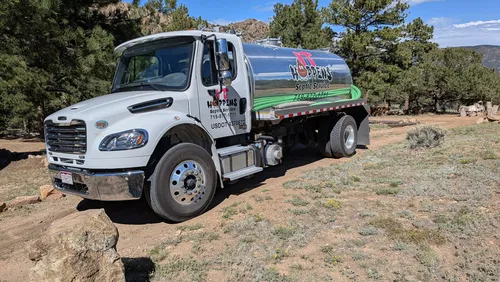
It Happens Septic Service provides septic tank pumping and inspection services in Pueblo, CO. The company offers routine maintenance, emergency pumping, and full system inspections to help maintain septic system functionality. Their experienced team focuses on timely and professional septic solutions to address customer needs efficiently.
Why Septic Inspections Are Required in Pueblo
In Pueblo County, the Pueblo Department of Public Health and Environment (PDPHE) regulates all septic systems. A certified system evaluation is mandatory prior to any property transfer, including a sale. This rule is designed to protect public health and groundwater by ensuring failing systems are identified and repaired. Inspections may also be required for major remodels or if the PDPHE has concerns about a system's operation.
Beyond real estate transactions, regular septic tank check-ups are essential for preventative maintenance. The PDPHE recommends having your system inspected and pumped every 3 to 4 years 1. This routine service can identify minor issues before they become major, costly failures, protecting your property value and the environment.
The Property Transfer Inspection Process
Selling a home with a septic system in Pueblo involves specific steps regulated by the county. Understanding this timeline is key to a smooth closing.
Initiate the Process Early: You should schedule the inspection and necessary pumping 3 to 4 weeks before your planned closing date. This buffer allows time for the inspection report to be processed by the county and, crucially, for any required repairs to be completed if the system fails.
Hire the Right Professionals: The inspection must be performed either directly by the PDPHE or by an inspector certified by the National Association of Wastewater Technicians (NAWT). The tank pumping must be done by a licensed septic service provider. Often, homeowners hire a single company that is both NAWT-certified and licensed to pump.
Submit for County Approval: After the inspection, the certified inspector submits the official report to the PDPHE. The county reviews it and, if the system passes, issues an Acceptance Document, which is necessary for the title transfer.
What Inspectors Look For During a Septic System Evaluation
A thorough septic inspection is more than just a glance at the tank. Certified inspectors follow a detailed process to assess the entire onsite wastewater system's health.
Pre-Inspection Preparation: To avoid extra labor charges, homeowners should locate and uncover the septic tank's access lids before the inspector arrives. The tank must also be pumped to allow for a proper internal examination 2.
Tank Inspection: Once pumped, the inspector examines the tank's interior for structural integrity, checking for cracks, corrosion, or leaks. They also inspect the inlet and outlet baffles (or tees) to ensure they are intact and functioning, as these are critical for preventing solids from flowing into the drain field.
Drain Field Assessment: The inspector will evaluate the drain field (or leach field) for signs of failure. This includes looking for surfacing sewage, soggy ground, or unusually lush grass over the field area, which indicate that the soil is no longer properly absorbing and treating the wastewater 3.
Flow and Function Test: In some cases, inspectors may perform tests to check the system's hydraulic function, ensuring it can handle a typical load of household wastewater.
Find the perfect septic tank inspection companies for your needs
Get personalized recommendations and expert advice
Understanding the Costs of Septic Inspection in Pueblo
The total cost for a septic inspection in Pueblo varies based on the purpose-routine maintenance or a real estate transfer. For a property transfer, fees are fixed by the county and are separate from service provider charges.
County Transfer Fees: The PDPHE charges a $140 Transfer of Title Application Fee and a $385 Transfer of Title Inspection Fee 4. These are paid to the county as part of the approval process.
Pumping and Inspection Service Costs: You must also pay a licensed provider to pump the tank and perform the inspection. Pumping costs in the area generally range from $300 to $700, depending on tank size and accessibility. The inspection service fee from a NAWT-certified professional is typically additional.
Typical Total Cost: For a full property transfer inspection, homeowners should expect to pay approximately $600 to $1,200 or more when combining the mandatory county fees with the costs of pumping and the professional inspection service 5 6.
Additional Potential Costs: If the inspection reveals a system failure, you will need to obtain repair permits from the PDPHE (a Minor Repair permit costs $210) and hire qualified professionals for the repairs, which can add significant engineering and construction costs.
Maintaining Your System Between Inspections
Regular inspections are a cornerstone of septic care, but what you do between check-ups greatly extends your system's life. Proper maintenance prevents emergencies and costly repairs.
Mind What Goes Down the Drain: Your septic system contains living organisms that treat waste. Avoid flushing chemicals, paints, grease, or non-biodegradable items. Even excessive use of antibacterial soaps or heavy-duty cleaners can disrupt the bacterial balance 7.
Conserve Water: Sudden large volumes of water can overwhelm the system. Spread out laundry loads, fix leaky faucets promptly, and consider installing high-efficiency fixtures to reduce the daily hydraulic load on your drain field.
Protect the Drain Field: Never park vehicles or build structures over your drain field. Keep roof drains, sump pumps, and other surface water runoff directed away from the area. Planting only grass over the field is best, as roots from trees and shrubs can clog and damage the underground pipes 8.
What Happens If Your System Fails Inspection?
A failing inspection result during a property transfer can be stressful, but it's a manageable process. The PDPHE will not issue an Acceptance Document until the system is brought into compliance.
Identify the Problem: The inspection report will detail the reasons for failure, such as a cracked tank, damaged baffles, or a saturated drain field.
Obtain Repair Permits: Before any work begins, you or your contractor must obtain the necessary permit from the PDPHE. For many repairs, this is the Minor Repair Permit, which costs $210 9.
Complete Repairs with Licensed Professionals: All repair work must be completed by licensed septic system installers or repair professionals. They will ensure the repairs meet all county and state health codes.
Final Inspection and Approval: Once repairs are complete, a final inspection (which may incur an additional fee) is typically required. After passing, the PDPHE will issue the final Acceptance Document to clear the title transfer.
Frequently asked questions
Sources
Footnotes
-
Maintaining Your On-Site Wastewater Treatment System (OWTS) - https://county.pueblo.org/sites/default/files/2022-06/Homeowners%20Septic%20System%20Guide_Final.pdf ↩
-
Use Permits & Inspections - https://www.cosepticmr.com/post/use-permits-inspections ↩
-
Septic System Inspections | advancedsepticco.com - https://advancedsepticco.com/septic-system-inspections/ ↩
-
Selling Your House | Pueblo County - https://county.pueblo.org/public-health-department/selling-your-house ↩
-
2026 Septic Inspection Costs | Tank, System, & Title 5 - https://homeguide.com/costs/septic-tank-inspection-cost ↩
-
Understanding Septic Tank Inspections: A Complete Homeowner's Guide to the Process - https://septic-masters.com/septic-tank-inspection-homeowner-guide/ ↩
-
Frequent Questions on Septic Systems | US EPA - https://www.epa.gov/septic/frequent-questions-septic-systems ↩
-
How to Care for Your Septic System | US EPA - https://www.epa.gov/septic/how-care-your-septic-system ↩
-
Onsite Wastewater Treatment System | Pueblo County - https://county.pueblo.org/public-health/septic ↩