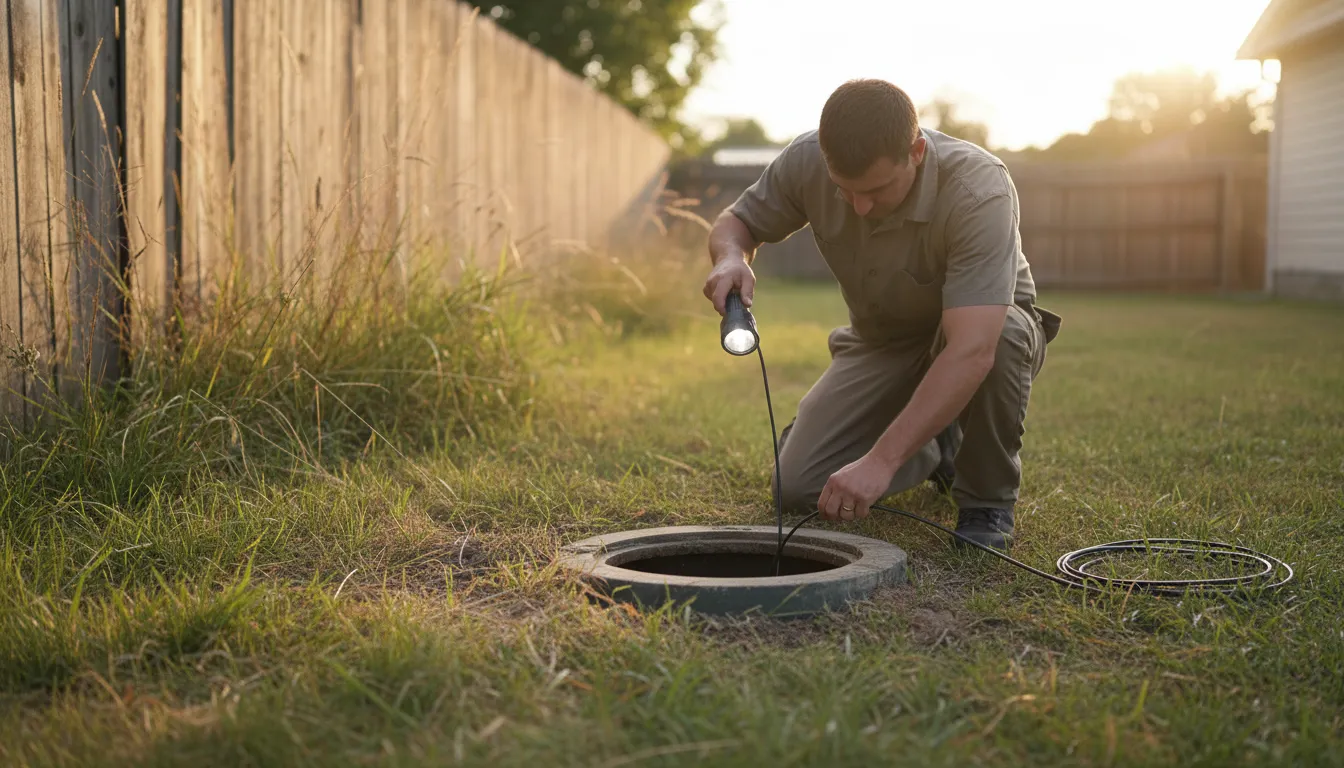
Find the Best Septic Tank Inspection Companies for Your Business
No obligation • Fast responses • Nationwide coverage

Why you can trust Septic Spot
Septic Spot is a leading United States resource for understanding and comparing septic services. Our editors review providers using consistent criteria and verify key business details. Listings and scores are independent, and companies cannot pay to influence our content.
Search providers near you
Top Septic Tank Inspection Companies in Denver, Colorado Ranked
A septic tank inspection is a critical evaluation of your onsite wastewater system's health and functionality. In Denver and surrounding counties, these assessments are not just a good idea-they're often a legal requirement for property transfers and routine maintenance. This process helps identify potential failures, environmental hazards, and costly repairs before they become emergencies. For Denver homeowners, understanding local regulations and knowing what a thorough evaluation entails is the first step in protecting your property and investment.
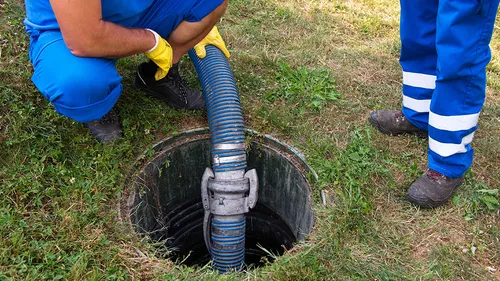
Ley Septic LLC
174 Granada Way, Pine, CO 80470
Ley Septic LLC provides septic tank pumping and inspection services in Denver, CO. They focus on routine maintenance to prevent backups, extend system lifespan, and ensure compliance with local regulations. Their process includes thorough inspections, safe pumping with advanced equipment, and detailed reporting to keep septic systems functioning properly. The company emphasizes professional handling of septic waste and offers personalized maintenance recommendations to protect homes and businesses.
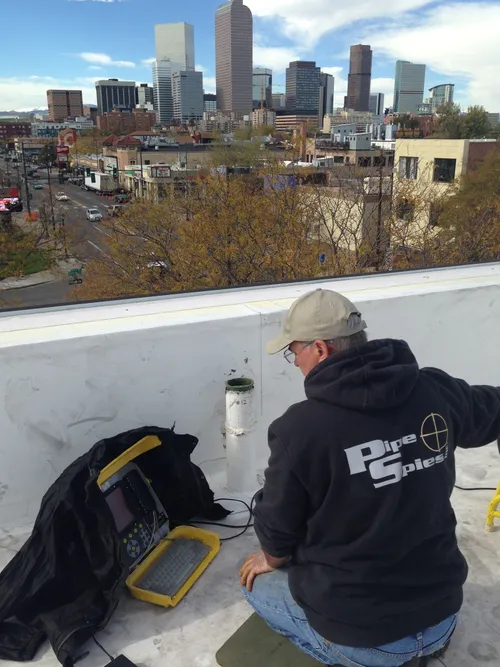
Pipe Spies, Inc.®
Aurora, CO
Pipe Spies, Inc.® is a septic tank inspection company based in Aurora, CO. They specialize in providing unbiased sewer and septic system inspections without offering repair services, ensuring no conflict of interest. Their expertise includes detailed video inspections and accurate diagnostics to identify real issues and recommend practical solutions. The company is known for offering reliable second opinions that can prevent unnecessary repairs and expenses.
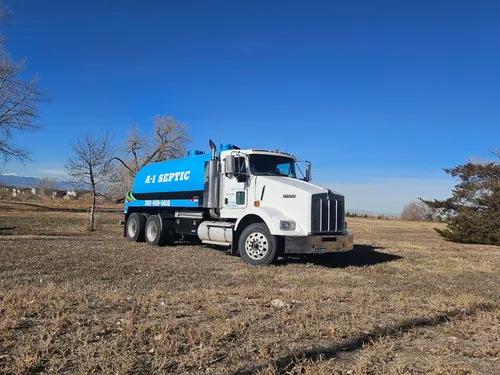
A-1 Septic Service
Denver, CO
A-1 Septic Service provides septic tank pumping and inspection services in Denver, CO. They serve both residential and commercial clients across Adams, Arapahoe, Boulder, Broomfield, and Weld counties. The company focuses on regular septic system maintenance to prevent buildup of scum and sludge, which can cause overflow or system failure if left unaddressed. This preventative approach helps protect property value and safety.
Black Diamond Pumping
14037 Co Rd 8, Fort Lupton, CO 80621
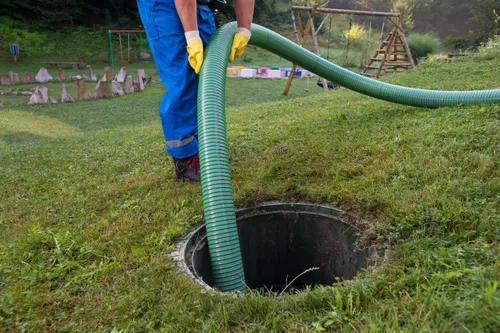
Black Diamond Pumping is a family-owned septic service company based in Fort Lupton, Colorado, serving Denver and the surrounding Northern Colorado areas including Adams, Weld, and Boulder counties. They provide a full range of septic system services such as pumping, inspections, repairs, and installations for both residential and commercial properties. With over 20 years of experience, the company is licensed and insured, equipped to handle septic tanks of all sizes, and emphasizes routine maintenance to ensure proper system function and safety.
Search Septic Sewer Service
Denver, CO
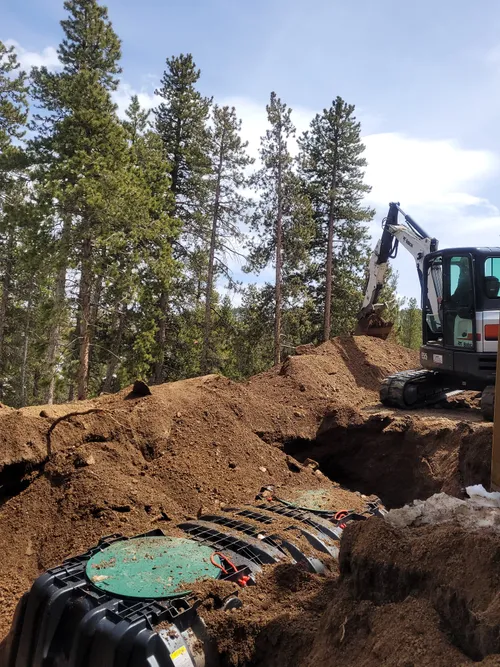
Search Septic Sewer Service is a family-owned company based near Denver, CO, specializing in septic tank inspection, repair, and installation. They serve multiple areas across Park, Jefferson, and Clear Creek counties in Colorado. The company holds NAWT certification for inspections, operation and maintenance, and septic system installation and repair, demonstrating their verified expertise in onsite wastewater services.
Why Septic System Evaluations Are Mandatory in Denver
Local health departments in the Denver metro area, including Arapahoe, Adams, and other counties under the Tri-County Health Department, enforce strict rules for onsite wastewater systems. A primary reason for this oversight is to protect public health and groundwater from contamination. Failing systems can leach untreated sewage into the environment, posing significant risks.
In most jurisdictions around Denver, septic tanks must be inspected and pumped at least every four years 1. However, the most common trigger for a septic assessment is a property transfer. Selling a home with a septic system typically requires obtaining a "Use Permit" from the local health authority. To get this permit, sellers must provide proof that a state-certified septic professional has inspected and often pumped the system within one year prior to closing 2. This rule ensures the new homeowner inherits a functioning system.
The Role of Certified Septic Inspectors
Not just any contractor can perform a valid inspection for regulatory purposes. In Colorado, inspections must be conducted by a technician certified by the National Association of Wastewater Technicians (NAWT) or approved by the local health department 3. Hiring a certified professional is crucial because:
- Their report is legally recognized for permit applications.
- They have the training to identify subtle signs of system distress.
- They understand local codes and the specific requirements for Denver-area soil and conditions.
Always verify a provider's certifications before scheduling your septic system check. The report and proof of maintenance must be submitted directly to the health authority to complete the permitting process.
What a Comprehensive Septic Inspection Involves
A proper septic tank evaluation is a multi-step process that goes far beyond just looking inside the tank. Here's what homeowners in Denver can expect when a licensed professional conducts a full assessment.
1. Locating and Gaining Access
The process begins with finding the tank and its manhole covers. If risers (access pipes to the surface) are not already installed, the inspector may need to dig to uncover the tank lids. Installing permanent risers is a recommended upgrade that saves time and money on future inspections and pumping.
2. Internal Tank Assessment
Once opened, the inspector will measure the levels of sludge (solids on the bottom) and scum (floating fats and greases). A core rule is that a tank needs pumping if the sludge and scum combined occupy more than 25% of the liquid volume 4. They will also check the tank's structural integrity for cracks, corrosion, or leaks.
3. Baffle and Component Inspection
The inlet baffle (where waste enters from the house) and outlet baffle (where liquid flows to the drain field) are critical. The inspector ensures they are intact and functioning to prevent solids from escaping into the drain field, which is a leading cause of system failure.
4. Hydraulic Load Test
To check the system's daily operation, the inspector will run water from the home (often by flushing toilets and running faucets) to verify proper flow into the tank and to observe how the system handles a surge of water5.
5. Drain Field Examination
This is arguably the most important part of the inspection. The inspector will probe the leach field area for signs of failure. Red flags include:
- Surfacing sewage or effluent
- Spongy, soggy soil or ponding water
- Unusually lush, green vegetation over the field
- Foul odors emanating from the yard
A failing drain field is the most serious and expensive septic problem to fix, making its evaluation essential 6.
Find the perfect septic tank inspection companies for your needs
Get personalized recommendations and expert advice
Understanding Inspection Costs in the Denver Area
The price for a septic system inspection can vary based on the scope of work and your system's characteristics. It's important to get detailed quotes from certified providers.
- Basic Inspection: A visual and operational check typically ranges from $300 to $5007.
- Inspection with Pumping: Most property transfers require both. This combined service generally costs between $400 and $900+ in the Denver region8 9 10. The final price depends on tank size, accessibility, and system complexity.
- Additional Fees: You may incur extra charges for locating a buried tank, digging to access lids, or installing risers for future access.
While cost is a factor, the value lies in the inspector's certification and thoroughness. A cheap, uncertified inspection might not satisfy health department requirements and could miss critical issues.
Maintaining Your System Between Inspections
To extend the life of your septic system and avoid surprises during your mandatory four-year inspection, follow these best practices:
- Pump Regularly: Even with a 4-year inspection rule, some systems may need pumping more frequently based on household size and usage.
- Conserve Water: Fix leaks and spread out laundry loads to avoid hydraulically overloading the system.
- Mind What You Flush: Only human waste and toilet paper should go down the drain. Avoid chemicals, grease, wipes (even "flushable" ones), and feminine hygiene products.
- Protect the Drain Field: Never drive or park heavy vehicles over it, and keep rainwater drainage systems directed away from the field.
The Consequences of Skipping an Inspection
Neglecting a required septic system evaluation, especially during a property sale, can halt transactions and lead to legal complications. From a practical standpoint, an undetected problem like a failing drain field can result in:
- Raw sewage backing up into your home.
- Contamination of your yard and potentially local waterways.
- Emergency repair bills that can reach tens of thousands of dollars for a full system replacement.
An inspection is a small investment that provides peace of mind and financial protection.
Frequently asked questions
Sources
Footnotes
-
Septic Systems - Arapahoe County - https://www.arapahoeco.gov/your_county/county_departments/public_health_department/health_protection___response/environmental_health/water/septic_systems/index.php ↩
-
Septic Tanks Requirements for Property Sales - https://www.coinspection.com/colorado-inspection-services/maintenance-resources/septic-systems/septic-tanks-requirements-for-property-sales/ ↩
-
Colorado Septic Tank Requirements | On-site Wastewater Treatment ... - https://www.ntotank.com/blog/colorado-septic-tank-requirements ↩
-
What to Expect from a Septic Inspection - https://www.wrenvironmental.com/blog/2023/may/what-to-expect-from-a-septic-inspection/ ↩
-
Understanding Septic Tank Inspections: A Complete Homeowner's ... - https://septic-masters.com/septic-tank-inspection-homeowner-guide/ ↩
-
Septic Inspection Process: What Homeowners Should Know | LunsPro - https://www.lunspro.com/vlog/the-septic-system-inspection-process-what-homeowners-should-know ↩
-
The Importance of Septic Inspections for Homeowners - Advantage NC Home Inspection - https://advantagenc.com/the-importance-of-septic-inspections-for-homeowners/ ↩
-
Use Permits & Inspections - https://www.cosepticmr.com/post/use-permits-inspections ↩
-
Septic Systems | Adams County Health Department - https://adamscountyhealthdepartment.org/licensing-inspections/septic-systems/ ↩
-
Realtors Guide to Septic Inspections in Southern Colorado - https://saveurseptic.com/wp-content/uploads/2025/02/Realtors-Guide-to-Septic-Inspections-Final.pdf ↩