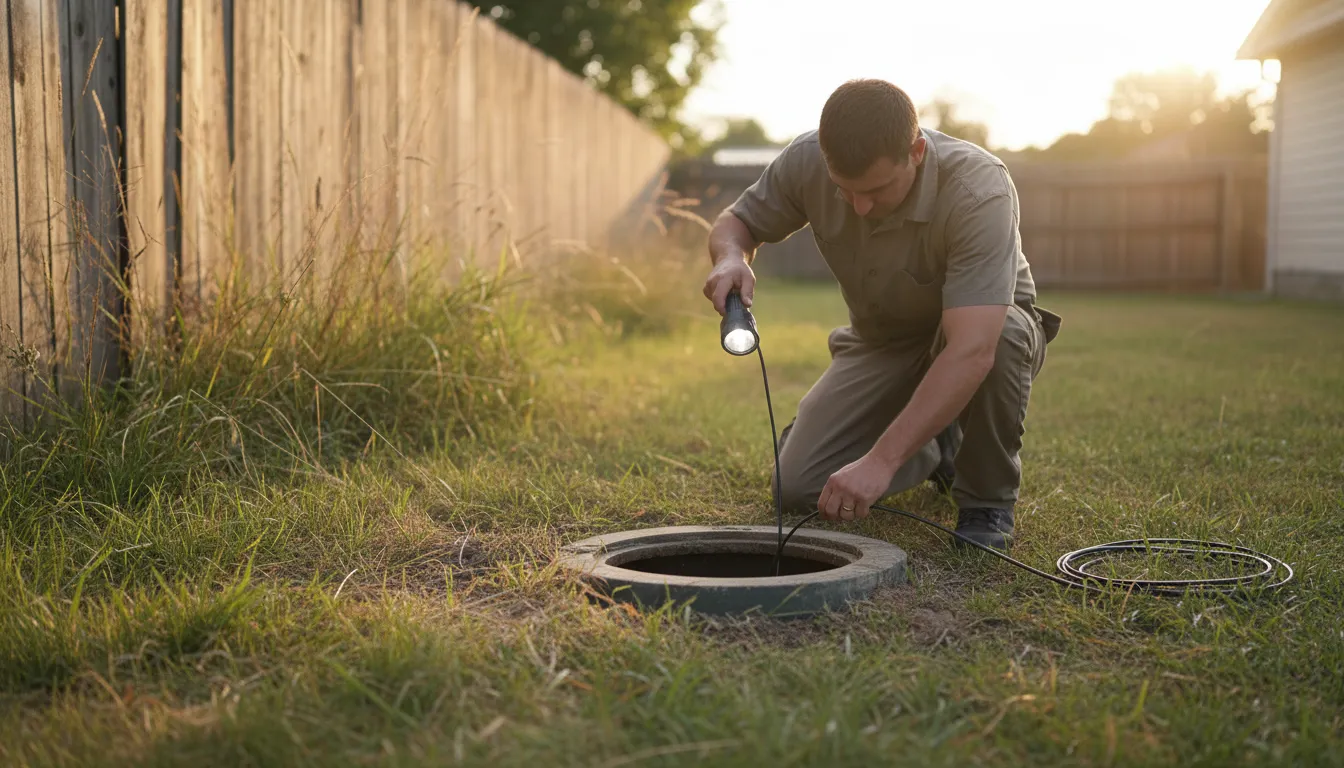
Find the Best Septic Tank Inspection Companies for Your Business
No obligation • Fast responses • Nationwide coverage

Why you can trust Septic Spot
Septic Spot is a leading United States resource for understanding and comparing septic services. Our editors review providers using consistent criteria and verify key business details. Listings and scores are independent, and companies cannot pay to influence our content.
Search providers near you
Top Septic Tank Inspection Companies in Aurora, Colorado Ranked
A septic tank inspection is a critical evaluation of your home's private wastewater system, ensuring it is functioning safely and in compliance with local health codes. For Aurora homeowners, these assessments are not just about maintenance-they are often a legal requirement for property sales and routine compliance. This guide explains the local regulations, what happens during a professional evaluation, and how you can find qualified inspectors to protect your property and investment.
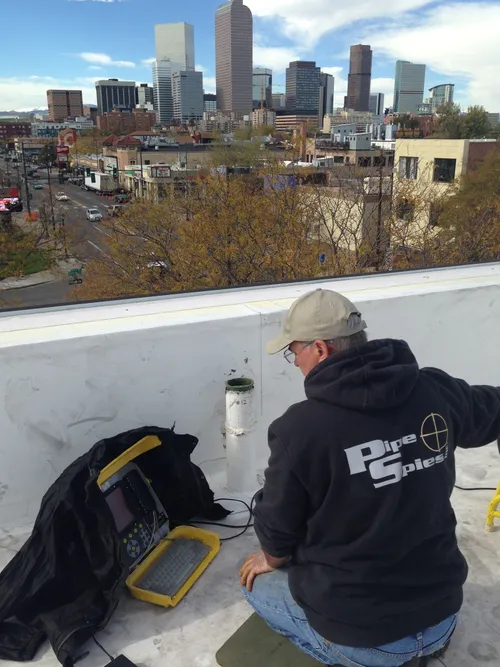
Pipe Spies, Inc.®
Aurora, CO
Pipe Spies, Inc.® is a septic tank inspection company based in Aurora, CO. They specialize in providing unbiased sewer and septic system inspections without offering repair services, ensuring no conflict of interest. Their expertise includes detailed video inspections and accurate diagnostics to identify real issues and recommend practical solutions. The company is known for offering reliable second opinions that can prevent unnecessary repairs and expenses.
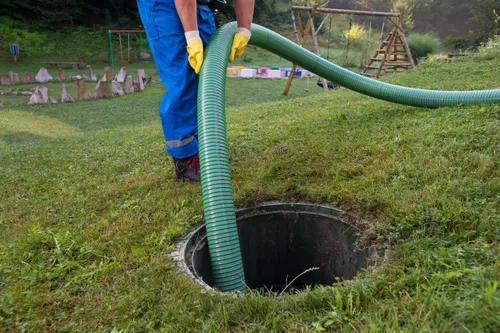
Black Diamond Pumping
14037 Co Rd 8, Fort Lupton, CO 80621
Black Diamond Pumping is a family-owned septic service company based in Fort Lupton, Colorado, serving Denver and the surrounding Northern Colorado areas including Adams, Weld, and Boulder counties. They provide a full range of septic system services such as pumping, inspections, repairs, and installations for both residential and commercial properties. With over 20 years of experience, the company is licensed and insured, equipped to handle septic tanks of all sizes, and emphasizes routine maintenance to ensure proper system function and safety.
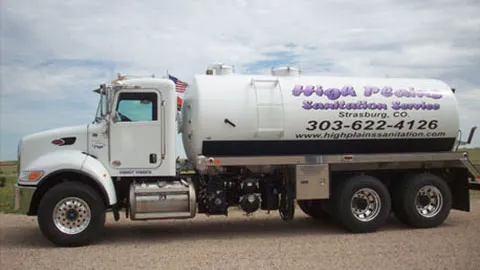
High Plains Sanitation Service
Denver, CO
High Plains Sanitation Service is a family-owned septic company based in Denver, CO, serving the I-70 Corridor and surrounding areas. They specialize in septic tank pumping, cleaning, inspections, and minor septic system repairs, with additional electrical support for septic systems. The company has been serving the local community for over 65 years and is NAWT certified, ensuring professional and knowledgeable service.

Urgent Septic Services
Fort Collins, CO
Urgent Septic Services is a family-owned business offering septic tank pumping, inspection, and installation in Fort Collins, CO. With over a decade of experience serving Greeley and surrounding areas, they provide comprehensive septic solutions for both residential and commercial properties. Their skilled team handles everything from routine maintenance to emergency septic services, ensuring systems function properly and efficiently.
Absolute Diversified Services, LLC
Centennial, CO
Absolute Diversified Services, LLC is a family-owned septic solutions company serving Centennial, CO, and surrounding counties since 2012. They offer a full range of septic services including pumping, inspections, system installation, repairs, and excavation. Their expertise covers septic tank replacements, leach field repairs, and sewer line work, ensuring systems meet local codes and regulations. With nearly two decades of experience in excavation and septic systems, they also provide land clearing and concrete removal services. The company serves Douglas, Arapahoe, Adams, and Elbert counties, including nearby communities such as Castle Rock and Aurora.
Understanding Local Septic System Regulations
In Aurora, septic system oversight is shared between the city and county health departments. Your specific requirements depend on which county your property is located in-Adams, Arapahoe, or Douglas. These counties generally follow guidelines aligned with the former Tri-County Health Department and enforce Colorado Department of Public Health and Environment (CDPHE) Regulation 43.
The two most common triggers for a mandatory system evaluation are property transfer and routine compliance.
- Property Sales: Before selling a home with a septic system, you typically need a "Use Permit" or "Certificate of Compliance" from the local health department. This requires a recent inspection and often a pumping, performed by a state-certified professional, usually within the last year.
- Routine Compliance: Colorado law mandates that septic systems be inspected at least once every four years by a licensed professional 1. This regular check-up helps prevent environmental contamination and costly system failures.
For new installations or major repairs, you must obtain a permit through the City of Aurora's building department or your respective county health department 2. It's always wise to check current building codes with your local authority for the most up-to-date information 2.
The Role of a Certified Septic Inspector
Not just any contractor can perform a legally valid septic system evaluation. All inspections must be conducted by a licensed septic cleaner or inspector certified by the state of Colorado. These professionals are trained to assess system components against state and local standards and can file the official paperwork required by health departments.
Hiring a certified expert ensures the inspection will be recognized for permit applications and real estate transactions. They provide a detailed report that can identify minor issues before they become major, expensive repairs, offering peace of mind whether you're buying, selling, or maintaining your home.
What a Comprehensive Septic Inspection Includes
A standard certified septic system evaluation in Colorado is a thorough process designed to assess the health of every component. Here's what you can expect a professional to do:
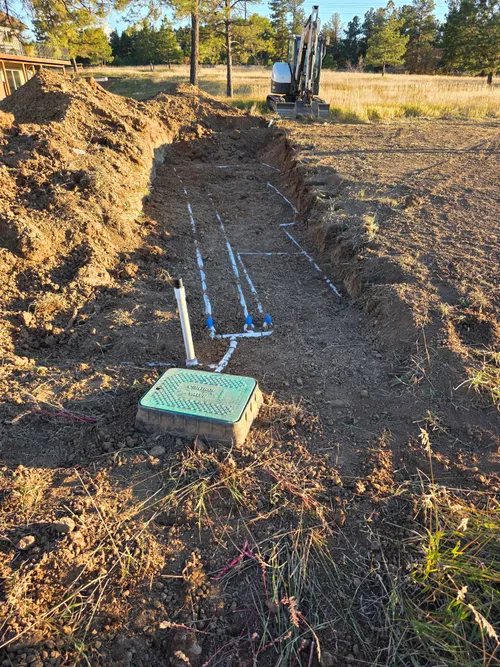
- Locate and Expose the System: The inspector will find and diagram your septic tank and drainfield (leach field). They will then excavate to uncover the tank's access lids.
- Evaluate Tank Contents: This is a core part of the inspection. The inspector measures the levels of scum (floating layer) and sludge (settled solids) inside the tank. If the combined depth exceeds about 25% of the tank's liquid volume, pumping is usually recommended to maintain proper function 3 4 5.
- Inspect Tank Structure and Baffles: The condition of the concrete, fiberglass, or plastic tank is checked for cracks or leaks. The inlet and outlet baffles-crucial for preventing solids from entering the drainfield-are inspected to ensure they are intact and securely attached 6.
- Assess the Drainfield: The inspector examines the leach field area for signs of failure, which are serious red flags. These include:
- Standing water or soggy soil (ponding)
- Unusually lush or green grass over the field
- Sewage odors emanating from the area 7
- Conduct Operational Tests: Water is run through the household plumbing to verify proper flow from the house to the tank and from the tank to the drainfield. This "load test" helps identify blockages or hydraulic failures.
- Inspect Pumps and Electrical Components: If your system includes a pump to move effluent to the drainfield, the inspector will test the pump, its float switches, alarm, and all electrical connections for proper operation.
- Provide Reporting: Following the assessment, the inspector will provide a detailed report of their findings. For compliance or property transfer inspections, they will submit this report directly to the local health department to facilitate the issuance of your Use Permit 8.
Find the perfect septic tank inspection companies for your needs
Get personalized recommendations and expert advice
Costs Associated with Septic Inspections in Aurora
Understanding the potential costs helps in budgeting for this essential service. Prices can vary based on the company, tank size, and system complexity.
- Septic Inspection Only: A standard evaluation typically ranges from $150 to $350 9.
- Septic Pumping: If the inspection reveals the tank needs to be pumped, this service usually costs an additional $200 to $400, depending on tank size 10.
- Combined Inspection and Pumping: Many companies offer a package deal, especially for property transfers where pumping is often required. A combined service frequently falls in the range of $400 to $600 or more 11.
- Health Department Fees: Be aware that the local health department charges a separate filing fee to process the inspection report and issue a Certificate of Compliance or Use Permit. This fee is often around $75 or more and is usually in addition to the inspector's charges 12.
Maintaining Your System Between Inspections
While professional evaluations are mandatory, proactive maintenance between inspections extends your system's life. Avoid flushing non-biodegradable items (wipes, feminine products, grease) and limit the use of harsh chemicals. Be mindful of water usage and avoid parking or building over your drainfield. Knowing the location of your tank and drainfield and keeping a record of all inspections and pumpings is highly recommended for any homeowner.
Frequently asked questions
Sources
Footnotes
-
Colorado Septic Tank Requirements | On-site Wastewater Treatment ... - https://www.ntotank.com/blog/colorado-septic-tank-requirements ↩
-
Septic Tank Permits and Codes in Aurora, CO - https://crushexcavation.com/septic-tank-permits/ ↩ ↩2
-
Realtors Guide to Septic Inspections in Southern Colorado - https://saveurseptic.com/wp-content/uploads/2025/02/Realtors-Guide-to-Septic-Inspections-Final.pdf ↩
-
Septic System FAQs - Douglas County - https://www.douglas.co.us/health-department/septic-system-faqs/ ↩
-
Septic Pumping & Inspections - https://douglascountyseptic.com/douglas-county-septic-systems/septic-pumping/ ↩
-
What to Expect from a Septic Inspection - https://www.wrenvironmental.com/blog/2023/may/what-to-expect-from-a-septic-inspection/ ↩
-
Septic Inspection Process: What Homeowners Should Know | LunsPro - https://www.lunspro.com/vlog/the-septic-system-inspection-process-what-homeowners-should-know ↩
-
Use Permits & Inspections - https://www.cosepticmr.com/post/use-permits-inspections ↩
-
Understanding the Price of Septic Tank Inspections - https://www.theflushfellas.com/understanding-the-price-of-septic-tank-inspections ↩
-
$$$ Cost of Septic Tank Pumping 2024 - https://www.youtube.com/shorts/wfQzvbPYZ9M ↩
-
2026 Guide to Septic Inspection in Georgia - https://dandhsepticservices.com/septic-inspection-in-georgia/ ↩
-
Septic Tanks Requirements for Property Sales - https://www.coinspection.com/colorado-inspection-services/maintenance-resources/septic-systems/septic-tanks-requirements-for-property-sales/ ↩