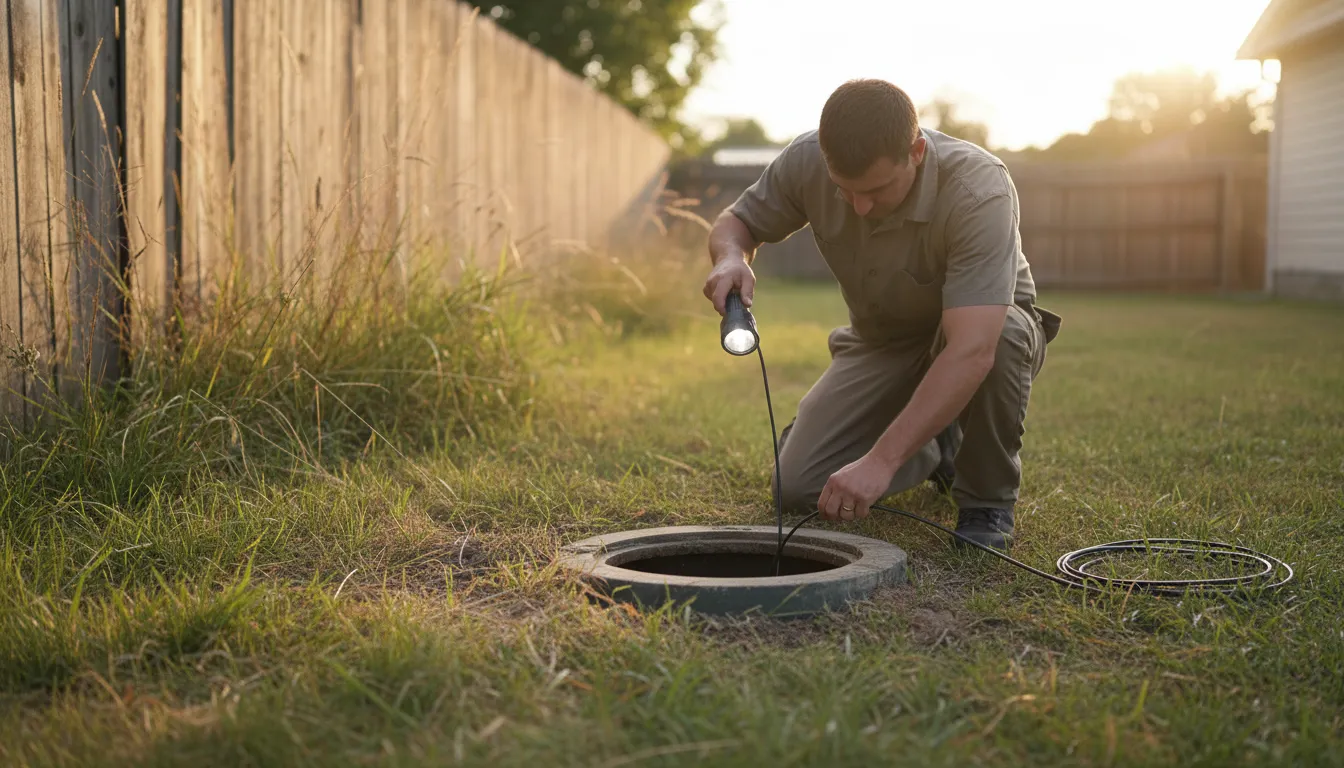
Find the Best Septic Tank Inspection Companies for Your Business
No obligation • Fast responses • Nationwide coverage

Why you can trust Septic Spot
Septic Spot is a leading United States resource for understanding and comparing septic services. Our editors review providers using consistent criteria and verify key business details. Listings and scores are independent, and companies cannot pay to influence our content.
Search providers near you
Top Septic Tank Inspection Companies in Colorado Springs, Colorado Ranked
A septic tank inspection is a critical evaluation of your home's on-site wastewater treatment system to ensure it is functioning safely and in compliance with local health codes. For homeowners in Colorado Springs and El Paso County, these assessments are not just a good idea-they are often a legal requirement, especially when selling your property. Understanding the process and local regulations helps protect your investment, your health, and the environment. This guide provides the information needed to find qualified local professionals for your system evaluation and maintenance.
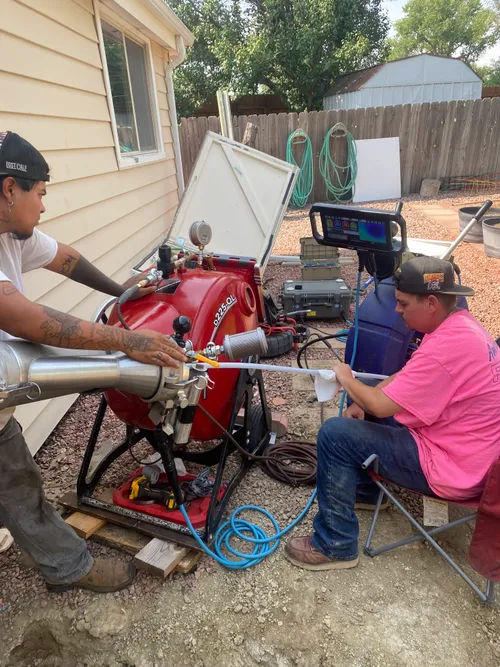
Dan's Drains and Digs
216 S Chestnut St, Colorado Springs, CO 80905
Dan's Drains and Digs is a septic tank inspection, repair, and installation company based in Colorado Springs, CO. They provide a range of underground plumbing services including drain and sewer cleaning, underground line replacement and repairs, video camera inspection, and septic system installation. One of their notable capabilities is sewer pipe lining, which they have successfully applied to complex projects involving old clay sewer lines. The business is known for handling both routine and major underground plumbing issues efficiently.
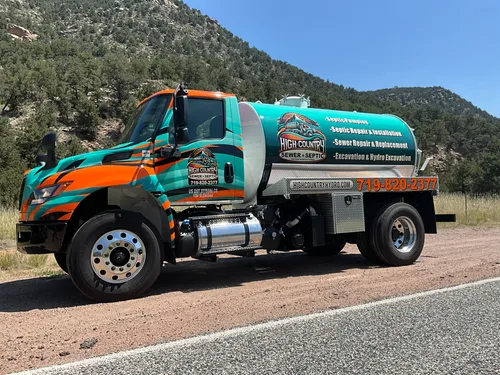
High Country Sewer & Septic
1895 Main St, Colorado Springs, CO 80911
High Country Sewer & Septic is a family-owned business serving Colorado Springs, CO, and the surrounding Front Range area. They offer comprehensive septic services including tank pumping, inspections, installations, repairs, and drain field restoration. The company manages all aspects of septic system care, from permits and inspections to excavation and settling checks, ensuring a streamlined process without the need for multiple contractors. With over 14 years of experience, they understand the unique challenges posed by local soil and elevation conditions. Their work is backed by five-year warranties and $2 million in insurance coverage. Same-day estimates and owner involvement on every project provide added assurance. They also offer after-hours communication to support emergency needs.
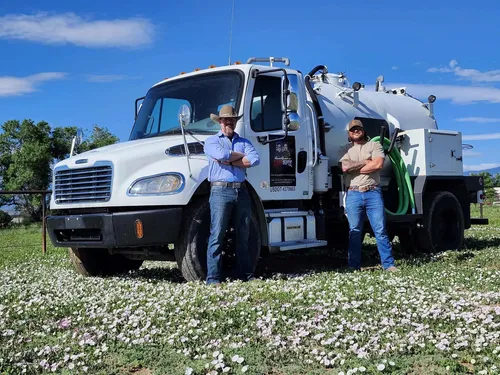
Super Septic Brothers LLC
Colorado Springs, CO
Super Septic Brothers LLC is a family and veteran-owned business based in Colorado Springs, CO. They provide septic tank pumping, certified inspections, portable toilet rentals, and specialized black water tank pumping for RVs. The company also offers potable water delivery across Southern Colorado, including Pueblo West, Fremont County, and Teller County. Licensed and insured, Super Septic Brothers serves residential, agricultural, and commercial clients with a focus on affordability and integrity. They provide 24/7 emergency service and have a background in military and law enforcement.
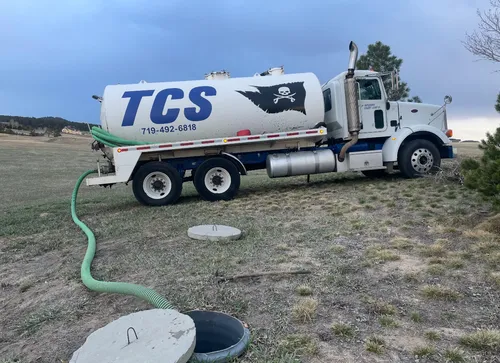
TCS Septic
1301 S 8th St, Colorado Springs, CO 80905
TCS Septic is a septic tank pumping, inspection, repair, and installation company based in Colorado Springs, CO. They provide services for both residential and commercial clients, including septic system design and installation tailored to urban or rural settings. TCS Septic also handles septic and sewer system repairs and inspections, working with local contractors and government agencies to ensure compliance and efficiency. Their capabilities include septic system design and maintenance to prevent emergencies.
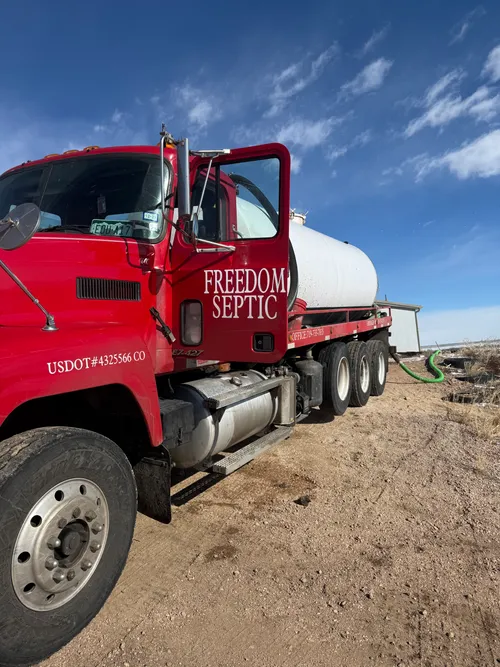
Freedom Septic Service LLC
Colorado Springs, CO
Freedom Septic Service LLC provides septic tank pumping, inspection, and grease trap maintenance services in Colorado Springs, CO. They offer NAWT-certified transfer title inspections and emergency services, focusing on thorough septic and grease trap care to prevent costly repairs and environmental contamination. Their expertise includes routine septic system pumping and inspections to extend system life and maintain efficiency. The company emphasizes compliance with local regulations and environmental protection through regular maintenance and certified inspections.
Why Septic System Inspections Are Essential in El Paso County
Your septic system is an out-of-sight, but vital, component of your home's infrastructure. A failing system can lead to costly repairs, environmental contamination, and serious health hazards. In Colorado Springs, the rocky soil and variable climate place unique demands on wastewater systems, making regular professional check-ups crucial. Beyond routine maintenance, El Paso County Public Health (EPCPH) mandates a specific inspection and the issuance of a Use Permit during any property transfer 1. This legal requirement ensures the system is operational and protects both the buyer and seller.
Regular septic evaluations, recommended every 3-4 years, help you avoid emergencies. They identify issues like sludge buildup, component failure, or drain field problems early, when they are less expensive to address 2. Keeping your system in good working order also safeguards local groundwater from contamination, which is a shared responsibility for all residents in the Pikes Peak region.
Local Regulations: What Colorado Springs Homeowners Must Know
Septic system governance in El Paso County falls under Colorado's regulations for On-site Wastewater Treatment Systems (OWTS), administered locally by EPCPH. Compliance is not optional, and understanding a few key rules is the first step:
- Property Transfer (Use Permit): Selling a home with a septic system requires submitting a Use Permit to the County Health Department. This permit is based on a passing inspection conducted by a certified professional.
- Inspection Frequency: For ongoing maintenance, even outside of a sale, systems should be inspected approximately every three years, though the specific interval can depend on household size and tank capacity 3.
- Inspector Certification: Inspections must be performed by a professional certified by El Paso County or holding certification from a recognized organization like the National Association of Wastewater Technicians (NAWT) 4 5. Always verify a provider's credentials before hiring.
Navigating these regulations can seem complex, but a certified local inspector will be well-versed in all county and state requirements, guiding you through the necessary paperwork and standards.
The Step-by-Step Septic Inspection Process
A comprehensive septic system assessment is methodical. Knowing what to expect can prepare you for the service visit. Here's a breakdown of a typical professional inspection:
- Initial Assessment & Documentation: The inspector will review any available "as-built" system designs and walk the property. They look for visual clues of failure over the tank and leach (drain) field, such as soggy soil, unusually lush grass, or unpleasant odors.
- Accessing the Tank: The inspector locates and uncovers the tank's manhole. This step can sometimes involve digging if access ports are buried.
- Internal Inspection & Sludge Measurement: This is the core of the inspection. The inspector measures the levels of sludge (solids) and scum in the tank. If the sludge layer is too high, pumping is immediately recommended to prevent system failure 6 7. They also check the tank's structural integrity for cracks or leaks and examine inlet/outlet baffles.
- Hydraulic (Flow) Test: Water is run through the household plumbing to verify wastewater flows correctly from the house to the tank and, crucially, from the tank out into the drain field without backing up.
- Drain Field Evaluation: While a full excavation isn't done, the inspector assesses the soil treatment area for signs of failure, like standing water or effluent surfacing, which indicate a serious problem.
- Reporting: Finally, you receive a detailed written report on the system's condition, its compliance with local codes, and any recommended actions, such as pumping or repairs 8.
Find the perfect septic tank inspection companies for your needs
Get personalized recommendations and expert advice
Understanding Costs for Inspection and Pumping
The cost of septic services in Colorado Springs depends primarily on your tank's size and how easily it can be accessed. A tank buried deep under hard soil or landscaping will cost more to service than one with readily available risers. Based on local market data, you can expect the following general price ranges 9:
- Basic Inspection: A standalone inspection typically costs between $300 and $600.
- Pumping/Cleaning: Pumping the tank usually runs an additional $300 to $600+, depending on tank size (e.g., 1,000-gallon vs. 1,500-gallon).
- Combined Service: Most homeowners opt for a combined inspection and pumping, which often ranges from $500 to $900+ for a standard residential system.
It's important to note that these are baseline costs. If the inspection reveals necessary repairs-such as fixing a broken baffle, repairing a cracked tank, or addressing drain field issues-the total cost will increase significantly. Always request a detailed, upfront estimate before work begins.
What Happens If Your System Fails Inspection?
A failing inspection report can be stressful, but it's a vital warning sign. Common reasons for failure include excessive sludge requiring immediate pumping, hydraulic failure (wastewater not flowing to the drain field), a compromised tank, or a saturated drain field 10.
If your system fails, especially during a property transfer, you must contact a licensed septic professional to perform the necessary repairs to bring the system into compliance. The county will not issue a Use Permit until the system passes re-inspection. For non-sale situations, addressing failures promptly prevents more extensive environmental damage and even costlier emergency repairs down the line 11 12.
Pro Tip: Maintain a file with all records of inspections, pumping, and repairs. This documentation is invaluable for proving compliance, informing future maintenance, and simplifying the home-selling process 13.
Choosing a Qualified Service Provider in Colorado Springs
Selecting the right professional is paramount. Look for companies that emphasize local certification and have extensive experience with El Paso County's specific soil conditions and regulations. A reputable provider will:
- Clearly state their certification (EPCPH or NAWT).
- Offer transparent, written estimates.
- Explain the inspection process thoroughly.
- Provide a detailed, written report with photos.
- Have positive reviews from local homeowners.
Don't base your decision on price alone. The quality and thoroughness of the inspection can save you thousands of dollars by accurately diagnosing problems early. A proper evaluation provides peace of mind that your home's wastewater system is safe, functional, and compliant.
Frequently asked questions
Sources
Footnotes
-
Homeowner Resources - https://www.cpow.net/resources/homeowner-resources/ ↩
-
Colorado Septic Tank Requirements | On-site Wastewater Treatment ... - https://www.ntotank.com/blog/colorado-septic-tank-requirements ↩
-
Onsite Wastewater Treatment System - https://nchd.org/onsite-wastewater-treatment-system/ ↩
-
Realtors Guide to Septic Inspections in Southern Colorado - https://saveurseptic.com/wp-content/uploads/2025/02/Realtors-Guide-to-Septic-Inspections-Final.pdf ↩
-
What to Know About Septic Inspections when Selling a Home in El Paso County, Colorado - - https://uneeksepticservices.com/what-to-know-about-septic-inspections-when-selling-a-home-in-el-paso-county-colorado/ ↩
-
What to Expect from a Septic Inspection - https://www.wrenvironmental.com/blog/2023/may/what-to-expect-from-a-septic-inspection/ ↩
-
Frequent Questions on Septic Systems | US EPA - https://www.epa.gov/septic/frequent-questions-septic-systems ↩
-
Understanding Septic Tank Inspections: A Complete Homeowner's ... - https://septic-masters.com/septic-tank-inspection-homeowner-guide/ ↩
-
Septic Tank Services - Colorado Springs, CO | Alphalete - https://alphaleteplumbing.com/septic-tank/ ↩
-
On-Site Wastewater Treatment System Frequently Asked Questions | Pueblo County - https://county.pueblo.org/public-health/owts-faqs ↩
-
Use Permits & Inspections - Colorado Septic Maintenance & Repair - https://www.cosepticmr.com/post/use-permits-inspections ↩
-
A Complete Guide to Septic System Inspections | GAI Inc - https://www.guardianangelinspections.com/complete-guide-septic-system-inspection ↩
-
Navigating New Regulations: Septic System Compliance in Colorado - https://www.urgentservicesllc.com/navigating-new-regulations-septic-system-compliance-in-colorado ↩