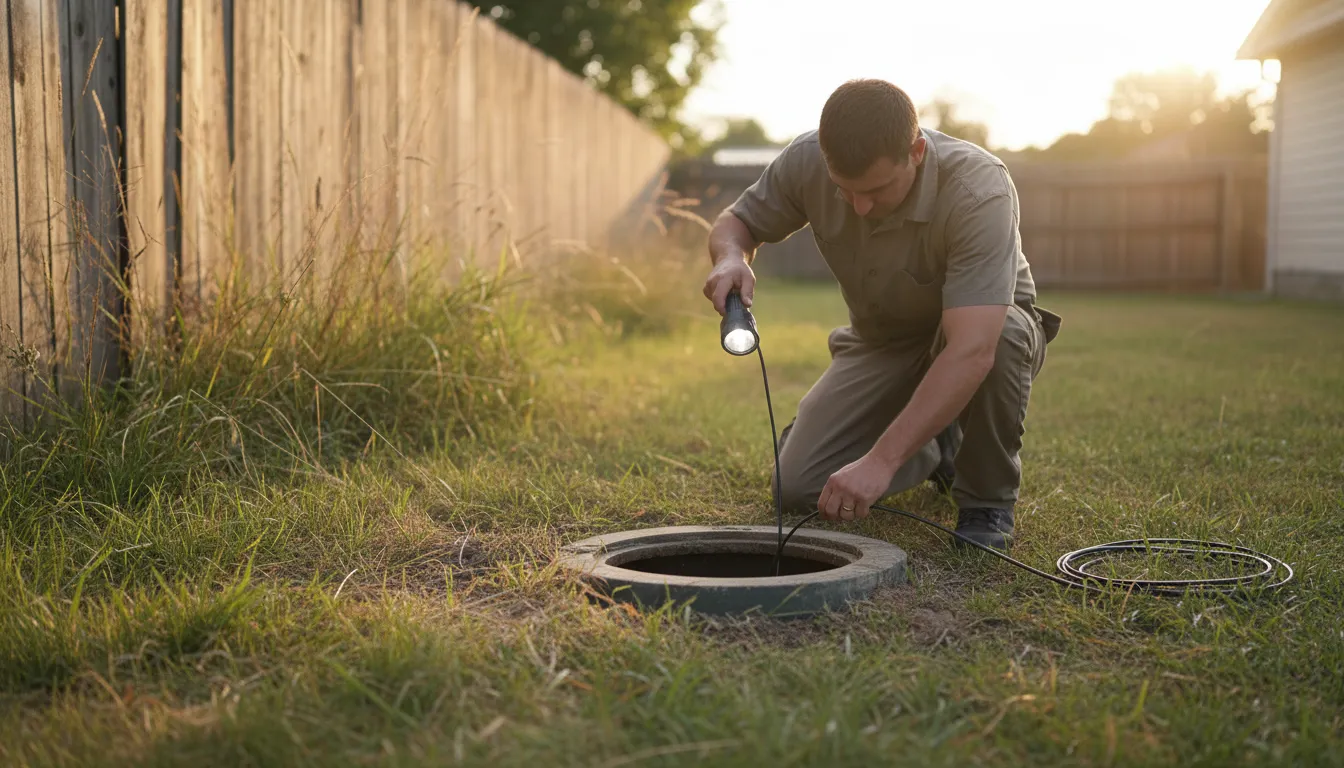
Find the Best Septic Tank Inspection Companies for Your Business
No obligation • Fast responses • Nationwide coverage

Why you can trust Septic Spot
Septic Spot is a leading United States resource for understanding and comparing septic services. Our editors review providers using consistent criteria and verify key business details. Listings and scores are independent, and companies cannot pay to influence our content.
Search providers near you
Top Septic Tank Inspection Companies in Bristol, Connecticut Ranked
A septic tank inspection is a critical evaluation of your home's private wastewater treatment system. This process ensures the system is functioning properly, protects your property value, and safeguards public health and the local environment. For Bristol homeowners, these evaluations are often required during real estate transactions or property expansions. This guide helps you understand the local requirements, what a thorough inspection entails, and how to find qualified professionals to assess your system.
Septicology
47 Plantation Rd Unit D, Broad Brook, CT 06016
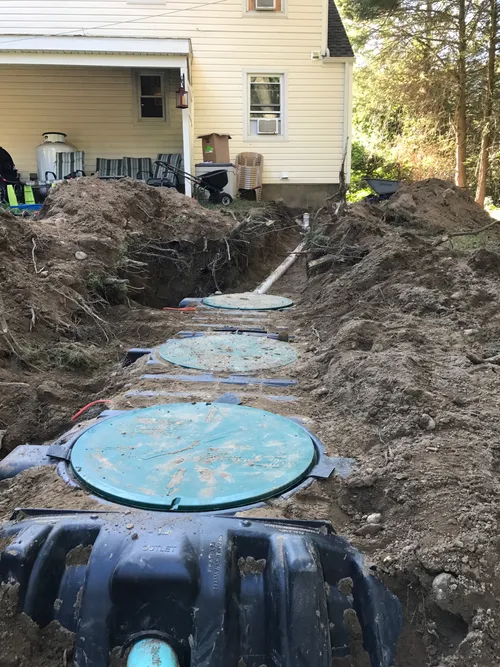
Septicology is a family-owned septic company serving Hartford, CT, and all towns across Connecticut. Since 2017, they have provided septic system inspections, repairs, installations, and pumping services throughout the state. Their inspection reports include detailed analyses, color photos, and system location drawings, offering clear insights into septic system conditions. Septicology emphasizes flexible scheduling to accommodate customer needs and maintains open communication throughout the service process.

Skips Wastewater Services
21 Courtney Dr, Ellington, CT 06029
Skips Wastewater Services provides septic tank pumping, inspection, repair, and installation services in Hartford, CT. They serve residential and commercial clients across multiple counties in Connecticut, including Hartford, Middlesex, New London, Tolland, Windham, and New Haven. The company operates with a large fleet of pump trucks and uses advanced technology to handle septic emergencies and routine maintenance efficiently. With over 60 years of experience, Skips Wastewater Services offers 24/7 emergency support to address issues like sewage backups and slow drains promptly.
The Christopher Bryant Co. LLC
126 W Dudley Town Rd, Bloomfield, CT 06002
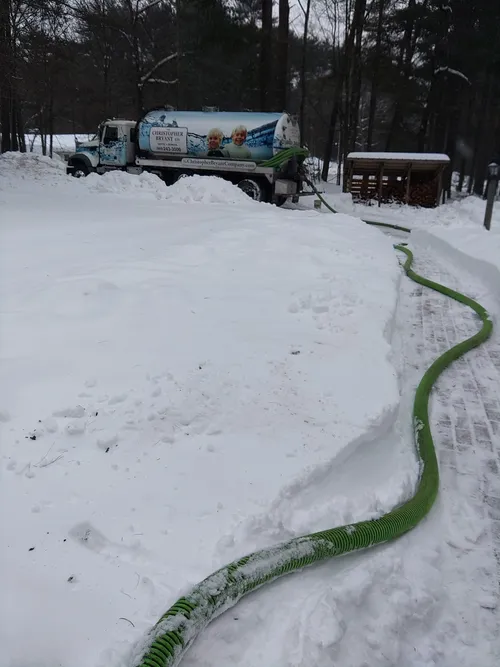
The Christopher Bryant Co. LLC is a family-owned septic service provider based in Hartford, CT, serving Hartford County and surrounding communities since 1995. They offer a full range of septic system services including pumping, inspection, repair, and installation. The company is known for its hands-on ownership and expertise in septic riser installation, which facilitates easier maintenance and inspection. With over 30 years in business, they provide 24/7 emergency service and same-day service options to address urgent septic needs.
Team Sewer and Water
36 Zoar Ave, Oakville, CT 06779
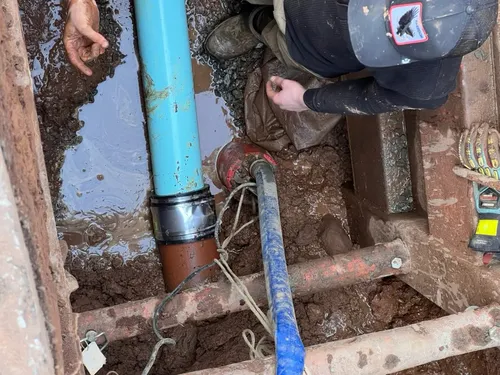
Team Sewer and Water is a septic tank pumping, inspection, repair, and installation company based in Waterbury, CT. They serve residential and commercial clients in Waterbury and surrounding areas, offering comprehensive water, sewer, and septic system services. With over 14 years of experience, their skilled technicians use the latest techniques and equipment to deliver durable results. They also handle sewer line repairs and water main replacements, ensuring compliance with local regulations.
Unlimited Excavation and Construction Orange
604 Wingfoot Rd, Orange, CT 06477
Unlimited Excavation and Construction Orange is a family-owned company based in Bridgeport, CT, specializing in septic tank inspection, repair, and installation. They provide comprehensive sewer and septic services including line inspection, excavation, clog removal, and drain cleaning. The company uses camera inspections to diagnose issues and offers sewer line excavation when necessary to address blockages or damage. With over 30 years of experience in the industry, Unlimited Excavation and Construction serves residential and commercial clients in the Bridgeport area, focusing on safe and efficient sewer and septic system solutions.
Understanding Local Septic System Regulations
In Bristol, septic system oversight falls under the jurisdiction of the Bristol-Burlington Health District (BBHD), which enforces the Connecticut Public Health Code 1 2. Most residential systems are managed locally, provided their design flow is 7,500 gallons per day or less 3. A key regulatory document is the "Permit to Discharge," which certifies that a system is operating correctly and is legally required before a property can be occupied or transferred 1 4.
Common triggers for a mandatory system inspection include:
- Home Sales: To obtain the necessary Permit to Discharge for a property transfer.
- Building Expansions: Adding square footage that increases occupancy.
- Increased Flow: Any change in property use that raises wastewater flow by more than 50% 5.
Connecticut also sets specific standards for system components. For instance, a residential septic tank must have a minimum capacity of 1,000 gallons for a one-to-three bedroom home, with an additional 125 gallons required for each extra bedroom 6. Placement is also regulated; tanks must be at least 10 feet from a building foundation and generally 75 feet from private drinking water wells 7.
What a Comprehensive Septic Inspection Involves
A professional septic system evaluation is a detailed process that goes far beyond a simple look. It's a systematic check of the entire wastewater treatment chain, from the house to the soil. Here's a step-by-step breakdown of what a thorough inspection in Bristol typically includes 8 9:
- Locating the System: The inspector will first find the tank and distribution box, often using probing rods or electronic locating equipment if records are unclear.
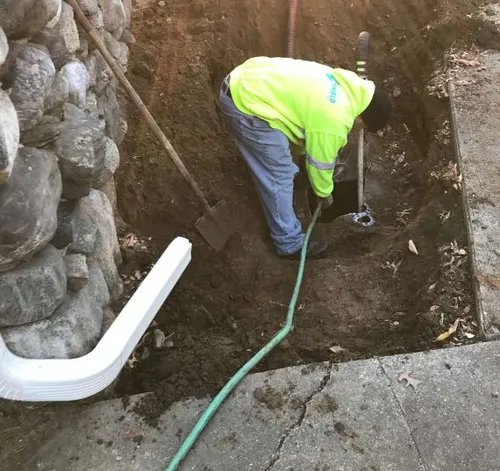
- Uncovering Access Ports: The soil over the tank's manhole and inspection ports is carefully excavated to allow for internal examination.
- Measuring Tank Contents: This is a crucial step. The inspector measures the depth of the scum layer (floating solids) and the sludge layer (settled solids). A system may need pumping if the scum is too thick or if sludge is within 12 inches of the outlet baffle 10 11.
- Pumping the Tank: For a proper inspection, the tank is usually pumped out. This allows the inspector to check the tank's interior walls, floor, and baffles for cracks, corrosion, or structural damage.
- Inspecting Components: The inlet and outlet baffles or tees are checked to ensure they are intact and functioning, preventing solids from escaping into the drainfield. The effluent filter (if present) is cleaned or noted for replacement.
- Evaluating the Leach Field: The inspector examines the soil absorption area (leach field) for signs of failure, such as soggy ground, surfacing sewage, or unusually lush vegetation.
- Providing a Detailed Report: A reputable inspector will provide a written report detailing all findings, including measurements, component conditions, and any recommendations for repair or maintenance.
Find the perfect septic tank inspection companies for your needs
Get personalized recommendations and expert advice
Costs for Inspection and Maintenance
Understanding the investment in your septic system's health is important for budgeting. Costs can vary based on tank size, accessibility, and the scope of services.
- Inspection Cost: A professional, comprehensive septic system inspection in the Bristol area typically ranges from $350 to $700+ 12. The higher end of this range often applies if significant excavation is needed to locate and uncover the tank.
- Pumping Cost: Routine pumping, which is a core part of maintenance and often done during an inspection, usually costs between $300 and $600 13 14. This depends on tank size and location.
- Combined Service: Many homeowners opt to combine inspection and pumping. The total cost for this combined service typically falls between $600 and $1,000 15 16.
Best Practices for Septic System Care
Regular inspections are just one part of responsible system ownership. Proper daily care can prevent costly failures and extend the life of your system significantly 17.
- Mind What You Flush: Only human waste and toilet paper should go down the drain. Avoid flushing wipes, feminine hygiene products, grease, and chemicals.
- Use Garbage Disposals Sparingly: Frequent use of a garbage disposal significantly increases the solid waste load in your tank, leading to more frequent need for pumping 18.
- Conserve Water: Spread out laundry loads and fix leaky faucets. Sudden large volumes of water can overwhelm the system.
- Protect the Drainfield: Never drive or park vehicles over the tank or leach field, as the weight can crush pipes and compact soil. Also, divert roof drains and sump pump discharge away from this area to prevent saturation 19.
- Pump Regularly: Don't wait for a problem. Plan to pump your tank every 3 to 5 years, depending on household size and usage.
When to Schedule a Septic Evaluation
Beyond mandatory real estate transactions, proactive inspections are wise. Consider scheduling a septic system check if you notice any of these warning signs:
- Slow-draining sinks, tubs, or toilets.
- Gurgling sounds in your plumbing.
- Unpleasant sewage odors around the house or yard.
- Soggy ground or standing water over the drainfield.
- If it has been more than 3-5 years since your last inspection or pumping.
For definitive information on local requirements, contacting the Bristol-Burlington Health District directly is always recommended.
Frequently asked questions
Sources
Footnotes
-
Septic and Sewage - Bristol - Burlington Health District - https://bbhd.org/septic-and-sewage/ ↩ ↩2
-
Septic and Sewage - Bristol - Burlington Health District - https://bbhd.org/septic-and-sewage/ ↩
-
Environmental Engineering - Subsurface Sewage - CT.gov - https://portal.ct.gov/dph/environmental-health/environmental-engineering/environmental-engineering----subsurface-sewage ↩
-
Septic and Sewage - https://bbhd.org/septic-and-sewage/ ↩
-
Connecticut Public Health Code On-site Sewage Disposal ... - https://portal.ct.gov/-/media/Departments-and-Agencies/DPH/dph/environmental_health/environmental_engineering/2018-Uploads/Technical-Standards-2018-Master-011918.pdf ↩
-
Connecticut Septic Tank Requirements - https://www.ntotank.com/blog/connecticut-septic-tank-requirements ↩
-
Septic Systems: Identifying Signs of Problems - CT.gov - https://portal.ct.gov/-/media/departments-and-agencies/dph/dph/drinking_water/pdf/2025-wsit-subsurface-presentation.pdf ↩
-
Septic Inspection | Connecticut - https://sherwoodinspection.com/septic-inspection/ ↩
-
Septic System Inspections: A Step-by-Step How-To Guide - https://westcoastsanitationinc.com/septic-inspection-service/ ↩
-
Home Buyers Guide - https://portal.ct.gov/dph/environmental-health/environmental-engineering/home-buyers-guide ↩
-
Septic Tank Inspection Septic Tank Inspection - https://www.suffolkva.us/DocumentCenter/View/871/Septic-Tank-Inspection-PDF ↩
-
Operation and Maintenance - CT.gov - https://portal.ct.gov/dph/environmental-health/environmental-engineering/operation-and-maintenance ↩
-
Septic Homeowners - North Central Distict Health Department - https://www.ncdhd.org/septic-homeowners ↩
-
What to Expect from a Septic Inspection - https://www.wrenvironmental.com/blog/2023/may/what-to-expect-from-a-septic-inspection/ ↩
-
Septic Inspections in Connecticut - https://skipswastewater.com/inspections/ ↩
-
Septic Tank Inspection Cost: Here's The 2026 Average - https://ibuyer.com/blog/how-much-is-a-septic-tank-inspection/ ↩
-
Frequent Questions on Septic Systems | US EPA - https://www.epa.gov/septic/frequent-questions-septic-systems ↩
-
Maintain Your Septic - https://norwalkriver.org/maintain-your-septic/ ↩
-
Septic Tank Systems - https://www.riverbendnc.org/sites/default/files/uploads/advisory-boards/ewab-septic-tank-systems-2.pdf ↩