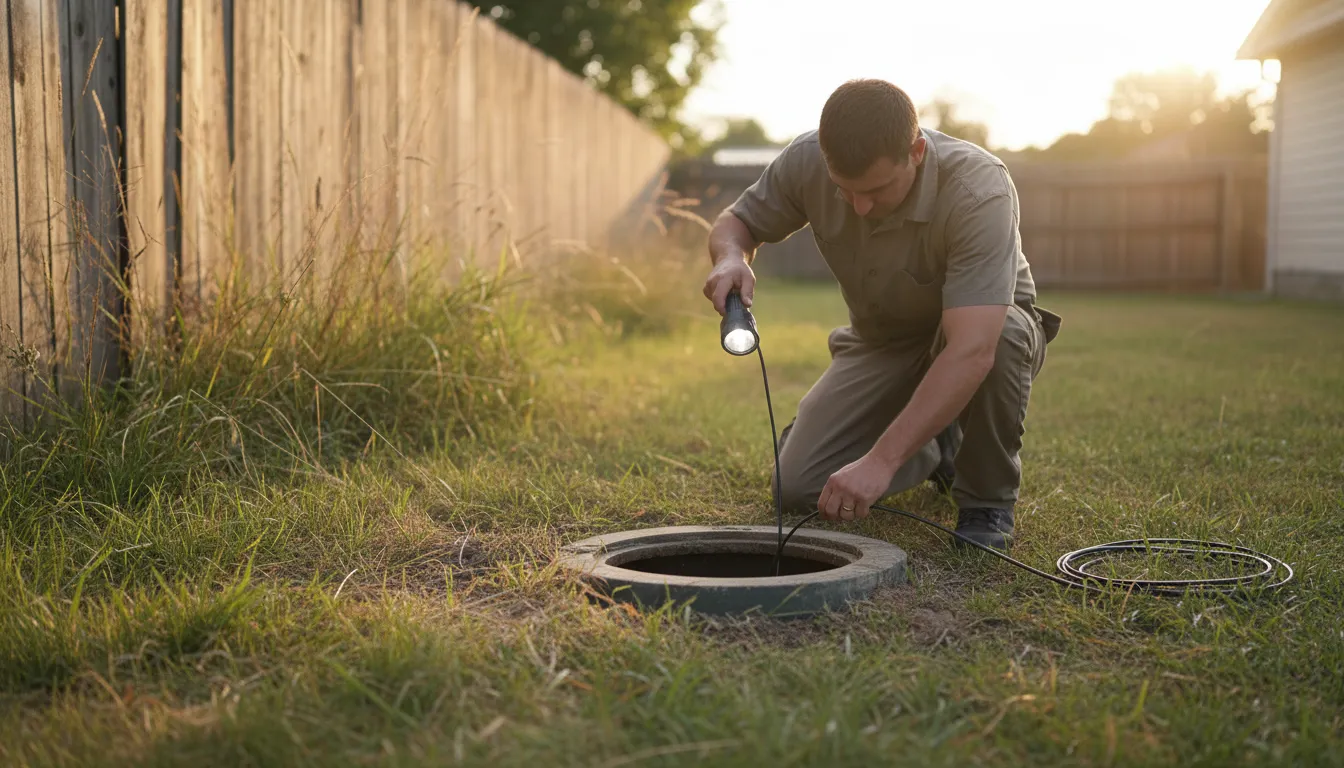
Find the Best Septic Tank Inspection Companies for Your Business
No obligation • Fast responses • Nationwide coverage

Why you can trust Septic Spot
Septic Spot is a leading United States resource for understanding and comparing septic services. Our editors review providers using consistent criteria and verify key business details. Listings and scores are independent, and companies cannot pay to influence our content.
Search providers near you
Top Septic Tank Inspection Companies in Stamford, Connecticut Ranked
A septic tank inspection is a critical evaluation of your home's private wastewater treatment system. In Stamford, where many properties rely on these on-site systems, a professional assessment ensures everything from the tank to the leaching field is functioning properly to protect your property value, your family's health, and the local environment. This guide explains what a septic system evaluation involves, why it's essential for Stamford homeowners, and how you can find qualified local professionals to perform this vital service.
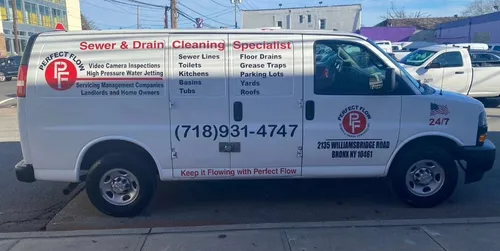
Perfect Flow Sewer & Drain Services
2135 Williamsbridge Rd, Bronx, NY 10461
Perfect Flow Sewer & Drain Services provides septic tank inspection and septic system repair in Yonkers, NY. They offer thorough inspections, efficient cleaning, and precise repairs to maintain reliable sewer and drain systems. Their services focus on ensuring seamless flow and system functionality.
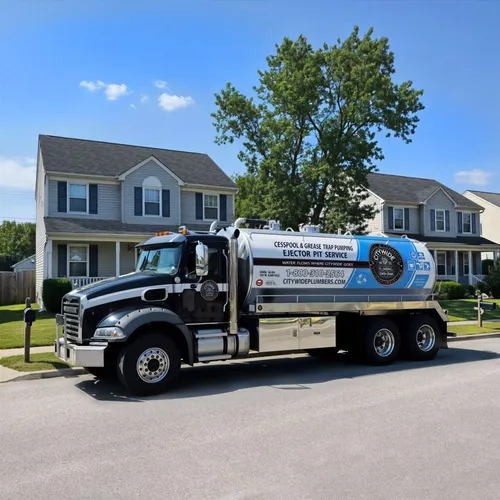
Citywide Grease Trap Maintenance | Cesspool Pumping Service Long Island
110 Voice Rd, Carle Place, NY 11514
Citywide Grease Trap Maintenance | Cesspool Pumping Service Long Island provides septic and cesspool pumping, inspection, repair, and installation services in New York, NY. Serving both residential and commercial clients, they offer comprehensive maintenance and cleaning to prevent system failures. Their skilled technicians use advanced equipment for installations and repairs, including grease trap pumping and sewage ejector pit services. With over 65 years of experience, Citywide operates 24/7 to address emergency needs promptly.
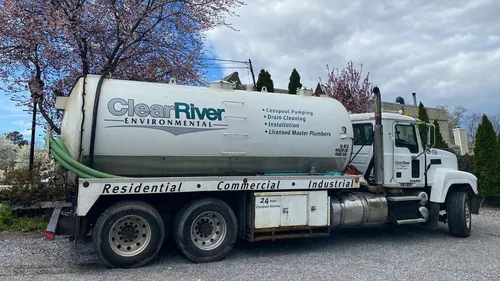
Clear River Environmental
847 11th St, Ronkonkoma, NY 11779
Clear River Environmental is a septic tank pumping, inspection, repair, and installation company serving New York, NY. They offer comprehensive environmental services including cesspool pumping, septic system maintenance, plumbing repairs, and emergency environmental remediation. The company has over 60 years of experience and uses advanced equipment such as camera inspection systems and leak detection technology. Clear River Environmental provides 24/7 emergency services to address urgent property issues promptly.
Unlimited Excavation and Construction
688 N Washington Ave, Bridgeport, CT 06604
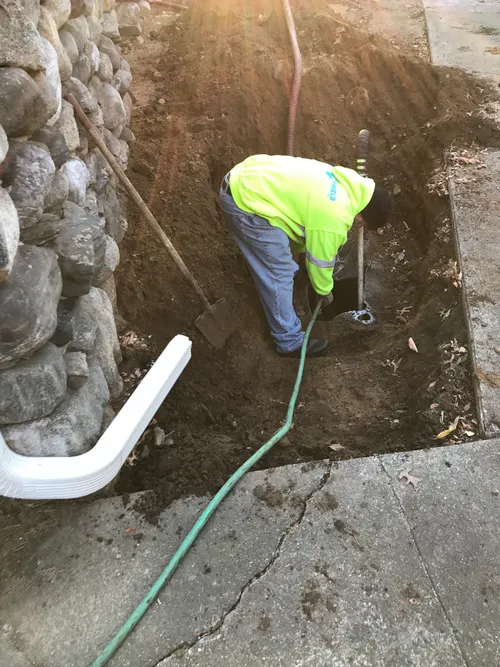
Unlimited Excavation and Construction is a family-owned company based in Bridgeport, CT, providing comprehensive septic and sewer services for residential and commercial clients. With over 30 years of experience, they offer septic tank installation, inspection, repair, and sewer line maintenance, along with additional services like drain cleaning and asphalt paving. Their team uses state-of-the-art technology to inspect septic systems and sewer lines, helping to identify potential issues early and perform necessary repairs efficiently. They also provide 24/7 emergency services to address urgent sewer and septic problems promptly.
Barcello & Son Septic Service LLC
334 Wilson Rd, Easton, CT 06612
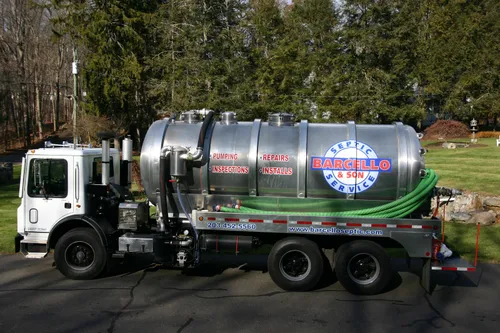
Barcello & Son Septic Service LLC is a family-owned business based in Easton, CT, serving the Bridgeport area with septic tank pumping, inspection, repair, design, and installation services. With over 20 years of experience in Fairfield County, they handle all sizes and types of septic systems using a proprietary 12-step pumping process and the latest equipment. Their expertise covers comprehensive septic system solutions, including real estate appraisal support and system design. The company emphasizes transparent pricing and guarantees their work. Barcello & Son Septic Service LLC is known for clear communication about service timing and procedures, aiming to provide a straightforward and reliable customer experience.
Understanding Stamford's Septic System Regulations
Septic systems in Stamford are regulated under the Connecticut Public Health Code, which sets the standards for installation, maintenance, and repair 1. The local Director of Health has the authority to enforce these rules, and property owners are legally responsible for keeping their systems in good working order to prevent failures that could create a public health nuisance 2 3. While the city does not mandate annual inspections for all systems, there are specific, high-stakes situations where a septic system assessment is strictly required.
The most common trigger for a mandatory inspection is a property transfer. Mortgage lenders and cautious buyers almost universally require a thorough septic tank check before finalizing a home purchase 4 5. Inspections are also required when applying for a permit to repair or replace an existing system 6. Proactive homeowners, however, understand that scheduling regular septic tank check-ups is the best way to avoid emergency repairs, costly replacements, and regulatory headaches down the line.
What a Professional Septic Inspection Involves
A comprehensive septic system inspection in Stamford is a multi-step process conducted by a licensed professional. It goes far beyond just looking at the tank and provides a complete health report for your entire wastewater disposal system.
Pre-Inspection Records Review A reputable inspector will start by obtaining the system's "as-built" diagram from the Stamford Health Department. This blueprint is crucial for accurately locating the tank, distribution box, and leaching fields, especially on older properties where landmarks may have changed 7.
Tank Access and Pumping The inspector will locate and excavate to access the tank's manhole covers. For a proper internal assessment, the tank must be pumped out. This allows the professional to examine the tank's interior walls, floor, and critical components without obstruction 8. Pumping is often bundled with the inspection service.
The Core 10-Point Assessment During the inspection, the professional follows a detailed checklist, often based on the CT Environmental Health Association (CEHA) Recommended Inspection Report, which is considered a best practice in the state. Key evaluation points include:
- Tank Structure: Checking for cracks, leaks, and overall structural integrity of the concrete, fiberglass, or plastic tank.
- Baffles and Tees: Inspecting the inlet and outlet baffles (or tees) to ensure they are intact. These components are vital for preventing scum and solids from escaping into the drain field.
- Effluent Filter: Cleaning and inspecting the filter (if present) at the tank's outlet, which provides an extra layer of protection for the leaching field.
- Pipe Integrity: Examining the sewer pipe from the house and the outlet pipe to the distribution box for blockages, breaks, or root intrusion.
- Liquid Levels: Monitoring water levels in the tank before and after pumping to check for signs of backflow from a failing drain field.
Leaching Field Evaluation The inspection doesn't end at the tank. The inspector will assess the leaching field (also called a drain field or absorption area) for telltale signs of failure. This includes looking for:
- Soggy, saturated soil or standing water over the field.
- Unpleasant sewage odors.
- Unusually lush grass growth, which can indicate nutrient-rich effluent rising to the surface.
- Checking the distribution box (if accessible) for even flow to all field lines.
Find the perfect septic tank inspection companies for your needs
Get personalized recommendations and expert advice
The Importance of Inspections for Home Buyers and Sellers
For anyone involved in a real estate transaction in Stamford, a septic system inspection is non-negotiable. For sellers, a pre-listing inspection can identify issues early, allowing for repairs on your own terms and preventing surprises that could derail a sale. A clean inspection report is a powerful selling point.
For buyers, a septic tank evaluation is a cornerstone of the due diligence process. A system failure after purchase can lead to repair bills in the tens of thousands of dollars. The inspection will reveal the system's age, condition, and remaining lifespan, providing crucial information for negotiation and future budgeting. Lenders will require a satisfactory inspection report to approve a mortgage on a property with a septic system.
Costs and Scheduling for Stamford Homeowners
Understanding the investment for a septic inspection helps in planning. In the Stamford area, costs can vary based on the size of the tank, the complexity of the system, and the extent of the inspection.
- Septic Tank Pumping: Typically ranges from $300 to $600 or more 9 10.
- Septic System Inspection: A standalone inspection usually costs between $300 and $700+ 11 12.
- Combined Pumping & Inspection: Most local professionals offer a bundled package, which is both economical and comprehensive, as a proper internal inspection requires an empty tank.
It is highly recommended to obtain quotes from several licensed septic service providers in Stamford. When comparing, ensure the quote includes a full inspection per the CEHA guidelines, not just a pumping service. The peace of mind from a thorough evaluation is well worth the investment.
Maintaining Your System After the Inspection
An inspection provides a baseline. To protect that investment, consistent maintenance is key. The single most important maintenance task is regular pumping. The frequency depends on your tank size and household usage, but a general guideline is every 3-5 years. An inspector can give you a personalized recommendation.
Beyond pumping, proper care involves:
- Conserving water to avoid overloading the system.
- Avoiding flushing anything besides human waste and toilet paper.
- Never pouring grease, chemicals, or paints down the drain.
- Keeping vehicles and heavy structures off the leaching field.
- Directing roof drains and surface water away from the septic area.
Choosing a Qualified Septic Inspector in Stamford
Selecting the right professional is critical. Always choose a licensed septic contractor or inspector. Verify that they use the standardized CT Environmental Health Association (CEHA) Recommended Inspection Report or a similarly comprehensive checklist 13. This ensures nothing is missed. Ask for references and confirm they are insured. A qualified inspector will provide a detailed written report with photos, descriptions of any issues found, and clear recommendations for repairs or maintenance.
Frequently asked questions
Sources
Footnotes
-
CONNECTICUT PUBLIC HEALTH CODE On-site Sewage Disposal ... - https://portal.ct.gov/-/media/Departments-and-Agencies/DPH/dph/environmental_health/environmental_engineering/2023-uploads/TS-Master-2023-1242023A.pdf ↩
-
CHAPTER 200. - SEWERS | Code of Ordinances | Stamford, CT - https://www.municode.com/library/ct/stamford/codes/code_of_ordinances?nodeId=COOR_CH200SE_ARTIIIWAPOCOAUUSSY_S200-33BULACO ↩
-
Environmental Engineering - Subsurface Sewage - CT.gov - https://portal.ct.gov/dph/environmental-health/environmental-engineering/environmental-engineering----subsurface-sewage ↩
-
Well and Septic Systems - Schaefer Inspection Service - https://mhschaefer.com/wells-septic/ ↩
-
Home Buyers Guide - CT.gov - https://portal.ct.gov/dph/environmental-health/environmental-engineering/home-buyers-guide ↩
-
INSPECTIONS OF EXISTING SEPTIC SYSTEMS - CT.gov - https://portal.ct.gov/dph/-/media/departments-and-agencies/dph/dph/environmental_health/environmental_engineering/pdf/coverpdf.pdf?rev=d21fe317738d41b890e42faa325f72b3&hash=EC500A8393B7B671062B9289EE04B65D ↩
-
SEPTIC SYSTEM INSPECTION and COMPLIANCE STATEMENT - https://berkeleylake.com/Assets/Files/Docs/Administration/Forms%20and%20Checklists/Septic%20Permit/Septic%20Tank%20Inspection%20Form.pdf ↩
-
Free Septic Tank Inspection Templates | PDF - https://safetyculture.com/checklists/septic-tank-inspection ↩
-
Septic Inspections in Connecticut - https://skipswastewater.com/inspections/ ↩
-
Frequent Questions on Septic Systems | US EPA - https://www.epa.gov/septic/frequent-questions-septic-systems ↩
-
What Does a Septic Inspection Entail? - https://www.homelight.com/blog/septic-inspection/ ↩
-
2026 Septic Inspection Costs | Tank, System, & Title 5 - https://homeguide.com/costs/septic-tank-inspection-cost ↩
-
Connecticut Septic Tank Requirements - https://www.ntotank.com/blog/connecticut-septic-tank-requirements ↩