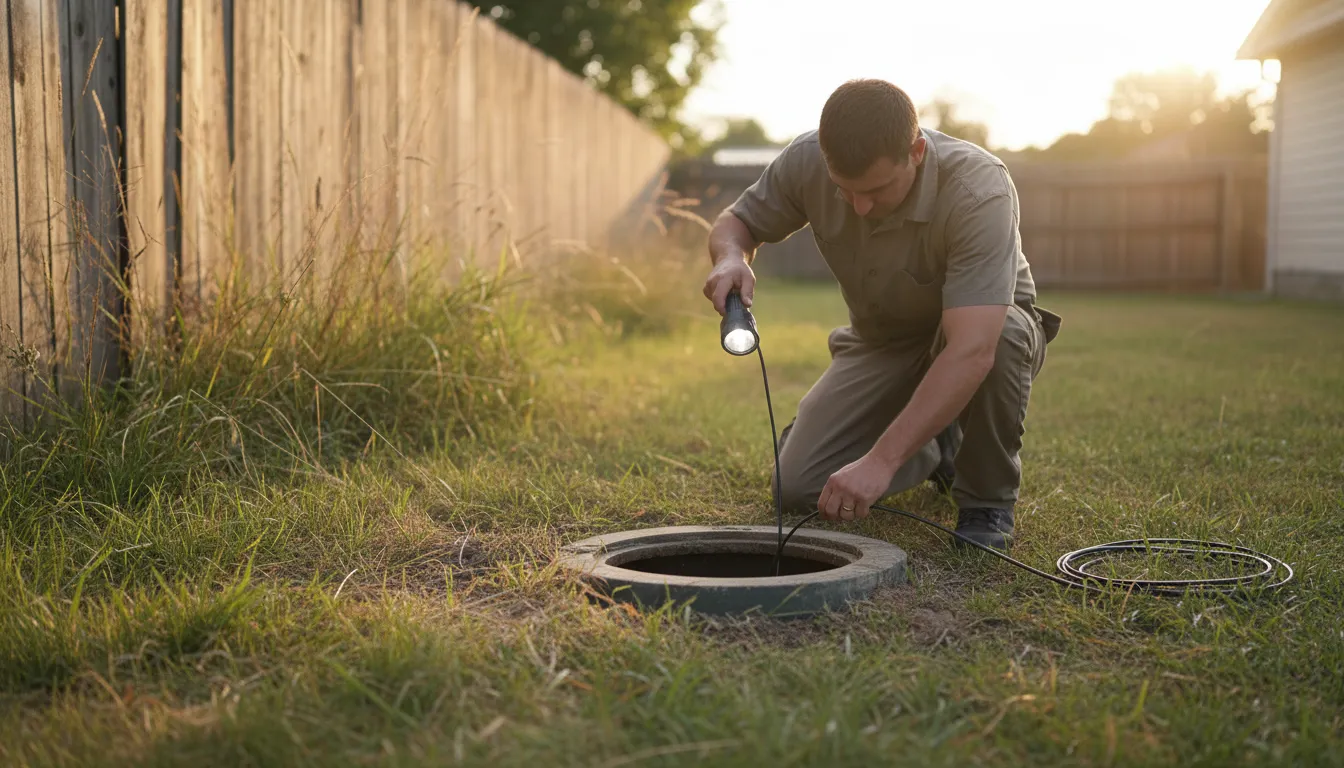
Find the Best Septic Tank Inspection Companies for Your Business
No obligation • Fast responses • Nationwide coverage

Why you can trust Septic Spot
Septic Spot is a leading United States resource for understanding and comparing septic services. Our editors review providers using consistent criteria and verify key business details. Listings and scores are independent, and companies cannot pay to influence our content.
Search providers near you
Top Septic Tank Inspection Companies in Waterbury, Connecticut Ranked
A septic tank inspection is a professional evaluation of your home's on-site wastewater treatment system. This process is critical for protecting your property value, ensuring public health, and preventing costly environmental contamination. In Waterbury, regular system checks are not just a recommendation-they are a requirement. This guide will help you understand the inspection process, local regulations, and how to find qualified professionals to assess your septic system.
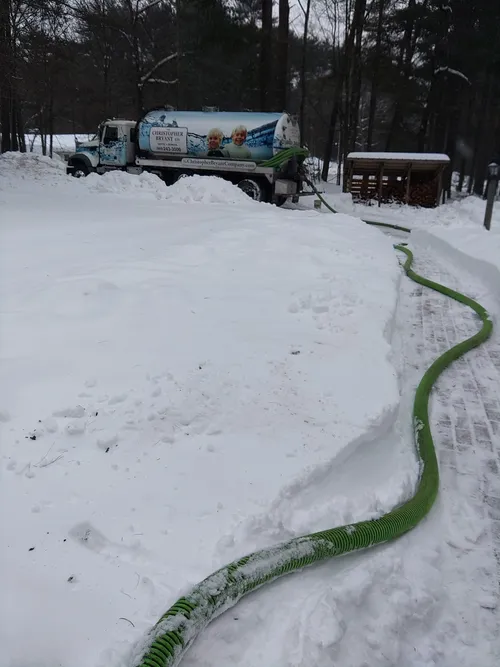
The Christopher Bryant Co. LLC
126 W Dudley Town Rd, Bloomfield, CT 06002
The Christopher Bryant Co. LLC is a family-owned septic service provider based in Hartford, CT, serving Hartford County and surrounding communities since 1995. They offer a full range of septic system services including pumping, inspection, repair, and installation. The company is known for its hands-on ownership and expertise in septic riser installation, which facilitates easier maintenance and inspection. With over 30 years in business, they provide 24/7 emergency service and same-day service options to address urgent septic needs.
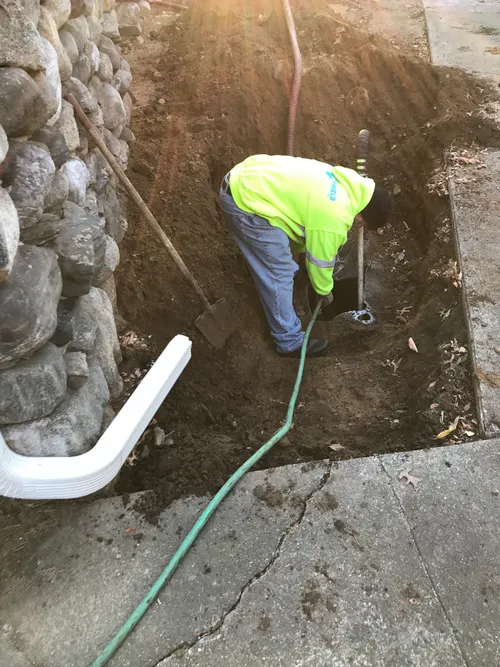
Unlimited Excavation and Construction
688 N Washington Ave, Bridgeport, CT 06604
Unlimited Excavation and Construction is a family-owned company based in Bridgeport, CT, providing comprehensive septic and sewer services for residential and commercial clients. With over 30 years of experience, they offer septic tank installation, inspection, repair, and sewer line maintenance, along with additional services like drain cleaning and asphalt paving. Their team uses state-of-the-art technology to inspect septic systems and sewer lines, helping to identify potential issues early and perform necessary repairs efficiently. They also provide 24/7 emergency services to address urgent sewer and septic problems promptly.
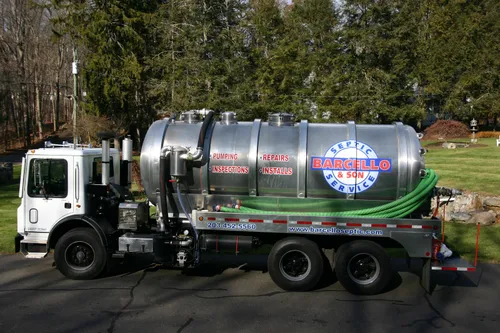
Barcello & Son Septic Service LLC
334 Wilson Rd, Easton, CT 06612
Barcello & Son Septic Service LLC is a family-owned business based in Easton, CT, serving the Bridgeport area with septic tank pumping, inspection, repair, design, and installation services. With over 20 years of experience in Fairfield County, they handle all sizes and types of septic systems using a proprietary 12-step pumping process and the latest equipment. Their expertise covers comprehensive septic system solutions, including real estate appraisal support and system design. The company emphasizes transparent pricing and guarantees their work. Barcello & Son Septic Service LLC is known for clear communication about service timing and procedures, aiming to provide a straightforward and reliable customer experience.
Assured Pump Services
Stamford, CT
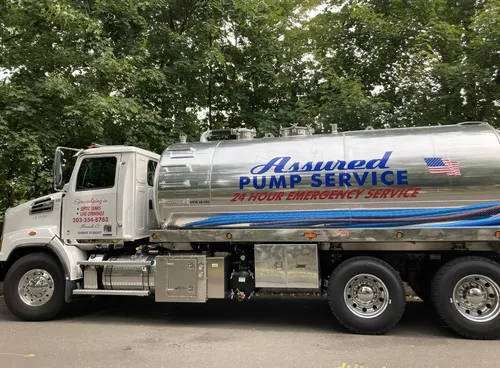
Assured Pump Services is a septic tank pumping, inspection, and repair company based in Stamford, CT. Serving Fairfield County, they offer a full range of septic system services including pumping, drain clearing, and repairs. With over 25 years of experience, the company provides 24/7 emergency response to address urgent septic issues promptly. Their licensed technicians use state-of-the-art equipment to ensure thorough and reliable service.
Team Sewer and Water
36 Zoar Ave, Oakville, CT 06779
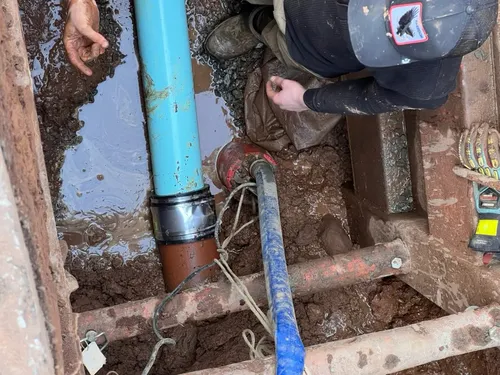
Team Sewer and Water is a septic tank pumping, inspection, repair, and installation company based in Waterbury, CT. They serve residential and commercial clients in Waterbury and surrounding areas, offering comprehensive water, sewer, and septic system services. With over 14 years of experience, their skilled technicians use the latest techniques and equipment to deliver durable results. They also handle sewer line repairs and water main replacements, ensuring compliance with local regulations.
Why Septic System Inspections Are Essential in Waterbury
Septic systems are a vital but often overlooked component of many homes in Waterbury. Unlike a municipal sewer connection, you are solely responsible for the maintenance and proper function of your private sewage treatment system. A thorough septic evaluation is the best way to catch small issues before they become major failures. Regular inspections help prevent backups into your home, contamination of local groundwater, and violations of the Connecticut Public Health Code. Given that system repairs or replacements can cost tens of thousands of dollars, a few hundred dollars spent on a periodic inspection is a wise investment in your property's longevity and safety.
Understanding Waterbury's Inspection Regulations
Local and state regulations provide a clear framework for septic system care. In Waterbury, septic systems must be inspected and pumped every 3-5 years, or more frequently if necessary, to comply with the CT Public Health Code. These rules are enforced by the Connecticut Department of Public Health (DPH) and locally by the Waterbury Health Department to safeguard against groundwater pollution.
For any significant work beyond routine pumping-such as repairs, alterations, or a full system replacement-you will need to obtain a permit from the local health authority 1. Before scheduling an inspection or any work, it is highly recommended that homeowners request the official "as-built" diagram of their system from the city's health department. This diagram, often recommended by the U.S. Environmental Protection Agency, shows the exact layout and location of the tank, distribution box, and drain field, which is invaluable information for any service provider 2.
What a Professional Septic Inspection Involves
A comprehensive septic system assessment is a multi-step process conducted by a licensed contractor. It goes far beyond just checking if things are flowing. Here's what you can expect during a standard evaluation:
- Locating & Accessing the System: The process begins with finding and uncovering the septic tank's manhole covers. If records are lost, this may involve some probing.
- Sludge and Scum Measurement: The inspector will measure the thickness of the sludge layer at the bottom of the tank and the scum layer at the top. These measurements determine if the tank needs to be pumped. A general rule is to pump when the sludge depth is within 12 inches of the outlet baffle or the scum layer is too thick 3.
- Component Examination: Key components like the inlet and outlet baffles (or effluent filters) are checked for integrity. Damaged baffles can allow solids to escape into the drain field, causing premature failure.
- System Functionality Test: To check the drain field's absorption capacity, the inspector may run water through the system, flush toilets, or even use a non-staining dye. This helps detect slow drainage, surfacing effluent, or other signs of a failing leach field 4.
- Reporting: A formal report is provided, detailing the findings. This report will note any structural issues, broken pipes, component failures, or necessary repairs, giving you a clear picture of your system's health 5.
Typical Costs for Inspection and Related Services
Understanding the potential costs helps in budgeting for this necessary maintenance. Prices can vary based on tank size, accessibility, and the scope of the inspection.
- Standard Inspection: A basic visual and functional inspection in Waterbury typically ranges from $100 to $250 6.
- Septic Tank Pumping: If the inspection reveals the tank needs emptying, pumping costs generally range from $300 to $600 or more, depending on tank capacity.
- Combined Service: Many homeowners opt for an inspection and pumping at the same time for efficiency. The total cost for this combined service often falls between $400 and $850+ 7 8.
Find the perfect septic tank inspection companies for your needs
Get personalized recommendations and expert advice
Key System Specifications for Waterbury Homes
When evaluating your system or planning for a new one, certain design standards apply. These specifications are in place to ensure adequate treatment capacity and safe operation.
- Tank Capacity: For a home with up to three bedrooms, Connecticut regulations typically require a minimum septic tank capacity of 1,000 gallons. An additional 125 gallons is usually added for each extra bedroom 9.
- Separation Distances: For safety and structural reasons, septic tanks must be installed at least 10 feet from a building's foundation.
- Drain Field Care: What you plant over your leach field matters. Avoid planting large shrubs or trees in this area, as their roots can infiltrate and clog the perforated pipes, leading to system failure.
Signs Your Waterbury Septic System Needs Attention
While regular inspections are scheduled, problems can arise between checks. Being aware of warning signs can prompt you to call for a professional assessment sooner. Look out for:
- Slow Drains: Sinks, showers, and toilets that drain slowly throughout the house, especially if accompanied by gurgling sounds.
- Sewage Odors: Unpleasant smells emanating from drains indoors or in the yard near the drain field.
- Lush or Soggy Ground: Patches of grass over the drain field that are unusually green, spongy, or wet when the rest of the yard is dry.
- Sewage Backups: The most severe sign, where wastewater backs up into household drains.
If you notice any of these issues, it's advisable to schedule a septic system evaluation immediately to diagnose and address the problem 10.
Maintaining Your System Between Inspections
Proper daily care extends the life of your septic system and helps it operate efficiently. Good maintenance habits include:
- Conserve Water: Spread out laundry loads and fix leaky faucets to avoid overwhelming the system.
- Mind What You Flush: Only human waste and toilet paper should go down the drain. Avoid flushing wipes (even "flushable" ones), feminine hygiene products, dental floss, cooking grease, and chemicals.
- Protect the Drain Field: Never park vehicles or place heavy structures like sheds on the leach field. As mentioned, be mindful of landscaping.
By following these guidelines and adhering to Waterbury's recommended 3-5 year inspection schedule, you can ensure your septic system functions properly for years to come, protecting your home, your health, and the local environment.
Frequently asked questions
Sources
Footnotes
-
Septic Homeowners - North Central Distict Health Department - https://www.ncdhd.org/septic-homeowners ↩
-
Frequent Questions on Septic Systems | US EPA - https://www.epa.gov/septic/frequent-questions-septic-systems ↩
-
What Does a Septic Inspection Entail? - HomeLight - https://www.homelight.com/blog/septic-inspection/ ↩
-
Septic Inspection | Connecticut - https://sherwoodinspection.com/septic-inspection/ ↩
-
Septic Inspection Process: What Homeowners Should Know | LunsPro - https://www.lunspro.com/vlog/the-septic-system-inspection-process-what-homeowners-should-know ↩
-
How Much Does a Septic Inspection Cost? [2026 Data] | Angi - https://www.angi.com/articles/septic-inspection-cost.htm ↩
-
Operation and Maintenance - CT.gov - https://portal.ct.gov/dph/environmental-health/environmental-engineering/operation-and-maintenance ↩
-
Exploring the Costs of Septic Tank Inspections: What to Expect - https://www.theflushfellas.com/exploring-the-costs-of-septic-tank-inspections-what-to-expect ↩
-
Connecticut Septic Tank Requirements - https://www.ntotank.com/blog/connecticut-septic-tank-requirements ↩
-
Septic Systems: Identifying Signs of Problems - CT.gov - https://portal.ct.gov/-/media/departments-and-agencies/dph/dph/drinking_water/pdf/2025-wsit-subsurface-presentation.pdf ↩