Find the Best Septic Tank Inspection Companies for Your Business
No obligation • Fast responses • Nationwide coverage

Why you can trust Septic Spot
Septic Spot is a leading United States resource for understanding and comparing septic services. Our editors review providers using consistent criteria and verify key business details. Listings and scores are independent, and companies cannot pay to influence our content.
Search providers near you
Top Septic Tank Inspection Companies in Hartford, Connecticut Ranked
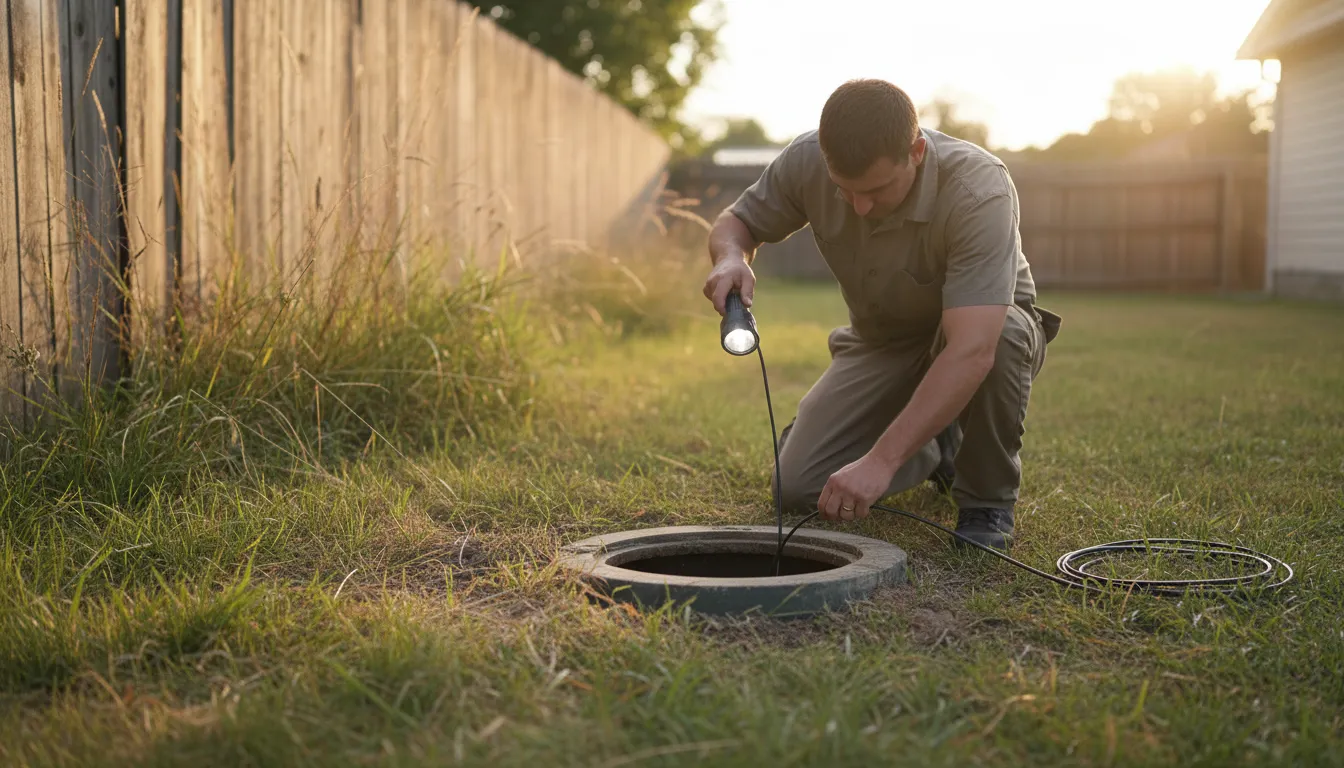
A septic tank inspection is a critical evaluation of your onsite wastewater system's health and functionality. In Hartford, these assessments are not just about maintenance; they are a key part of complying with state and local health codes to protect your property and the environment. This guide will help you understand the process, regulations, and typical costs for septic system evaluations in Hartford, so you can confidently find and engage qualified local professionals.
Septicology
47 Plantation Rd Unit D, Broad Brook, CT 06016
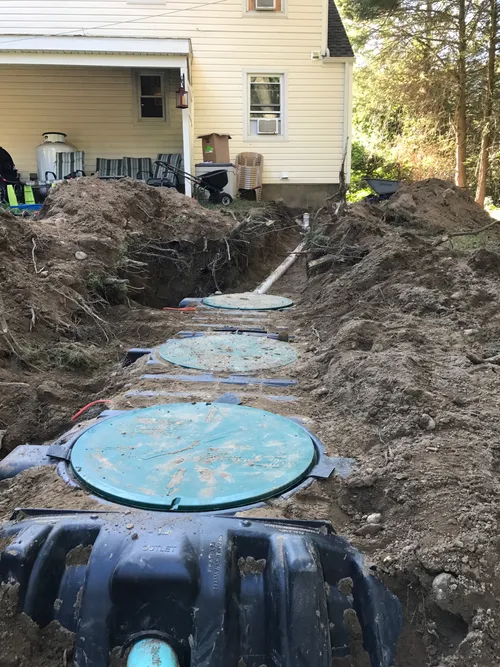
Septicology is a family-owned septic company serving Hartford, CT, and all towns across Connecticut. Since 2017, they have provided septic system inspections, repairs, installations, and pumping services throughout the state. Their inspection reports include detailed analyses, color photos, and system location drawings, offering clear insights into septic system conditions. Septicology emphasizes flexible scheduling to accommodate customer needs and maintains open communication throughout the service process.

Skips Wastewater Services
21 Courtney Dr, Ellington, CT 06029
Skips Wastewater Services provides septic tank pumping, inspection, repair, and installation services in Hartford, CT. They serve residential and commercial clients across multiple counties in Connecticut, including Hartford, Middlesex, New London, Tolland, Windham, and New Haven. The company operates with a large fleet of pump trucks and uses advanced technology to handle septic emergencies and routine maintenance efficiently. With over 60 years of experience, Skips Wastewater Services offers 24/7 emergency support to address issues like sewage backups and slow drains promptly.
The Christopher Bryant Co. LLC
126 W Dudley Town Rd, Bloomfield, CT 06002
The Christopher Bryant Co. LLC is a family-owned septic service provider based in Hartford, CT, serving Hartford County and surrounding communities since 1995. They offer a full range of septic system services including pumping, inspection, repair, and installation. The company is known for its hands-on ownership and expertise in septic riser installation, which facilitates easier maintenance and inspection. With over 30 years in business, they provide 24/7 emergency service and same-day service options to address urgent septic needs.
Earth Movers Excavation, Inc.
Springfield, MA
Earth Movers Excavation, Inc. is a family-owned business based in Springfield, MA, serving residential and small commercial clients. Since 2005, they have specialized in septic services including pumping, inspections, installations, and drain field repairs. Their expertise also extends to excavation, grading, retaining walls, and hydroseeding to support site restoration and erosion control. Earth Movers serves several nearby communities including Wilbraham, Hampden, and Ludlow, providing comprehensive septic system solutions and related site work.
Team Sewer and Water
36 Zoar Ave, Oakville, CT 06779
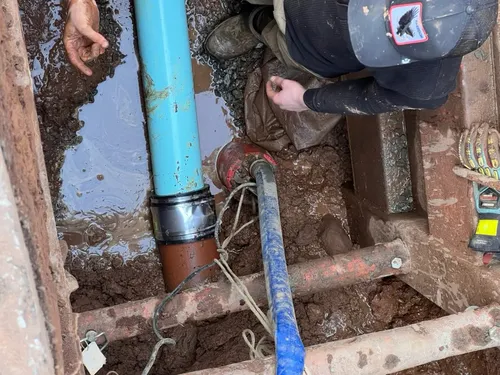
Team Sewer and Water is a septic tank pumping, inspection, repair, and installation company based in Waterbury, CT. They serve residential and commercial clients in Waterbury and surrounding areas, offering comprehensive water, sewer, and septic system services. With over 14 years of experience, their skilled technicians use the latest techniques and equipment to deliver durable results. They also handle sewer line repairs and water main replacements, ensuring compliance with local regulations.
Understanding Septic System Inspections in Connecticut
In Connecticut, septic systems are formally regulated under the Connecticut Public Health Code, specifically Section 19-13-B103. This code governs everything from initial site investigations and system design to ongoing operation and mandatory inspections. For Hartford residents, oversight typically falls to the local health district, such as the North Central District Health Department (NCDHD), which reviews plans, issues construction permits, and ensures compliance 1. A professional septic system evaluation is more than a casual look; it's a detailed process conducted by a state-licensed contractor to verify your system is operating safely and legally.
State guidelines recommend that systems be inspected every 1 to 3 years and pumped every 3 to 5 years, though the exact frequency can depend on household size and usage 2. Regular checks are essential to catch problems early, preventing costly repairs, environmental contamination, and public health hazards.
What a Professional Inspection Involves
A comprehensive septic tank assessment follows a systematic approach to evaluate every component. Here's what you can expect a licensed inspector to do:
- Locate the System: The process often begins by finding the tank and drainfield (or leach field). Inspectors may use "as-built" records from the local health department or specialized tools to locate buried components.
- Uncover Access Points: The inspector will excavate to uncover the manhole and inspection ports on the tank to gain access for internal evaluation 3.
- Conduct a Visual Inspection: They will check for signs of leaks, cracks in the tank's structure, and any evidence of effluent backup or surfacing.
- Inspect Baffles and Filters: The condition of the inlet and outlet baffles is crucial for proper function. These components prevent scum and sludge from exiting the tank and clogging the drainfield. Filters are also checked and cleaned if present 4.
- Measure Sludge and Scum Levels: This is a key quantitative step. Using specialized tools, the inspector measures the depth of the sludge layer at the bottom and the scum layer at the top. Pumping is generally required if the sludge is within 12 inches of the outlet baffle or if the scum layer is too thick.
- Evaluate the Drainfield: The inspector will examine the leaching area for warning signs like soggy ground, standing water, or unpleasant odors, which indicate a failing absorption field.
Find the perfect septic tank inspection companies for your needs
Get personalized recommendations and expert advice
Hartford Regulations and Compliance
Adhering to local regulations is non-negotiable. In Hartford and surrounding areas under the NCDHD's jurisdiction, all work on septic systems must be performed by a licensed septic pumper or installer 5 6. When you schedule a septic tank check, the professional you hire should be fully aware of and compliant with these codes.
For homeowners, a critical document is the "as-built" diagram of your system, which you can request from your local Health Department. This diagram is invaluable for inspections, repairs, and property transactions. Furthermore, maintaining your system includes protecting it from physical damage-keep heavy vehicles, large trees, and deep-rooted shrubs away from the tank and drainfield, and ensure the land is graded to divert surface runoff away from the system area.
Typical Costs for Inspection and Related Services
Understanding the potential costs helps in budgeting for this essential home maintenance. In the Hartford area, pricing can vary based on tank size, accessibility, and the scope of service.
- Routine Inspection: A standard septic system inspection typically ranges from $200 to $500. This fee often covers the visual assessment, level measurements, and a basic report on the system's condition 7 8.
- Pumping Service: If the inspection reveals the tank is full, a pumping service usually costs between $300 and $600 or more, depending on tank capacity (e.g., 1,000-gallon vs. 1,500-gallon) and how difficult it is to access 9 10.
- Combined Service: Many homeowners opt for an inspection and pumping package. The total cost can vary significantly if the tank needs to be located, if the access ports are buried deep and require extensive digging, or if additional components like effluent filters need cleaning 11.
It's always wise to get detailed quotes from several licensed providers, ensuring you understand what is included, such as digging, cleanup, and the final report.
The Importance of Inspections for Home Buyers and Sellers
A septic system evaluation is a cornerstone of real estate transactions involving properties not connected to municipal sewer lines. For sellers, having a recent, clean inspection report can make a property more attractive and streamline the sale process. For buyers, it is a vital form of due diligence 12.
A thorough inspection during a real estate transaction should identify any existing or potential failures, estimate the remaining lifespan of the system, and note any violations of current codes. This information is crucial for negotiating repairs or pricing and provides peace of mind about one of the property's most critical and expensive infrastructure components.
Maintaining Your System Between Inspections
Professional inspections are periodic, but good daily practices extend your system's life. Be mindful of what goes down your drains. Avoid flushing non-biodegradable items, chemicals, grease, and excessive use of garbage disposals. Conserve water to prevent hydraulically overloading the system. Finally, keep detailed records of all inspections, pumping, repairs, and permits. This log is valuable for troubleshooting issues, proving compliance, and enhancing your home's value.
Frequently asked questions
Sources
Footnotes
-
Wells & Septic - Northeast District Department of Health - https://nddh.org/services/environment-building/wells-septic/ ↩
-
Operation and Maintenance - CT.gov - https://portal.ct.gov/dph/environmental-health/environmental-engineering/operation-and-maintenance ↩
-
Ways to Prepare for Your Septic Inspection - https://www.trinityliquidwaste.com/blog/ways-to-prepare-for-your-septic-inspection/ ↩
-
Septic System Inspections - Barrie Home Inspector - https://www.napoleon.cc/septic-system-inspections/ ↩
-
Septic Homeowners - North Central Distict Health Department - https://www.ncdhd.org/septic-homeowners ↩
-
SEPTIC SYSTEMS - CT.gov - https://portal.ct.gov/-/media/Departments-and-Agencies/DPH/dph/environmental_health/environmental_engineering/pdf/SepticSystems101pdf.pdf ↩
-
Well and Septic Systems - Schaefer Inspection Service - https://mhschaefer.com/wells-septic/ ↩
-
What Is the Role of Septic Tank Inspection in Real Estate - https://www.houzeo.com/blog/septic-tank-inspection/ ↩
-
Frequent Questions on Septic Systems | US EPA - https://www.epa.gov/septic/frequent-questions-septic-systems ↩
-
NC SEPTIC LAW - https://www.elitehomeinspectionsnc.com/nc-septic-law ↩
-
Septic System Inspections: A Step-by-Step How-To Guide - https://westcoastsanitationinc.com/septic-inspection-service/ ↩
-
Home Buyers Guide - CT.gov - https://portal.ct.gov/dph/environmental-health/environmental-engineering/home-buyers-guide ↩