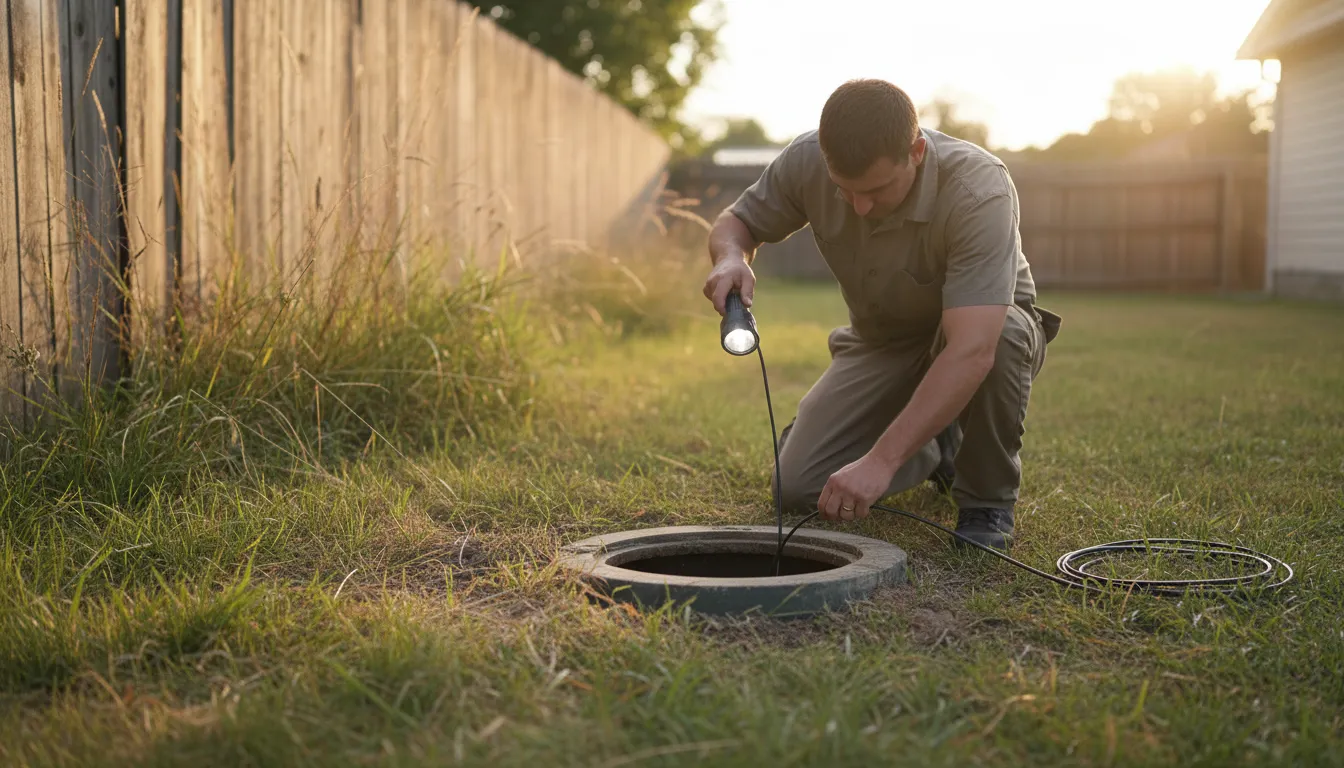
Find the Best Septic Tank Inspection Companies for Your Business
No obligation • Fast responses • Nationwide coverage

Why you can trust Septic Spot
Septic Spot is a leading United States resource for understanding and comparing septic services. Our editors review providers using consistent criteria and verify key business details. Listings and scores are independent, and companies cannot pay to influence our content.
Search providers near you
Top Septic Tank Inspection Companies in New Haven, Connecticut Ranked
A septic tank inspection is a critical evaluation of your home's private wastewater system, ensuring it is functioning safely and in compliance with state and local health codes. In New Haven, these assessments are essential for protecting your property value, safeguarding groundwater, and preventing costly system failures. This guide will help you understand the process, local requirements, and how to find qualified professionals to evaluate your system.
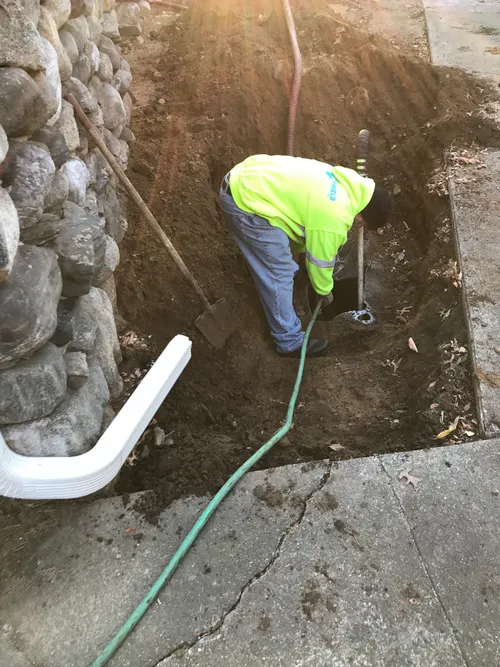
Unlimited Excavation and Construction
688 N Washington Ave, Bridgeport, CT 06604
Unlimited Excavation and Construction is a family-owned company based in Bridgeport, CT, providing comprehensive septic and sewer services for residential and commercial clients. With over 30 years of experience, they offer septic tank installation, inspection, repair, and sewer line maintenance, along with additional services like drain cleaning and asphalt paving. Their team uses state-of-the-art technology to inspect septic systems and sewer lines, helping to identify potential issues early and perform necessary repairs efficiently. They also provide 24/7 emergency services to address urgent sewer and septic problems promptly.
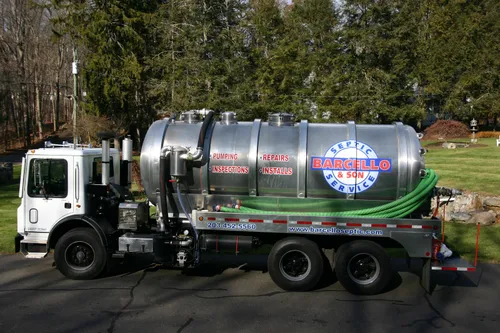
Barcello & Son Septic Service LLC
334 Wilson Rd, Easton, CT 06612
Barcello & Son Septic Service LLC is a family-owned business based in Easton, CT, serving the Bridgeport area with septic tank pumping, inspection, repair, design, and installation services. With over 20 years of experience in Fairfield County, they handle all sizes and types of septic systems using a proprietary 12-step pumping process and the latest equipment. Their expertise covers comprehensive septic system solutions, including real estate appraisal support and system design. The company emphasizes transparent pricing and guarantees their work. Barcello & Son Septic Service LLC is known for clear communication about service timing and procedures, aiming to provide a straightforward and reliable customer experience.
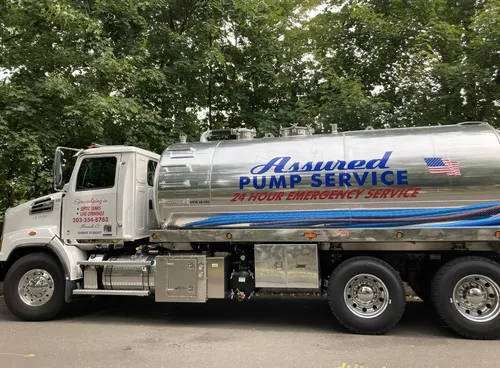
Assured Pump Services
Stamford, CT
Assured Pump Services is a septic tank pumping, inspection, and repair company based in Stamford, CT. Serving Fairfield County, they offer a full range of septic system services including pumping, drain clearing, and repairs. With over 25 years of experience, the company provides 24/7 emergency response to address urgent septic issues promptly. Their licensed technicians use state-of-the-art equipment to ensure thorough and reliable service.
Al Dexter Septic & Drainage
New York, NY
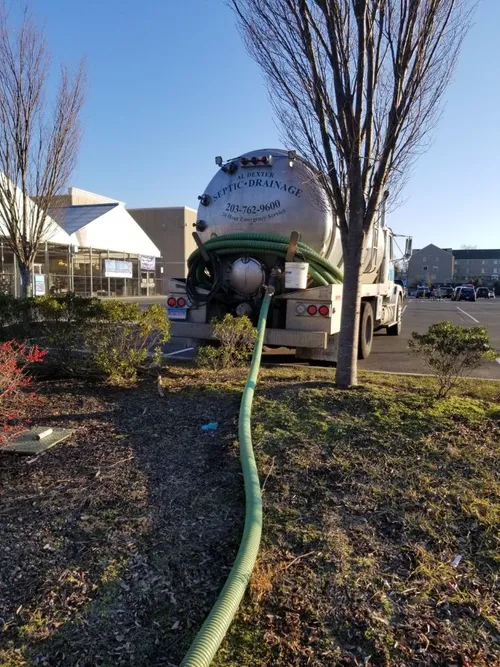
Al Dexter Septic & Drainage is a septic service provider located in New York, NY. They offer a range of services including septic tank cleaning, installation, inspection, and repair. Their capabilities include jetting and snaking lines, camera inspections, odor testing, and pump repair or replacement. The company also handles grease trap cleaning and dry well pumping, providing comprehensive septic system maintenance and repair solutions.
Team Sewer and Water
36 Zoar Ave, Oakville, CT 06779
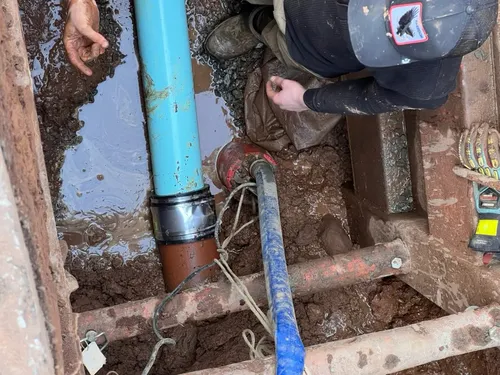
Team Sewer and Water is a septic tank pumping, inspection, repair, and installation company based in Waterbury, CT. They serve residential and commercial clients in Waterbury and surrounding areas, offering comprehensive water, sewer, and septic system services. With over 14 years of experience, their skilled technicians use the latest techniques and equipment to deliver durable results. They also handle sewer line repairs and water main replacements, ensuring compliance with local regulations.
Why Septic System Evaluations Are Crucial in New Haven
Unlike homes connected to municipal sewer lines, properties with on-site sewage disposal systems rely entirely on a properly functioning septic tank and drain field. A professional septic system evaluation is the best way to assess the health of this hidden but vital infrastructure. In Connecticut, these inspections are often driven by specific events, most notably property transfers or home expansions. While the state does not mandate an inspection for every home sale, it is highly recommended and frequently required by lenders or cautious buyers. If you are planning to add bedrooms to your home, the New Haven Health Department must verify that a "code-complying area" exists for the existing system, which typically necessitates an inspection 1.
Beyond real estate transactions, regular check-ups are a key part of responsible homeownership. An inspection can identify minor issues-like a damaged baffle or excessive sludge-before they escalate into complete system failure, which can lead to sewage backups in your home or contamination of your yard and local waterways. Given that tanks must be a minimum of 75 feet from private wells, a failing system poses a direct risk to drinking water.
Understanding Connecticut and New Haven Regulations
Septic system work in New Haven falls under the Connecticut Public Health Code, enforced locally by the New Haven Health Department 2 3. A core regulation is that only state-licensed septic contractors are permitted to pump or inspect systems. This licensing ensures that professionals are trained in proper procedures and that the septage (the waste pumped from the tank) is disposed of at approved facilities, not illegally dumped 2.
The state also sets minimum standards for system sizing. For residential properties, the septic tank must hold at least 1,000 gallons for a one-to-three-bedroom home, with an additional 125 gallons required for each extra bedroom 4. These standards ensure the tank has adequate capacity to allow solids to settle and begin breaking down before effluent flows to the drain field. During an inspection, the evaluator will confirm your system is appropriately sized for your home's current use.
What a Comprehensive Septic Inspection Involves
A thorough septic tank assessment in New Haven follows the Connecticut Recommended Minimum Existing Septic System Inspection guidelines. It is a multi-step process designed to evaluate every component:
1. Locating and Uncovering the System The inspector will first locate the septic tank and distribution box, which may involve probing the yard. They will then excavate to uncover the tank's access ports (manholes). Proper access is crucial for a complete evaluation.
2. Tank Interior Assessment This is the core of the inspection. The inspector will measure the levels of sludge (settled solids) and scum (floating fats and greases). According to guidelines, the combined sludge and scum should not fill more than one-third of the tank's liquid depth 5 6. They will also check the tank's structural integrity for cracks, leaks, or root intrusion, and inspect the inlet and outlet baffles (or tees) to ensure they are intact and functioning to prevent solids from escaping into the drain field 7.
3. Drain Field Evaluation The inspector will examine the soil absorption area (leach field) for signs of failure. Warning signs include soggy, spongy, or overly green grass over the field, surfacing sewage, or foul odors 8. A failing drain field is often the most serious and expensive problem to rectify.
4. Pumping for Clarity While an inspection can be done without pumping, most professionals recommend-and many inspections include-pumping the tank. This allows for a clear view of the tank's interior walls, baffles, and bottom to check for cracks or damage that sludge might hide. It also serves as essential maintenance.
Find the perfect septic tank inspection companies for your needs
Get personalized recommendations and expert advice
Inspection Costs and Service Options
Understanding the cost structure for septic services in New Haven helps in budgeting and selecting the right service. Prices vary based on tank size, accessibility, and the scope of work.
- Inspection-Only Service: If you need a formal evaluation without immediate maintenance, such as for a pre-purchase check, costs typically range from $200 to $400 9. This may involve measuring sludge levels and a visual assessment but often does not include pumping.
- Pumping-Only Service: Routine maintenance pumping for a standard residential tank generally costs between $300 and $500 10.
- Combined Inspection & Pumping: The most comprehensive and common approach for homeowners or sellers is a bundled service. This includes a full inspection and pumping the tank, with prices ranging from $400 to $800 or more, depending on the tank's size and how difficult it is to access 11 12.
Investing in the combined service is often the most practical choice, as it provides a definitive assessment of the tank's condition while performing necessary maintenance that can extend the system's life.
Key Considerations for New Haven Homeowners
The Inspection Report: Always insist on a written report from your licensed contractor. A proper report should detail the findings for each inspection component and state whether the system passed based on the Connecticut-recommended minimum standards. This document is vital for real estate transactions and your own records.
System Location and Setbacks: Knowing where your system is located is the first step in protecting it. Tanks must be at least 10 feet from the foundation of your home 13. Avoid parking vehicles, building structures, or planting trees and deep-rooted shrubs over the tank or drain field, as this can cause physical damage.
Preparing for an Inspection: To ensure a smooth inspection process, homeowners should clear the area around the suspected tank and distribution box location. Have any records of previous system maintenance, repairs, or designs (the "as-built") available for the inspector. It's also helpful to note the location of your private well, if you have one, to confirm proper separation 14.
Signs You May Need an Inspection Sooner: Don't wait for a property transfer if you notice warning signs. These include drains that are slow to empty, gurgling sounds in your plumbing, sewage odors in your yard or home, or standing water over the drain field. Addressing these issues promptly with a professional evaluation can prevent an environmental hazard and a much larger repair bill.
Frequently asked questions
Sources
Footnotes
-
Septic Systems - Question for anyone involved in CT policy/law ( ... - https://www.reddit.com/r/Connecticut/comments/1isewgi/septic_systems_question_for_anyone_involved_in_ct/ ↩
-
SEPTIC SYSTEMS - CT.gov - https://portal.ct.gov/-/media/Departments-and-Agencies/DPH/dph/environmental_health/environmental_engineering/pdf/SepticSystems101pdf.pdf ↩ ↩2
-
New Haven Health Inspection Checklist: Essential Safety ... - https://www.myshyft.com/blog/health-inspection-checklist-new-haven-connecticut/ ↩
-
Connecticut Septic Tank Requirements - https://www.ntotank.com/blog/connecticut-septic-tank-requirements ↩
-
DIY Septic Tank Inspections - Flohawks - https://flohawks.com/diy-septic-tank-inspections-a-step-by-step-guide/ ↩
-
Preparing for Septic Tank Inspection: 7 Key Steps - https://septic911.com/preparing-for-septic-tank-inspection/ ↩
-
How to Get Septic to Pass Inspection - https://www.guardianangelinspections.com/how-to-get-septic-to-pass-inspection ↩
-
Home Buyers Guide - CT.gov - https://portal.ct.gov/dph/environmental-health/environmental-engineering/home-buyers-guide ↩
-
Understanding Georgia's Septic Inspection Requirements - https://smartsepticpros.com/blog/septic-inspection-requirements/ ↩
-
Septic Tanks for Beginners: Essential Insights and Best Practices - https://rogerwakefield.com/septic-tanks-for-beginners-essential-insights-and-best-practices/ ↩
-
Septic Inspections in Connecticut - https://skipswastewater.com/inspections/ ↩
-
Septic System Inspections: A Step-by-Step How-To Guide - https://westcoastsanitationinc.com/septic-inspection-service/ ↩
-
INSPECTIONS OF EXISTING SEPTIC SYSTEMS - CT.gov - https://portal.ct.gov/dph/-/media/departments-and-agencies/dph/dph/environmental_health/environmental_engineering/pdf/coverpdf.pdf?rev=d21fe317738d41b890e42faa325f72b3&hash=EC500A8393B7B671062B9289EE04B65D ↩
-
Septic Systems: Identifying Signs of Problems - CT.gov - https://portal.ct.gov/-/media/departments-and-agencies/dph/dph/drinking_water/pdf/2025-wsit-subsurface-presentation.pdf ↩