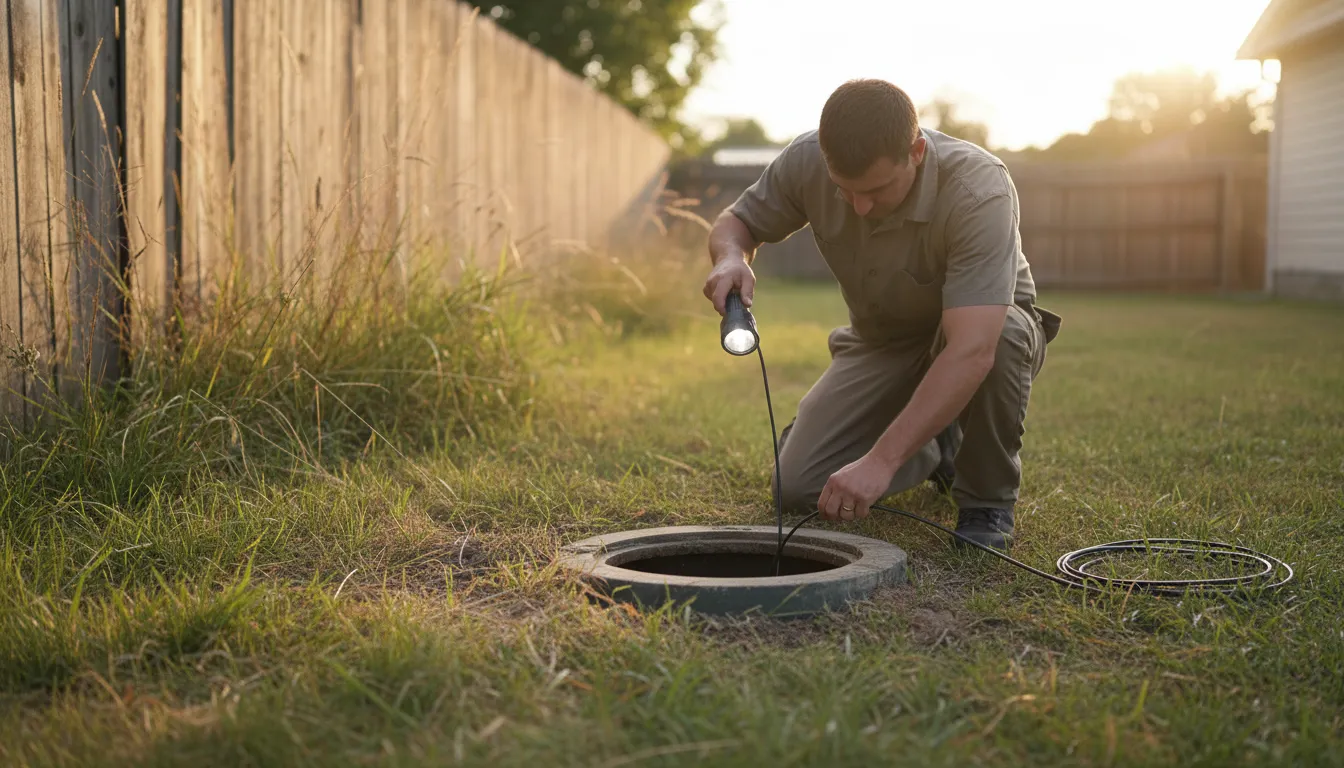
Find the Best Septic Tank Inspection Companies for Your Business
No obligation • Fast responses • Nationwide coverage

Why you can trust Septic Spot
Septic Spot is a leading United States resource for understanding and comparing septic services. Our editors review providers using consistent criteria and verify key business details. Listings and scores are independent, and companies cannot pay to influence our content.
Search providers near you
Top Septic Tank Inspection Companies in Danbury, Connecticut Ranked
A septic tank inspection is a critical evaluation of your on-site wastewater system to ensure it is functioning properly and safely. For homeowners in Danbury, regular system evaluations are essential for protecting your property value, preventing environmental contamination, and avoiding costly emergency repairs. This guide will help you understand the process, local requirements, and how to find qualified professionals to assess your septic system.
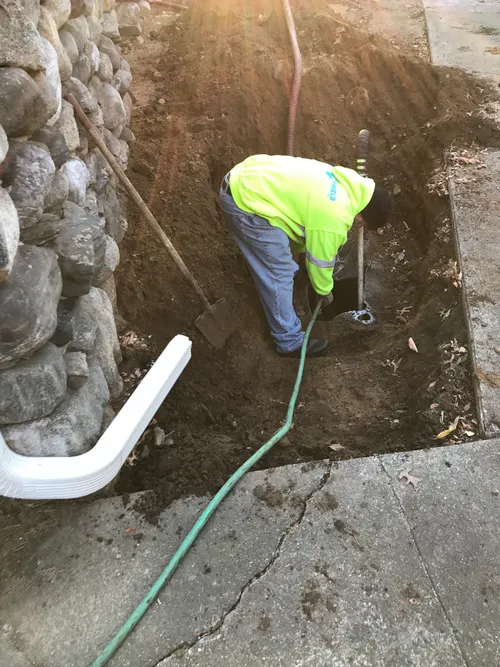
Unlimited Excavation and Construction
688 N Washington Ave, Bridgeport, CT 06604
Unlimited Excavation and Construction is a family-owned company based in Bridgeport, CT, providing comprehensive septic and sewer services for residential and commercial clients. With over 30 years of experience, they offer septic tank installation, inspection, repair, and sewer line maintenance, along with additional services like drain cleaning and asphalt paving. Their team uses state-of-the-art technology to inspect septic systems and sewer lines, helping to identify potential issues early and perform necessary repairs efficiently. They also provide 24/7 emergency services to address urgent sewer and septic problems promptly.
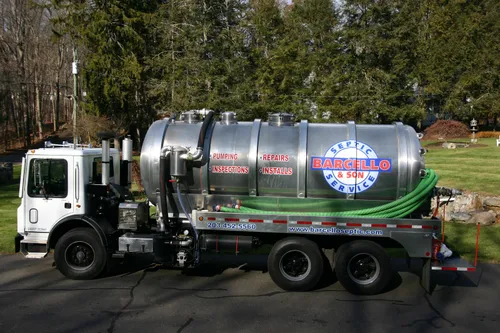
Barcello & Son Septic Service LLC
334 Wilson Rd, Easton, CT 06612
Barcello & Son Septic Service LLC is a family-owned business based in Easton, CT, serving the Bridgeport area with septic tank pumping, inspection, repair, design, and installation services. With over 20 years of experience in Fairfield County, they handle all sizes and types of septic systems using a proprietary 12-step pumping process and the latest equipment. Their expertise covers comprehensive septic system solutions, including real estate appraisal support and system design. The company emphasizes transparent pricing and guarantees their work. Barcello & Son Septic Service LLC is known for clear communication about service timing and procedures, aiming to provide a straightforward and reliable customer experience.
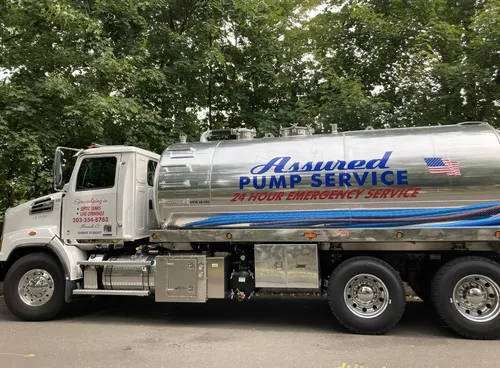
Assured Pump Services
Stamford, CT
Assured Pump Services is a septic tank pumping, inspection, and repair company based in Stamford, CT. Serving Fairfield County, they offer a full range of septic system services including pumping, drain clearing, and repairs. With over 25 years of experience, the company provides 24/7 emergency response to address urgent septic issues promptly. Their licensed technicians use state-of-the-art equipment to ensure thorough and reliable service.
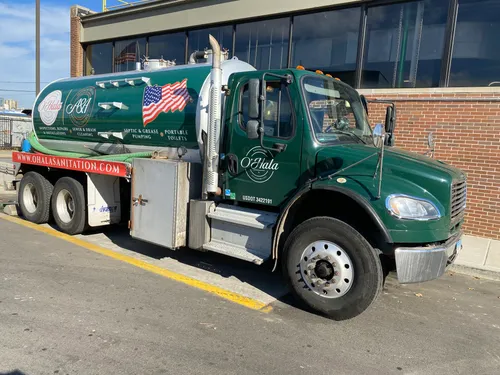
A & A Systems Control Inc
47 Larkin St Unit 5 A, Stamford, CT 06907
A & A Systems Control Inc is a family-owned septic and excavating services company based in Stamford, CT. They provide a full range of septic system services including pumping, inspections, repairs, installations, and drain cleaning for residential and commercial clients. Their expertise extends to excavation, drainage solutions, grease trap cleaning, and percolation testing, serving Stamford and nearby communities such as Greenwich, Darien, and New Canaan. The company offers 24/7 availability and emphasizes routine maintenance plans to minimize emergencies and system backups. With a background in utility construction, A & A Systems Control Inc combines technical knowledge with local service to support well-maintained septic systems.

All Pro Rooter Inc.
New York, NY
All Pro Rooter Inc. is a septic system repair and installation company serving New York, NY, with over 36 years of experience. They provide a range of services including septic tank installation, septic system repair, drain field repair and replacement, land clearing, real estate septic inspections, and general excavation. The company is known for its expertise in septic tank placement and maintenance, and it maintains strong relationships with local health and environmental departments in Westchester County. Their services cover septic tank and drain field maintenance to help ensure proper system function.
Why Septic System Inspections Matter in Danbury
Your septic system is a vital, yet often overlooked, component of your home. In Danbury, where many properties rely on private on-site sewage disposal, a failing system can lead to serious health hazards, environmental damage, and significant financial loss. Routine checks are your first line of defense. The Connecticut Public Health Code mandates proper maintenance of these systems, and local authorities like the Danbury Engineering Division enforce these rules, particularly during property transfers or expansions. An inspection provides peace of mind by verifying that your system is not a nuisance or a public health risk.
What Does a Septic Inspection Involve?
A comprehensive septic system assessment is more than just a quick look. Certified technicians follow a detailed process to evaluate every component. Understanding these steps can help you know what to expect when you schedule a service.
Locating System Components
The first step is often to locate all parts of your system, including the septic tank, distribution box, and drainfield (or leaching fields). Accurate location is crucial for a thorough evaluation and for any future maintenance or repair work.
Visual Assessment for Signs of Failure
The inspector will conduct a visual check of the property for clear indicators of a malfunctioning system. This includes looking for surfacing sewage, soggy ground, persistent foul odors near the tank or drainfield, or unusually lush and green vegetation over the leaching area, which can signal effluent breakout 1.
Pumping and Internal Tank Inspection
For a full evaluation, the tank typically needs to be pumped. This allows the inspector to examine the interior for structural issues like cracks, leaks, or corrosion. They will also check the integrity of inlet and outlet baffles or tees, which are essential for controlling the flow of wastewater and preventing solids from escaping into the drainfield 2.
Measuring Sludge and Scum Layers
A key quantitative measure is the depth of the sludge (solid waste at the bottom) and scum (floating fats and greases) layers. As a general rule, if the sludge occupies more than one-third of the tank's liquid depth, pumping is needed to prevent solids from clogging the drainfield 3.
Checking and Cleaning the Outlet Filter
Many modern systems include an effluent filter on the tank's outlet. The inspector will check this filter, cleaning it if necessary, to ensure it is not clogged and is functioning correctly to protect the drainfield 4.
Find the perfect septic tank inspection companies for your needs
Get personalized recommendations and expert advice
Local Regulations and Required Inspections in Danbury
Navigating local codes is an important part of septic system ownership. In Danbury, the Engineering Division oversees inspections for new installations and major repairs, requiring 48 hours' notice to schedule a visit 5. For homeowners, the most common mandated inspection occurs during a property transfer. State regulations require that the local health department ensure a "code-complying area" exists, meaning the soil and system are adequate to handle the home's wastewater flow 6 7. If a system fails an inspection, the local health department will require repairs or replacement to resolve the public health nuisance 8.
Recommended Inspection Frequency
While Connecticut state law does not mandate routine inspections for all existing systems, best practices strongly recommend them. The U.S. Environmental Protection Agency and industry experts advise having your system inspected every 1 to 3 years 9. Pumping is generally needed less frequently, about every 3 to 5 years, but the required interval can vary based on household size and tank capacity 10. Regular inspections help you plan for pumping and catch small problems before they become system failures.
Understanding Inspection Costs
The cost for a septic system evaluation in Danbury can vary based on the scope of service and your tank's specifics. Here's a general breakdown:
- Inspection Only: A standard visual and operational inspection typically ranges from $250 to $500, depending on the property's complexity and the type of inspection performed.
- Pumping Only: Pumping a residential tank usually costs between $300 and $600, influenced by tank size and site accessibility 11.
- Combined Service: Many contractors offer a bundled pumping and inspection service, which is often more cost-effective than scheduling each service separately.
Final costs can be affected by the need for digital diagnostics, like camera inspections of sewer lines, or particularly difficult site conditions.
Choosing a Qualified Inspection Professional
Selecting the right company is crucial for a reliable assessment. Look for licensed, insured professionals with specific experience in Connecticut and Danbury's local soil conditions. They should be familiar with the Connecticut Public Health Code and local Health Department requirements. Ask about their inspection process to ensure it aligns with the comprehensive steps outlined above, and don't hesitate to request references or sample reports. A reputable inspector will provide a clear, written report detailing their findings and any recommended actions.
Maintaining Your System Between Inspections
Professional inspections are vital, but day-to-day care extends your system's life. Be mindful of what goes down your drains-avoid flushing chemicals, oils, coffee grounds, and non-biodegradable items. Conserve water to avoid hydraulically overloading the drainfield. Know where your system is located and keep heavy vehicles, patios, and pools away from the tank and leaching area to prevent soil compaction and pipe damage. These simple habits support the work done during your formal system evaluation.
Frequently asked questions
Sources
Footnotes
-
Home Buyers Guide - CT.gov - https://portal.ct.gov/dph/environmental-health/environmental-engineering/home-buyers-guide ↩
-
Septic Inspections in Connecticut - https://skipswastewater.com/inspections/ ↩
-
How to Get Septic to Pass Inspection - https://www.guardianangelinspections.com/how-to-get-septic-to-pass-inspection ↩
-
Manchester Septic Inspections - Thorough & Reliable - https://adbseptic.com/service-areas/manchester-ct/septic-inspections/ ↩
-
General Information & Guide - https://danburyct.qscend.com/filestorage/21015/21087/21101/EngineeringGeneralInformationGuide.pdf ↩
-
STATE SEPTIC CODE EXAMPLES: - https://watershedcouncil.org/uploads/7/2/5/1/7251350/appendix_a_-_state_septic_code_examples.pdf ↩
-
CONNECTICUT PUBLIC HEALTH CODE On-site Sewage Disposal ... - https://portal.ct.gov/-/media/Departments-and-Agencies/DPH/dph/environmental_health/environmental_engineering/2023-uploads/TS-Master-2023-1242023A.pdf ↩
-
Septic Systems - Question for anyone involved in CT policy/law ... - https://www.reddit.com/r/Connecticut/comments/1isewgi/septic_systems_question_for_anyone_involved_in_ct/ ↩
-
Frequent Questions on Septic Systems | US EPA - https://www.epa.gov/septic/frequent-questions-septic-systems ↩
-
Connecticut Septic Tank Requirements - https://www.ntotank.com/blog/connecticut-septic-tank-requirements ↩
-
Septic Homeowners - North Central Distict Health Department - https://www.ncdhd.org/septic-homeowners ↩