Find the Best Septic Tank Inspection Companies for Your Business
No obligation • Fast responses • Nationwide coverage

Why you can trust Septic Spot
Septic Spot is a leading United States resource for understanding and comparing septic services. Our editors review providers using consistent criteria and verify key business details. Listings and scores are independent, and companies cannot pay to influence our content.
Search providers near you
Top Septic Tank Inspection Companies in Hamden, Connecticut Ranked
A septic system inspection is a critical evaluation of your home's private wastewater treatment system, ensuring it is functioning safely and in compliance with state and local health codes. For Hamden homeowners, these evaluations are not just a good idea-they are a legal requirement for protecting public health and the environment. This guide explains what a septic inspection entails, why it's essential for your property, and how you can connect with qualified local professionals to schedule this vital service.
Unlimited Excavation and Construction
688 N Washington Ave, Bridgeport, CT 06604
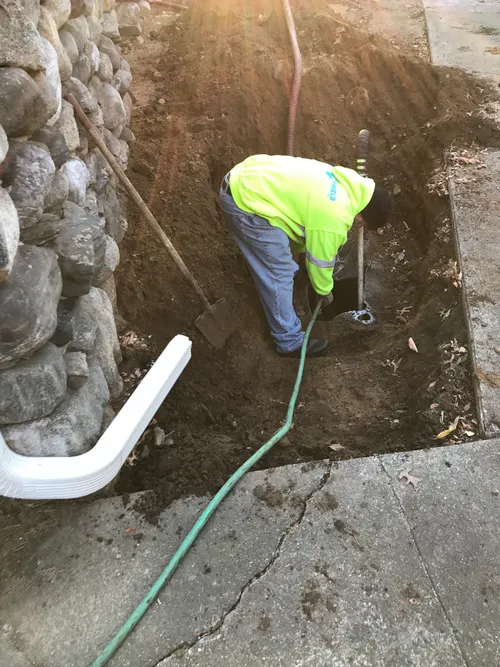
Unlimited Excavation and Construction is a family-owned company based in Bridgeport, CT, providing comprehensive septic and sewer services for residential and commercial clients. With over 30 years of experience, they offer septic tank installation, inspection, repair, and sewer line maintenance, along with additional services like drain cleaning and asphalt paving. Their team uses state-of-the-art technology to inspect septic systems and sewer lines, helping to identify potential issues early and perform necessary repairs efficiently. They also provide 24/7 emergency services to address urgent sewer and septic problems promptly.
Barcello & Son Septic Service LLC
334 Wilson Rd, Easton, CT 06612
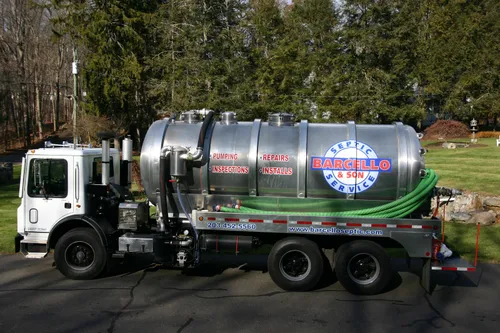
Barcello & Son Septic Service LLC is a family-owned business based in Easton, CT, serving the Bridgeport area with septic tank pumping, inspection, repair, design, and installation services. With over 20 years of experience in Fairfield County, they handle all sizes and types of septic systems using a proprietary 12-step pumping process and the latest equipment. Their expertise covers comprehensive septic system solutions, including real estate appraisal support and system design. The company emphasizes transparent pricing and guarantees their work. Barcello & Son Septic Service LLC is known for clear communication about service timing and procedures, aiming to provide a straightforward and reliable customer experience.
Assured Pump Services
Stamford, CT
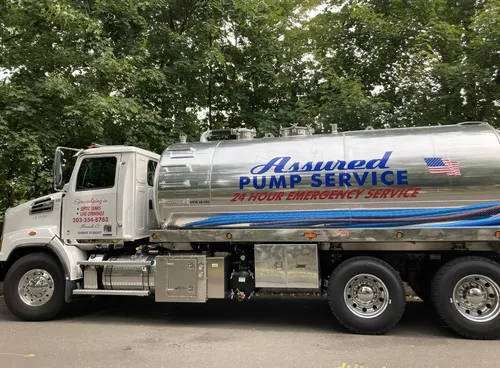
Assured Pump Services is a septic tank pumping, inspection, and repair company based in Stamford, CT. Serving Fairfield County, they offer a full range of septic system services including pumping, drain clearing, and repairs. With over 25 years of experience, the company provides 24/7 emergency response to address urgent septic issues promptly. Their licensed technicians use state-of-the-art equipment to ensure thorough and reliable service.
Team Sewer and Water
36 Zoar Ave, Oakville, CT 06779
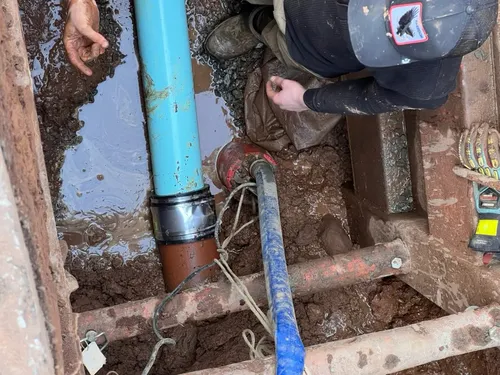
Team Sewer and Water is a septic tank pumping, inspection, repair, and installation company based in Waterbury, CT. They serve residential and commercial clients in Waterbury and surrounding areas, offering comprehensive water, sewer, and septic system services. With over 14 years of experience, their skilled technicians use the latest techniques and equipment to deliver durable results. They also handle sewer line repairs and water main replacements, ensuring compliance with local regulations.
Whitfield Sanitation Services
New Haven, CT
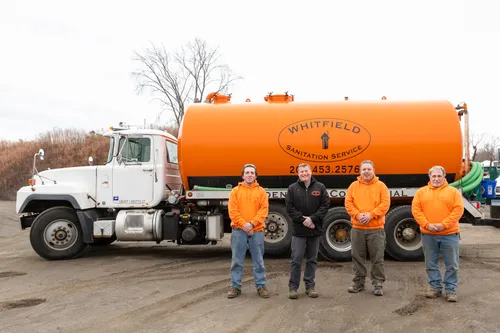
Whitfield Sanitation Services is a family-owned company based in New Haven, CT, specializing in septic tank pumping and inspection. Serving the Connecticut shoreline since 1972, they provide a range of septic care services to maintain and inspect septic systems.
Understanding Septic System Regulations in Hamden
In Hamden, all septic systems are regulated under the Connecticut Public Health Code Section 19-13-B103. This code mandates that systems be inspected by a licensed professional every two to three years and pumped every three to five years, though more frequent maintenance may be needed based on usage and tank conditions 1. Local oversight is often managed by the Quinnipiac Valley Health District (QVHD), which ensures compliance to prevent groundwater contamination and system failures.
Adhering to these regulations is non-negotiable. Only state-licensed septic contractors are authorized to perform official inspections and pumpings, as they are trained in proper septage disposal methods2 3. Failure to maintain your system can lead to costly repairs, environmental damage, and potential legal penalties. Routine maintenance is crucial, with a key rule being that a tank should be pumped when the sludge layer is within 12 inches of the outlet baffle or the scum layer exceeds 2 inches in thickness3.
The Comprehensive Septic Inspection Process
A professional septic system evaluation in Hamden is a multi-step process designed to assess every component of your wastewater system.
1. Locating and Accessing the System The inspection begins with locating the tank and drain field. Inspectors will look for tank lids, which are typically buried. It's important that the tank is at least 10 feet from your home's foundation. They will also note any site violations, such as trees, structures, or vehicle traffic over the tank or leach field, which can cause damage.
2. Initial Site Assessment Before opening the tank, the professional surveys the property. They look for warning signs like surfacing sewage, foul odors near the tank or drain field, or areas of unusually lush and green grass, which can indicate effluent leakage4.
3. Opening the Tank and Internal Inspection The inspector will safely excavate and open the tank's access lids. Inside, they conduct a thorough internal examination, checking:
- Tank Structure: Looking for cracks, corrosion, or deterioration in the concrete, fiberglass, or plastic walls.
- Baffles and Tees: Ensuring inlet and outlet baffles are intact and functional to prevent scum and sludge from exiting into the drain field.
- Pipes: Checking for blockages or damage in the inlet and outlet pipes 5.
4. Measuring Sludge and Scum Levels This is a core part of the inspection. Using specialized tools, the inspector measures the depth of the sludge layer at the bottom and the scum layer at the top. These measurements determine the tank's capacity and whether immediate pumping is required6.
5. Drain Field Evaluation (Flow/Dye Test) A critical phase involves assessing the leach field's absorption capacity. The inspector may run a significant amount of water into the system or introduce a non-staining dye into the toilets. They then monitor the drain field to see if water or dye surfaces, which would indicate a failure in the soil absorption system7 8. This test confirms whether effluent is being properly treated and dispersed.
Find the perfect septic tank inspection companies for your needs
Get personalized recommendations and expert advice
What Inspection Reports Cover and Why You Need One
After the inspection, you should receive a detailed report, often within 24 hours if the service is combined with pumping. This report is a vital document that includes:
- The condition of the tank, baffles, and pipes.
- Precise measurements of sludge and scum levels.
- An assessment of the drain field's performance.
- Any signs of failure or needed repairs.
- A recommendation for the next pumping date.
This report is essential for homeowners for routine maintenance, but it's also a key document during real estate transactions. A clean inspection report can facilitate a home sale, while a failed one can become a significant negotiating point.
Cost of Septic Services in Hamden
Understanding the potential costs helps homeowners budget for this necessary maintenance. Prices can vary based on tank size, accessibility, and the scope of service.
- Inspection Only: A standard septic system inspection in the Hamden area typically ranges from $300 to $600+, depending on the system's complexity and whether a dye test is performed 9.
- Pumping/Cleaning: The cost to pump a septic tank usually falls between $400 and $800+, influenced by tank capacity (e.g., 1,000-gallon vs. 1,500-gallon) and how easy it is to access the lids10 11.
- Combined Service: Many companies offer a bundled package where pumping is included with a full inspection. This is often the most comprehensive and cost-effective approach, as the tank must be pumped to properly inspect its interior12.
Maintaining Your System Between Inspections
Professional inspections are periodic, but daily care is a homeowner's responsibility. Proper maintenance extends your system's life and prevents emergencies.
- Conserve Water: Spread out laundry loads and fix leaky fixtures to avoid overwhelming the drain field.
- Mind What You Flush: Only human waste and toilet paper should go down the drain. Avoid flushing wipes (even "flushable" ones), feminine hygiene products, dental floss, cooking grease, and chemicals.
- Protect the Drain Field: Keep the area clear of deep-rooted plants, structures, and heavy vehicles. Ensure downspouts and surface drainage are directed away from the field13 14.
Disclaimer: Local regulations and guidelines can change. For the most current requirements and to verify a contractor's license, always contact the Quinnipiac Valley Health District or the Connecticut Department of Public Health.
Frequently asked questions
Sources
Footnotes
-
Septic System Design: What CT Homeowners Need to Know - https://andersonseptic.com/septic-system-design-guide/ ↩
-
Septic Homeowners - North Central District Health Department - https://www.ncdhd.org/septic-homeowners ↩
-
SEPTIC SYSTEMS - CT.gov - https://portal.ct.gov/-/media/Departments-and-Agencies/DPH/dph/environmental_health/environmental_engineering/pdf/SepticSystems101pdf.pdf ↩ ↩2
-
Septic Systems: Identifying Signs of Problems - CT.gov - https://portal.ct.gov/-/media/departments-and-agencies/dph/dph/drinking_water/pdf/2025-wsit-subsurface-presentation.pdf ↩
-
Understanding Septic Tank Inspections: A Complete Homeowner's ... - https://septic-masters.com/septic-tank-inspection-homeowner-guide/ ↩
-
Septic Inspection Process: What Homeowners Should Know | LunsPro - https://www.lunspro.com/vlog/the-septic-system-inspection-process-what-homeowners-should-know ↩
-
What to Expect from a Septic Inspection - https://www.wrenvironmental.com/blog/2023/may/what-to-expect-from-a-septic-inspection/ ↩
-
Septic System Inspection Hamden, CT - Drainworks - https://westctplumbing.com/services/septic/septic-system-inspection/hamden/ct ↩
-
How Much is a Septic Inspection?︱The BrickKicker - https://www.brickkicker.com/how-much-is-a-septic-inspection/ ↩
-
Operation and Maintenance - CT.gov - https://portal.ct.gov/dph/environmental-health/environmental-engineering/operation-and-maintenance ↩
-
Septic Inspections in Connecticut - https://skipswastewater.com/inspections/ ↩
-
Septic System Inspection: Costs, Precautions, and More - https://www.realtor.com/advice/sell/is-the-seller-obligated-to-get-a-septic-system-inspection-on-a-home/ ↩
-
Wells & Septic - Northeast District Department of Health - https://nddh.org/services/environment-building/wells-septic/ ↩
-
Frequent Questions on Septic Systems | US EPA - https://www.epa.gov/septic/frequent-questions-septic-systems ↩