Find the Best Septic Tank Inspection Companies for Your Business
No obligation • Fast responses • Nationwide coverage

Why you can trust Septic Spot
Septic Spot is a leading United States resource for understanding and comparing septic services. Our editors review providers using consistent criteria and verify key business details. Listings and scores are independent, and companies cannot pay to influence our content.
Search providers near you
Top Septic Tank Inspection Companies in Manchester, Connecticut Ranked
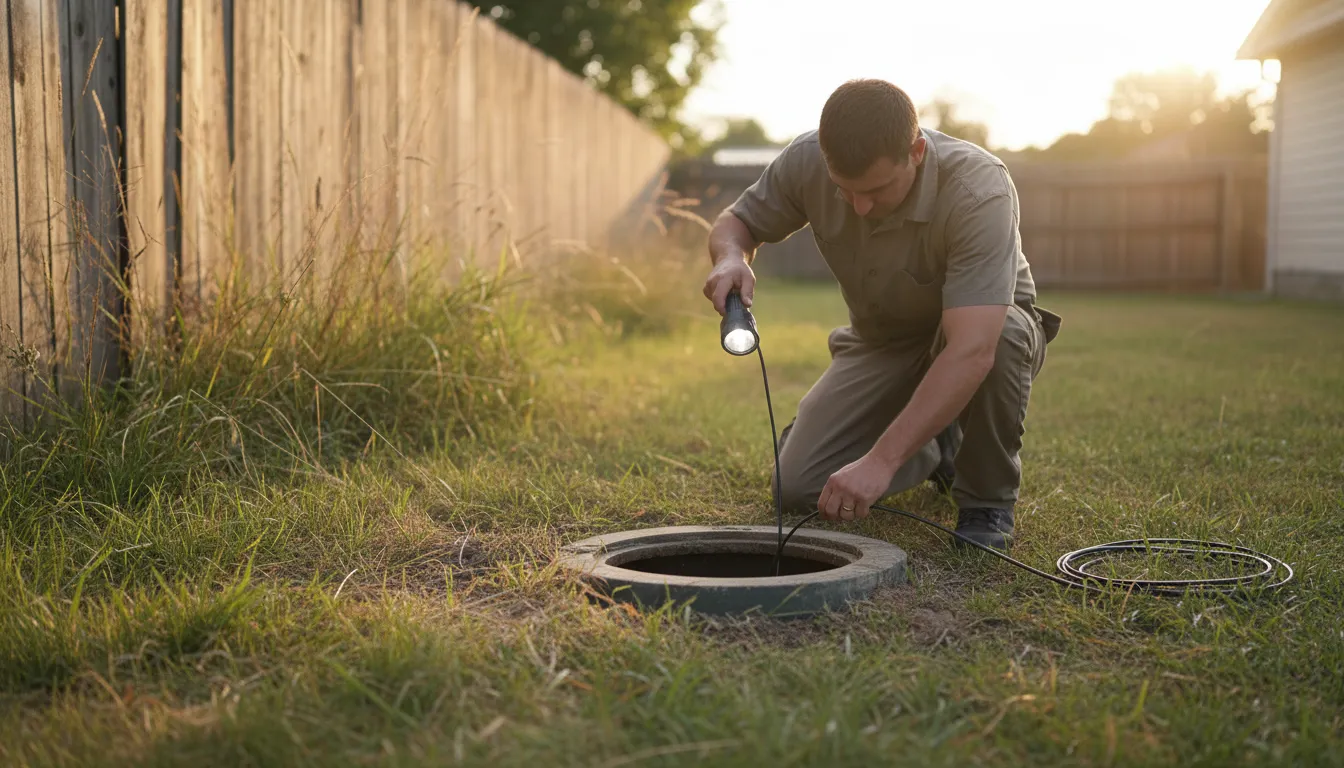
A professional septic system inspection is a critical evaluation of your property's wastewater treatment system. It matters because a failing system poses serious health risks, can cause environmental damage, and may lead to costly repairs or regulatory action. In Connecticut, these inspections are a key part of routine maintenance, property transfers, and any system modification. You can use this resource to understand the process, regulations, and typical costs, and to connect with qualified local professionals who can assess your specific situation.
Septicology
47 Plantation Rd Unit D, Broad Brook, CT 06016
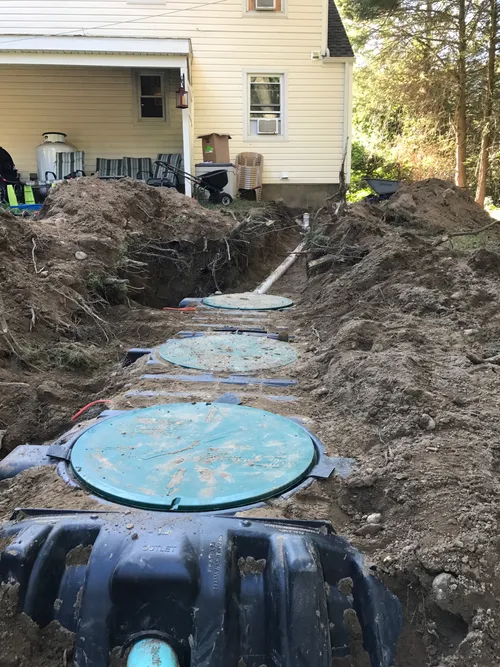
Septicology is a family-owned septic company serving Hartford, CT, and all towns across Connecticut. Since 2017, they have provided septic system inspections, repairs, installations, and pumping services throughout the state. Their inspection reports include detailed analyses, color photos, and system location drawings, offering clear insights into septic system conditions. Septicology emphasizes flexible scheduling to accommodate customer needs and maintains open communication throughout the service process.

Skips Wastewater Services
21 Courtney Dr, Ellington, CT 06029
Skips Wastewater Services provides septic tank pumping, inspection, repair, and installation services in Hartford, CT. They serve residential and commercial clients across multiple counties in Connecticut, including Hartford, Middlesex, New London, Tolland, Windham, and New Haven. The company operates with a large fleet of pump trucks and uses advanced technology to handle septic emergencies and routine maintenance efficiently. With over 60 years of experience, Skips Wastewater Services offers 24/7 emergency support to address issues like sewage backups and slow drains promptly.
Clean Septics Inc
252 West St, Ludlow, MA 01056
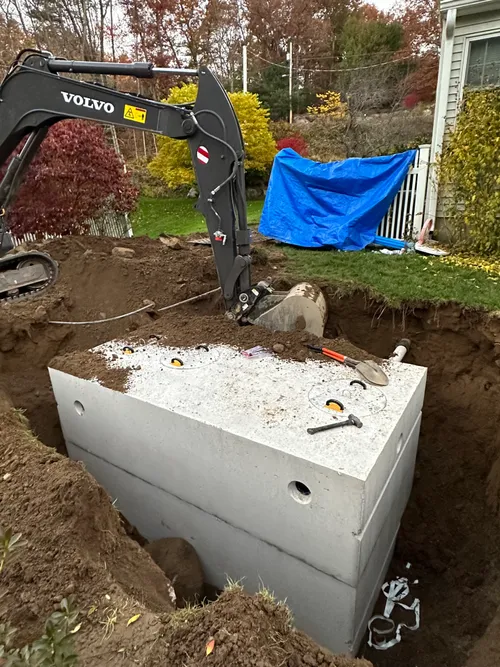
Clean Septics Inc is a septic tank pumping and inspection company based near Springfield, MA. They provide septic services for both residential and commercial properties throughout the Pioneer Valley, including many surrounding towns. The company also offers Title V inspections across Massachusetts, ensuring compliance with state regulations.
The Christopher Bryant Co. LLC
126 W Dudley Town Rd, Bloomfield, CT 06002
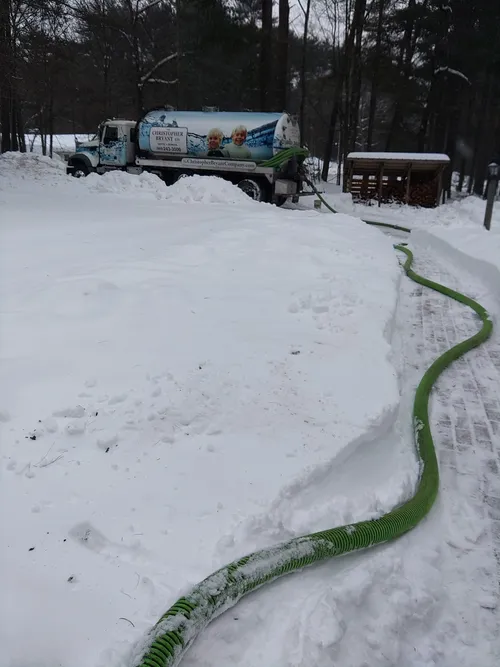
The Christopher Bryant Co. LLC is a family-owned septic service provider based in Hartford, CT, serving Hartford County and surrounding communities since 1995. They offer a full range of septic system services including pumping, inspection, repair, and installation. The company is known for its hands-on ownership and expertise in septic riser installation, which facilitates easier maintenance and inspection. With over 30 years in business, they provide 24/7 emergency service and same-day service options to address urgent septic needs.
Linton Septic
1221 S Main St, Palmer, MA 01069
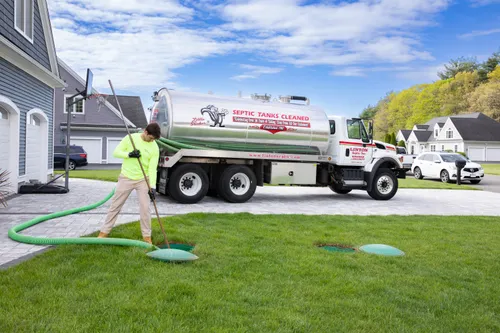
Linton Septic is a septic tank pumping and inspection company based in Palmer, Massachusetts, serving Springfield, MA, and the surrounding Central and Western Massachusetts and Northern Connecticut areas. The company specializes in routine septic pumping to remove sludge and scum buildup, helping to maintain system efficiency and prevent costly failures. Established in 1981, Linton Septic offers a complementary reminder service to notify customers when their system is due for pumping and provides tailored recommendations based on individual system needs.
Understanding Connecticut's Septic System Regulations
Septic systems in Connecticut, formally known as Subsurface Sewage Disposal Systems (SSDS), are regulated under the Public Health Code Section 19-13-B103 and related provisions. The state's framework delegates significant authority to local health departments, making them your primary point of contact for most regulatory matters.
Key Regulatory Bodies:
- Local Health Directors: Oversee the permitting, inspection, and compliance of residential systems and those with a design flow of less than 7,500 gallons per day (GPD).
- CT Department of Energy and Environmental Protection (DEEP): Must approve systems with a design flow greater than 7,500 GPD, as well as certain complex or alternative system designs.
- CT Department of Public Health (DPH): Provides the overarching regulatory framework and technical guidance.
Any installation, repair, or replacement of a septic system requires a permit from your local health department. The permit process mandates that the health director be given at least 24 hours' advance notice to inspect the work during construction. Furthermore, after installation is complete, a record drawing (often called an "as-built" plan) must be provided to the local health director to document the system's exact location and specifications 1.
When Is a Septic Inspection Needed?
Scheduling a septic system evaluation is not just for emergencies; it's a proactive part of responsible homeownership.
- Routine Maintenance: The U.S. Environmental Protection Agency (EPA) recommends having your system inspected at least every three years. In Connecticut, with its varied soil conditions and climate, adhering to a 3-5 year inspection and pumping schedule is considered standard best practice to prevent failures.
- Real Estate Transactions: While Connecticut state law does not strictly mandate a septic inspection for property sales, it is an almost universal standard practice. A thorough inspection provides crucial information for buyers and sellers, often becoming a contingency in sales contracts.
- System Modifications: As noted, any repair, upgrade, or expansion of your system requires a permit and will involve an inspection by the local health department to ensure compliance with code.
- Suspected Problems: Signs like slow drains, sewage odors indoors or outdoors, soggy ground or lush grass over the drainfield, and sewage backing up into the home are clear indicators that an immediate inspection is necessary.
What Does a Professional Inspection Cover?
A comprehensive septic tank inspection goes beyond just checking the tank. A qualified inspector will evaluate the entire system's components and function.
Typical Inspection Scope:
- Locating & Accessing the System: The inspector will locate the tank and drainfield, often using probe rods or "as-built" records, and uncover the tank access lids.
- Tank Assessment: This involves measuring the sludge and scum layers to determine if pumping is needed. The inspector will also check the tank's structural integrity, inlet and outlet baffles (for damage or blockage), and the overall water level.
- Drainfield Evaluation: The inspector will examine the leaching field area for signs of failure, such as surfacing effluent, soggy soil, or overly vigorous plant growth. They may also perform a "dye test" or other hydraulic tests to assess absorption capacity.
- Component Check: All connected components are inspected, including the distribution box (for level and flow), pumps (if present), and any alarms or filters.
- Performance Verification: The core goal is to verify the system is not creating a public health nuisance. Connecticut regulations state that a system must not discharge sewage to the surface of the ground, as this is grounds for the health department to revoke the permit to discharge 2 3.
Find the perfect septic tank inspection companies for your needs
Get personalized recommendations and expert advice
Cost of Septic Inspections in Connecticut
The price of a septic inspection in Connecticut varies based on the scope of work, system size, and location. Understanding the different service levels helps in budgeting.
- Basic Inspection: A standard visual and operational check typically ranges from $200 to $900, with an average cost around $550. This often includes opening the tank, measuring sludge, and a visual assessment of the drainfield.
- Comprehensive/Real Estate Inspection: For a property transfer, a more detailed evaluation is standard. This can cost between $800 and $1,300 4 5. This higher price frequently includes pumping the tank (which allows for a complete interior inspection) and more rigorous testing of the drainfield's functionality.
- Additional Costs: Be aware that repairs, soil percolation tests (for new construction or expansions), or permits for work are not included in inspection fees and will add to the total cost.
Choosing a Qualified Inspector in Connecticut
Given the regulatory environment, selecting the right professional is crucial. Look for inspectors who:
- Are licensed by the State of Connecticut (often as a Licensed Septic Installer or Professional Engineer).
- Have extensive local experience and knowledge of your town's health department requirements.
- Provide detailed, written reports with photographs and clear recommendations.
- Can clearly explain their inspection process and the rationale behind any findings.
- Are willing to coordinate with the local health department if permit-related issues are discovered.
Your local health department is an invaluable resource. They can often provide lists of licensed installers and inspectors in your area and answer specific questions about your property's history or requirements 6 7.
Maintaining Your System After the Inspection
An inspection report will give you a roadmap for maintenance. Key takeaways usually include:
- Pumping Schedule: Based on sludge levels, the inspector will recommend when to next pump your tank, typically aligning with the 3-5 year guideline 8.
- Water Conservation: Reducing excessive water flow is one of the best ways to extend your system's life.
- Mindful Flushing: Only human waste and toilet paper should go into the system. Avoid chemicals, grease, wipes, and other non-biodegradables.
- Drainfield Care: Never park vehicles or build structures over the drainfield. Divert rainwater runoff away from it.
Proactive, routine inspections and maintenance are far less expensive than emergency repairs or a full system replacement. By understanding Connecticut's rules and partnering with a qualified professional, you can ensure your septic system operates safely and effectively for years to come.
Frequently asked questions
Sources
Footnotes
-
Subsurface Sewage - Glastonbury-ct.gov - https://www.glastonburyct.gov/departments/department-directory-a-h/health/subsurface-sewage ↩
-
STATE SEPTIC CODE EXAMPLES: - https://watershedcouncil.org/uploads/7/2/5/1/7251350/appendix_a_-_state_septic_code_examples.pdf ↩
-
What to Expect from a Septic Inspection - https://www.wrenvironmental.com/blog/2023/may/what-to-expect-from-a-septic-inspection/ ↩
-
Connecticut Septic Tank Requirements - https://www.ntotank.com/blog/connecticut-septic-tank-requirements ↩
-
How Much Does a Septic Inspection Cost? [2026 Data] - Angie's List - https://www.angi.com/articles/septic-inspection-cost.htm ↩
-
Environmental Engineering - Subsurface Sewage - CT.gov - https://portal.ct.gov/dph/environmental-health/environmental-engineering/environmental-engineering----subsurface-sewage ↩
-
Septic Tank Plans: A Complete Homeowner's Guide - https://landperc.com/septic-tank-plans-guide/ ↩
-
How to Care for Your Septic System | US EPA - https://www.epa.gov/septic/how-care-your-septic-system ↩